Proper Cat Handling: How to Safely Pick Up and Scruff a Cat
Proper Cat Handling: How to Safely Pick Up and Scruff a Cat is a vital skill for any cat owner or caregiver. Whether you’re preparing for a trip to the veterinarian, introducing your feline friend to a new environment, or simply trying to manage routine grooming, understanding the nuances of cat handling can significantly influence the experience for both you and your cat. In this article, we will explore important feline body language, effective techniques for lifting and scruffing, strategies for managing stress in cats, and essential cautions to take with unfamiliar or anxious felines.
Quick answer: To safely pick up a cat, approach calmly, support their hind legs and back, and lift gently while ensuring they feel secure. Scruffing should be used judiciously, primarily in veterinary or emergency situations, as improper scruffing can cause distress or injury.
Understanding Feline Body Language for Proper Cat Handling
Signs that indicate a cat is comfortable
Recognizing when a cat is at ease is essential for effective interaction. Comfort signals may include:
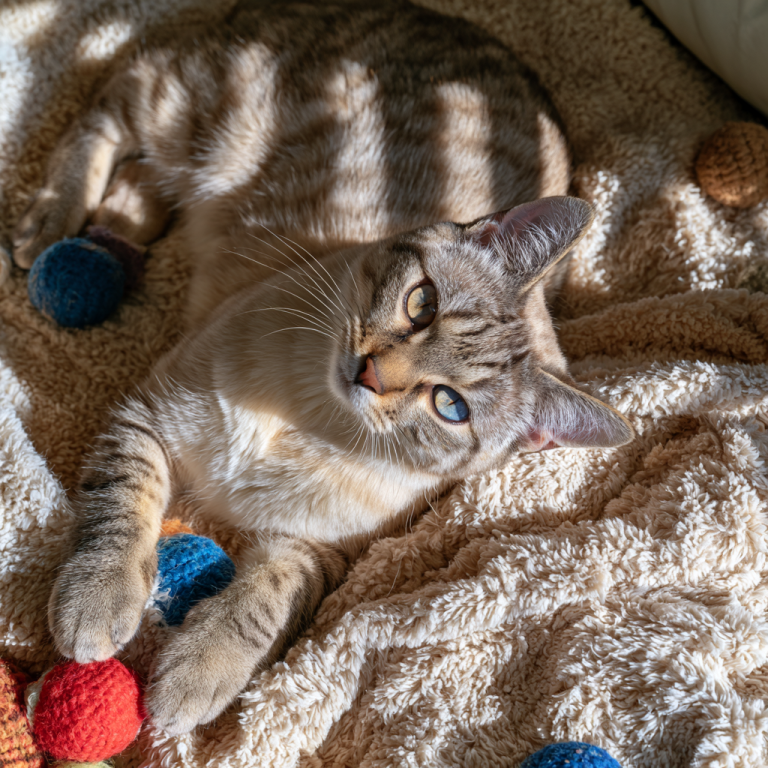
- Relaxed body posture: A cat that feels secure may lie down with a loose body or roll onto its side or back, exposing its belly.
- Slow blinking: Cats will often engage in slow blinks as a sign of trust and relaxation, which can be mirrored by the handler by blinking slowly back.
- Purring: Although not an exclusive indicator of comfort, a steady purr often signifies that a cat is content, especially when accompanied by a relaxed posture.
- Positive tail signals: An upright tail with a slight curve at the tip can indicate a happy cat, while a gently swaying tail signifies playfulness.
Warning signals to heed before handling
Conversely, it’s crucial to recognize when a cat may not be ready for handling. Some warning signs include:
- Flat ears: When a cat’s ears are pinned back to their head, it often indicates displeasure or discomfort.
- Hissing or growling: Vocalizations that express discontent should not be ignored; these sounds signal that the cat is feeling threatened.
- Tense body posture: A cat with a stiff, upright body or one that is crouched low may be in a defensive mood.
- Tail position: A raised tail that is swishing or flicking can indicate agitation or excitement, signaling the need for caution.
Proper Cat Handling: How to Safely Pick Up and Scruff a Cat
Steps for safely picking up a cat
To ensure a successful picking-up process, follow these steps:
- Approach calmly: Initiate interaction with a calm voice and steady movements to avoid startling the cat.
- Assess body language: Look for signs of comfort or distress to gauge whether the cat is open to being approached.
- Support the body: Use one hand to gently scoop under the cat’s body, supporting both the primary weight and their hind legs. This prevents drooping or straining.
- Lift securely: Once supported, lift the cat close to your body, allowing it to feel more secure and reducing stress. Hold the cat securely but without restricting movement too tightly.
Detailed techniques for scruffing a cat
Scruffing can be an effective method for controlling a cat when necessary, but it carries risks if done improperly. Here are the guidelines and cautions:
- When to scruff: Scruff only in situations where it is essential, such as veterinary examinations or administering medication. Generally, use it as a last resort, and not as a standard method of handling.
- Technique: To scruff, gently yet firmly grasp the loose skin at the back of the cat’s neck while supporting its body with your other hand. This mimics the way a mother cat would carry her kittens.
- Observe reactions: Watch the cat’s body language closely during scruffing. If the cat shows signs of distress or panic (like wide eyes or frantic movements), it’s crucial to stop immediately.
- Cautions: Improper scruffing can lead to stress responses such as aggression or fear, and may even cause physical discomfort or injury. Always prioritize the cat’s comfort and wellbeing while handling.
Handling Cats in Stressful Situations
How to approach an anxious cat
When dealing with an anxious cat, empathy and patience are vital. Start by:
- Giving space: Allow the cat to approach you on its terms. Avoid rushing in or grabbing the cat, as this can exacerbate fear.
- Using soothing sounds: Soft, calming tones can help ease a cat’s anxiety. Speak gently and let them know you are there for them.
- Providing physical cues: Staying low to the ground and offering your hand for the cat to sniff may make the interaction less intimidating.
Techniques for calming a cat before handling
Before attempting to handle an anxious cat, consider these calming techniques:
- Environment control: Creating a calm environment by minimizing loud noises and sudden movements can help the cat feel less stressed.
- Using treats: Positive reinforcement with treats can build trust over time and create a more positive association with being handled.
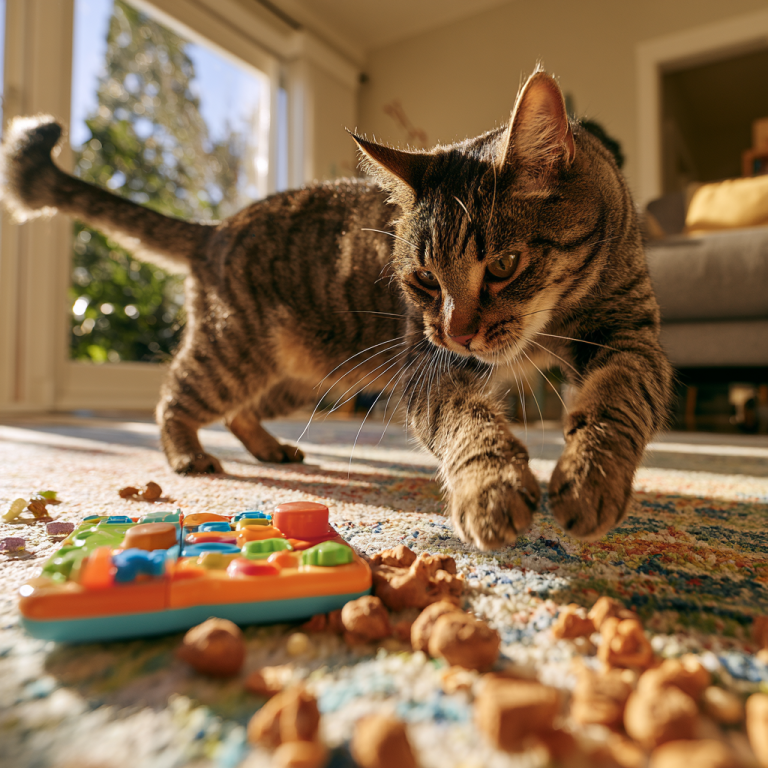
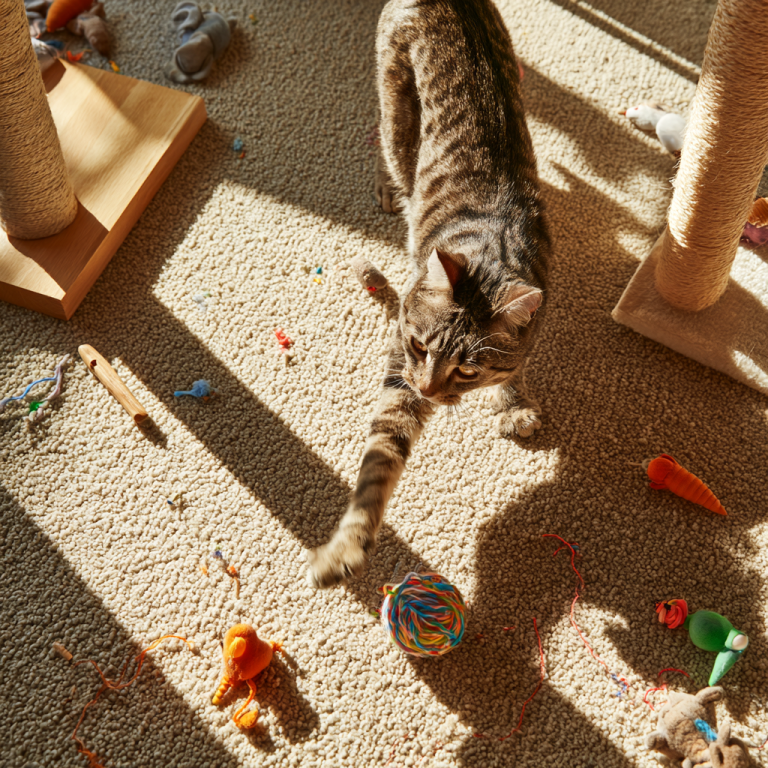
- Interactive play: Engaging the cat in play can be an effective distraction and help reduce anxiety levels, making them more receptive to handling.
Cautions When Handling Unfamiliar or Anxious Cats
What to avoid during cat handling
When engaging with an unfamiliar or anxious cat, certain behaviors should be avoided:
- Overstepping personal space: Cats need their personal space to feel secure. Avoid hovering or reaching for the cat without giving it a chance to engage.
- Yelling or harsh reactions: Loud voices or harsh movements can frighten the cat, rendering trust-building very challenging.
- Holding inappropriately: Avoid lifting a cat by its front legs or scruffing without adequate support. Both can cause fear and injury.
Adjusting your handling techniques based on the cat’s temperament
Every cat is unique, and handling should be tailored to their individual temperament. Here are some recommendations:
- Understanding variations: Some cats may be naturally outgoing and enjoy being held, while others may prefer minimal contact. Watch for signs of comfort or discomfort.
- Gradual introductions: For shy cats, approach slowly and allow them time to decide when to engage, rather than forcing interaction.
- Monitoring reactions: Continuously observe the cat’s body language during handling. Be ready to adjust your technique or give space as needed based on real-time cues.
In every interaction, the focus should always be on the cat’s comfort and well-being. Developing a strong bond with your cat takes patience, keen observation, and respect for their individual preferences.
Thus, as we navigate the intricacies of proper cat handling, integrating our understanding of feline body language, customizing our interactions based on their unique needs, and applying the right techniques will create a safe, reassuring environment for our feline companions.
Frequently Asked Questions
How do you properly hold a cat?
To properly hold a cat, support their back legs with one hand while placing the other under their chest. This cradling method helps keep the cat secure and comfortable against your body.
What does it mean to scruff a cat?
Scruffing a cat involves gently grasping the skin at the nape of their neck. This technique can serve as a method of restraint but should only be used in appropriate situations.
Is it safe to scruff a cat?
While scruffing can be done safely when needed, it may cause stress if used improperly. It’s essential to observe the cat’s reaction and handle them gently to avoid causing distress.
How can I tell if my cat is comfortable being held?
A comfortable cat typically displays relaxed body language, such as a soft posture, gentle purring, and a willingness to stay close. Signs of discomfort, however, should not be ignored.
What should I do if my cat struggles when picked up?
If your cat struggles when picked up, gently set them down and give them space. Observe their body language for signs of stress before trying to handle them again.