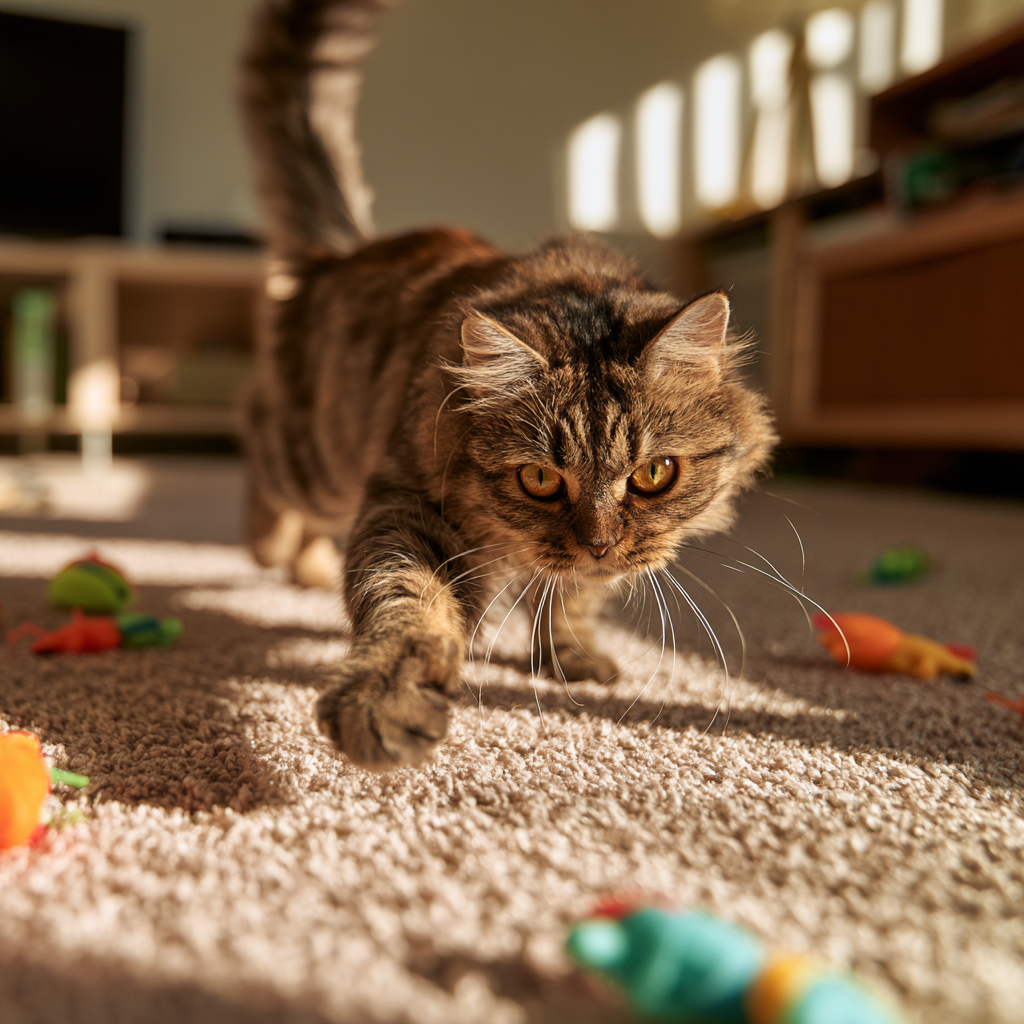
Cat Toys for Stimulation: Boost Your Cat’s Playtime Engagement
When it comes to keeping our feline friends happy and healthy, choosing the right cat toys for stimulation is crucial. Engaging toys can enhance your cat’s mental and physical well-being, promoting a happy, active lifestyle. But with so many options available, how do we determine which toys truly spark interest and engage their instincts? This guide aims to explore the world of cat toys and provide insights into stimulating your cat’s playtime.
Quick answer: The most stimulating cat toys mimic prey behavior, engage their curiosity, and challenge their problem-solving skills. Interactive and puzzle toys, DIY options, and catnip-infused items are all effective choices to keep your cat entertained and active.
Understanding Cat Toys for Stimulation
What makes a toy stimulating for cats?
A stimulating toy captures a cat’s attention and encourages play based on their inherent instincts. These toys often incorporate movement, texture, sound, or scent to pique curiosity. Factors that contribute to the stimulation level of a toy include:
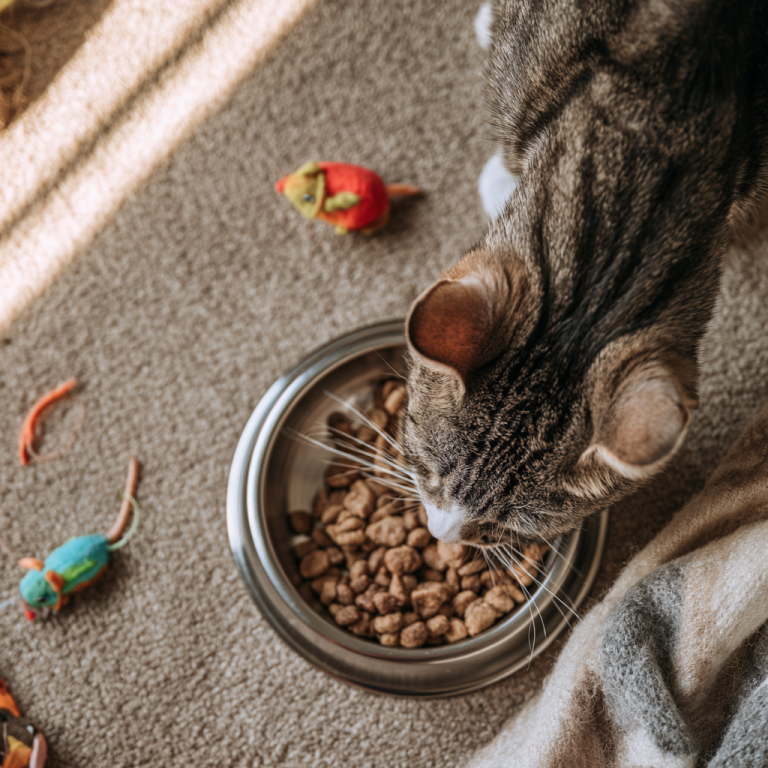
- Movement: Toys that imitate the erratic movements of prey, such as mice or birds, can trigger a cat’s predatory instincts.
- Texture: Different textures can provide sensory feedback, encouraging a cat to explore and interact more deeply. Soft, crinkly, or plush surfaces can be enticing.
- Sound: Toys that squeak, jingle, or rustle can attract a cat’s attention and provoke play, simulating the sounds associated with prey.
- Scent: Many cats are responsive to scents like catnip, which can stimulate them mentally and motivate them to engage with the toy more eagerly.
Types of toys that engage a cat’s natural instincts
Cats have natural behaviors like hunting, pouncing, and climbing that toys can tap into. Different types of toys can elicit these behaviors and keep your cat mentally stimulated:
- Chase Toys: Balls, feathers attached to strings, and laser pointers mimic the movement of prey, prompting hunting behaviors.
- Climbing and Scratching Toys: Cat trees and scratching posts encourage climbing and scratching behaviors, which are essential for physical exercise and claw maintenance.
- Puzzle Toys: Toys that require problem-solving to retrieve a treat or toy encourage cognitive engagement and stimulate a cat’s curiosity.
- Cats in Motion: Rotating toys or interactive toys that move autonomously can engage a cat’s attention and active play.
Best Types of Cat Toys for Stimulation
Interactive and puzzle toys
Interactive and puzzle toys are some of the best options for stimulating playtime. These toys often require cats to use their paws, claws, and even brains to obtain rewards. This engagement fosters mental sharpness and keeps cats entertained for longer periods:
- Interactive Feeders: These provide a challenge as your cat has to find a way to get food or treats, converting mealtime into an engaging puzzle.
- Movement Toys: Remote-controlled or battery-operated toys that mimic the unpredictable movements of prey can captivate a cat’s attention and provide exercise.
- Activity Mats: Placing toys on a mat with various textures or hiding spaces can encourage exploration and play, stimulating both physical and mental abilities.
DIY cat toys for enhanced engagement
Creating your own cat toys can be a rewarding way to enhance your cat’s engagement. DIY toys can be customized to suit your cat’s preferences, and you can ensure they meet safety standards. Here are a few ideas:
- Paper Balls: Crumpled paper made into a ball can provide endless enjoyment, allowing your cat to chase and bat it around.
- Sock Toys: Filling an old sock with small crinkly materials and catnip can create a soft and engaging toy that encourages chewing and hunting.
- Feather Wands: Attaching feathers or ribbons to a stick or string can create an interactive tool that mimics prey behavior when waved around.
However, ensure that any components are non-toxic and securely attached to avoid choking hazards. Always monitor your cat during play with DIY toys to ensure safety.
Catnip-infused toys and their effects
Catnip is known for its unique effect on many cats, stimulating their play behavior. Toys infused with catnip can serve as motivational tools to encourage engagement. Here are some considerations regarding catnip:
- Benefits: Catnip can create excitement and a sense of well-being in cats, prompting increased playfulness and activity levels.
- Individual Response: Not all cats react to catnip; the response is hereditary, with roughly 50-75% of cats exhibiting a reaction. It’s best to observe how your own cat responds to catnip-infused toys.
- Setting Limits: Too much exposure to catnip can lead to temporary overstimulation. Rotate catnip toys in and out of your cat’s playtime to maintain their novelty and effectiveness.
Choosing Safe and Appropriate Toys
Signs of boredom and the need for new toys
Recognizing signs of boredom is essential to maintaining engagement with cat toys. A bored cat may show excessive lethargy, ignore toys, or exhibit destructive behavior. Signs to watch for include:
- Reduced Interest: Your cat may start ignoring toys that once excited them.
- Destructive Behavior: Cats may seek to entertain themselves by engaging in unwanted habits such as scratching furniture.
- Lethargy: A noticeable decrease in activity levels may indicate boredom and a need for stimulation.
If you observe these signs, it may be time to introduce new toys to rejuvenate your cat’s playtime.
Age-appropriate toys for kittens to seniors
When selecting cat toys, it’s important to consider your cat’s age and individual needs. Different life stages often require varying levels of stimulation and engagement:
- Kittens: Opt for lightweight, soft toys and tunnels that encourage pouncing and climbing without risking injury.
- Adult Cats: Consider interactive toys that challenge their hunting instincts and promote problem-solving skills.
- Seniors: Older cats may prefer softer toys and less strenuous activities. Choose items that are gentle on their aging joints, such as plush toys or low-impact interactive activities.
Cautions when selecting stimulating toys
While stimulating toys can be beneficial, caution must be exercised to ensure safety. Here are some key considerations:
- Avoiding Small Parts: Toys with loose parts can pose choking hazards. Opt for robust designs that don’t allow for disassembly.
- Non-toxic Materials: Ensure that materials are safe and free from harmful chemicals, especially for cats that like to chew or lick their toys.
- Watch for Wear and Tear: Regularly inspect toys for signs of damage. Be prepared to retire toys that are fraying or breaking down, to prevent ingestion of small materials.
Enhancing Playtime with Engaging Interactions
Creative ways to use toys during playtime
How we engage with toys during playtime can significantly impact your cat’s enthusiasm and enjoyment. Here are some creative approaches:
- Scheduled Play Sessions: Establish routine playtimes to help your cat anticipate and look forward to interactive moments.
- Incorporate Variety: Rotate toys regularly, introducing new ones or moving existing toys to different areas to maintain curiosity.
- Use of Multiple Toys: Place different types of toys in the same area to encourage exploration and varied interaction.
Fostering a stimulating environment with toys
A stimulating environment is crucial for a fulfilling playtime experience. Beyond toys, consider these aspects:
- Vertical Spaces: Create areas for climbing, such as cat trees or shelves, where cats can explore and enhance their natural instincts.
- Interactive Play Partners: Engage with your cat through interactive play with wands or strings, enhancing the bond between you and your pet.
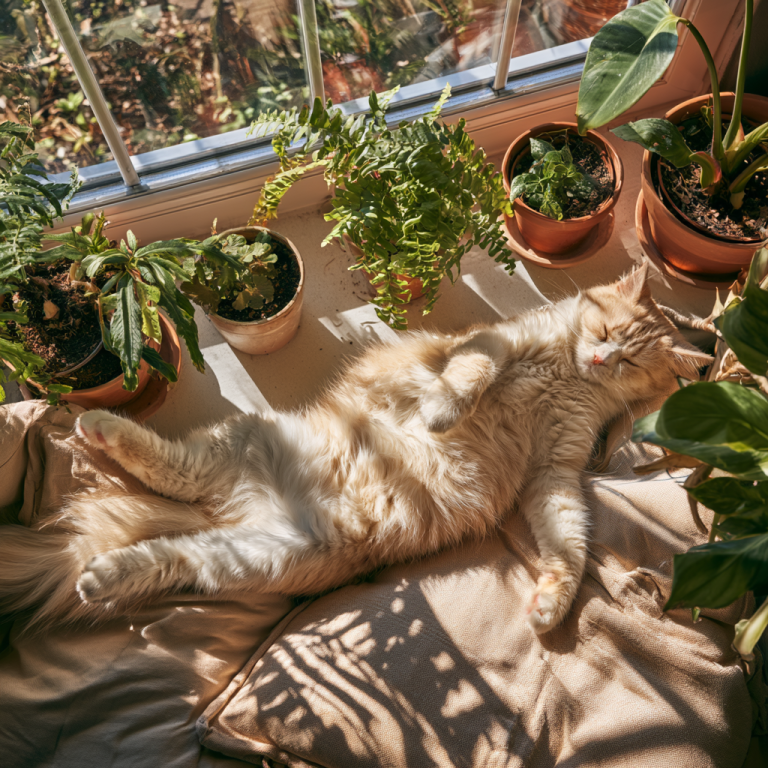
- Environmental Enrichment: Offer places where your cat can observe the outside world, or introduce window perches where they can watch birds and passing activities.
Utilizing a mix of engaging toys and interaction strategies tailored to your cat’s personality and preferences can significantly enrich their playtime. Taking the time to rotate toys, introduce new challenges, and observe your cat will ensure they remain stimulated and content in their environment.
Frequently Asked Questions
What are the best cat toys for stimulation?
The best cat toys for stimulation include interactive and puzzle toys, catnip-infused options, and DIY creations that encourage engagement and play. Special attention to your cat’s interests and preferences will guide you in choosing the most suitable toys.
How do cat toys help with boredom?
Cat toys serve to engage a cat’s natural instincts, providing physical activity and mental challenge. By regularly rotating toys and introducing new ones, you can help alleviate boredom and promote healthy play behaviors.
Can you make your own cat toys?
Yes, making your own cat toys can be both fun and cost-effective. Simple DIY options like crumpled paper balls or filled toilet paper rolls can significantly engage your cat’s interest while stimulating their instincts.
What should I look for in stimulating cat toys?
When selecting stimulating cat toys, consider factors such as movement, sound, texture, and interactivity. Ensure that the toys are safe, durable, and appropriate for your cat’s size and age.
Are some toys better for certain breeds?
While individual preferences vary, some toys may appeal more strongly to specific breeds due to their natural instincts and tendencies. However, observing your individual cat’s behavior and interests is key to finding the toys that work best for them.