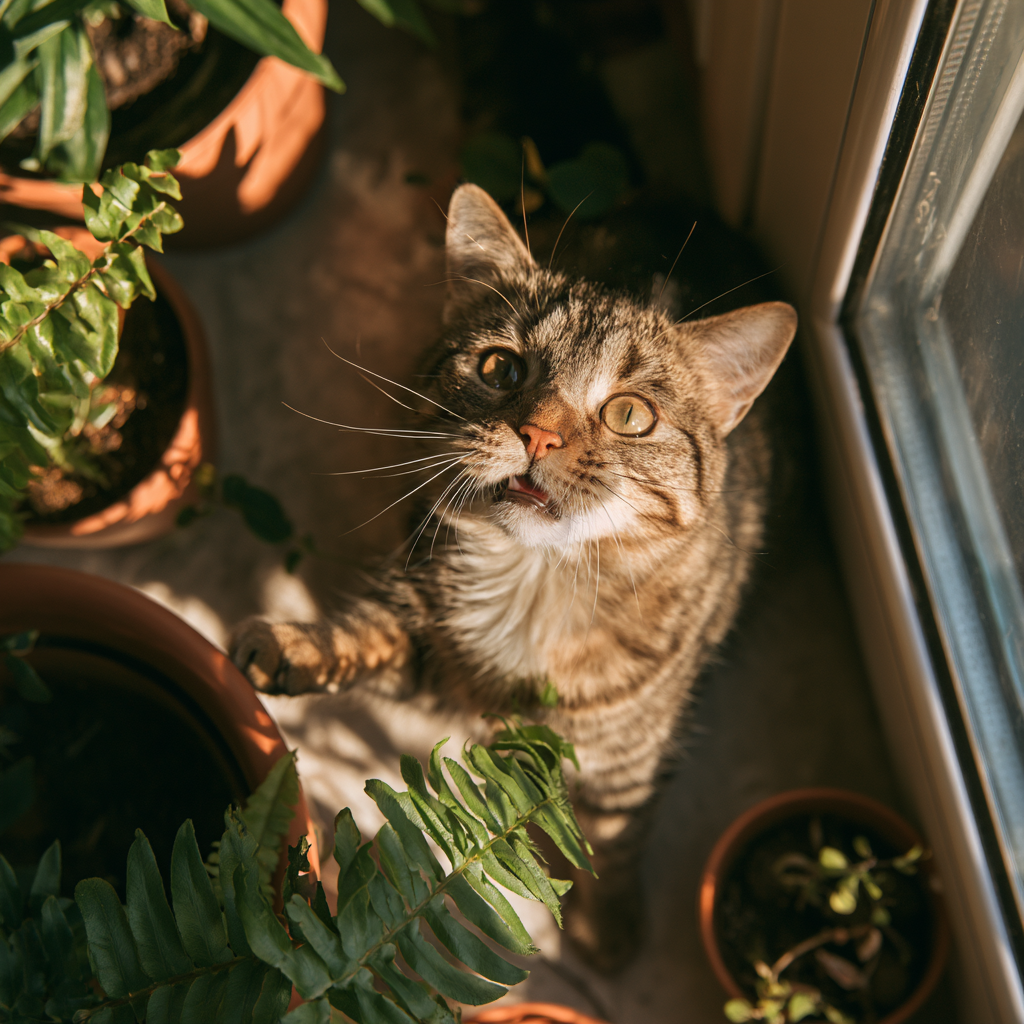
Cat Trilling Information: Understanding This Unique Sound
For cat owners curious about their feline companions, the sounds they make often evoke both fascination and confusion. Among the various vocalizations, cat trilling stands out as a unique expression, one that warrants deeper understanding. This article provides essential cat trilling information, helping you grasp the nuances of this intriguing behavior and how you can respond to it effectively.
Quick answer: Cat trilling is a unique vocalization characterized by a series of rapid, repeated sounds, often resembling a chirp. It serves various communication purposes, predominantly signaling a cat’s excitement, greeting, or playful mood. Responding appropriately can enhance your bond and understanding of your feline friend.
Introduction to Cat Trilling
What is cat trilling?
Cat trilling refers to a specific vocalization that is distinct from meows, purrs, or growls. Typically, it sounds like a combination of a chirp and a meow, featuring a short, rhythmic pattern. This sound can vary in pitch and intensity, often depending on the individual cat’s personality and emotional state. Cats may trill when interacting with their humans or other cats, and it is frequently associated with positive emotions or social engagement.
How is trilling different from other sounds?
Trilling sets itself apart from other cat vocalizations through its unique tone and context. For instance:
- Meowing: Generally serves as a direct communication with humans and can indicate needs like hunger or distress.
- Purring: Often signifies contentment but can also indicate discomfort in some situations.
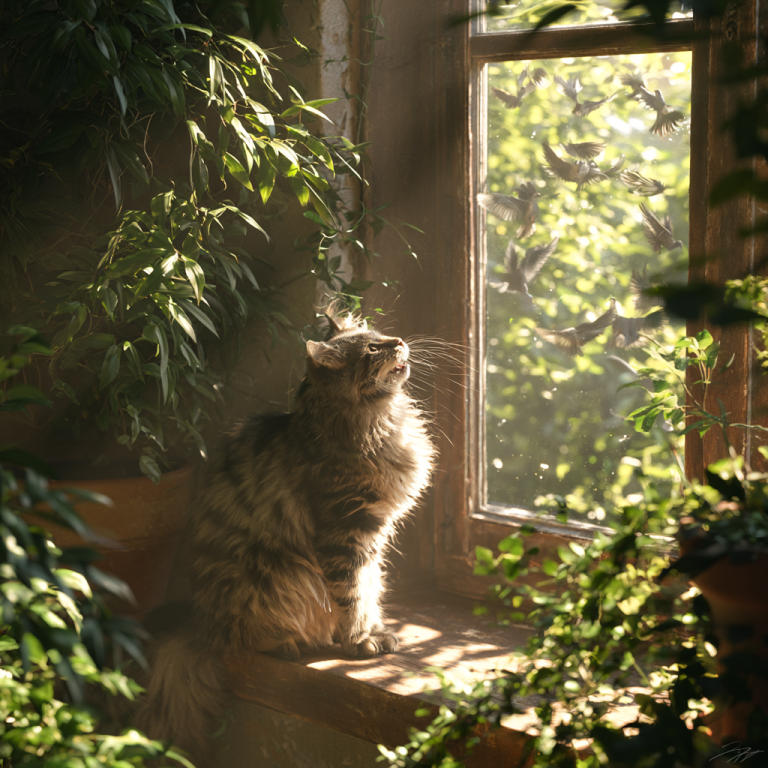
- Chirping or Chattering: Typically relates to hunting instincts, often occurring when a cat observes birds or other prey through a window.
Trilling combines elements of excitement and social connection, representing an engagement signal rather than a direct request or expression of discomfort. Understanding this distinction can help owners respond appropriately to their cat’s vocalizations.
Cat Trilling Information: Reasons Behind the Behavior
Understanding the communication purpose
The primary function of cat trilling is communication. Cats use trilling to express happiness, excitement, or to initiate social interactions with humans or other cats. This sound is often made during greetings, when a cat is excited to see their owner or during playtime, functioning as an invitation to engage. For situations where cats encounter each other, trilling can serve as a friendly signal, indicating a non-aggressive demeanor and suggesting mutual enjoyment of each other’s company.
Context and situations leading to trilling
While trilling generally signifies positive emotions, the specific context can provide additional insights into its meaning. Common situations where you might hear trilling include:
- Greetings: When you return home, your cat may trill as a lively greeting.
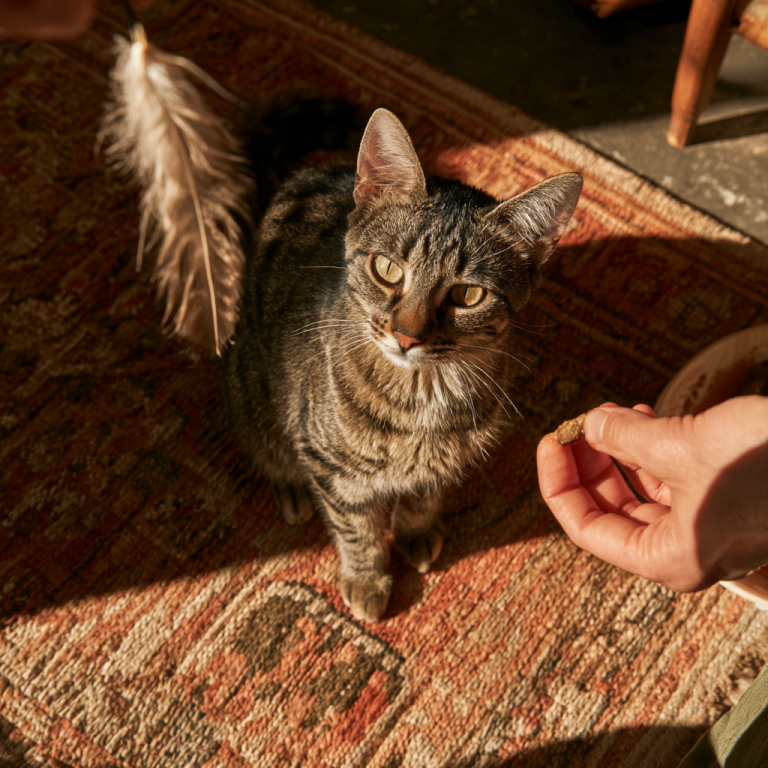
- Playtime: Engaging in play, especially with interactive toys, can elicit trilling as your cat expresses enthusiasm.
- Mother-Kitten Interaction: Kittens may trill to communicate with their mothers or siblings during their early development stages.
- Societal Engagement: Cats may trill when socializing with other cats, particularly when they are familiar with each other.
Recognizing these contexts helps cat owners respond appropriately, enhancing the bond with their pet by reciprocating playfulness or providing attention during greetings.
Trilling Throughout a Cat’s Life
Kittens and their early trilling
Kittens tend to start trilling around three to four weeks of age. During this stage, trilling serves as an important form of communication with their mother and littermates. For instance, when seeking attention or comfort, a kitten may emit trills to grab the mother’s attention, requesting food or warmth. This early vocalization is essential for their development, fostering relationships and strengthening their social skills.
As kittens interact with people and other animals, they may continue to use trilling as an engaging sound, practicing their communication skills. It’s common for new cat owners to encounter this joyful vocalization during playtime, reinforcing positive interactions.
Adult cats and trilling behavior
As cats mature, their trilling may evolve. Adult cats often use trilling alongside other vocalizations but may become more selective about when and how they trill. For instance, a mature cat may trill less frequently unless it wishes to communicate something specific or engage in play. They may also combine trills with other sounds, such as purring or chirping, to create a rich tapestry of communication.
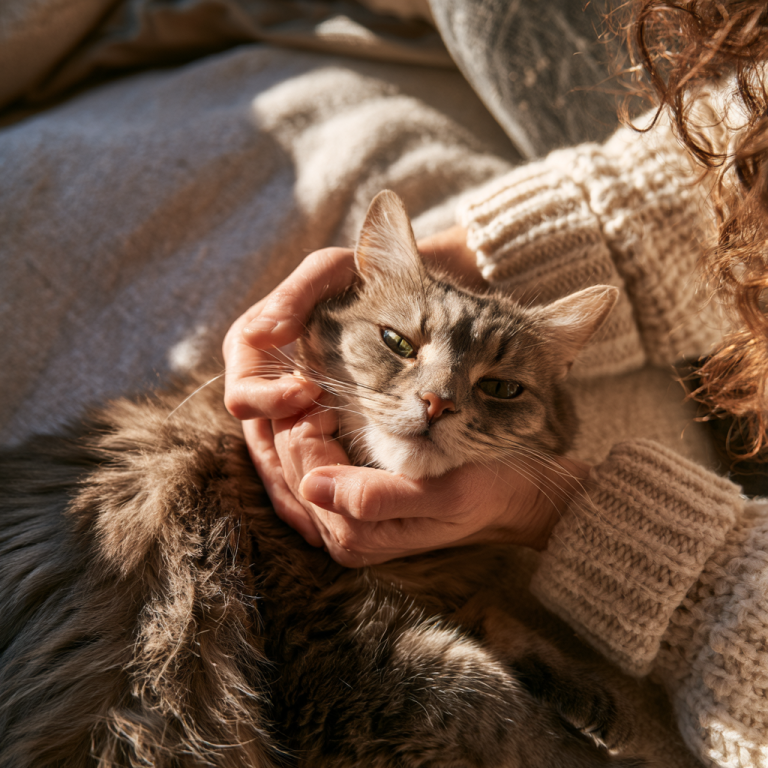
Moreover, social interactions become more nuanced in adult cats. The trilling of an adult cat may signal comfort and familiarity with their human companions or other pets, reflecting the established bonds formed over time. Owners should remain attentive to variations in their cat’s vocalizations as they age, noting changes in frequency or context, which can provide insights into their emotional health.
The Implications of Cat Trilling
Behavioral responses from humans and other cats
Humans can cultivate a deeper relationship with their cats by responding accurately to trilling. Here are some recommended actions:
- Reciprocal Communication: When your cat trills, respond with a gentle voice or similar trills to engage in a form of ‘conversation.’
- Play Engagement: If your cat trill indicates an invitation to play, grab their favorite toy and engage positively.
- Observation: Pay attention to your cat’s body language during trilling to understand better what they might want, whether attention, play, or simply enjoying your presence.
Additionally, other catsmay also respond positively to trilling. Trilling among cats serves as a way to promote social bonds, often leading to playful interaction or peaceful cohabitation.
Is frequent trilling a concern?
While trilling is generally a positive sound, frequent trilling might raise questions for pet owners. If a cat suddenly increases its trilling or it accompanies other unusual behaviors, such as signs of distress, agitation, or health concerns, it’s essential to monitor the situation closely. Changes in vocalization can indicate emotional unease, stress, or even physical discomfort. In these instances, it would be prudent to consult with a veterinarian to rule out underlying health issues.
When observing your cat’s behavior, look for a combination of factors, including changes in appetite, litter box habits, and overall demeanor. Effective communication in these moments will allow owners to address their cat’s needs promptly.
Frequently Asked Questions
What does it mean when a cat trills?
When a cat trills, it is using a unique vocalization that often indicates excitement, a greeting, or a request for attention. The specific meaning can vary based on the context in which the sound occurs.
Is cat trilling a sign of happiness?
While trilling may suggest a positive emotional state such as happiness or excitement, it is important to consider the context. The sound can also indicate other emotions or intentions depending on the situation.
How does trilling differ from purring?
Trilling is a quick, high-pitched sound that serves primarily as a communication tool, while purring is generally a sustained sound often associated with contentment. The two serve different purposes in feline communication.
When do cats trill?
Cats may trill in various situations, such as greeting their owners, during play, or when they want attention or food. The occurrence of trilling often signifies a desire for interaction.
Can all cats trill?
Most cats have the ability to trill, though some may do so more frequently than others. Individual personality traits and socialization experiences can influence the likelihood and frequency of trilling.
Do some breeds trill more than others?
While there is no definitive rule that certain breeds trill more than others, some breeds known for being more vocal may exhibit trilling as part of their communication style. However, individual temperament and experiences play a larger role in vocalization behavior.
What should I do if my cat trills frequently?
If your cat trills frequently, it’s advisable to observe the context and their overall behavior. If the trilling seems excessive or occurs in unusual circumstances, consulting with a veterinarian or an animal behaviorist can help determine if there is an underlying concern.
What should I do if my cat trills frequently?
If your cat trills frequently, it may be beneficial to observe the context in which the trilling occurs. This sound often indicates that your cat is trying to communicate or express excitement, so engaging with them during these moments can help strengthen your bond. If the trilling seems excessive or is accompanied by signs of distress, consulting with a veterinarian may be advisable.