Why Do Cats Purr? Understanding this Fascinating Behavior
Why Do Cats Purr? This fascinating behavior has intrigued pet owners and animal behaviorists alike. Purring can evoke a range of emotions, from comfort and contentment to curiosity and concern. Understanding the nuances of feline purring not only enhances our relationship with our cats but also provides insight into their well-being. Let’s explore the reasons behind this charming vocalization and what it means for our furry companions.
Quick answer: Cats purr for various reasons, including expressing contentment, seeking comfort, and communicating with their humans and other felines. While often associated with happiness, purring can also occur in stressful situations, highlighting the complexity of this behavior.
Why Do Cats Purr? An Overview
Understanding the Basics of Cat Purring
Purring is a unique vocalization typically produced by domestic cats and some wild felines as well. The sound itself is created by the rapid contraction and relaxation of the muscles within the larynx, which coincides with the movement of air across the vocal cords. This mechanical process results in the soft, vibrating sound that many associate with a peaceful, content cat. However, to fully appreciate why cats purr, we need to delve deeper than just the sound. It serves multiple purposes in feline behavior, acting as a form of communication, a stress-relief mechanism, and even a healing signal.
The Science Behind Purring Mechanisms
The physiological process behind purring is quite remarkable. It involves a neural oscillator in the cat’s brain that sends a repetitive signal to the laryngeal muscles, causing them to quickly twitch and create the sound of purring. This phenomenon typically occurs at a frequency range of 25 to 150 Hertz, promoting a calming effect that can offer significant health benefits. Understanding this mechanism further illustrates how purring is not merely a sign of happiness or relaxation but a complex behavior influenced by various factors, including the cat’s emotional state, environment, and even the presence of other animals or humans.
Reasons for Purring
Purring as a Sign of Contentment
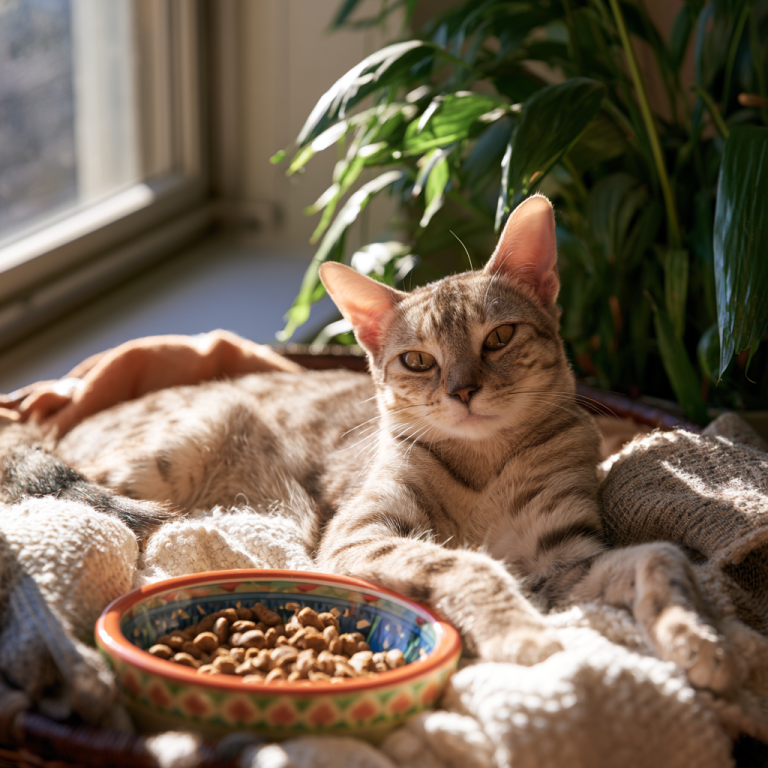
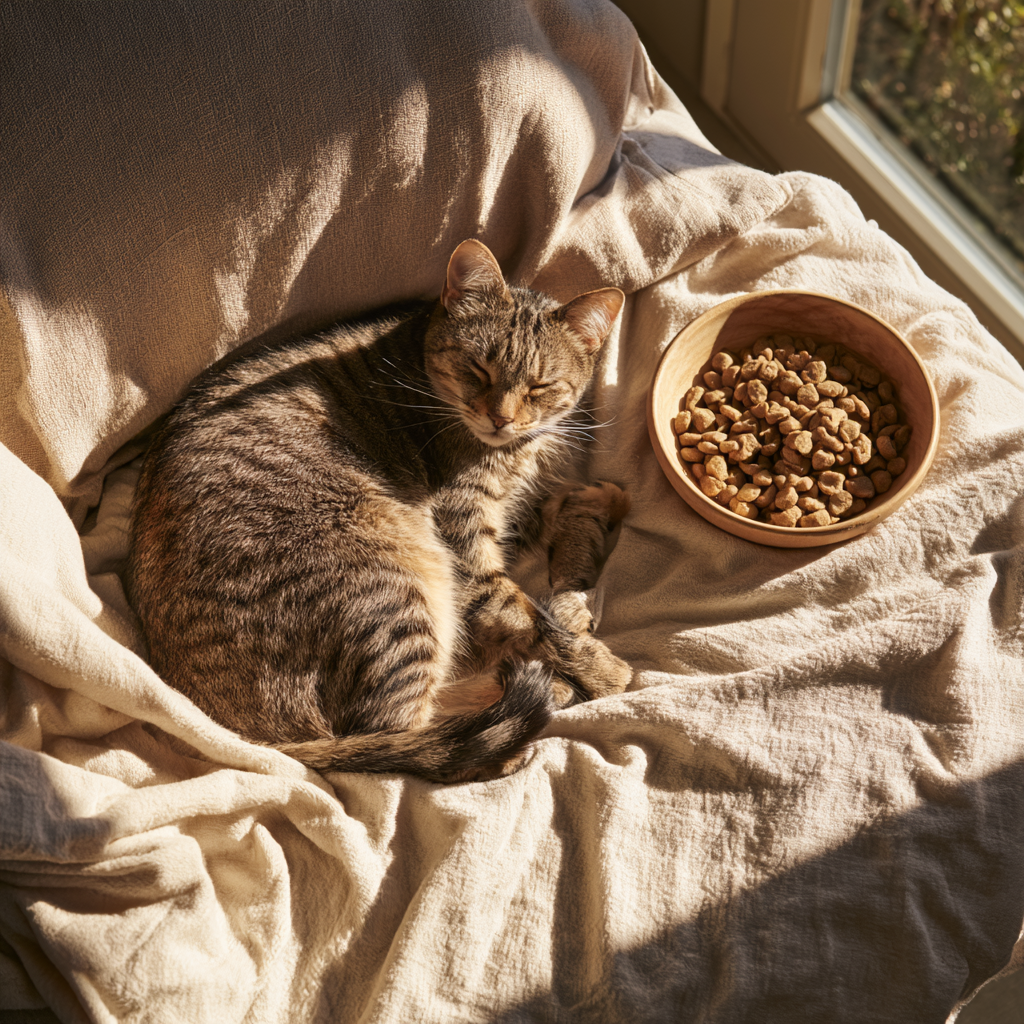
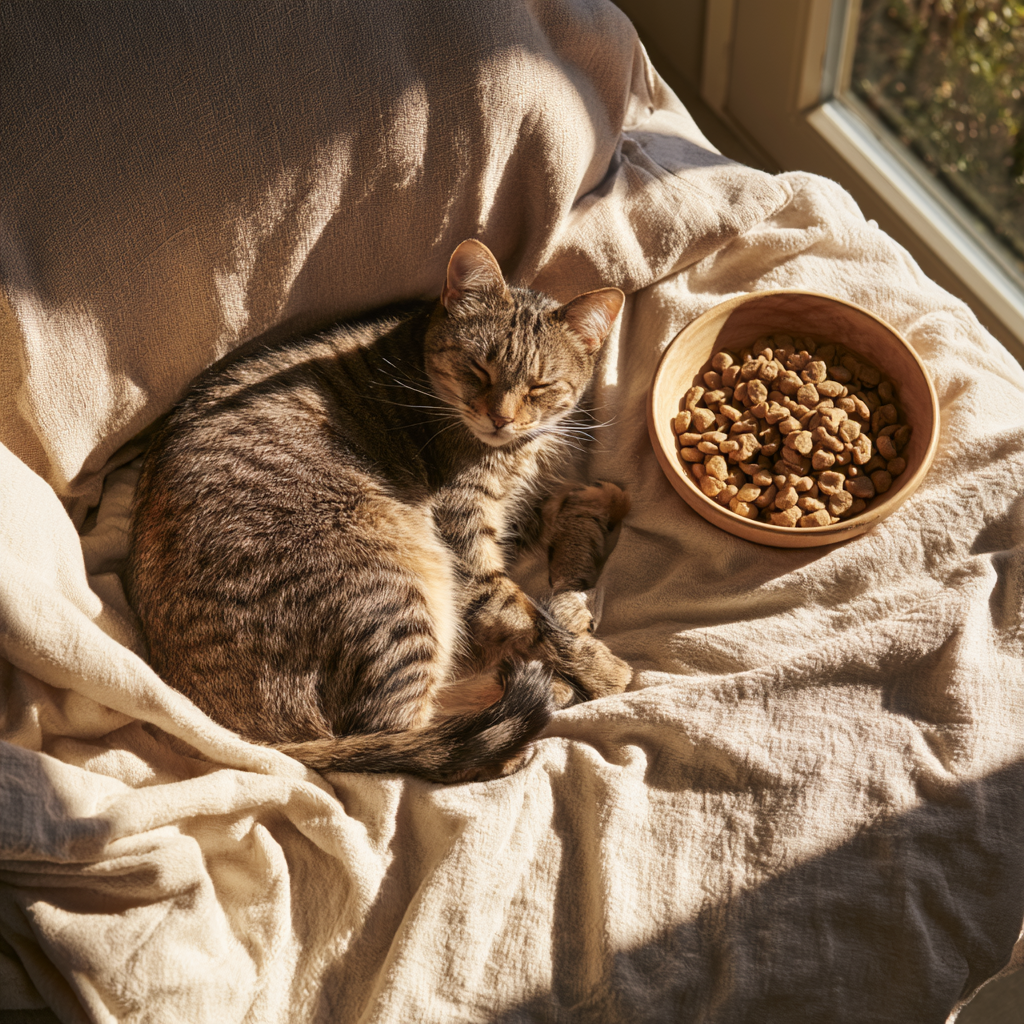
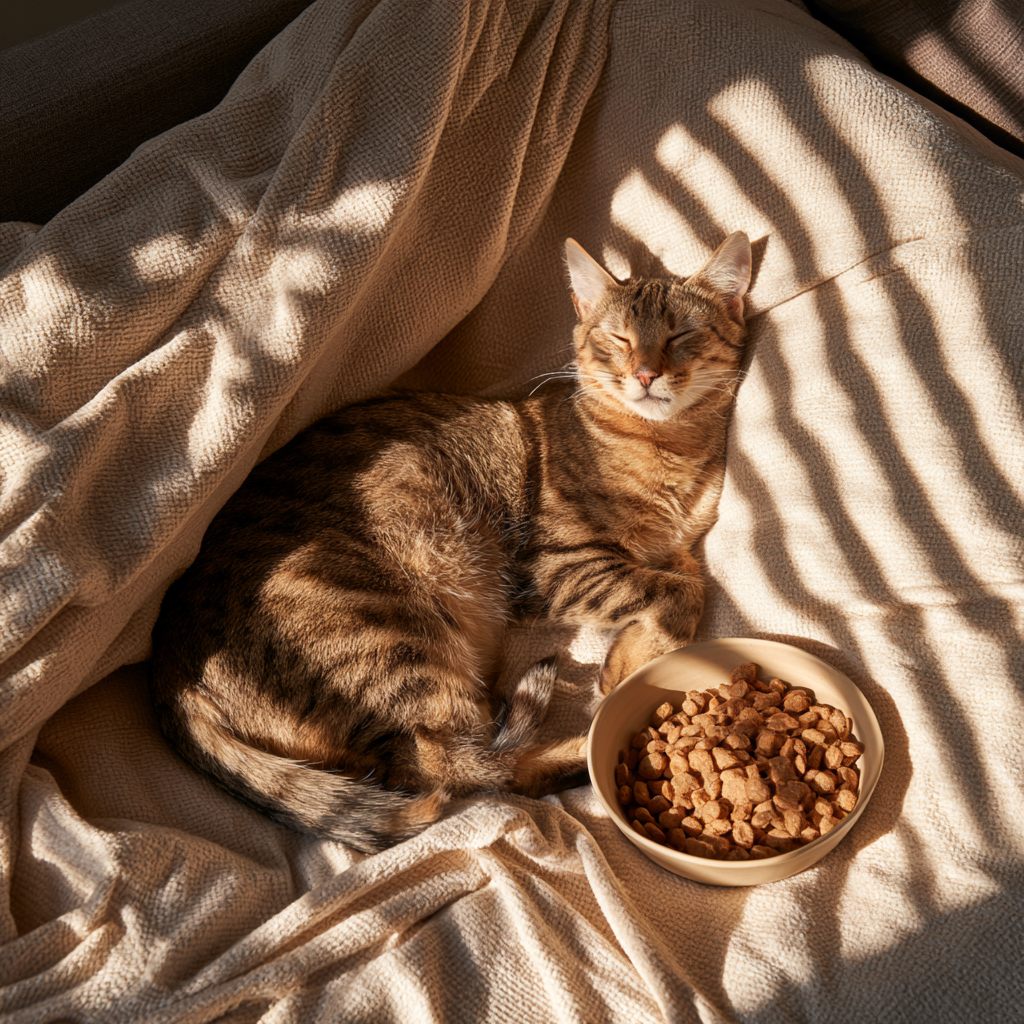
One of the most widely recognized reasons for cat purring is as an indicator of contentment. This behavior often arises in pleasurable situations, such as when a cat is curled up on a cozy lap, enjoying a gentle stroke, or basking in the warm rays of sunlight streaming through a window. During these moments, the rhythmic sound signifies relaxation and happiness. However, the context is crucial; just because a cat is purring does not guarantee that it is entirely comfortable. It’s essential to pay attention to the overall body language, such as a relaxed posture, semi-closed eyes, and a still tail, to interpret a cat’s emotional state accurately.
Purring During Stress or Pain
Interestingly, purring may also surface when a cat is experiencing stress, anxiety, or discomfort. In these cases, purring could serve as a self-soothing mechanism, helping the cat to alleviate its emotional pain. For example, a cat may purr during a vet visit or when recovering from an injury, which can confuse pet owners who equate purring with pleasure. It’s vital to observe accompanying body cues, such as flattened ears, dilated pupils, or a tense posture, indicating that the cat may not be entirely at ease. In these situations, the presence of purring acts as a reminder for owners to carefully monitor their cat’s health and well-being.
Purring for Communication with Humans and Other Cats
Purring is not only a signal of a cat’s internal state but also a means of communication. Cats often purr to interact with their human companions, conveying both affection and a desire for attention. Some studies suggest that certain purring patterns might be designed to elicit a response from humans, effectively prompting owners to provide food or affection. Additionally, cats may purr while interacting with other felines, signaling a friendly demeanor. However, keep in mind that while purring can indicate closeness and interaction, other vocalizations and body language should be taken into account for a complete understanding of the message being communicated.
Health Benefits of Purring
The Healing Properties of Purring
Research has indicated that the frequency of purring may bear therapeutic properties. Frequencies between 25 and 150 Hertz, which are typical of cat purring, have been associated with various health benefits, including promoting healing in bones and tissues. This phenomenon could contribute to a cat’s quicker recovery from injuries or surgeries. Furthermore, cat purring may enhance overall well-being by reducing stress not only in the cat itself but also in humans nearby. Many cat owners notice a calming effect when listening to their cat purr, which further reinforces the bond between feline and owner.
Purring and Emotional Support
Beyond physical healing, purring can serve as an emotional support mechanism for both cats and their human companions. The soothing sound often has a calming effect on those nearby, potentially reducing anxiety and promoting relaxation. Many individuals find comfort in the rhythmic sound of purring, especially during times of distress. Thus, when a cat chooses to purr in close proximity to a person who is upset, it may be instinctively offering emotional support. This reciprocal relationship highlights the importance of understanding purring as a multifaceted behavior within our shared experiences with cats.
Situations That May Cause Purring
Purring in Different Environments
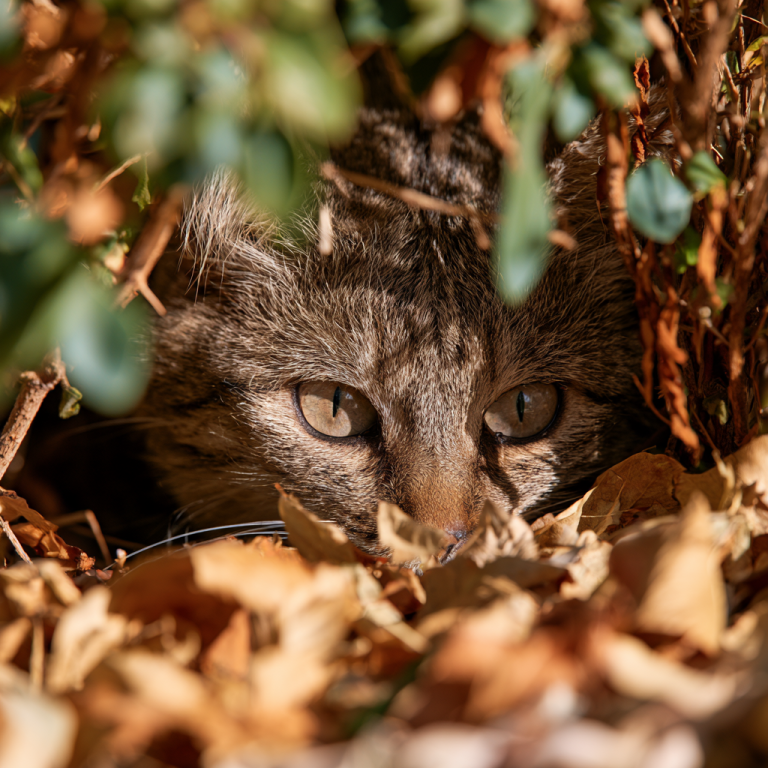
Cats have unique personalities and preferences that can influence their purring in varying environments. In a calm, familiar setting, a cat is more likely to purr freely, particularly when feeling safe and comfortable. Conversely, in new or stressful environments, such as vet clinics or unfamiliar homes, purring might serve as a coping mechanism. It’s useful for owners to be aware of their cat’s surroundings and how these may influence their behavior. For example, if your cat purrs while hiding under the bed, it may be both a sign of seeking comfort and a response to feeling threatened. Understanding the nuances of their purring within different contexts can give us valuable insight into their emotional state.
Purring Between Cats vs. Purring with Humans
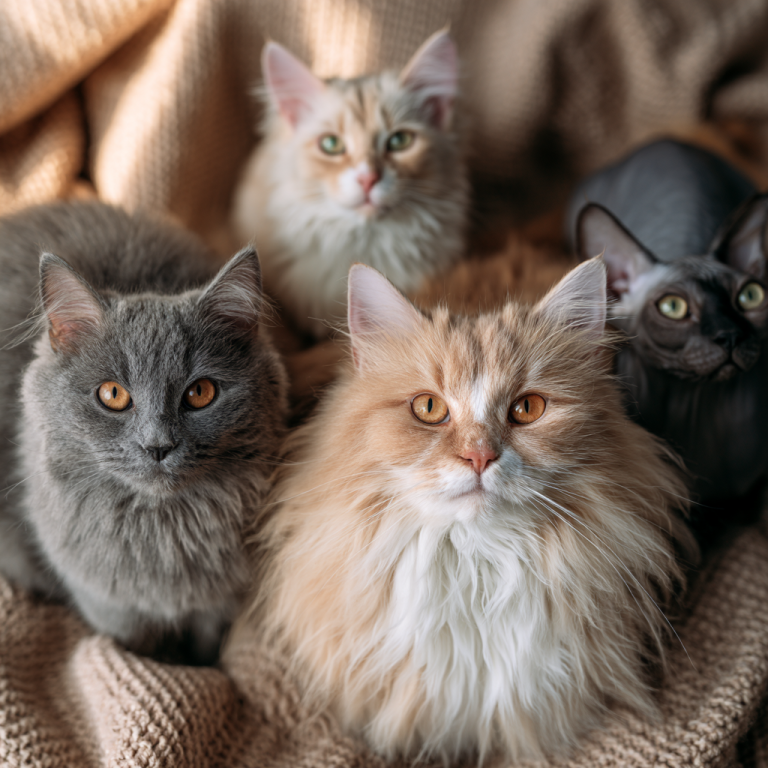
The dynamics of purring can vary significantly depending on whether a cat is interacting with another feline or with humans. When purring occurs between cats, it can indicate a sense of familiarity and comfort, often seen during grooming or play. In these cases, purring helps reinforce social bonds within a multi-cat household. However, when a cat purrs with people, it often serves a communicative function aimed at engaging their human counterparts. This may manifest as a request for attention or affection, bridging the interpretative gap between species. Observing how your cat interacts with others versus with you can enhance your understanding of their purring behavior.
Understanding why cats purr encompasses recognizing the layers of this seemingly simple behavior. From contentment to communication, purring remains a vital aspect of feline life that extends beyond mere sound. By observing the context and accompanying signals in your cat’s behavior, you can better interpret what their purring truly means and respond accordingly. Deepening this understanding contributes not only to your cat’s quality of life but also fosters a stronger bond between you and your feline friend.
Frequently Asked Questions
What does it mean when a cat purrs?
When a cat purrs, it can signal a range of emotions, including happiness, contentment, or even stress and discomfort. Understanding the context of the situation is crucial to interpreting a cat’s purring accurately.
Can cats purr when they’re sick?
Yes, cats can purr when they are sick or in pain. This behavior might indicate that they are trying to soothe themselves or communicate their state to their owners.
Do cats purr to calm themselves?
Cats often use purring as a self-soothing mechanism during stressful or painful situations. This behavior can promote relaxation and serve as a way to cope with discomfort.
Are there different types of purring?
While the basic sound of purring remains consistent, cats may modulate their purring based on emotional context, such as purring more softly in a relaxed state and more rapidly when anxious or seeking attention.
Why do cats purr while sleeping?
Cats may purr while sleeping as a continuation of self-soothing or as a reflex that occurs during relaxation. This behavior can help maintain comfort or signify contentment in their resting state.
How can I tell if my cat’s purring is a sign of distress?
To determine if purring indicates distress, observe your cat’s body language for signs such as tense muscles, flattened ears, or a hunched posture. Such cues, in combination with the purring, could suggest that the cat is not entirely comfortable.