White Scottish Cat: Characteristics and Care Insights
The white Scottish cat is a charming breed known for its striking appearance and affectionate nature. Their regal look, combined with their endearing personality, makes them a popular choice among cat lovers. In this article, we’ll explore the distinctive characteristics, personality traits, health considerations, grooming needs, and dietary requirements that are crucial for keeping your white Scottish cat healthy and happy.
Quick answer: The white Scottish cat is notably characterized by its luxurious white fur and rounded facial features. To care for them effectively, focus on regular grooming, a balanced diet, and routine veterinary check-ups.
Physical Characteristics of White Scottish Cats
Distinctive white fur
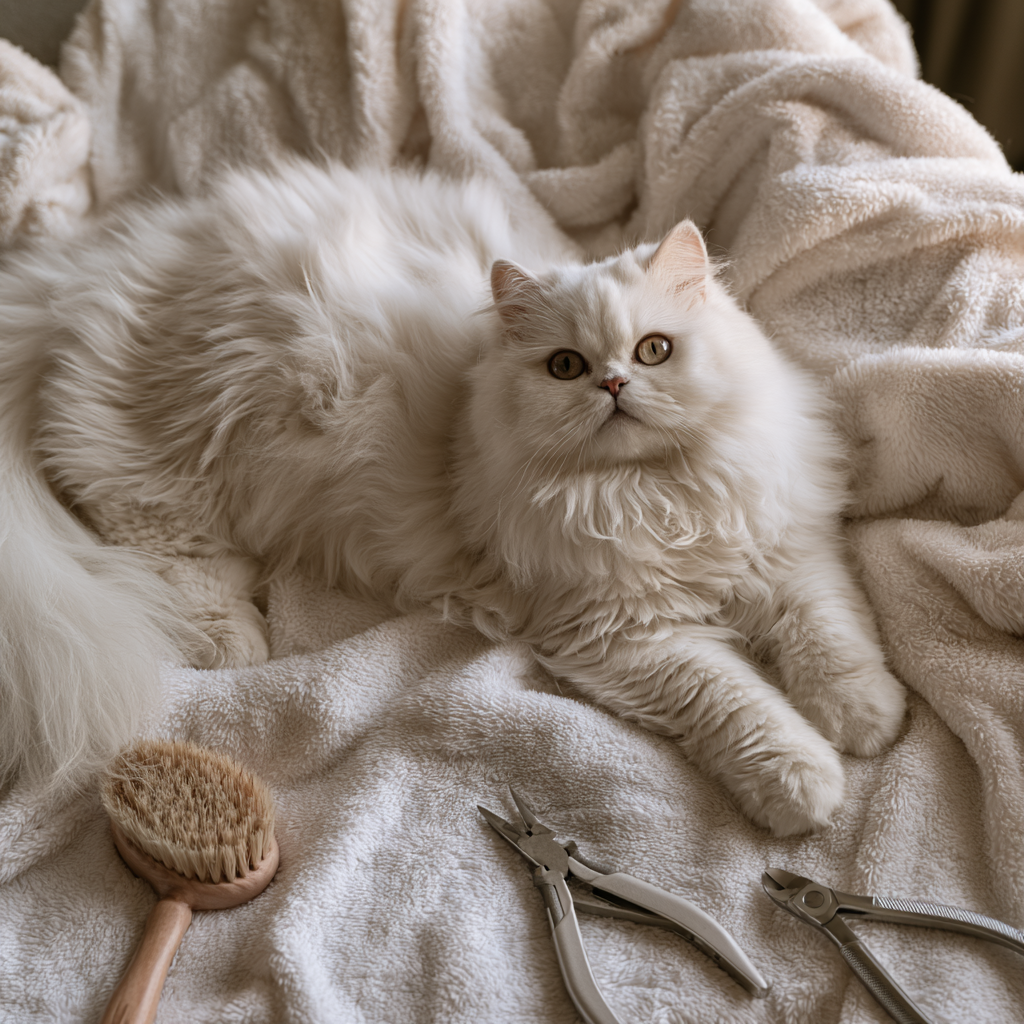
One of the most striking features of the white Scottish cat is its pristine, dense fur. This breed boasts a soft and plush coat that ranges from short to semi-long, while the iconic white color can come from a genetic mutation typical for these cats. This beautiful fur not only adds to their attractiveness but also makes them comfortable when snuggling up with their favorite humans. Some white Scottish cats may even have faint tabby markings, which can be more prominent in certain light conditions but usually remain subtle. It’s essential to check for any discoloration, which can indicate health issues.
Body structure of Scottish cats
White Scottish cats, like their colored counterparts, have a distinctive body structure. These cats typically possess a round face with large, expressive eyes, which can be copper or blue depending on their lineage. Their ears are medium-sized and rounded, adding to their overall facial softness. The body is robust and stocky, giving them a sturdy appearance. Adults generally weigh between 6 to 13 pounds, depending on their genetic background and diet. Their paws are large and rounded, contributing to their remarkable agility despite their solid build.
Unique Personality Traits of the White Scottish Cat
Temperament details
The white Scottish cat is often known for its calm and friendly temperament. They have a gentle demeanor that makes them excellent companions for families, singles, and seniors alike. Many are noted for being somewhat reserved at first but warm up quickly to their human families. They tend to bond closely and seek interaction with their owners, showing affection in various ways, such as gentle head-butts or curling up in laps. Each cat is unique, so while some may be more playful and energetic, others may prefer a quieter lifestyle, making it essential to observe your cat’s individual preferences.
Social behaviors and interaction
Socially, the white Scottish cat often enjoys the company of both humans and other pets. They tend to be adaptable, displaying an ability to engage in playful antics while also valuing their alone time. To foster healthy social behaviors, it’s advised to introduce them gradually to new situations or pets, observing their reactions. Enjoying interactive games, such as fetching small toys or chasing laser pointers, can help enhance their social nature. Encouraging healthy interactions and providing a safe environment allows them to thrive, ensuring that they feel secure and engaged.
Health Considerations for a White Scottish Cat
Common health issues
Like all breeds, white Scottish cats can be prone to specific health issues. One of the more notable concerns for this breed is hypertrophic cardiomyopathy (HCM), a condition that affects the heart muscle and can lead to serious complications if not monitored. Additionally, they may be vulnerable to obesity and dental diseases, both of which can be exacerbated by lifestyle factors such as diet and exercise. It’s crucial for cat owners to monitor their pet’s weight and engage them in regular activity to promote overall health.
Preventive care practices
Regular veterinary check-ups and vaccinations are essential preventive measures for ensuring the long-term health of your white Scottish cat. Daily dental care, including brushing their teeth and incorporating dental treats, can help mitigate oral health issues. Furthermore, keeping an eye on any unusual behaviors or symptoms—such as changes in appetite, lethargy, or unusual scratching—can provide important insights into potential health problems that may require professional assessment.
Grooming Tips for White Fur
Brushing techniques
Maintaining the beautiful white fur of your Scottish cat requires a regular grooming routine. It is generally recommended to brush their fur at least once a week to prevent mats and remove loose hair. Use a slicker brush or a comb specifically designed for cats to efficiently work through any tangles while being gentle on their skin. During shedding seasons, increasing the frequency of grooming to two or three times a week can be beneficial. Observe your cat’s reaction and adjust grooming techniques as needed to ensure they are comfortable.
Bathing frequency and tips
Bathing a white Scottish cat is a more contentious issue. In most cases, they do not require frequent baths and can be kept clean through regular brushing. However, if your cat gets into something particularly messy or has a strong odor, a bath may become necessary. If you decide to bathe your cat, ensure you use cat-specific shampoo to avoid skin irritations and keep the water lukewarm. Prepare the bathing area ahead of time to ensure a smooth experience—having treats, towels, and a calm environment can ease the process. Always observe your cat’s stress levels, as forcing a bath when they are uncomfortable can lead to negative associations.
Best foods for coat health
A balanced diet plays a crucial role in maintaining the health of your white Scottish cat’s coat. Look for high-quality cat food that includes essential fatty acids, such as Omega-3 and Omega-6, which promote healthy skin and a shiny coat. Ingredients such as fish oil, chicken, and flaxseed are advantageous for maintaining fur quality. Grain-free diets can also be beneficial, as some cats may have sensitivities to grains that could affect their coat’s condition. Consulting with a veterinarian for personal dietary recommendations tailored to your pet’s specific needs is always advisable.
Supplements to consider
In addition to a healthy diet, certain supplements can aid in maintaining coat health for your white Scottish cat. Options like fish oil capsules can boost levels of Omega fatty acids, contributing to a lustrous coat and minimizing dry skin. Biotin is another supplement that may help promote fur vitality and support overall skin health. However, introducing any new supplements should be done cautiously and preferably under the guidance of a veterinarian, ensuring they are appropriate for your cat’s individual health profile.
Frequently Asked Questions
What are the characteristics of a white Scottish cat?
White Scottish cats are characterized by their luxurious white fur, round faces, large expressive eyes, and robust body structure. Their dense coat can vary from short to semi-long, and they often appear regal due to their slightly rounded features.
How to care for a white Scottish cat?
Caring for a white Scottish cat involves regular grooming to maintain their coat and monitor for any discoloration, providing a balanced diet, engaging in regular veterinary visits, and offering enriching social interactions to promote their well-being.
Do white cats have special grooming needs?
White cats, including Scottish breeds, may require special attention to their grooming to manage potential matting and maintain coat cleanliness. Their white fur can also easily show dirt or stains, requiring regular brushing and occasional bathing, based on individual circumstances.
What is the lifespan of a Scottish Fold cat?
The general lifespan of a Scottish Fold cat is typically between 12 to 15 years, but many can live even longer with proper care. Factors such as diet, exercise, and regular veterinary check-ups can significantly influence their longevity.
Are white Scottish cats prone to health issues?
White Scottish cats can be prone to specific health issues, including hypertrophic cardiomyopathy and dental disease. Preventive care and regular veterinary visits are essential for early detection and management of any potential health concerns.