Cat Coat Patterns: Understanding the Variations and Their Meanings
Cats are known for their elegant movements, playful antics, and diverse personalities, but one of the most striking aspects of our feline companions is their coat patterns. Cat coat patterns refer to the various designs and arrangements of colors and markings on their fur, making each cat a unique canvas of artistry. Understanding cat coat patterns not only enhances our appreciation for these animals but also gives us insight into their breed, genetics, and sometimes even their personalities.
Quick answer: Cat coat patterns are unique arrangements of colors and markings found on cats’ fur. They can vary widely, influencing breed identification and possibly correlating with certain personality traits, although the latter is more anecdotal than scientifically established.
An Overview of Cat Coat Patterns
What defines a cat coat pattern?
Cat coat patterns are defined by the arrangement of colors on the cat’s fur, encompassing a range of styles, from solid colors to intricate multicolored designs. These patterns result from the interaction of genetics, where specific genes control color expression and distribution. While basic colors like black, white, blue, cream, red, and brown are fundamental, the combination of these shades, along with patterns like stripes, spots, and patches, creates the stunning variety we see in cats today.
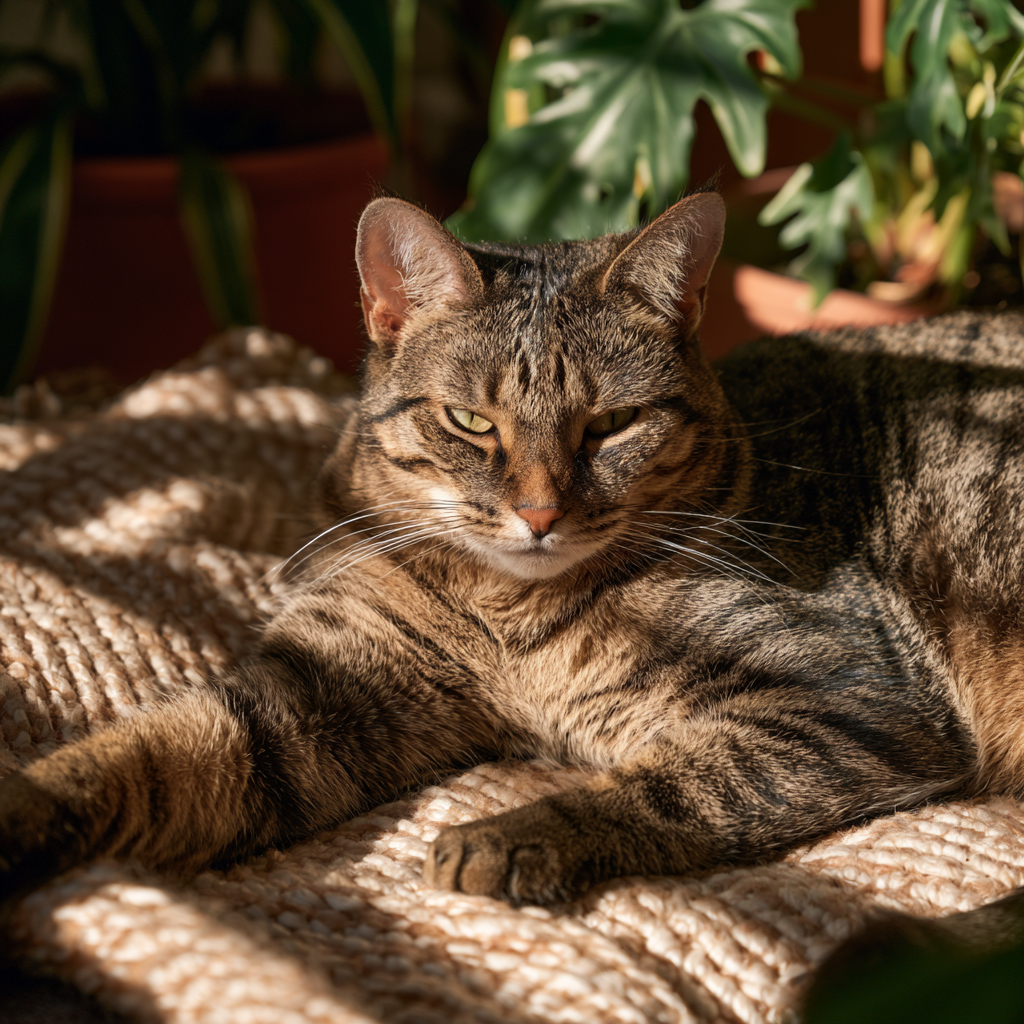
Furthermore, how these colors are distributed can lead to a range of patterns such as tabby, bi-color, tortoiseshell, calico, and more. Each pattern holds its own distinctive characteristics. For instance, a tabby cat typically exhibits stripes or swirls, while a tortoiseshell cat features a mix of patchy colors, often in a mottled fashion. These features not only contribute to a cat’s visual appearance but may also play a role in how they are perceived socially and in cat shows or breeding contexts.
Common types of coat patterns in cats
Several common patterns can be found among cat coats. Here’s a breakdown:
- Solid: Uniform in color without patterns, includes all the basic colors.
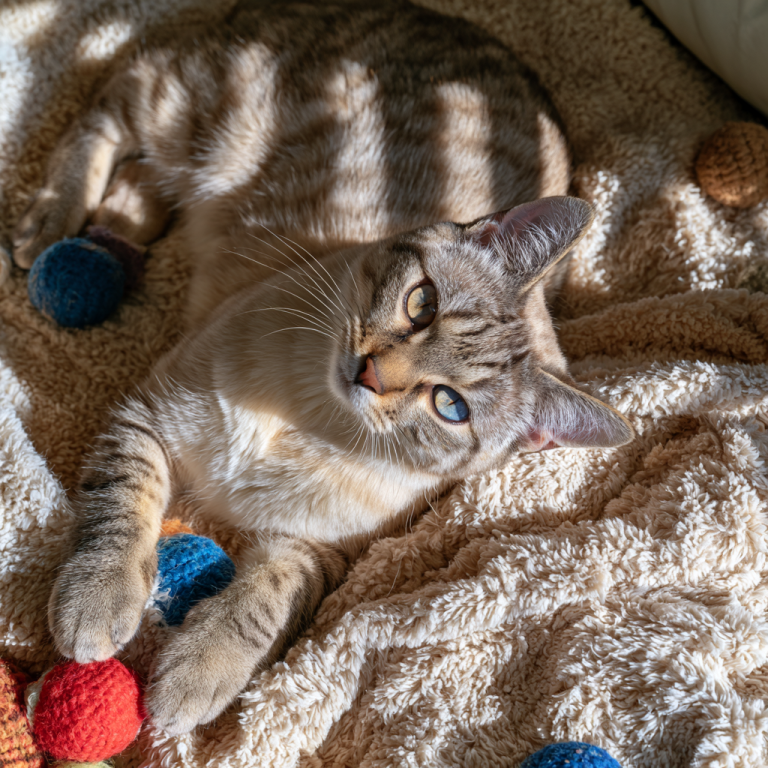
- Tabby: Characterized by stripes, spots, or a swirling pattern. Types include classic (swirls), mackerel (thin stripes), and spotted.
- Bi-color: A combination of two distinct colors, often with one being white. Common combinations are black and white or gray and white.
- Tortoiseshell: A mottled mix of black and orange (or their diluted forms) without any white.
- Calico: Similar to tortoiseshell but includes white, typically with specific color distributions — predominantly three colors: white, black, and orange.
- Pointed: Found in breeds like Siamese, where color is concentrated at the extremities: ears, paws, and tail.
Understanding these patterns not only enhances our appreciation of the aesthetics of our feline friends but can also aid in breed identification and potential personality insights.
Exploring Cat Coat Patterns and Their Implications
How cat coat patterns relate to breed identification
Many cat breeds exhibit specific coat patterns that can aid in their identification. For example, the Siamese is known for its pointed pattern, while the British Shorthair typically has a plush, solid coat with varied colors. Breeds like the Bengal often showcase wild-looking spots or rosettes akin to those of a leopard.
Cat fanciers and breeders utilize coat patterns to differentiate between breeds and ensure that they meet breed standards. This observation is especially helpful during cat shows, where judges evaluate characteristics ranging from physical appearance to coat patterns. However, individual cats may not perfectly align with breed categorizations; many mixed-breed cats possess unique blends of patterns that make them equally charming.
However, it’s essential to note that appearance alone does not define a cat’s lineage or behavior. While coat patterns can provide hints about a cat’s breed, understanding an individual cat’s personality, temperament, and history is crucial, regardless of its outward appearance.
The impact of coat patterns on personality
The relationship between coat patterns and personality traits is a topic of ongoing interest, yet it’s largely anecdotal. Someowners and enthusiasts may suggest that certain colors or patterns correlate with specific behavioral tendencies, such as playfulness or aloofness. For example, some people believe that calico cats are generally more independent and lively, while solid black cats may be more laid-back and affectionate.
However, scientific evidence supporting these claims remains limited, as factors such as individual history, environmental surroundings, and socialization play a significant role in shaping a cat’s personality. It is essential to consider each cat’s unique experiences and temperament rather than making broad assumptions based solely on its coat pattern.
Observations over time can help us better understand our cats. Interacting with them in different environments, providing social opportunities, and paying attention to their reactions can lead to more accurate insights into their behavioral tendencies and preferences.
The Genetics Behind Cat Coat Patterns
How genetics influence coat colors and textures
Genetics plays a fundamental role in determining a cat’s coat colors and textures. The color and pattern of a cat’s coat are influenced by various genes located on chromosomes. These genes control the type of melanin produced and how it is distributed, leading to the wide variety of colors and patterns we observe in domestic cats.
For instance, the “B” gene determines black pigment, while the “b” gene results in brown. The “O” gene expresses orange and can impact the presence of tabby patterns. Many genes are involved in producing specific color variations or influences, known as modifiers. Due to this complexity, predicting the exact coat of a future feline can be quite challenging.
Pet owners interested in understanding their family cat’s genetics can easily start by exploring their family history, which may reveal potential patterns. Genetic tests are increasingly available and can identify specific traits, including coat color and predispositions to certain health conditions.
Mutations responsible for unique patterns
Certain coat patterns can be attributed to genetic mutations, which may lead to unique designs and pigmentation in cats. For example, the presence of the “white spotting” gene can produce bi-color or harlequin patterns, while mutations in the “S” gene can cause the Siamese point coloration. Each mutation has the potential to contribute to our understanding of breed development and diversification in domestic cats.
Moreover, more recently identified mutations can lead to rare patterns, such as the classic “ticking” in breeds like Abyssinians, where each hair has bands of color. This mutation offers a unique look that can also hint at the cat’s ancestry and breeding background.
As we continue to study feline genetics, our understanding of how these mutations influence coat patterns increases, and this knowledge can help pet owners better appreciate their cats’ unique appearances.
Uncommon and Rare Cat Coat Patterns
Understanding rare coat patterns
Across the feline world, certain coat patterns stand apart, both in rarity and visual appeal. Rare coat patterns can include traits like the Tibetan cat’s “spotted tabby,” the “shell” pattern seen in specific breeds like the American Shorthair, or even breeds that come with distinct color distributions like the Lykoi, which showcases a partially hairless coat. Each rare pattern often involves specific genetic markers, making them fascinating to study and appreciate.
Additionally, the “Chinchilla” coat pattern features a shimmering silver appearance due to the tips of the hair being colored in a distinct manner, creating a sparkling effect. Such distinct traits often come with a history that accentuates their uniqueness, underscoring the intricate relationship between genetics and appearance.
Pet owners who wish to identify or understand more about a unique coat pattern can consider consulting feline breed registries or genetic testing services that specialize in understanding the traits and lineage of cats.
Famous breeds and their distinct coat patterns
Many cat breeds are renowned for their unique and identifiable coat patterns that set them apart from others. Here’s a look at some famous breeds along with their respective patterns:
| Breed | Coat Pattern | Notable Colors |
|---|---|---|
| Siamese | Pointed | Seal, Blue, Chocolate, Lilac |
| Maine Coon | Tabby, Bi-color | Classic, Mackerel, Torbie |
| Scottish Fold | Solid, Tabby | All colors, often with folded ears |
| British Shorthair | Solid, Tabby, Bi-color | Blue, Black, Cream, Red |
| Bengal | Spotted, Marbled | Brown, Snow, Silver |
Recognizing these breeds and their patterns can facilitate crucial discussions around breed-specific care requirements, health concerns, and overall compatibility when choosing a feline companion. This knowledge is essential not only for pet owners but also for anyone involved in cat breeding or showcasing.
Understanding the vast array of cat coat patterns unveils the intricate interplay between genetics, breed identification, and even behavior. Each cat carries a story within the unique canvas of their coat, reflecting the diversity and beauty of feline companionship.
Frequently Asked Questions
What are the common cat coat patterns?
Common cat coat patterns include tabby, solid, bicolor, calico, tortoiseshell, and Himalayan. Each pattern is defined by its unique coloration and arrangement, offering various aesthetic appeals.
How do cat coat patterns indicate their breed?
Certain cat breeds are known for specific coat patterns, which can aid in breed identification. Understanding these associations helps potential pet owners recognize breed traits and characteristics.
Can a cat’s coat pattern affect its personality?
While some people believe certain coat patterns, like tortoiseshell, may be linked to specific personality traits, this remains largely anecdotal. Individual temperament and upbringing often play a more significant role in determining a cat’s behavior.
Why do some cats have unique coat patterns?
Unique coat patterns can arise from genetic mutations, such as chimerism or leucism. These mutations can create striking and uncommon appearances that set certain cats apart from typical patterns.
How can I determine my cat’s breed based on its coat?
To determine your cat’s breed based on its coat, observe its unique pattern in conjunction with other physical traits and behaviors typical of specific breeds. This examination can provide clues about your cat’s lineage.