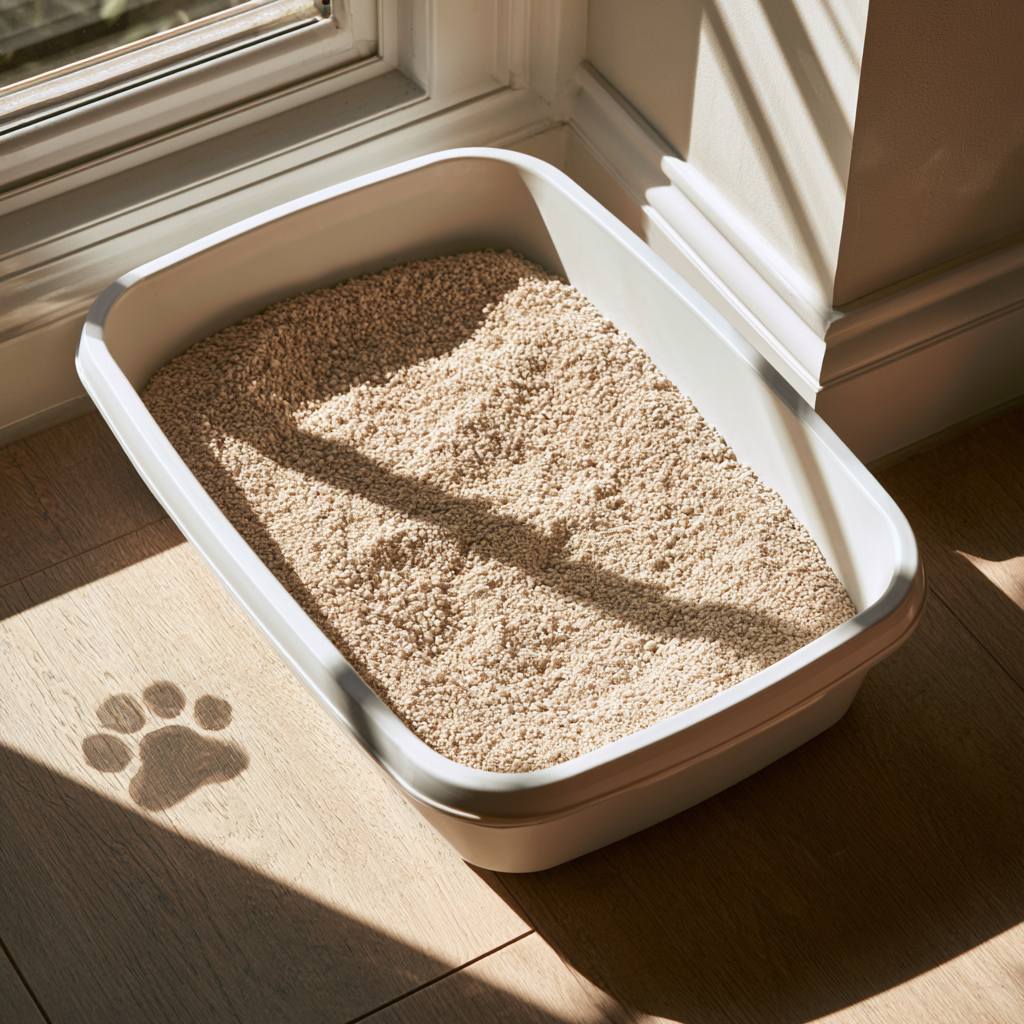
How Often Should You Clean a Cat’s Litter Box?
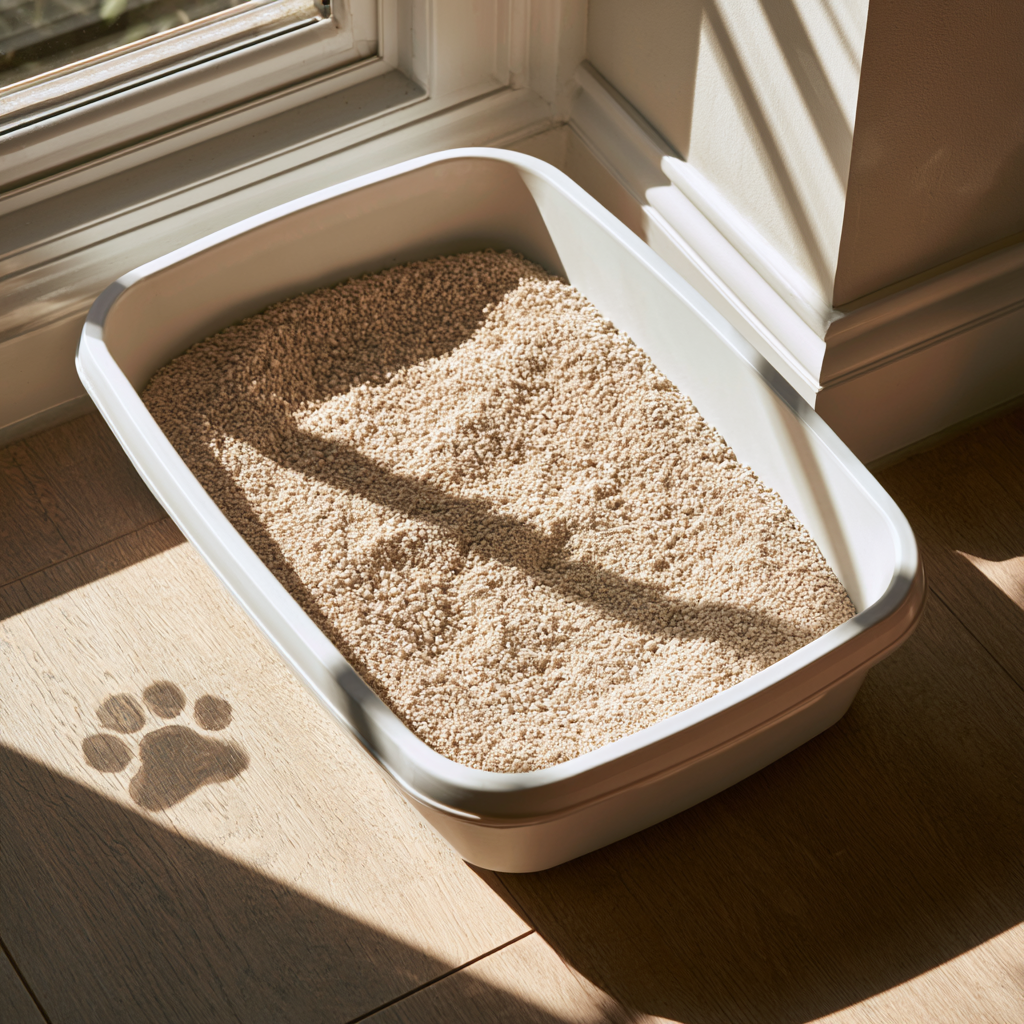
How Often Should You Clean a Cat’s Litter Box? This is a common question among cat owners who want to ensure their pets maintain a healthy and comfortable environment. Regular cleaning not only promotes hygiene but also supports your cat’s well-being by preventing potential behavioral issues. Let’s explore the ideal cleaning frequency alongside best practices for litter box maintenance.
Quick answer: Ideally, you should scoop your cat’s litter box daily and change the litter completely every 1-2 weeks. However, this can vary based on the number of cats and the type of litter used.
How Often Should You Clean a Cat’s Litter Box?
Daily scooping: A crucial step
Daily scooping is often considered the cornerstone of litter box maintenance. By removing soiled clumps, you help to keep the box cleaner for your cat, reducing odors and potential health risks. Many experts recommend setting a routine — perhaps in the morning or evening — to incorporate this task into your daily schedule. Doing so not only makes it easier to remember but also allows you to observe your cat’s bathroom habits regularly.
During your daily maintenance, pay attention to the litter’s texture and color. If you notice any changes, such as an unusual consistency or abnormal color in your cat’s waste, it may warrant a consultation with a veterinarian. Cats are creatures of habit, and any alteration in their litter box behavior could signal health issues.
Complete litter change: Recommended frequency
A complete litter change is crucial to maintaining hygiene and preventing odor buildup. Generally, it’s advisable to change the litter entirely every 1-2 weeks, depending on the number of cats you have and the type of litter used. When performing a full litter change, follow these steps:
- Remove all used litter from the box.
- Thoroughly clean the box with soap and warm water, ensuring you remove any residual odors.
- Dry the box completely before adding fresh litter.
- Add fresh litter to a depth of around 2-3 inches for optimal usability.
In homes with multiple cats, consider changing the litter every week or even more frequently if necessary, as increased usage can lead to quicker accumulation of waste and odor. Regularly assess what works best for your household.
Understanding the Importance of Litter Box Maintenance
Impact of litter hygiene on cat behavior
The cleanliness of a litter box significantly influences your cat’s bathroom behavior. Cats are typically very particular about their toileting habits and may refuse to use a dirty litter box, which can lead to inappropriate elimination around the house. By maintaining a clean litter box, you are helping to ensure that your cat feels comfortable using it.
If your cat starts to avoid the litter box, it may be a sign that the box is not being cleaned adequately. It’s not uncommon for some cats to develop preferences for cleaner environments, which underscores the importance of routine maintenance. An appealing, clean space encourages them to establish positive bathroom habits.
Health risks associated with infrequent cleaning
Infrequent cleaning of your cat’s litter box can lead to several health risks for both your cat and your household. Odors from waste are not just unpleasant; they can create a breeding ground for bacteria and parasites, increasing the risk of infections and other health concerns. For instance, the presence of parasites like *Toxoplasma gondii*, which can be transmitted through contaminated cat litter, necessitates regular box cleaning to minimize the risk.
Regularly monitoring your cat’s litter box hygiene can also help you detect potential health issues earlier. If the litter box becomes excessively dirty or unkempt because of neglect, it may lead to litter box aversion, resulting in stress and further behavior problems for your cat.
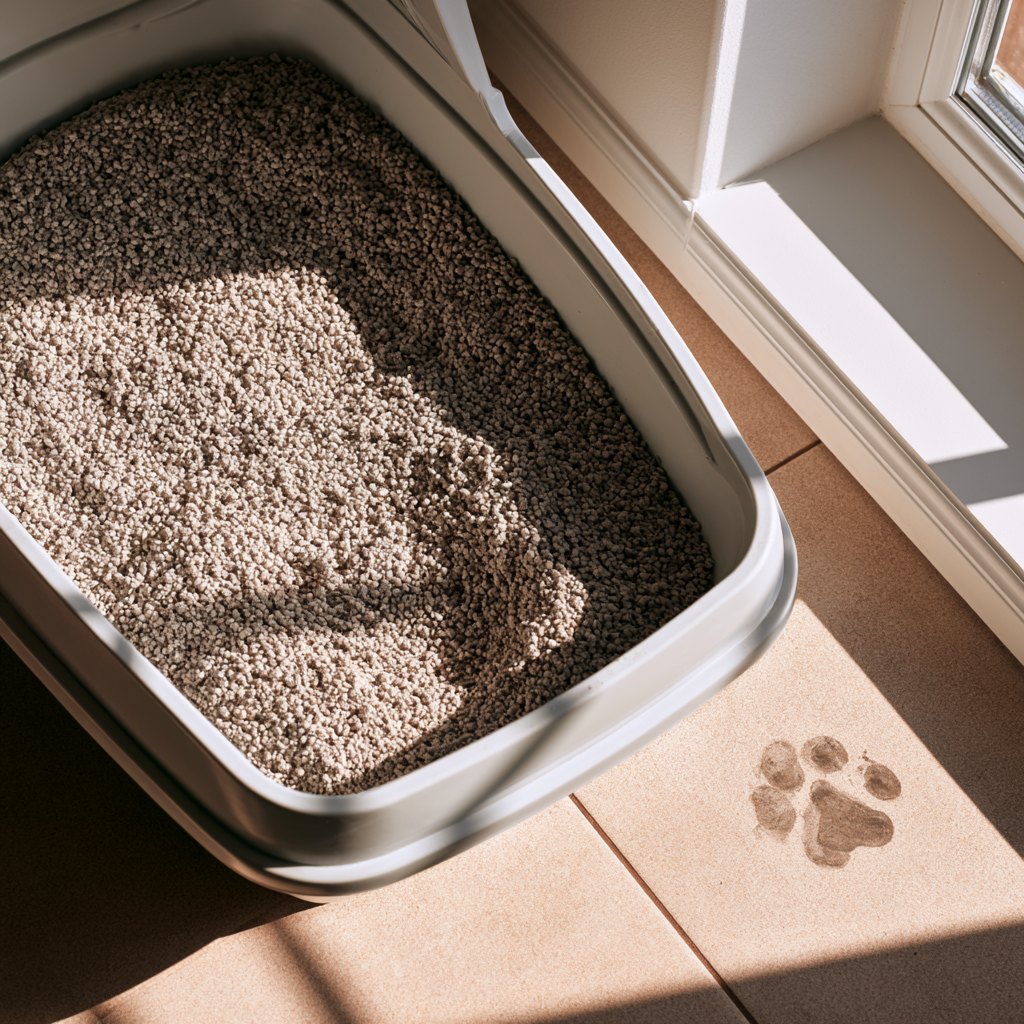
Factors Influencing Cleaning Frequency
Number of cats in the household
The number of cats in your household plays a significant role in how often you should clean the litter box. Generally, it is recommended to have one litter box per cat, plus one additional box. This approach helps reduce territorial disputes and keeps litter boxes cleaner, which can mitigate the risk of accidents outside the box. As the number of cats increases, so does the need for routine cleaning.
In multi-cat households, you might find that scooping is needed more than once a day, especially for boxes that are heavily used. Pay attention to individual cats, as some may prefer their own dedicated box. Adjust your cleaning schedule accordingly to accommodate all your feline companions.
Type of litter used
The type of litter you choose can also affect cleaning frequency. Clumping litters tend to make it easier to eliminate waste, as soiled clumps can be removed quickly. Non-clumping litters may require more frequent complete changes to avoid odor and moisture buildup. Understanding your cat’s preferences in litter types can significantly enhance their comfort in using the box, while also informing your cleaning routine.
| Litter Type | Cleaning Frequency | Pros | Cons |
|---|---|---|---|
| Clumping Clay | Every 1-2 weeks, daily scooping | Easy to clean, good odor control | Dusty, possible tracking |
| Non-Clumping Clay | Every week | Absorbs moisture well | Requires frequent complete changes |
| Crystal | Every 2-3 weeks, daily scooping | Long-lasting, good odor control | Can be uncomfortable for some cats |
| Natural/Organic | Every 1-2 weeks | Environmentally friendly, biodegradable | May not control odors as well |
Effective Cleaning Techniques for Litter Boxes
Choosing the right equipment
The right equipment can make a significant difference in the ease and effectiveness of cleaning your cat’s litter box. A good scoop is essential; look for one with a slotted design to allow clean litter to fall through while retaining waste. A sturdy, wide scoop can also make scooping quicker and reduce the likelihood of spills.
Additionally, having disinfectants and strong odor neutralizers (safe for cats) on hand can help keep your boxes clean. When selecting cleaning products, avoid those with harsh chemicals or strong fragrances, as these can deter cats from using the litter box. Instead, look for enzymatic cleaners specifically designed for pet messes, as they neutralize odors at a biological level.
How to tackle odors and stains
Addressing odors and stains in the litter box is crucial for maintaining a welcoming environment for your cat. In addition to regular scooping, consider the following tips:
- After cleaning, sprinkle baking soda at the bottom of the box before adding fresh litter. This can help absorb odors.
- Regularly wash the litter box with mild soap and water. Occasionally using a vinegar solution can help eliminate lingering odors.
- If an accident occurs outside the box, clean it immediately with a proper enzymatic cleaner to prevent lingering smells and markings.
Keeping the litter area clean ensures not just feline comfort but also household peace, as lingering odors can affect not just your pet but also any humans in the home.
Addressing Litter Box Aversion
Signs your cat may avoid the litter box
It’s essential to monitor your cat’s behavior closely to detect any signs of litter box aversion. Common indicators include:
- Soiling outside the box or in unusual places.
- Frequent scratching at the box without actually spending time inside.
- Exhibiting signs of stress or distress when approaching the litter area.
- Changes in bathroom habits, such as more frequent trips without elimination.
These behaviors can key you into underlying issues — whether they stem from cleanliness, stress, or health problems — all of which need addressing promptly to prevent further complications.
Solutions for improving litter box acceptance
Improving your cat’s acceptance of the litter box may involve several strategies. Start by ensuring that the box is consistently cleaned and placed in a quiet, private area. Here are additional solutions:
- Experiment with different types of litter to find one your cat prefers.
- Consider using separate boxes if you have multiple cats to reduce territorial disputes.
- Check the size and type of the box; some cats prefer covered boxes while others prefer open spaces. Make adjustments based on what your cat seems to enjoy.
- Observe your cat’s behaviors closely and adjust either the location or conditions surrounding the litter box if necessary.
By addressing these factors proactively, we can help our feline friends maintain good litter habits and avoid potential health risks.
Frequently Asked Questions
What happens if you don’t clean the litter box often enough?
If the litter box is not cleaned often enough, cats may develop aversion to it, leading to inappropriate elimination behaviors. Accumulation of waste can also pose health risks due to the proliferation of bacteria and odors.
How many times a day should you scoop the litter box?
You should scoop the litter box at least once a day to maintain cleanliness and prevent odors. This routine will help ensure that your cat feels comfortable using the box.
Can a dirty litter box cause health issues for my cat?
Yes, a dirty litter box can lead to health problems for your cat, including urinary tract infections and respiratory issues due to ammonia buildup. Keeping the box clean is essential for their overall health.
What type of litter requires more frequent cleaning?
Non-clumping litters often require more frequent cleaning since they do not absorb waste and odors as effectively as clumping options. This can lead to a less hygienic environment for your cat.
How often do multi-cat households need to clean their litter boxes?
In multi-cat households, it’s advisable to scoop litter boxes at least twice a day and perform a complete litter change every few days. The increased traffic necessitates more frequent maintenance.