Why Does My Cat Sleep at My Feet? Exploring Feline Behavior
Why Does My Cat Sleep at My Feet? This question might cross the minds of many cat owners who notice their furry friends curling up at their feet during the night or while lounging at home. Cats are known for their quirky sleeping habits, and this behavior can have several underlying reasons. Understanding why your cat prefers this particular spot can strengthen your bond and provide insights into your feline’s comfort levels.
Quick answer: Cats often sleep at their owner’s feet for reasons related to safety, warmth, and comfort. This behavior stems from their instinctual need for security, and many cats find solace when close to their humans while still maintaining a sense of control over their environment.
Why Does My Cat Sleep at My Feet?
Safety and territorial instincts
Cats are inherently territorial and often seek locations that allow them to feel secure while resting. Sleeping at your feet provides a variety of safety benefits. Being close to you, they may perceive themselves as safer from potential threats, as your presence acts as a protective buffer. This instinct can be traced back to their wild ancestors, who often kept close company with their group members for aid in defense against predators.
In different scenarios, such as during thunderstorms, fireworks, or visits from unfamiliar guests, you may notice your cat becoming more insistent about positioning themselves near your feet or directly beside you. This behavior indicates their desire for reassurance amid stress. The choice to sleep at your feet rather than right next to you could also suggest that while they trust you, they prefer to keep their exit routes open, exercising caution—a common trait among felines.
The role of warmth and comfort
Another reason your cat may gravitate towards your feet is the warmth they generate. Cats have a naturally higher body temperature than humans, averaging between 100.5°F to 102.5°F, compared to our typical 98.6°F. In colder months or cooler environments, your feet can provide a source of comforting heat. The slight warmth they feel from resting at your feet can help regulate their own body temperature while affording them a cozy atmosphere for sleep.
Additionally, sleeping at your feet can yield a level of comfort created by familiar scents. Cats have a keen sense of smell, and your scent can evoke feelings of security in their environment. Thus, your foot area serves as both a source of warmth and a comforting environment enriched with your unique scent.
Emotional Bonding with Your Cat
Signs of trust and affection
When your cat chooses to sleep at your feet, it is often a sign they feel comfortable and trust you. This behavior reflects their affection and bond with you as their caretaker. Many cats exhibit unique signs of attachment, which may include purring, kneading (also called “making biscuits”), or head-butting against you while winding their bodies around your legs. These actions signify they consider you theirs, reinforcing the emotional connection that centers around shared living spaces.
To nurture this bond further, consider engaging in interactive play with your cat or incorporating regular grooming sessions into your routine. These activities can enhance your relationship and provide your cat with a sense of security and trust, encouraging them to maintain that fondness of being close to you, including sleeping at your feet.
Understanding feline body language
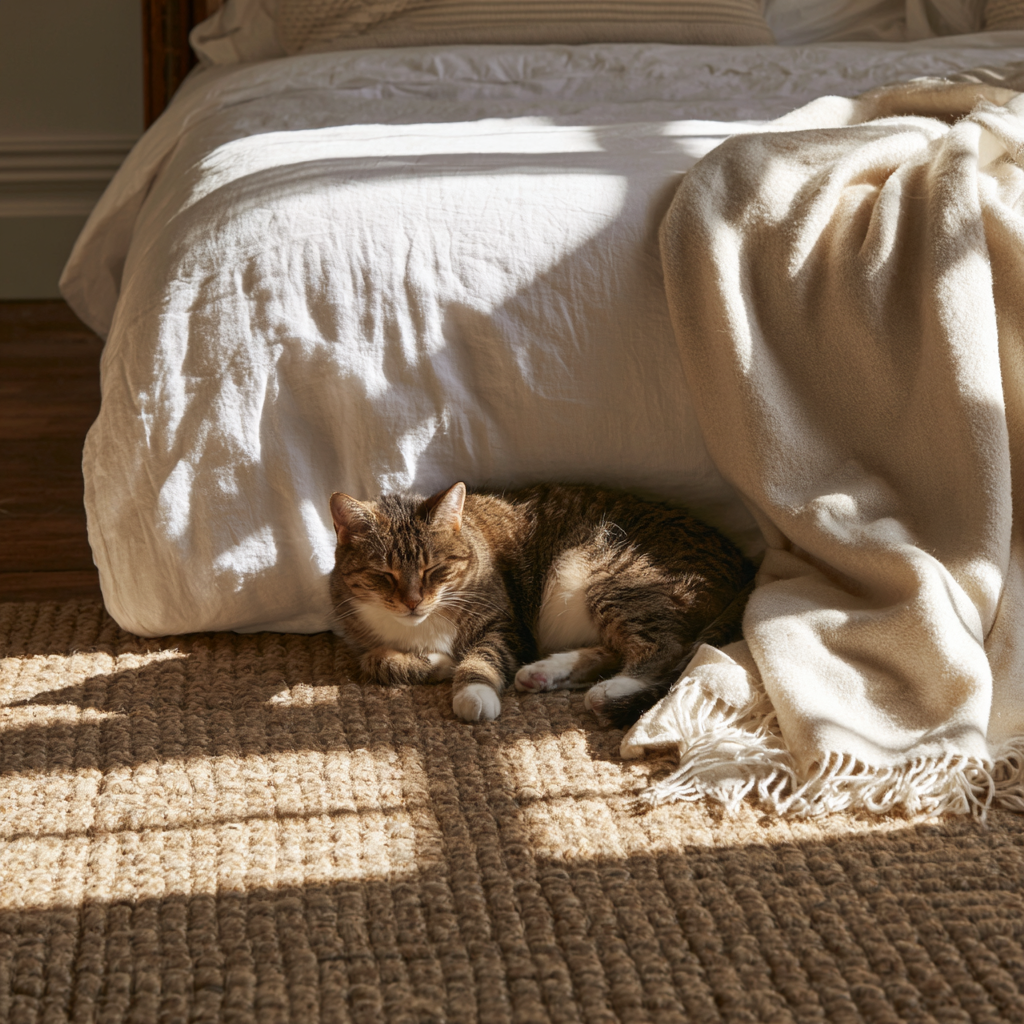
Interpreting your cat’s body language can provide valuable insights into their emotional state. When your cat sleeps at your feet, observe their body position. A relaxed posture, such as lying with their paws stretched out and eyes closed, signals a sense of safety and ease. Conversely, if your cat sleeps in a more curled position or has their eyes partially open, it might reflect wariness or a need for vigilance regarding their environment.
Additionally, if you notice your cat purring softly while at your feet, it indicates contentment and relaxation. If they shift frequently in their sleep or seem easily startled, observe for potential disturbances in their environment that could cause unease. Such awareness will aid in creating a comforting environment that invites even more bonding moments.
Common Sleeping Locations for Cats
Why your feet are a preferred spot
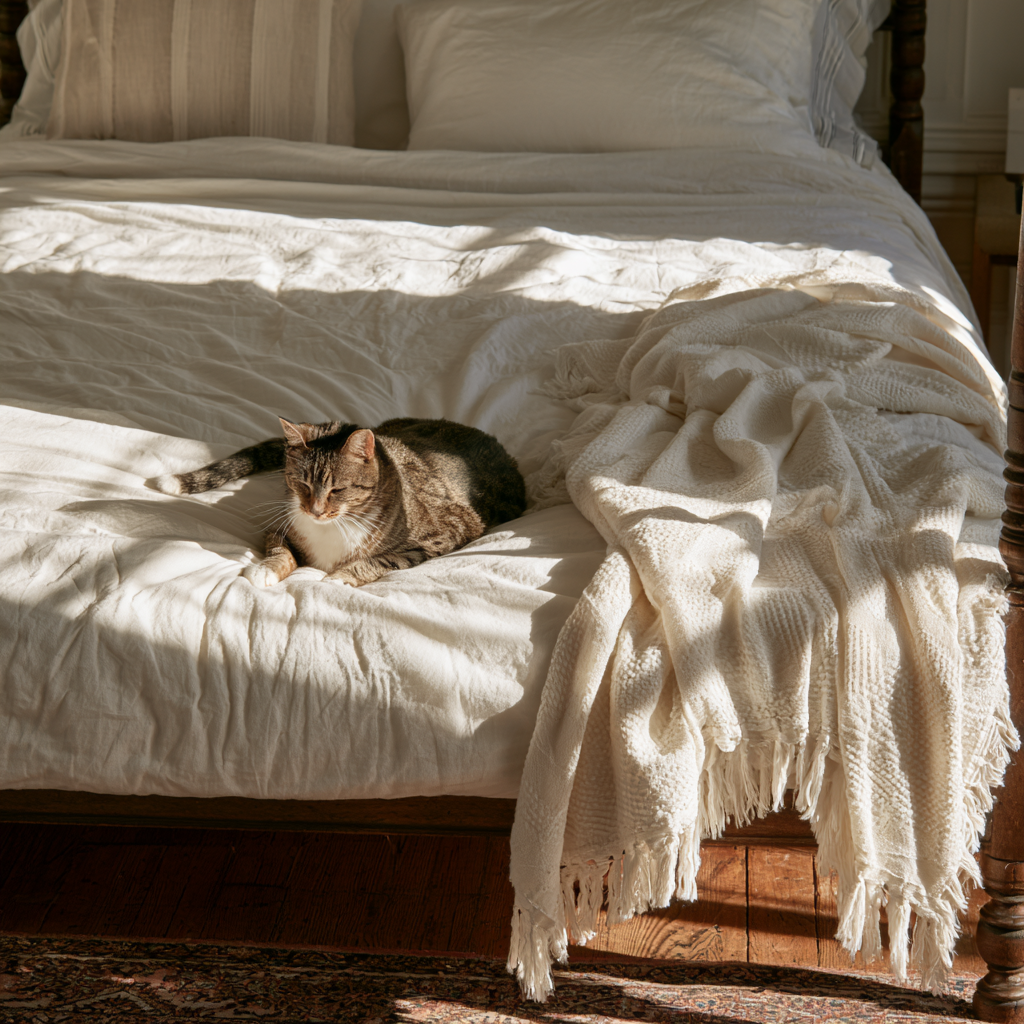
While cats have many choices for sleeping locations—such as the couch, bed, or sunny window sill—your feet often become a top pick. This preference is partly influenced by their instinctive need for safety, as previously discussed. Additionally, positioning themselves at your feet allows them to remain close while maintaining a level of independence. This location enables them to observe the room for any potential disturbances while enjoying your warmth.
Cats are also known to be creatures of habit; if they consistently find comfort at your feet, they are likely to return to that spot repeatedly. Moreover, if you have a consistent bedtime routine, they may associate being at your feet with safety and familiarity, encouraging them to settle there more regularly.
Comparison with other common sleeping areas
| Location | Reasons for Preference |
|---|---|
| Owner’s Feet | Safety, comfort, easy exit routes, warmth from the human body. |
| Couch or Bed | Softness, security within a common social space, warmth from body heat. |
| Window Sill | Sunlight, observation of the outside world, elevated vantage point. |
When Sleeping Habits Change: What to Watch For
Potential signs of stress or illness
Should your cat suddenly stop sleeping at your feet or exhibit a change in their sleeping habits, it could signal underlying stress or health issues. Changes in sleeping locations or decreased interest in interacting with you can be an indication that something may be amiss. Look for signs such as excessive grooming, changes in appetite, or withdrawal from social interactions, which could suggest stress, anxiety, or illness.
It’s crucial to monitor your cat closely and consult a veterinarian if you detect any alarming changes. Maintaining awareness of your cat’s habits, behaviors, and overall health will assist in ensuring their well-being and allow for prompt intervention if needed.
Understanding behavioral shifts
A shift in your cat’s sleeping behavior may also be influenced by environmental changes. Factors like moving houses, new pets, or alterations in your daily routine can introduce stressors for your cat. When they feel uncertain, they may seek different sleeping spots that provide a greater sense of control or security. Pay attention to how they respond to these changes and provide support through gentle reassurance, maintaining familiar routines, and ensuring their environment is enriching and comfortable.
Encouraging your cat to return to their usual sleeping spot may involve creating a cozy setup for them around your feet, such as a soft blanket or cat bed, so they can rediscover their preferred resting area. Being receptive to your cat’s needs can help mitigate stress during transitions and foster an even stronger bond.
Frequently Asked Questions
Do cats sleep closer to their owners for warmth?
Yes, cats often seek warmth from their owners while sleeping. The heat emitted by a human body can provide a cozy and comfortable environment, ideal for napping.
What does it mean when my cat sleeps at my feet?
When your cat sleeps at your feet, it often indicates trust and security. They may feel safe in your presence and enjoy the warmth and comfort that your body provides.
Is it normal for cats to sleep at their owner’s feet?
Absolutely, it is common for cats to sleep at their owner’s feet. This behavior reflects both emotional bonding and a natural instinct for safety and comfort.
How do cats choose their sleeping spots?
Cats choose their sleeping spots based on factors like safety, warmth, comfort, and familiarity with scents. Observations of feline body language can also offer insights into their preferences.
What are some reasons cats prefer sleeping with humans?
Cats may prefer sleeping with humans due to the sense of security, warmth, and emotional connection they associate with their owners. Individual pet preferences can vary, but these factors commonly influence their choices.