Understanding Dog Behavior: Why Your Pet Does What It Does
Understanding Dog Behavior: Why Your Pet Does What It Does is essential for fostering a strong bond with your canine companion. Every bark, wag, and posture conveys a unique message about how your dog is feeling and reacting to its environment. By decoding these signals, we can enhance our relationship with our pets and ensure their well-being.
Quick answer: Understanding dog behavior hinges on paying attention to their body language, vocalizations, and the context of their actions. By interpreting these signals and recognizing environmental influences, you can support your dog’s emotional health and behavioral needs.
Understanding Dog Behavior: Why Your Pet Does What It Does
The Basics of Canine Body Language
Canine body language is a rich form of communication, helping us understand how our dogs feel in various situations. Dogs communicate through a combination of their posture, facial expressions, and movement. By observing the whole body rather than focusing on a single aspect, we can glean more accurate insights into their emotional state.
- Ears: Forward ears often indicate curiosity or attentiveness, while flattened ears might signal fear or submission.
- Tail Position: A high, wagging tail can indicate enthusiasm but may not always be positive; it can also suggest agitation if the tail is stiff. Conversely, a low tail or one tucked between the legs typically indicates fear or submission.
- Body Posture: A relaxed stance shows comfort, while a rigid body may indicate tension or readiness to confront a perceived threat.
Context plays an important role as well. For example, a dog may wag its tail excitedly while playing with a friend but may also wag when nervous or unsure. Understanding the entire range of body language signals can provide a better picture of what your dog is trying to communicate.
How to Interpret Your Dog’s Barking
Dogs bark for various reasons, and interpreting their barks requires careful attention to type, pitch, and context. The nuances of barking can indicate a range of emotions and intentions, and understanding this vocalization can help in responding appropriately to your dog’s needs.
- Alert Barking: A sharp, quick bark may signal alarm or a warning about an unfamiliar noise or presence. Your dog may adopt a defensive stance during this behavior.
- Playful Barking: Short, high-pitched barking often indicates excitement or an invitation to play. This is usually accompanied by a wagging tail and playful posture.
- Stress Barking: Repetitive barking at higher pitches can suggest anxiety or frustration. Pay attention to your dog’s body language; signs of distress such as pacing or drooling may accompany this barking type.
- Attention-Seeking Barking: A persistent, drawn-out bark can signal that your dog wants attention, whether it’s for play or an unmet desire.
When interpreting your dog’s barking, consider situational context, associated body language, and personal history to arrive at a more comprehensive understanding of its message.
Communicating with Your Dog
Understanding Affectionate Behaviors
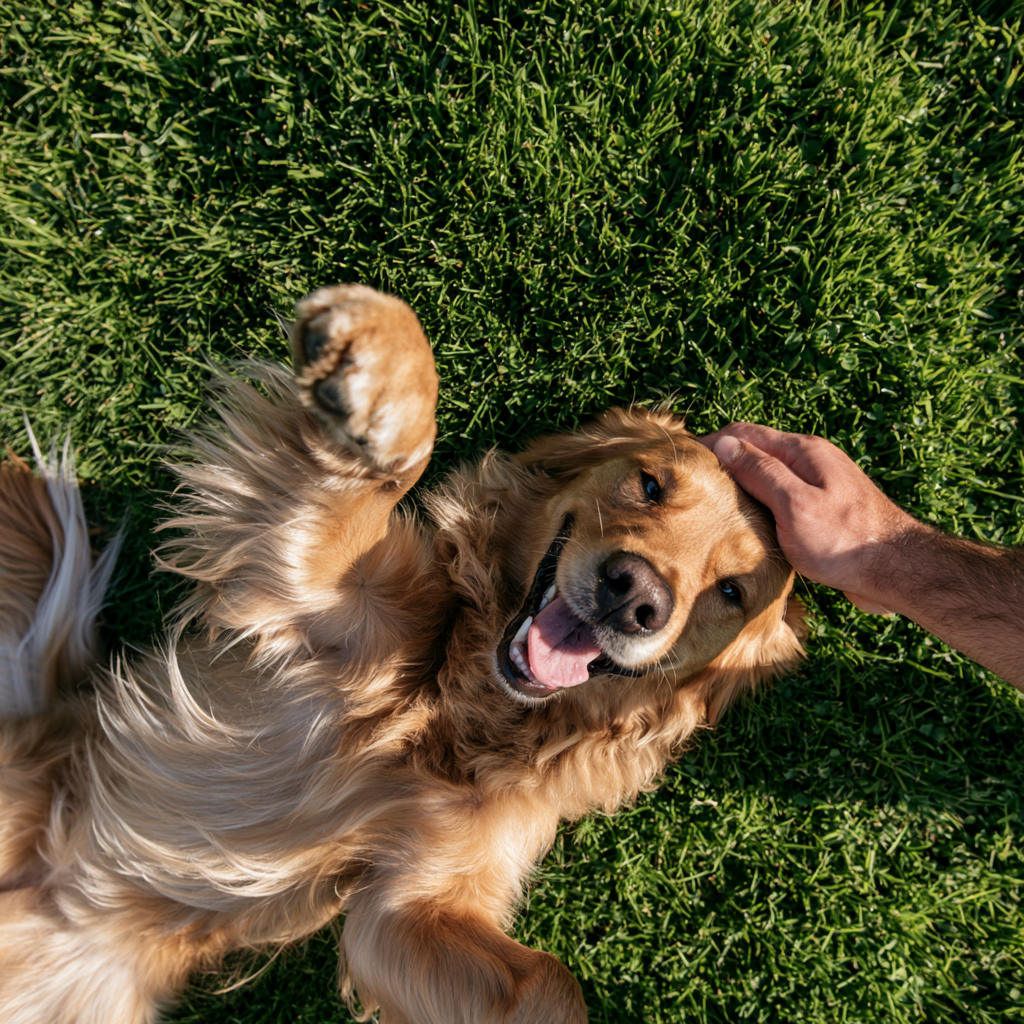
Dogs display affection in various ways, and these behaviors can significantly strengthen the bond we share with them. Understanding these affectionate gestures can help you respond appropriately and reinforce positive interactions.
- Licking: Frequently seen as a sign of affection, licking can also serve as a calming behavior. Dogs may lick to soothe themselves or to communicate comfort to their owners.
- Leaning: When a dog leans against you, it usually indicates trust and attachment. This behavior can be an invitation for closeness and encourages bonding.
- Following Closely: If your dog consistently chooses to stay close to you, it’s a sign of comfort and affection. However, if this behavior becomes excessive, it may indicate insecurity or fear.
To reinforce these affectionate behaviors, offer verbal praise, gentle petting, or treats when your dog expresses affection. This positive reinforcement helps your dog associate these behaviors with enjoyable experiences, promoting a loving atmosphere.
Why Dogs Follow Their Owners
Dogs are social animals with a pack mentality; following their owners is often rooted in instinctual behavior. They may seek closeness for several reasons beyond companionship, which can include security, curiosity, or the need for guidance.
- Seeking Security: Dogs may follow you around because they feel safer in your presence. If they are nervous or uncertain about their environment, your companionship offers reassurance.
- Curiosity: Dogs are naturally inquisitive. Following their owners can stem from their desire to explore and understand. They may want to observe and engage with whatever you’re doing.
- Routine Compliance: Dogs thrive on routine. If your dog has learned that following you leads to meals, walks, or playtime, they will likely stay close by, anticipating these enjoyable experiences.
Encouraging independent playtime can help balance your dog’s following behavior, teaching them that it’s okay to engage in activities alone while still feeling secure in their bond with you.
Behavioral Issues and Their Causes
Recognizing Signs of Stress or Anxiety
Understanding dog behavior also involves recognizing when your pet is stressed or anxious. Several indicators may suggest that your dog is struggling emotionally, and being aware of these signs can help you intervene appropriately.
- Excessive Panting: While panting can be normal after exercise, excessive panting may signal stress, especially if it occurs in a calm environment.
- Destructive Behavior: Chewing furniture or digging excessively can reflect anxiety, particularly if these behaviors arise when you leave the house or during loud noises.
- Withdrawal: If your dog starts isolating itself, avoiding interaction, or ceasing to engage in previous favorite activities, this can indicate emotional distress.
- Increased Barking or Growling: An uptick in vocalizations, particularly if accompanied by agitated body language, may demonstrate stress or a response to an intimidating situation.
Addressing these signs often requires identifying the source of the stress and working on gradual desensitization or positive reinforcement strategies. In some cases, consultation with a veterinary behaviorist or trainer may be needed for effective intervention.
Common Reasons Behind Digging and Other Behaviors
Digging is a common behavior that can arise from various motivations, and understanding the root causes can help mitigate the behavior effectively. Multiple factors may contribute to why a dog digs.
- Natural Instinct: For many breeds, digging is an instinctual behavior rooted in their history as hunters or burrowers. Terriers, for instance, often exhibit digging as part of their natural hunting style.
- Exploration: Dogs are naturally curious and may dig to explore their environment. Substances buried underground — such as rodents or appealing odors — can prompt this behavior.
- Seeking Comfort: Dogs may dig as a way to create a comfortable spot to rest or cool themselves in warm weather. This can be particularly true in sandy or loose soil.
- Stress Relief: Digging can serve as an outlet for pent-up energy or anxiety. Dogs who do not get sufficient physical and mental exercise may resort to digging to relieve stress.
To manage digging, provide adequate physical exercise and mental enrichment, and establish a designated digging area where your dog can dig freely without causing destruction to your yard or home.
Environmental Factors Affecting Dog Behavior
How Socialization Influences Behavior
Early and ongoing socialization is fundamental in shaping a dog’s behavior and responses to various stimuli. Properly socialized dogs tend to be more adaptable and confident in new situations.
Dogs that have opportunities to interact with other dogs, various people, and different environments often display better-adjusted behaviors. Key benefits of socialization include:
- Reducing fear-based reactions to unfamiliar people or situations.
- Encouraging appropriate play behavior with other dogs.
- Fostering a sense of security and stability in new environments.
Socialization should occur gradually and be positive to prevent overwhelming a dog. Engaging in puppy classes, playdates, and exposing your dog to different experiences can be invaluable in promoting healthy social skills.
The Role of Routine in Dog Stability
Dogs thrive on routine and predictability, which can contribute significantly to their overall well-being. Establishing a consistent daily schedule can enhance a dog’s sense of safety and stability.
- Feeding Times: Regular feeding times can help your dog anticipate meals and reduce anxiety related to hunger.
- Exercise Regimen: Daily walks and play sessions offered at consistent times help your dog expend energy and alleviate stress.
- Bedding and Rest Areas: Providing a designated space for your dog to rest and sleep contributes to their routine and comfort within the home environment.
Maintaining this routine helps your dog understand what to expect each day, reducing anxiety that can arise from unpredictability. Changes in the routine should be introduced gradually, allowing your dog to adjust comfortably.
Frequently Asked Questions
What does my dog’s barking mean?
Dogs bark for various reasons, including expressing excitement, warning of danger, or seeking attention. The context, type of bark, and accompanying body language can provide clues about your dog’s motivation for barking.
How can I tell if my dog is happy?
A happy dog often exhibits behaviors such as a relaxed body posture, wagging tail, playful demeanor, and a willingness to engage with you. Observing your dog’s overall behavior in various contexts helps assess their happiness.
Why does my dog follow me everywhere?
Dogs may follow their owners due to their pack instinct, curiosity, or the desire for companionship. This behavior often indicates a strong bond and a need for social interaction.
What does it mean when my dog tilts its head?
Head tilting often suggests curiosity or attentiveness, as your dog tries to understand what you are saying or evaluate a sound. Individual dogs may tilt their heads differently, so consider the overall context.
How do dogs show affection?
Dogs demonstrate affection through a variety of behaviors, including licking, leaning against you, wagging their tail, and engaging in playful interactions. Each dog has its own unique way of expressing love, reflecting their personality and bond with you.
Why does my dog dig in the yard?
Digging can be driven by instinct, boredom, exploration, or comfort-seeking behaviors. Understanding your dog’s specific motivation is key to addressing this behavior effectively.
What are signs of anxiety in dogs?
Signs of anxiety may include excessive barking, destructive behavior, hiding, avoidance, or compulsive grooming. If you suspect anxiety in your dog, seeking guidance from a veterinarian or qualified trainer can be beneficial.