Feral vs. Stray Cats: How to Tell the Difference and How to Help
Feral vs. Stray Cats: How to Tell the Difference and How to Help is a topic that sparks curiosity and compassion in many animal lovers. Understanding these essential distinctions is vital for ensuring their well-being and the overall harmony of our communities. While both types of cats share similar origins, their behaviors and interactions with humans can differ significantly, impacting how we approach helping them.
Quick answer: Feral cats are unsocialized and typically live without direct human involvement, whereas stray cats are lost or abandoned and more likely to seek human interaction. Helping either requires a cautious approach, understanding their behaviors, and often checking with local organizations to ensure appropriate care.
Understanding Feral vs. Stray Cats: How to Tell the Difference and How to Help
Defining Feral and Stray Cats
To effectively distinguish between feral and stray cats, it’s essential to understand their definitions. A stray cat is one that has either been lost or abandoned and retains some social behaviors associated with human interaction. Stray cats may approach people for food or companionship, exhibiting friendly behaviors such as purring or rubbing against legs. In contrast, feral cats are typically born and raised without any direct human contact and have limited to no socialization. They are generally more timid, exhibiting behaviors driven by survival instincts rather than social engagement.
Feral cats often live in colonies in hidden areas, such as alleys, wooded lots, or other secluded places, and they depend on their instincts to hunt and scavenge for food. Understanding these definitions is crucial for pet owners and community members looking to help either group. Identifying the specific category can influence how to approach and assist them effectively.
Key Behavioral Differences
The behavioral differences between feral and stray cats are marked and significant. One of the most critical factors to observe is their response to human presence. Stray cats tend to exhibit the following behaviors:
- Approachability: Stray cats may come forward, meow, or display signs of seeking attention when humans are nearby, often trying to make contact.
- Vocalizations: They are more likely to communicate verbally, with meows or purrs indicating comfort and willingness to interact.
- Body Language: Strays may show relaxed body language, such as an upright tail or slow blinks, indicating they feel safe.
Feral cats, however, show distinctly different behavioral signs:
- Flight Response: They often flee from humans, viewing them as threats and preferring to hide.
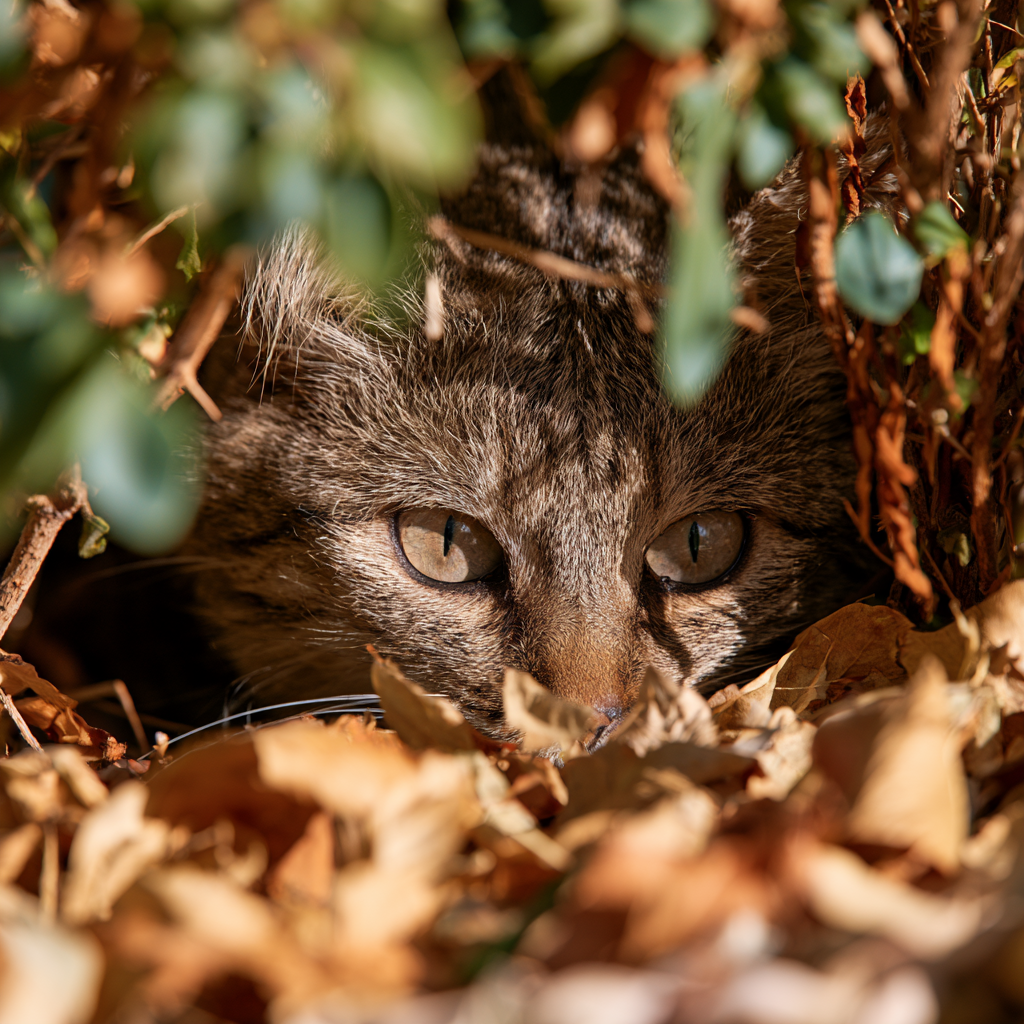
- Avoidance: Feral cats typically maintain their distance and observe from afar, often lurking in concealed spots.
- Defensive Posture: If approached, feral cats may hiss or growl and may display aggressive body language, like arched backs or raised fur.
These differences highlight the importance of observing their behavior closely. It is vital to adapt your actions based on what signals they are presenting to ensure a safe and effective interaction.
How to Help: Practical Tips and Strategies
Safe Interaction with Stray Cats
While interacting with stray cats can be rewarding, we must prioritize safety for both human and animal. Here are some strategies for safe interaction:
- Approach Slowly: When you see a stray cat, approach calmly and slowly, allowing the cat to assess your intentions.
- Observe Signals: Pay attention to the cat’s body language. If it seems comfortable, you can extend your hand for the cat to sniff.
- Avoid Direct Eye Contact: Direct eye contact can be interpreted as a threat. Instead, use soft, side-eye glances.
- Provide Space: If the cat shows signs of stress (flattened ears, rapid tail flicking), give it space to avoid causing anxiety.
Keep in mind that not all stray cats will respond positively to these gestures, and some may prefer solitude. Respect their boundaries and observe their preferences for interaction.
Feeding and Sheltering Options
Providing food and shelter for stray or feral cats can significantly improve their health and wellbeing. Should you decide to help, here are practical options to consider:
- Feeding Stations: Create safe feeding stations away from busy roads where stray cats can eat without fear. Use heavy bowls that can’t be easily tipped over.
- Regular Schedule: Feed them at the same time each day to establish a routine, which can help them feel more secure.
- Warm Shelters: Providing insulated shelters or asking local shelters for advice on constructing safe outdoor shelters can offer warmth during colder months.
- Food Choices: Offer high-quality, nutritionally balanced cat food (canned or dry) to enhance their health.
Before making any decisions, contacting local animal welfare organizations is advisable to ensure your actions align with their guidelines and recommendations.
Community Programs for Feral Cats
Many communities offer programs to assist in managing feral cat populations through humanely trapping, neutering, and returning (TNR) to their territories. These programs help in several ways:
- Population Control: TNR helps decrease the number of feral cats over time, promoting a healthier community.
- Health Check: Feral cats received through these programs often get essential vaccinations and health assessments.
- Community Engagement: Local shelters may organize community awareness programs to educate on the importance of TNR and responsible cat care.
Participating in or supporting these programs not only assists the cats but can gradually lead to more sustainable and humane solutions for managing feral populations.
Common Concerns and Considerations
Legal Aspects of Caring for Feral Cats
Before you decide to care for feral cats, it is essential to understand the legal frameworks surrounding them. Laws regarding feral cats can vary widely depending on the proximity of urban and rural settings and state or local jurisdictions. Here are some points to consider:
- Property Laws: Some areas might have specific laws about feeding or maintaining feral cat colonies on one’s property.
- Animal Control Regulations: Familiarize yourself with your local animal control policies, as some regions may require permits for TNR programs or feeding feral cats.
- Community Guidelines: Working in conjunction with local shelters or animal control can provide legal protections and supportive frameworks for your efforts.
Reviewing local laws before intervening is crucial for ensuring compliance and community safety.
Socialization of Stray Cats
Socializing stray cats can often lead to positive outcomes, as many of them possess the potential for companionship. The process, however, requires patience and careful handling:
- Start Gradually: Begin by allowing the cat to come to you on its terms, offering treats from a distance to build trust.
- Safe Environment: Create a quiet, enclosed space for the cat that feels secure. This can help reduce stress and facilitate socialization.
- Short Sessions: Limit the duration of interactions initially to reduce anxiety, gradually increasing time as the cat becomes more comfortable.
- Seek Professional Help: If a stray cat demonstrates extreme timidity or stress, consider consulting a veterinarian or animal behaviorist for tailored advice.
Remember, individual personality plays a significant role in socialization success. Some stray cats may not wish to transition to a pet lifestyle, and respecting their choices is paramount.
In summary, understanding the distinctions between feral and stray cats, along with appropriate strategies for helping them, is crucial for any animal lover wanting to positively impact their community. By recognizing their unique behaviors and needs, we can offer effective assistance while respecting their autonomy.
Frequently Asked Questions
What are the signs of a feral cat?
Feral cats often exhibit cautious or skittish behavior, such as hiding, fleeing, or displaying defensive body language like flattened ears and puffed-up fur when approached. They typically avoid human interaction and are more likely to be found in outdoor colonies rather than near residential areas.
How can I tell if a cat is stray or feral?
To differentiate between a stray and a feral cat, observe their behavior. Stray cats may seek human interaction and appear friendly, while feral cats exhibit signs of fear and avoidance. Feral cats are generally wary of people and can often be seen avoiding urban environments.
What should I do if I see a feral cat?
If you come across a feral cat, observe it from a distance to assess its condition. If it appears healthy but fearful, avoid direct interaction and consider contacting a local TNR program for help. Only approach the cat if you are familiar with handling feral cats and can do so safely.
Are stray cats adoptable?
Yes, stray cats can often be adopted, especially if they have shown prior socialization with humans. Their potential for adoption depends on their behavior, health, and comfort level with people. A foster home environment can assist in this transition.
How can I help feral kittens?
Helping feral kittens involves ensuring their safety first. If you are able to safely capture them, provide a warm shelter and appropriate food. Consult with a local animal rescue to have the kittens assessed and placed in a socialization program, or a TNR initiative.
Can feral cats be socialized?
Feral cats can be socialized, but it often requires significant time and patience. Some feral cats may adapt to human interaction, especially if they are young. The process should involve creating a safe environment and allowing the cat to acclimate at its own pace.
What to feed stray cats?
Stray cats can be fed a balanced diet of high-quality commercial cat food, including both wet and dry options. Offering wet food can be more appealing and hydrating for them. Maintaining a consistent feeding schedule helps them feel secure.
What is a TNR program?
A TNR (Trap-Neuter-Return) program is a humane initiative where feral cats are captured, spayed or neutered, and returned to their original location. This program helps control feral cat populations while ensuring the cats receive proper care and management.