Decoding Feline Language: Why Cats Trill, Chirp, and Chatter
Decoding Feline Language: Why Cats Trill, Chirp, and Chatter can provide insights into the mysterious world of our feline friends. Understanding the nuances of cat communication helps deepen our connection with them and can illuminate their feelings and needs. Cat vocalizations, especially unique sounds like trills, chirps, and chatter, have specific meanings that offer a window into their thoughts and emotions.
Quick answer: Cats use various vocalizations, including trilling, chirping, and chattering, to communicate a range of emotions and intentions. These sounds serve distinct purposes in social interactions, especially relating to hunting behaviors and bonds with humans.
Understanding Cat Vocalizations
The unique types of cat sounds
Cats are known for their expressive vocalizations, which are more varied than many pet owners might realize. Common sounds include:
- Meowing: Primarily used for communication with humans rather than other cats.
- Trilling: A mix of a meow and a purr that often signals excitement or a desire for attention.
- Chirping: A higher-pitched sound often made while observing potential prey.
- Chattering: A rapid sound, often produced during hunting situations or when watching birds.
- Growling and hissing: Indicative of distress or aggression, meant to deter threats.
Each of these sounds carries its own meaning, varying not just by the sound itself but also by the context in which it’s made. Observing the situation and accompanying body language can help decipher what your cat is trying to convey.
How vocalizations differ between breeds
Interestingly, the vocalizations of cats can vary notably between different breeds. For instance, Siamese cats are known for their vocal nature and tend to meow more frequently and loudly than other breeds. In contrast, Maine Coon cats often exhibit a softer tone but might trilling more than others. These breed tendencies may stem from their histories and roles within human society, whether as companion animals or skilled hunters.
However, individual personality plays a crucial role in vocalization, meaning that even within a breed, some cats may be chatty while others remain relatively quiet. Monitoring your cat’s unique sounds, regardless of breed, can provide deeper insights into their personality and needs.
Why Cats Trill, Chirp, and Chatter
The significance of trilling in cat communication
Trilling often serves as a friendly greeting or a call for attention. It’s a sound that can express joy, contentment, or an invitation to interact. For example, when a cat sees you after a long day, it may run towards you, trilling in excitement as a way to communicate its happiness and desire for connection. The pitch and frequency of the trill can also indicate a cat’s intensity of emotion; a higher-pitched trill may convey more excitement or urgency.
Chirping as a mimicry of prey
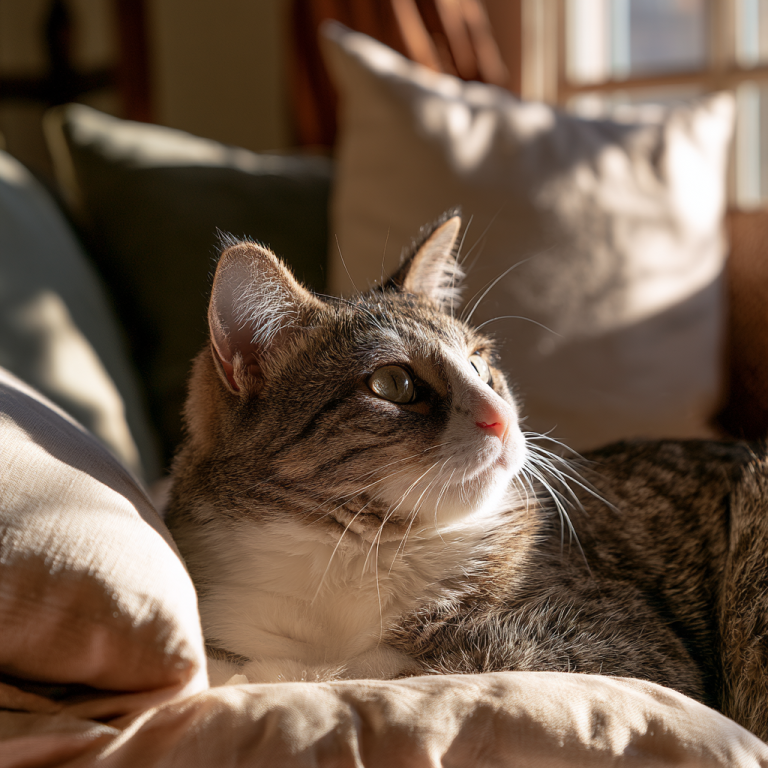
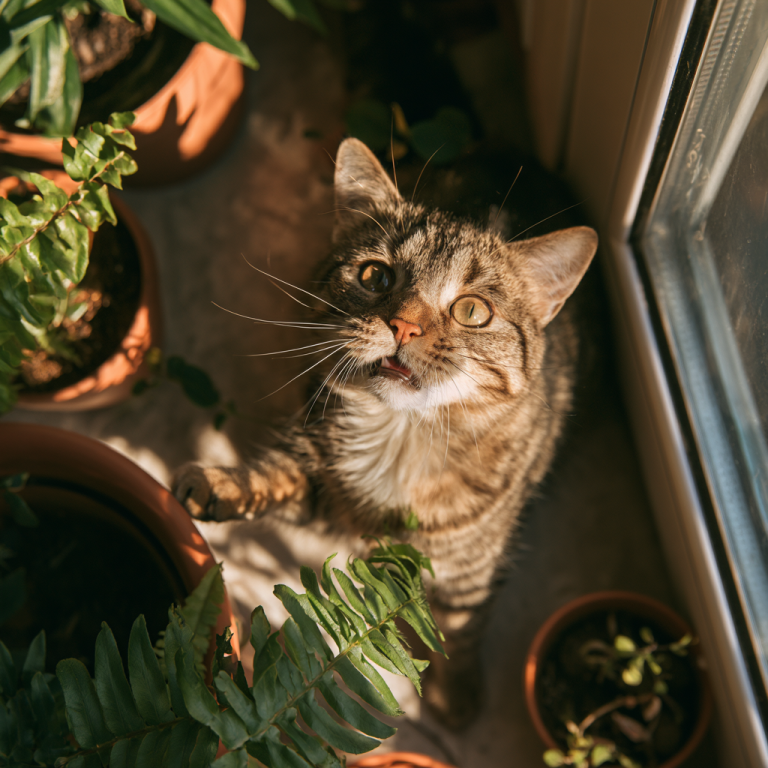
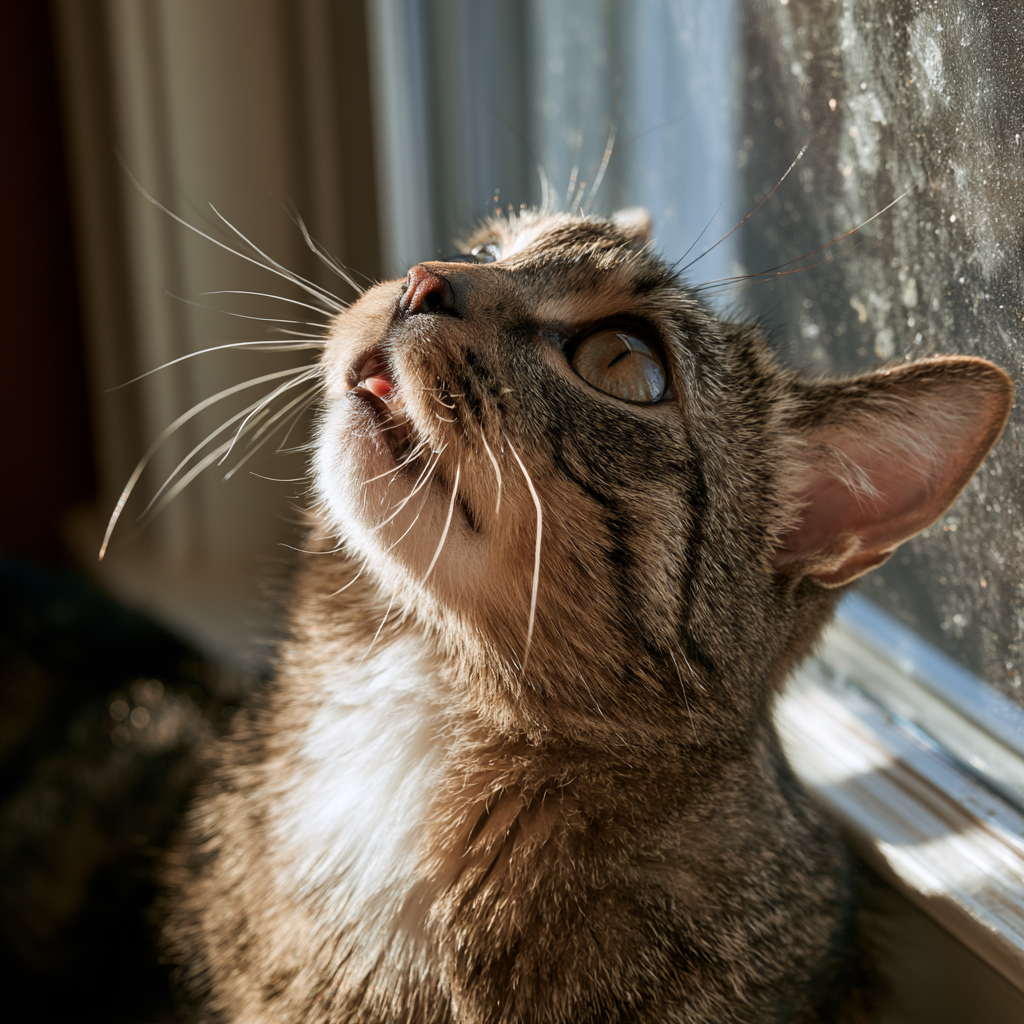
Chirping is an intriguing sound that appears to mimic the calls of birds and other small creatures. This form of vocalization can be seen as a strategy to lure prey closer or simply an expression of frustration when a cat observes potential catch from a distance. For instance, if a cat is perched on a windowsill, chirping as it watches a lively bird outside, it reflects its instinctual desire to hunt.
Although chirping may seem like mere play, it fundamentally stems from a cat’s hunting instinct and its deep-seated relationship with its environment.
The context of chattering during hunting or observing
Chattering typically occurs during a situation when a cat is fixated on potential prey. It’s marked by quick, repetitive sounds that may signal a combination of excitement and frustration. For example, a cat might exhibit this behavior while watching a squirrel darting around outside. The sound’s rapid and staccato nature can indicate intense focus, suggesting the cat’s readiness to chase or pounce.
Understanding this behavior highlights a cat’s natural instincts and how their vocalizations relate to their predatory nature, enhancing our appreciation for their skillful observation and eagerness to hunt.
Social Interaction and Vocal Behavior
How vocalizations strengthen bonds with humans
Vocalizations play a vital role in a cat’s social interactions, particularly with their human companions. Cats often develop unique sound patterns that they use specifically with their owners, reinforcing the bond they share. For instance, a cat might trill softly when greeting a family member, establishing communication and promoting trust. By responding to these vocal cues, owners can cultivate a deeper relationship, creating a sense of mutual understanding.
This engagement fosters emotional connections, as the cat learns that certain sounds elicit a response from their human, encouraging more interaction and strengthening their companionship.
What cats mean when they trill at their owners
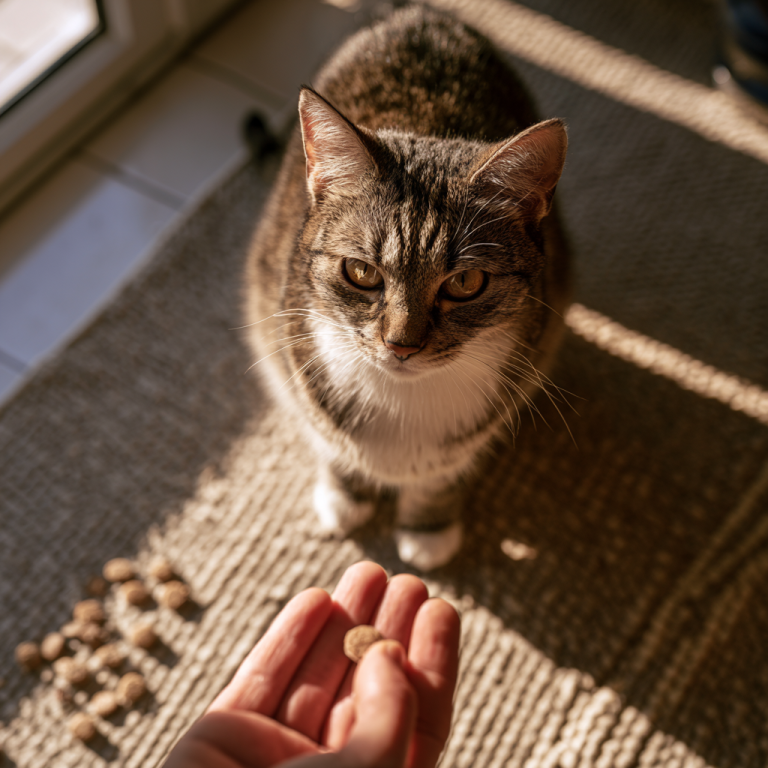
When cats trill at their owners, it’s often a direct expression of affection. A cat might trill while approaching you to signal that it’s happy to see you, or it may be asking for attention or playtime. It’s a friendly noise, suggesting that your cat views you as part of its social group. If your cat consistently trills in your presence, it indicates a level of comfort and trust with you, showcasing its affectionate nature.
Additionally, trilling can also function as a way to direct you towards what it desires, whether that is food, play, or simply some affectionate petting.
Addressing Anxiety and Distress
Signs that vocalizations indicate emotional distress
While many vocalizations express happiness or curiosity, some can signal anxiety, fear, or distress. Signs to look for include:
- Excessive or loud meowing: This may indicate discomfort, loneliness, or frustration.
- Hissing or growling: Clear signs of fear or aggression, indicating a cat feels threatened.
- Prolonged chirping or chattering: Occurring frequently in absence of prey may indicate stress or overstimulation.
If you notice these behaviors, attention should be paid to the environment and situations leading to such responses. Understanding what might provoke these sounds is crucial for addressing and alleviating your cat’s distress.
What to do if your cat displays excessive vocalization
If your cat frequently exhibits excessive vocalization, a few steps can help address this behavior. Start by observing the context in which these vocalizations occur. Are they associated with a specific event, environment change, or a certain time of day? This information can help locate possible triggers.
- Ensure your cat is not in physical discomfort or pain.
- Provide ample stimulation through play and mental enrichment to help alleviate boredom.
- Consider a calming environment or consult with a veterinarian if excessive vocalization persists.
- Monitor your cat’s behavior with any changes to routine or environment, allowing for adjustments as needed.
Ultimately, if you feel the vocalizations indicate serious distress or are unusual for your cat, seeking veterinary advice may be the best course of action to ensure their well-being.
Frequently Asked Questions
What does it mean when a cat chirps?
When a cat chirps, it may mimic the sounds of prey, suggesting instinctual behavior related to hunting. It can also indicate excitement or frustration when observing potential catch from a distance.
Why do cats trill at their owners?
Cats trill at their owners to express affection and excitement, often as a way to greet or seek attention. This sound reflects a cat’s comfort level and trust in their human companion.
What is the purpose of cat chatter?
Cat chatter typically occurs when a cat is focused on potential prey and may signal a mix of excitement and frustration. It demonstrates their instinctual hunting behavior.
How do cats communicate with each other?
Cats communicate through a variety of vocalizations, body language, and scent marking. Sounds like hissing, growling, and purring convey different messages while visual cues such as tail position or ear direction also play essential roles.
What does it mean if my cat is quiet?
A quiet cat may simply be relaxed or content; however, it can also indicate withdrawal or stress if it’s a change from their usual behavior. Monitoring for other signs is essential.
Are some cat sounds signs of stress?
Yes, certain sounds such as excessive meowing, hissing, or growling can indicate stress or discomfort. It’s important to recognize these vocalizations and assess the context to understand your cat’s emotional state.
Why do cats make unusual sounds?
Unusual sounds from cats can result from unique personality traits, medical issues, or environmental changes. Observing the frequency and context of these sounds can provide insights into their emotional well-being.