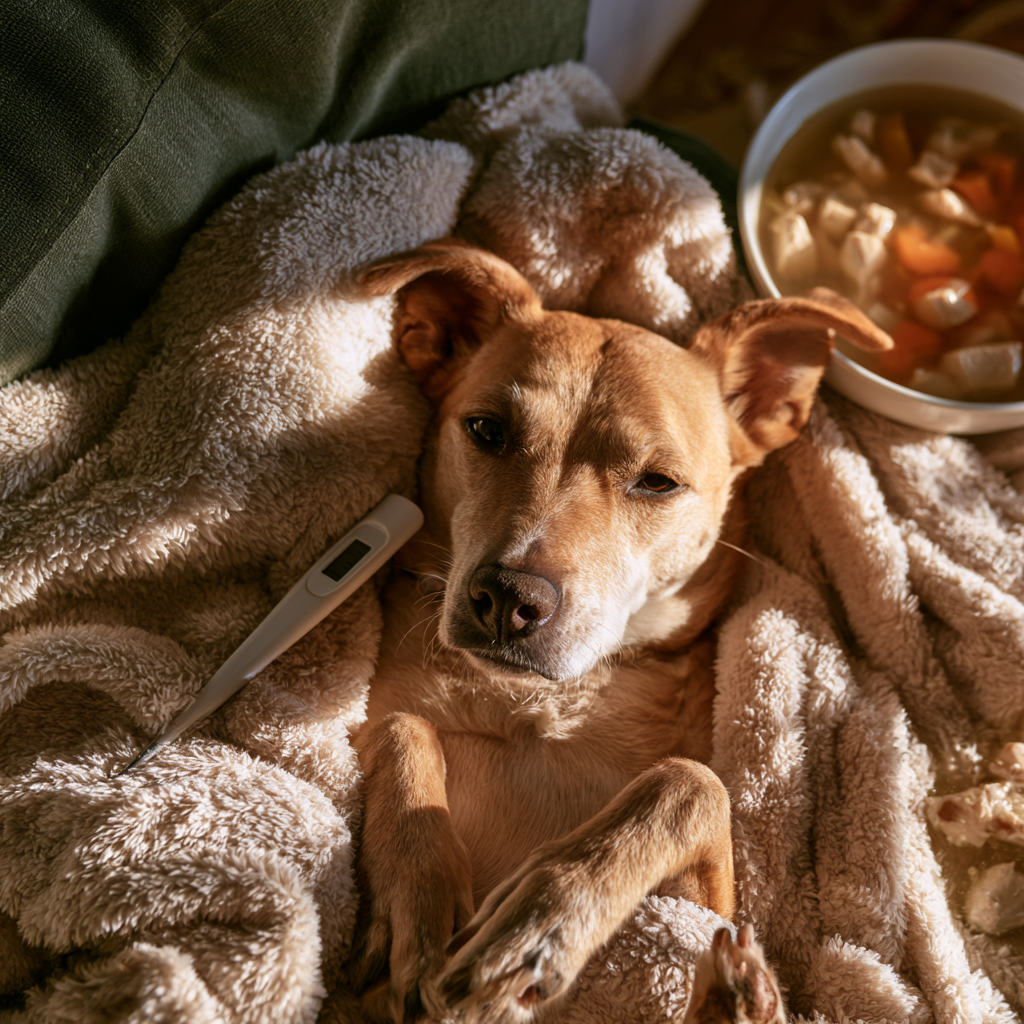
Do Dogs Get Colds? Understanding Your Dog’s Health
As pet owners, we often worry about our furry friends catching illnesses, leading many to ask, “do dogs get colds?” While dogs don’t get colds in the same way humans do, they can develop respiratory infections that mimic some cold symptoms. Understanding canine respiratory health is crucial for keeping your dog comfortable and healthy, especially during the colder months or when respiratory issues are more common.
Quick answer: Dogs do not get colds in the same way humans do, but they can suffer from respiratory infections that present similar symptoms. These infections can be caused by viruses, bacteria, or allergens and should be addressed with proper care.
Do Dogs Get Colds? Understanding Canine Respiratory Health
Can dogs get colds like humans?
While dogs cannot catch a cold from humans, they can experience respiratory infections. Canine colds, often referred to as upper respiratory infections, can be viral or bacterial. Some of the most common causes include the canine parainfluenza virus, kennel cough (canine infectious tracheobronchitis), and canine adenovirus. Symptoms may resemble those of a cold in humans, but the underlying causes differ.
Should you notice your dog exhibiting cold-like symptoms, it is essential to evaluate whether they have been exposed to other dogs or environments where infections are prevalent. In particular, dogs that visit dog parks, grooming salons, or boarding facilities are at a higher risk for infectious respiratory diseases.
Differences between colds and allergies
Understanding the distinction between a cold and allergies is essential for appropriate treatment. Both conditions can present similar symptoms, but their causes and appropriate treatments differ significantly. Here’s a breakdown:
| Symptoms | Cold | Allergies |
|---|---|---|
| Coughing | Often present, may be accompanied by other respiratory symptoms | May occur due to irritation from allergens |
| Runny nose | Clear or colored mucus | Clear, watery discharge |
| Sneezing | Commonly associated | Frequently occurs |
| Fever | Mild fever may be present | No fever present |
| Duration | Short-lived, typically a week or two | Can last as long as the dog is exposed to allergens |
Identifying these differences can aid in determining the necessary care or intervention needed for your dog.
Signs and Symptoms of Dog Colds
Common symptoms to watch for
Monitoring your dog for signs of respiratory distress is crucial. Common symptoms that may indicate a respiratory infection include:
- Coughing or honking sounds
- Runny or congested nose
- Sneezing
- Lethargy or decreased activity levels
- Decreased appetite or changes in thirst
- Fever (though this can be challenging to confirm without a thermometer)
While these symptoms can indicate a cold, it’s vital to remember that some can overlap with other illnesses. For instance, lethargy and decreased appetite could also signal gastrointestinal issues or more serious conditions. Always observe your dog’s behavior closely and consider any changes in their environment or daily routine that could contribute to these symptoms.
When is coughing a concern?
While coughing might seem innocuous at first, it can indicate various underlying health issues. Pay attention to the following circumstances that necessitate veterinary evaluation:
- If your dog has a persistent cough lasting more than a few days
- Coughing accompanied by difficulty breathing or gagging sounds
- Presence of a high fever or severe lethargy
- Any signs of collapse or weakness
- Excessive coughing that disrupts daily activities
Since some respiratory issues or infections can worsen if left untreated, it is best to consult your veterinarian if these symptoms occur.
Treatment Options for Sick Dogs
Home care for minor symptoms
If your dog displays mild cold-like symptoms, there are several home care options to consider. These strategies can help alleviate discomfort and support recovery:
- Ensure your dog stays hydrated by encouraging frequent water intake.
- Offer a warm, quiet space where they can rest without disturbances.
- A humidifier can help relieve nasal congestion by providing moisture to the air.
- Keep your dog away from harsh chemicals and allergens that may exacerbate symptoms.
- Monitor their food intake and offer enticing, easy-to-digest meals if they are reluctant to eat.
- Using over-the-counter medications specifically designed for dogs (consult your veterinarian first) could provide symptom relief. Avoid giving human medications unless directed by a vet.
Supporting your dog’s health at home can often lead to faster recovery. However, always keep an eye on any new symptoms that may emerge and adjust care accordingly.
When to consult a veterinarian
Consult your veterinarian if your dog exhibits symptoms that last more than a few days or shows signs of distress. Additional situations warranting a vet visit include:
- Signs of dehydration, such as dry gums or sunken eyes
- Changes in consciousness, such as excessive lethargy or unresponsiveness
- Severe difficulty breathing or blue-tinged gums
- Persistent vomiting or diarrhea alongside respiratory symptoms
Your veterinarian will be able to conduct a thorough examination and determine the appropriate course of action. This might include diagnostic testing or specific treatments tailored to your dog’s unique situation.
Prevention of Respiratory Infections in Dogs
Vaccination and other preventive measures
Preventing respiratory infections is generally more effective than treating them. Vaccination plays a significant role by providing immunity against specific infectious diseases. Some key vaccines to consider include:
- Canine Bordetella vaccine for kennel cough
- Canine parainfluenza vaccine
- Canine adenovirus vaccine
Furthermore, maintaining an up-to-date vaccination schedule and discussing it with your veterinarian will ensure your dog is protected against prevalent diseases. Avoiding exposure to infected dogs and crowded environments can also minimize risk.
Creating a healthy environment
Create an environment that supports your dog’s overall health. Healthy dogs are generally less susceptible to infections. Here are some actionable steps to consider:
- Feed a balanced diet appropriate for your dog’s age and health requirements to boost their immune system.
- Incorporate regular exercise into their routine, as physical activity enhances overall well-being and immune function.
- Ensure routine veterinary check-ups, including dental care, to monitor existing health conditions.
- Avoid exposure to cigarette smoke or other respiratory irritants that could compromise your dog’s health.
- Keep your living space clean and free from dust and allergens that might trigger respiratory issues.
By fostering a supportive environment, you help lessen the risk of respiratory infections and contribute to your dog’s quality of life.
Frequently Asked Questions
What are the symptoms of a cold in dogs?
Symptoms of a cold in dogs can include coughing, sneezing, nasal discharge, lethargy, and loss of appetite. Occasionally, elevated body temperature may also accompany these signs.
How can I help my dog if it has a cold?
To help your dog recover from a cold, ensure they stay hydrated, provide a comfortable environment, and monitor their rest. Light meals can also encourage eating if they lose their appetite.
Can dogs get the flu?
Yes, dogs can get a canine influenza virus, which is distinct from the human flu. This viral infection can lead to respiratory symptoms similar to colds and requires veterinary intervention in some cases.
How do I tell if my dog is sick?
Signs that your dog may be sick include changes in behavior, such as increased lethargy or loss of interest in food, along with physical symptoms like coughing, vomiting, or diarrhea. Close observation of behaviors and habits is essential.
Are there vaccines for dog colds?
While there is no vaccine specifically for “dog colds,” vaccines for kennel cough and canine influenza can protect against common respiratory infections. Discuss vaccination options with your veterinarian for tailored recommendations.
Should I take my dog to the vet for a cold?
If your dog’s cold symptoms persist or worsen, or if they show signs of severe illness, it is advisable to consult a veterinarian. Professional evaluation can diagnose any underlying issues needing treatment.