Veterinary Care for Kittens: A Complete Guide for New Owners
Veterinary care for kittens is crucial for their overall health and well-being. From the moment they arrive in your home, these little furballs require specific attention to ensure they thrive. Understanding the essentials of routine check-ups, vaccinations, and regular monitoring can lay the foundation for a long, healthy life. This comprehensive guide will help new kitten owners navigate the important aspects of veterinary care, empowering them to provide the best possible start for their feline companions.
Quick answer: Veterinary care for kittens involves regular vet visits, vaccinations, and health monitoring. Kittens should have their first vet visit around eight weeks of age, and regular check-ups are vital for maintaining their health. Essential vaccinations include those for feline panleukopenia, feline calicivirus, and feline herpesvirus.
Understanding Veterinary Care for Kittens
What to Expect During Your Kitten’s First Vet Visit
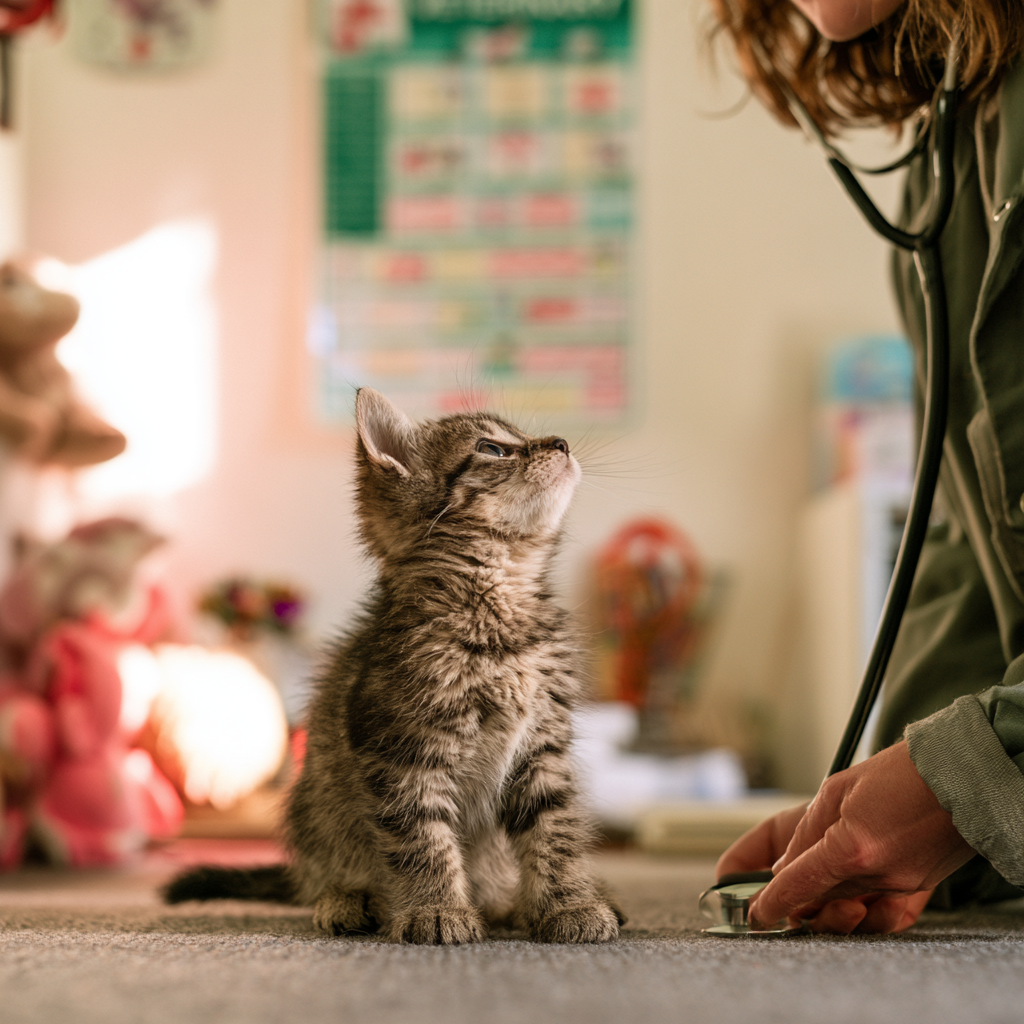
The first vet visit is an exciting yet nerve-wracking experience for both you and your new kitten. Typically recommended around eight weeks of age, this check-up is an opportunity to establish a health baseline and ensure that your kitten is developing normally. During the appointment, the veterinarian will perform a thorough examination, checking for signs of health issues or congenital problems.
You should expect the vet to evaluate your kitten’s heart rate, respiratory rate, and temperature, as well as inspect the eyes, ears, and mouth. Expect to discuss crucial details about your kitten’s diet, behavior, and environment, which can all influence their health.
In preparation for the visit, jot down any questions you may have. Some good topics to consider include:
- What vaccinations are necessary at this age?
- What kind of food should I be feeding?
- How can I tell if my kitten is sick?
- What parasite prevention measures should I take?
- When should I schedule the next visit?
Engaging with your veterinarian at this stage can lay the groundwork for an open relationship, allowing you to feel more confident in your kitten’s care.
Frequency of Vet Check-ups for Kittens
Kittens require a more frequent schedule of veterinary check-ups compared to adult cats to ensure they develop healthily and receive necessary vaccinations on time. Typically, kittens should be seen by a veterinarian every three to four weeks until they are about four months old. These visits will include continued vaccinations and check-ups to monitor growth and any emerging health issues.
Once your kitten transitions into adulthood, the frequency of vet visits will usually change to once a year, but this can vary based on individual health needs. As your kitten matures, pay close attention to behavioral and physical changes that may warrant more frequent visits. Signs to watch for include:
- Changes in eating or drinking habits
- Weight changes
- Changes in energy levels or behavior
- Signs of dental issues such as bad breath or difficulty eating
Regular communication with your vet is essential to adapt your pet’s healthcare plan based on their ongoing development and health status.
Vaccination Schedules and Health Monitoring
Essential Vaccinations for Kittens
Vaccinations are a vital part of veterinary care for kittens, protecting them against various infectious diseases that can be serious or even fatal. The core vaccines that most veterinarians recommend include:
- Feline Panleukopenia (Feline Distemper)
- Feline Calicivirus
- Feline Herpesvirus (Rhinotracheitis)
- Rabies (generally administered around 12-16 weeks)
The initial vaccinations usually start at around eight weeks of age and are followed by booster shots every three to four weeks until your kitten is around 16 weeks old. After this series, adult cats typically receive boosters for certain diseases every one or three years, depending on the vaccine.
Additionally, your veterinarian may discuss non-core vaccines based on your kitten’s lifestyle and risk factors, such as Feline Leukemia Virus (FeLV) for cats that will go outdoors or come into contact with other cats.
Establishing a vaccination schedule early can greatly enhance your kitten’s immunity and reduce the risk of spreadable diseases.
How to Monitor Your Kitten’s Health and Behavior
Monitoring your kitten’s health and behavior is crucial as they grow. There are several specific indicators to watch for, which can help catch potential health problems early. Signs of illness may include:
- Vomiting or diarrhea
- Persistent coughing or sneezing
- Changes in appetite (increased or decreased)
- Increased thirst or urination
- Behavioral changes such as lethargy or aggression
A regular routine of observation can help you familiarize yourself with what is normal for your kitten. It can also make it easier to recognize inconsistencies that may suggest underlying health issues.
Establishing a health diary can be beneficial. Documenting changes in behavior, appetite, and physical appearance gives you a clear picture of your kitten’s health over time and can serve as a reference during vet visits. Additionally, taking note of any littler or specific behavioral changes can help guide your vet in diagnosing potential problems swiftly.
In cases of sudden changes in health or behavior, such as difficulty breathing, noticeable pain, or disorientation, seeking veterinary assistance immediately is crucial. Do not hesitate to contact your veterinarian for advice if you notice anything concerning.
With vigilant care and by maintaining regular veterinary visits, you can ensure your kitten has a solid foundation for a healthy future.
Frequently Asked Questions
What should I expect during my kitten’s first vet visit?
During your kitten’s first vet visit, expect a thorough examination including checks on weight, heart rate, and overall health. The veterinarian will discuss vaccination schedules and answer any questions regarding care and behaviors.
How often should kittens see a vet?
Kittens should typically see a veterinarian every three to four weeks until they are about 16 weeks old for vaccinations. After that, yearly check-ups are usually recommended, unless specific health concerns arise.
What vaccinations do kittens need?
Kittens need essential vaccinations including the FVRCP vaccine for feline viral diseases, rabies, and possibly FeLV, depending on their risk factors. Adhering to the vaccination schedule is important for their health.
How can I tell if my kitten is healthy?
To assess your kitten’s health, monitor their weight, eating habits, litter box usage, and overall energy levels. Any sudden changes in these areas could indicate underlying health issues that need addressing.
What are common health issues in kittens?
Common health issues in kittens include respiratory infections, parasitic infections, and various viral diseases such as feline leukemia or panleukopenia. Regular veterinary care can help identify and address these problems early.