How to Introduce a New Dog to Your Home: Step-by-Step
Bringing a new dog into your home can be a rewarding experience that enriches your life and expands your family. However, knowing how to introduce a new dog to your home is crucial to ensure a smooth transition for both the new furry friend and your existing family members or pets. An effective introduction not only helps everyone feel comfortable but also fosters a safe and welcoming environment where relationships can flourish over time.
Quick answer: To successfully introduce a new dog to your home, prepare your environment by clearing hazards, establishing a designated space, and gathering essential supplies. Introduce family members slowly, set ground rules, and use positive reinforcement to reinforce desirable interactions. Gradually introduce the new dog to existing pets, observe their body language, and adjust the process as necessary to ensure a stress-free experience for everyone.
Preparing Your Home for a New Dog
Clearing potential hazards
Before your new dog arrives, it is essential to make your home a safe haven. This involves clearing potential hazards that could pose a risk to their well-being. Begin by walking through each room and looking for items that could be harmful. Common hazards include:
- Exposed electrical wires that could be chewed on.
- Chemicals, cleaning supplies, and medications that should be stored securely out of reach.
- Small items that could be swallowed or become choking hazards, such as coins, batteries, or children’s toys.
- Houseplants that are toxic to dogs, like lilies, azaleas, or sago palms.
Locks on cabinets and gates can prevent the new dog from accessing potentially dangerous areas. Taking these steps ensures your home is safe and welcoming, allowing your new companion to explore safely.
Setting up a designated space
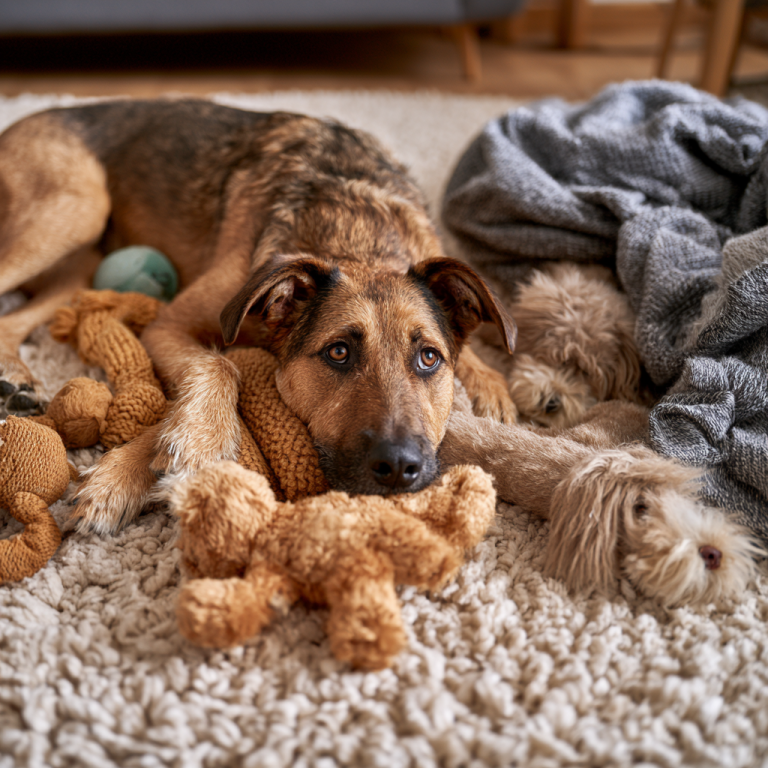
Creating a designated space for your new dog is crucial for their comfort and adjustment. This area should be quiet and free from foot traffic, making it less overwhelming for the new arrival. Consider the following components when setting up the space:
- A cozy dog bed or blanket for resting.
- Bowls for food and water, placed at an appropriate height for your dog’s size.
- Toys that cater to their chewing and playing instincts.
- A crate or gate to establish boundaries and give them a safe retreat when they need it.
By providing a secure environment, you help your new dog feel more at home and can assist them in easing into their new surroundings.
Gathering necessary supplies
Next, ensure you have all the necessary supplies before bringing your new dog home. Essential items include:
- Food tailored to your dog’s age, size, and specific dietary needs.
- Collar and leash for walks and outdoor adventures.
- Identification tags that include your contact information.
- Grooming tools, such as brushes and nail clippers, based on your dog’s breed.
- Veterinary records and any medications they may require.
Having these supplies on hand allows you to focus on welcoming your new dog without unnecessary delays.
How to Introduce a New Dog to Your Home and Family
Introducing the new dog to family members
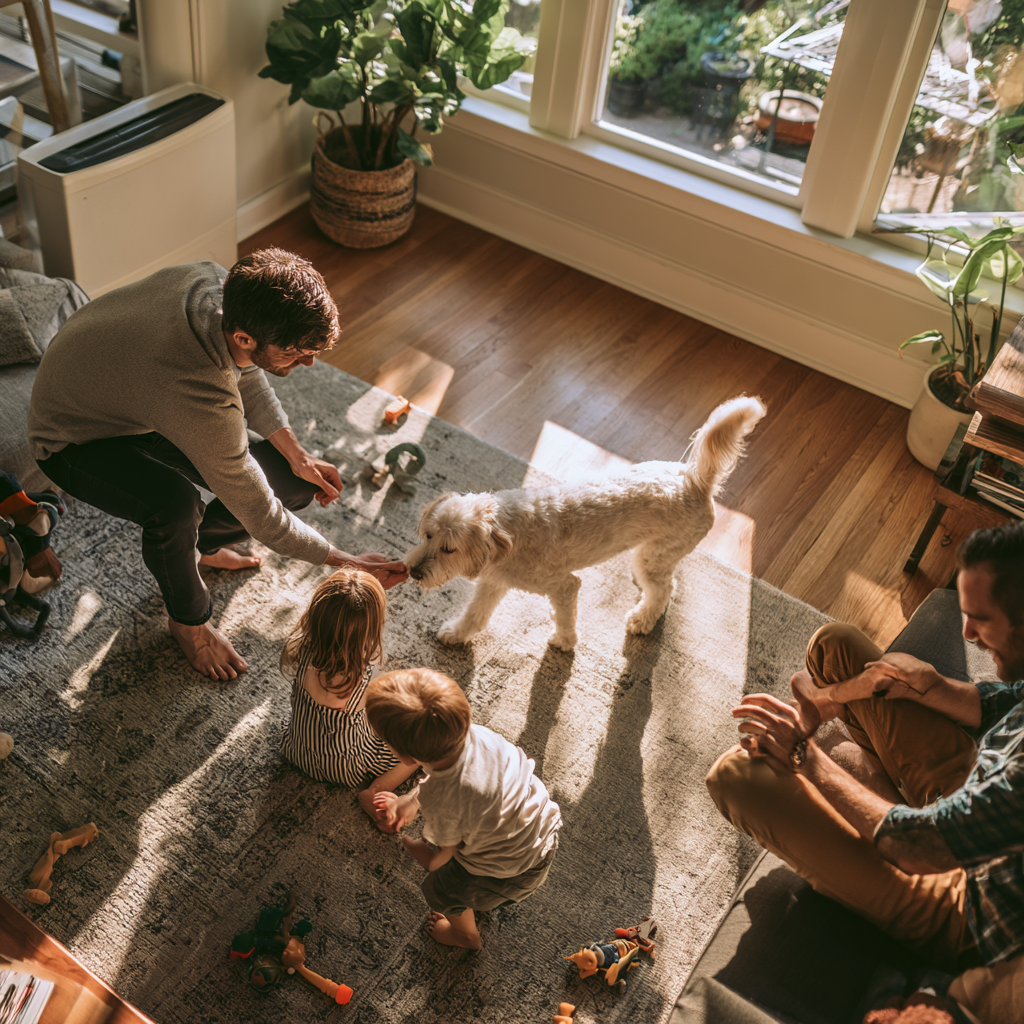
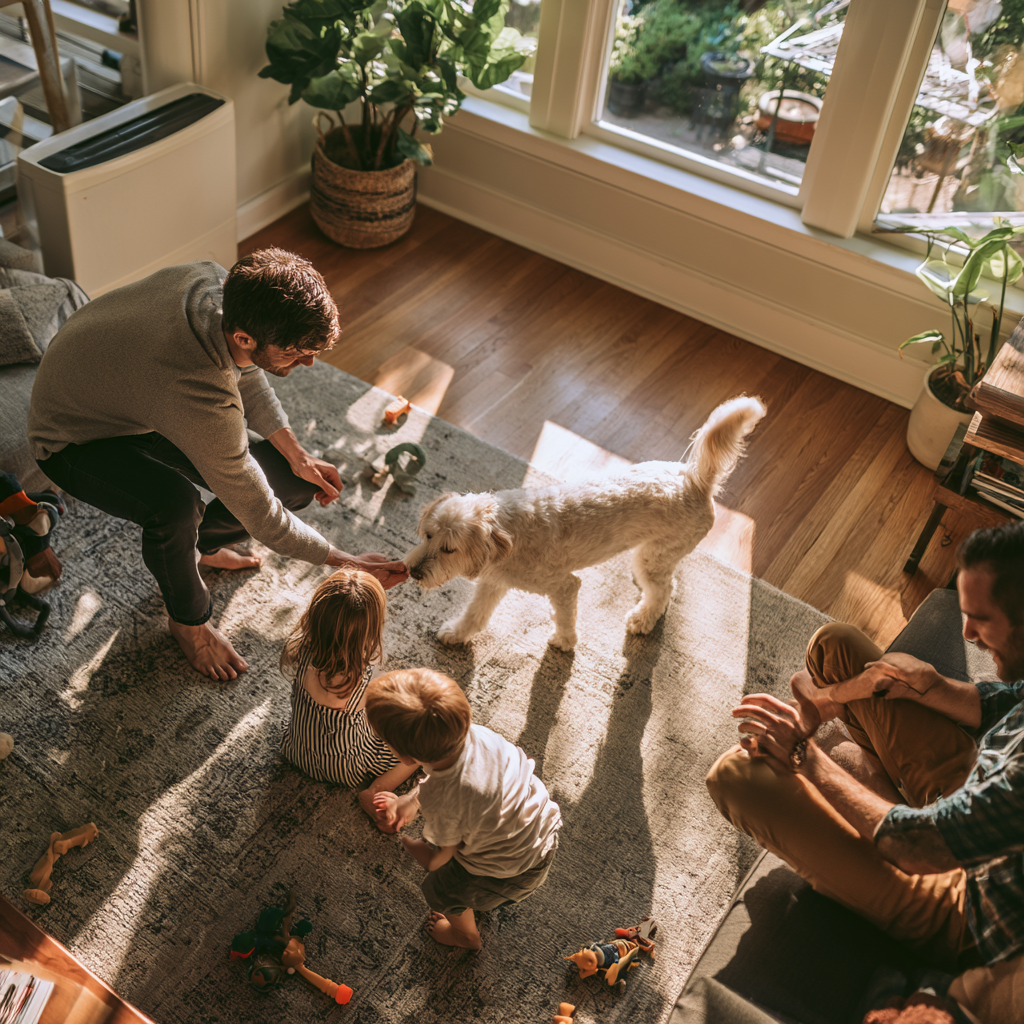
When it comes to introducing your new dog to family members, a thoughtful approach is essential. To initiate the introduction:
- Designate a calm moment where the new dog feels secure and relaxed.
- Have family members approach the dog individually, allowing them to come forward on their own terms.
- Encourage gentle interactions, like offering a treat or playing with a toy, to foster a positive association.
This gradual approach will help the new dog build trust while ensuring that all family members feel comfortable engaging with them.
Establishing ground rules
Clear ground rules are vital as they create consistency, helping the new dog understand expectations. Consider the following:
- Where the dog is allowed to roam within the house and any areas that are off-limits.
- Rules regarding feeding times and spaces to minimize potential conflicts.
- What toys or furniture can be interacted with to prevent unwanted behaviors.
By establishing these parameters early, you create a structured environment conducive to a positive transition.
Using positive reinforcement during introductions
Positive reinforcement is a powerful tool during the introduction phase. By rewarding favorable behaviors, you encourage your dog to make positive associations with their new home and family. Tailor your reinforcement tactics to suit your dog’s preferences. Some techniques to consider include:
- Offering treats when they approach a family member calmly.
- Praising them verbally and providing head scratches for desired behaviors.
- Engaging in play sessions with toys to promote bonding.
Observe how your dog responds to different rewards, as each dog may have unique motivations. This thoughtful approach will ease their adjustment period and strengthen family ties.
Socializing with Other Pets
Gradual introductions to existing pets
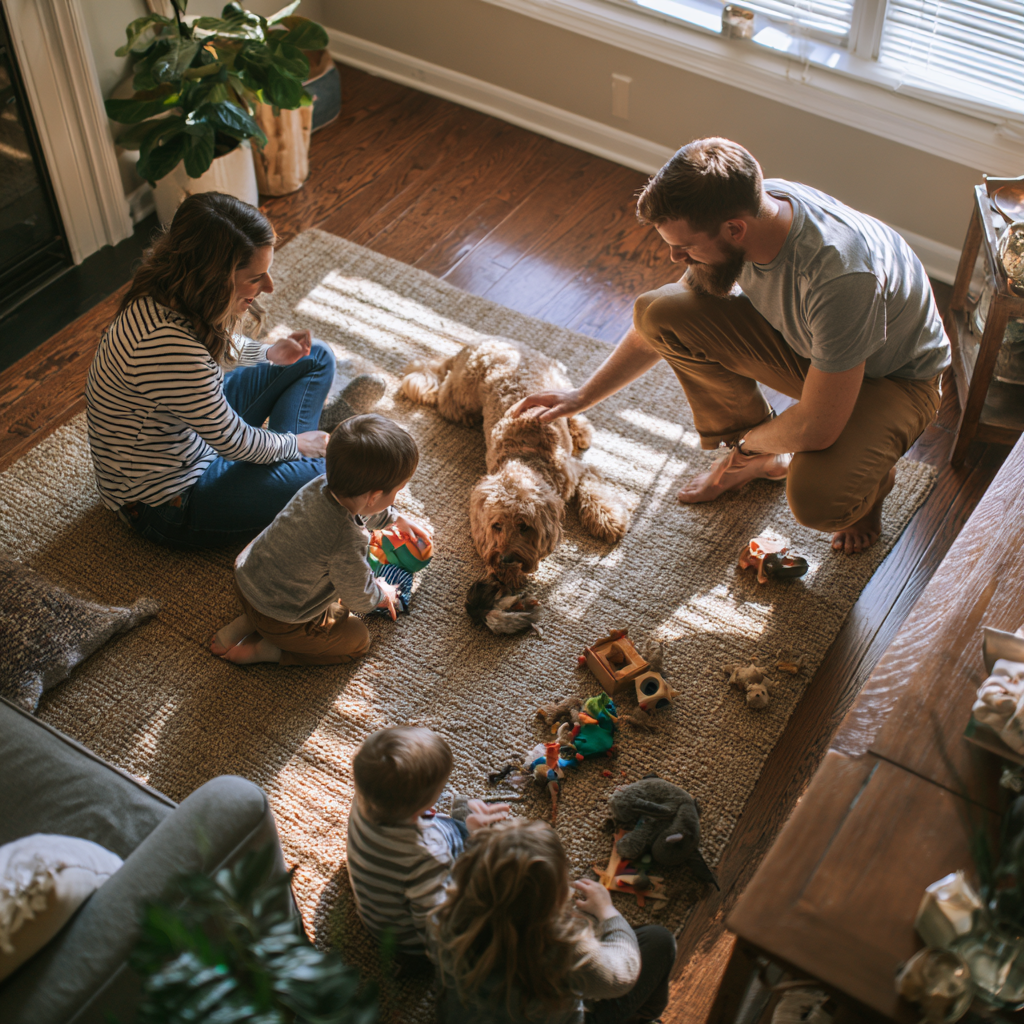
When introducing a new dog to other pets, a gradual approach is crucial to avoid overwhelming either party. Start by scent swapping: allow the new dog to sniff blankets or toys that belong to the existing pets and vice versa before any face-to-face meetings. When it comes time for a direct introduction:
- Choose a neutral area, such as a yard, and keep initial meetings brief.
- Use leashes for better control but avoid restraining the animals too tightly, allowing them to move freely.
- Monitor all interactions closely and separate them if signs of stress or aggression appear.
This careful and patient method can help ease tensions and foster harmony between your pets.
Recognizing positive body language
Observing body language is key to understanding how well the introduction process is going. Positive body language may include:
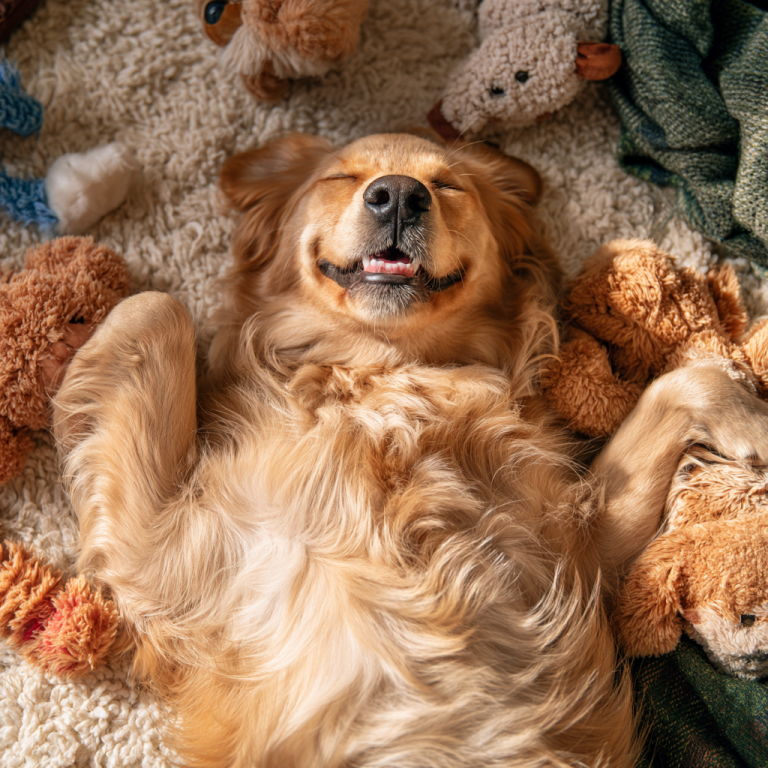
- A relaxed posture, with loose movements and a wagging tail.
- Play bows, where the dog lowers their front end while keeping their rear up, indicating a desire to engage in play.
- Engaging in sniffing without signs of aggression, suggesting curiosity and a willingness to socialize.
Recognizing these signs can reassure you that the introduction is progressing well and that the animals are comfortable with one another.
Signs that pets may need more time
Conversely, it’s equally important to identify signs that either the new dog or existing pets may need more time apart. Look for these signals:
- Stiff body language or raised hackles, indicating discomfort or aggression.
- Excessive barking, growling, or vocalizations that show stress.
- Refusal to engage in play or interaction, displaying a tendency to retreat or hide.
If you notice these behaviors, it’s essential to slow the introduction and allow both parties time to adjust. Forcing interactions could lead to negative associations and further complications.
Monitoring and Adjusting the Environment
Creating a safe zone for the new dog
Establishing a safety zone for your new dog is vital. This area should be consistently accessible to them, where they can retreat when feeling overwhelmed or stressed. Make this space inviting with:
- Comfortable bedding and a few toys to engage with.
- Access to food and water, so they don’t feel the need to wander out unnecessarily.
- A barrier, such as a baby gate, that allows them to observe their surroundings while maintaining a secure area.
Providing this refuge helps your new dog feel secure while adjusting to their new environment.
Observing for signs of stress
Monitoring your new dog for signs of stress is crucial throughout the adjustment period. In addition to body language, pay attention to:
- Changes in appetite, such as not eating or overeating as a response to anxiety.
- Excessive panting, trembling, or whining, which can indicate discomfort.
- Interactions with toys that may suggest stress, such as destructive chewing or playing excessively.
Recognizing these signs can help you make timely adjustments and seek professional advice if needed.
Adjusting the process as necessary
Flexibility is essential during the introduction phase. Be prepared to adjust your approach based on your observations and the individual needs of your dog. This may involve:
- Extending the time between introductions to calm environments.
- Utilizing calming aids such as pheromone diffusers or anxiety wraps if stress levels remain high.
- Consulting with a dog trainer or behaviorist for personalized strategies.
Listening to your dog’s needs will ultimately lead to a more harmonious household and a successful integration into the family.
Frequently Asked Questions
What is the best way to introduce a new dog?
The best way to introduce a new dog involves preparing your home, introducing them gradually to family members and existing pets, while using positive reinforcement to foster trust and comfort.
How can I make my new dog feel comfortable at home?
Making your new dog feel comfortable at home includes setting up a designated space with a bed and toys, clearing potential hazards, and providing consistent routines and positive interactions.
Should I introduce my new dog to my other pets immediately?
Introducing your new dog to other pets should be done gradually. Start with scent introductions before allowing them to meet face-to-face, observing their reactions closely during the process.
How long does it take for a new dog to adjust to a new home?
The adjustment period for a new dog can vary significantly based on the individual animal’s personality and history. Some may acclimate in days or weeks, while others may take several months to fully settle in.
What are common signs of stress in dogs during introductions?
Common signs of stress in dogs can include excessive panting, whining, growling, or showing avoidance behaviors like hiding. Recognizing these signals is important for adjusting interactions and ensuring the dog’s comfort.