Why Do Cats Knock Things Over? Understand Their Behavior
Why Do Cats Knock Things Over? is a question many cat owners find themselves asking after witnessing their pet casually swipe a glass from a table or push a favorite toy off a shelf. This curious behavior can be puzzling and frustrating, especially when it seems to happen at the most inconvenient times. Understanding the underlying causes of this action is essential in maintaining a harmonious household while ensuring your feline friend’s needs are met.
Quick answer: Cats often knock things over as a result of their natural curiosity, playful instincts, or a desire to gain attention. While this behavior can be amusing, it also reflects deeper aspects of their personality and environmental interactions.
Why Do Cats Knock Things Over? Exploring the Behavior
Curiosity as a driving factor
Cats are known to be inquisitive creatures, constantly seeking out new stimuli in their environment. One of the reasons they engage in knocking over objects can be attributed to their instinctual drive to explore. When a cat swipes an object off a surface, it may be testing its stability or curious about the reaction that will follow.
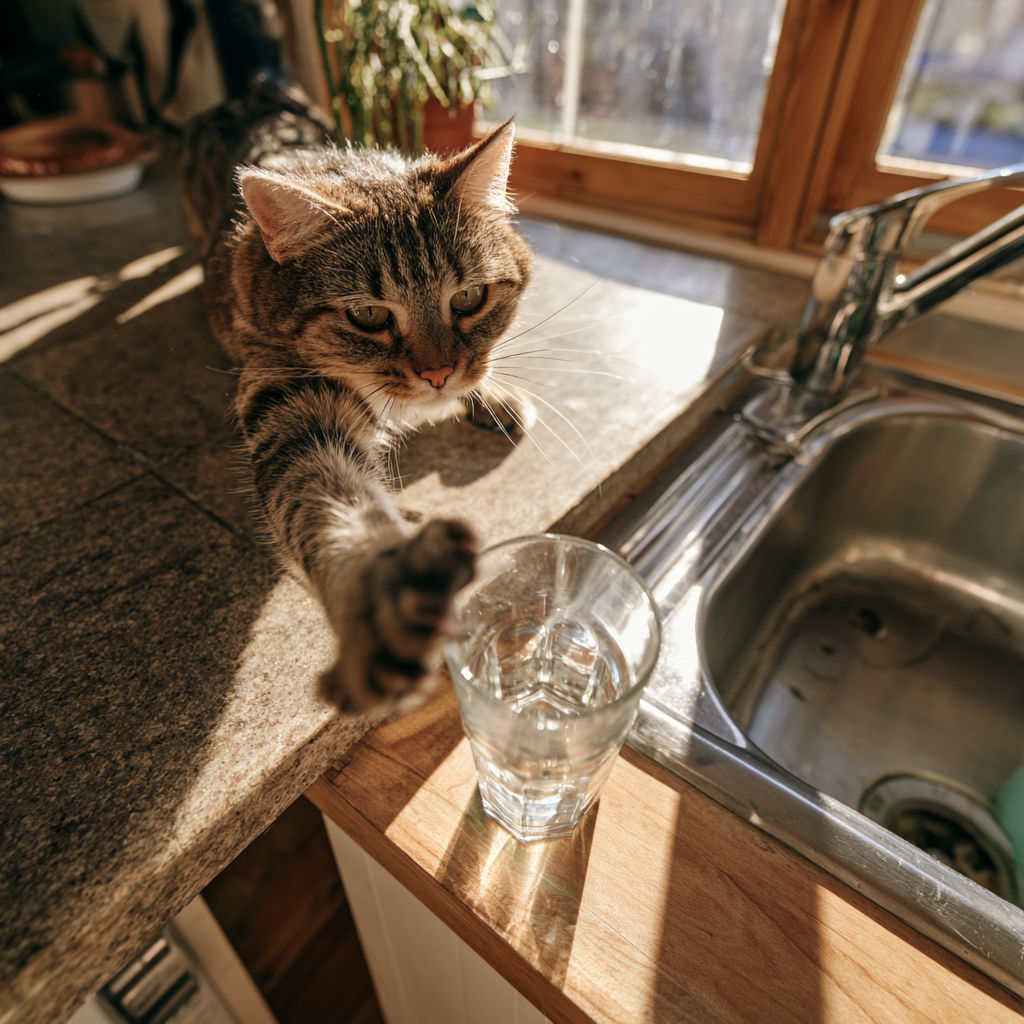
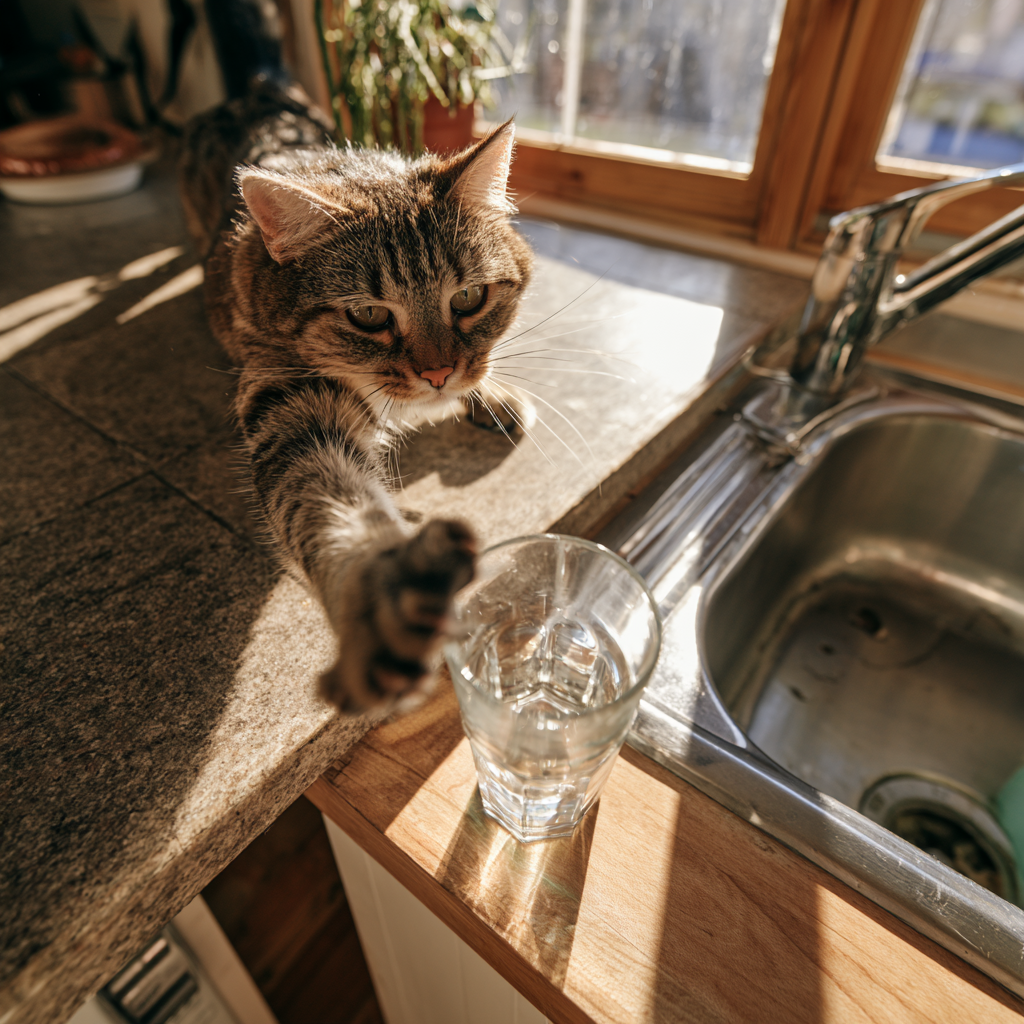
To illustrate this behavior further, imagine a cat sitting on a kitchen counter, batting at a coffee mug with its paw. The mug’s movement combined with the sound it makes upon hitting the floor fascinates the cat. It’s essential to recognize that this behavior can lead to safe and unsafe exploration. Some safe items cats might knock over include:
- Lightweight plastic cups
- Small balls of yarn
- Paper balls
However, certain items can pose risks, such as:
- Fragile glassware
- Ceramic figurines
- Electronics with loose cables
Encouraging curiosity in safe environments can yield beneficial results. Providing a cat tree, puzzle toys, or interactive play sessions can fulfill their need to explore without causing damage.
Playful tendencies in cats
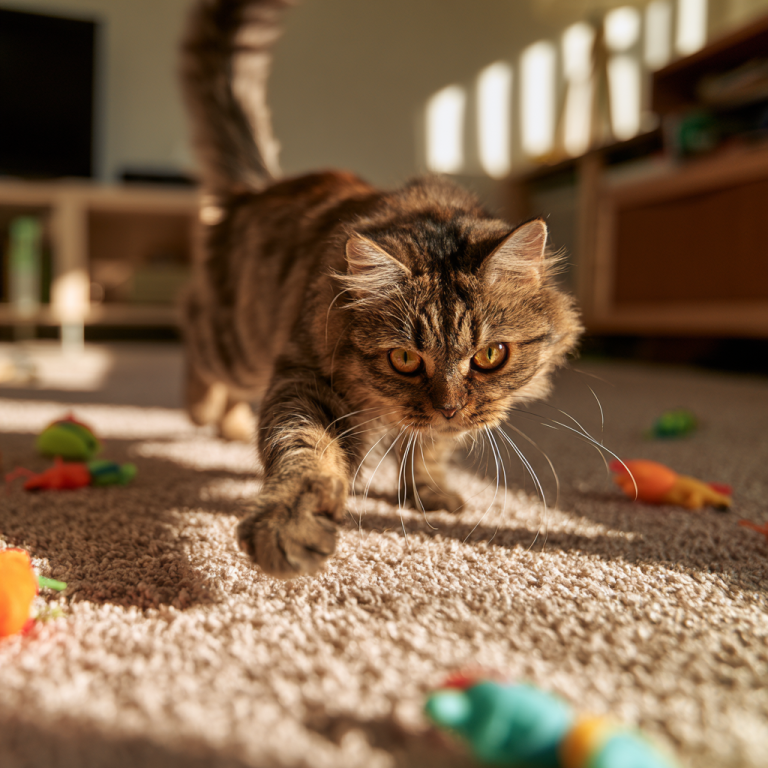
Another dimension to the question, “Why Do Cats Knock Things Over?” is the playful nature of felines. Cats are playful hunters by nature, and their behavior often mimics the actions they would take in the wild. Pouncing, swiping, and knocking objects down can be a form of practice for their hunting skills.
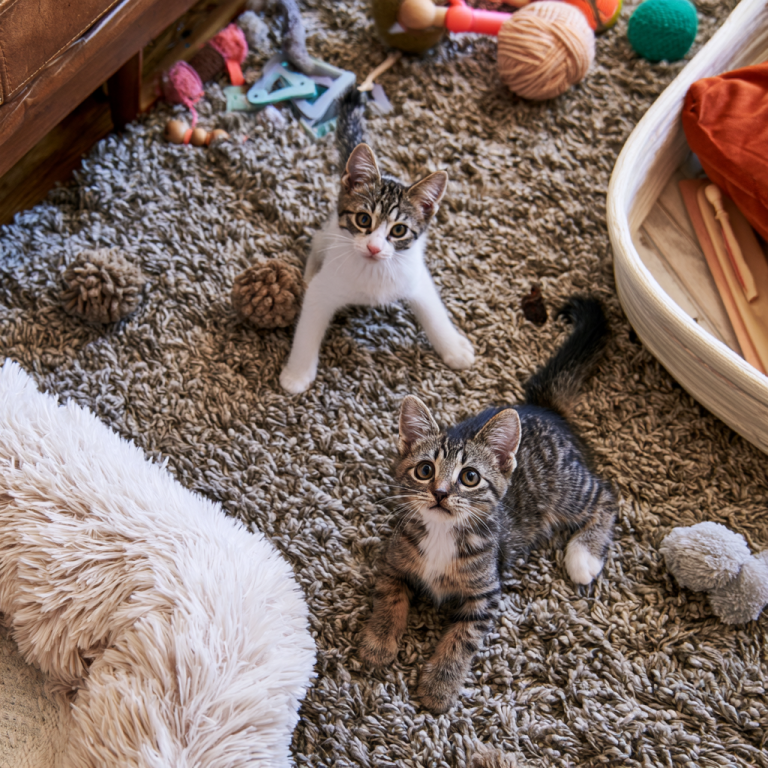
Consider how kittens learn and develop; their play often includes batting at or knocking over objects to mimic stalking and attacking prey. This playful behavior not only satisfies their instincts but also serves as a source of entertainment. Providing designated toys can redirect this instinctive action and promote healthier play. You might consider offering:
- Interactive feather wands
- Battery-operated toys that move
- Ball-and-chase toys
By satisfying their playfulness with appropriate items, you may find they are less inclined to target household objects, resulting in a calmer environment.
Understanding Attention-Seeking Behavior
How knocking things over gains your attention
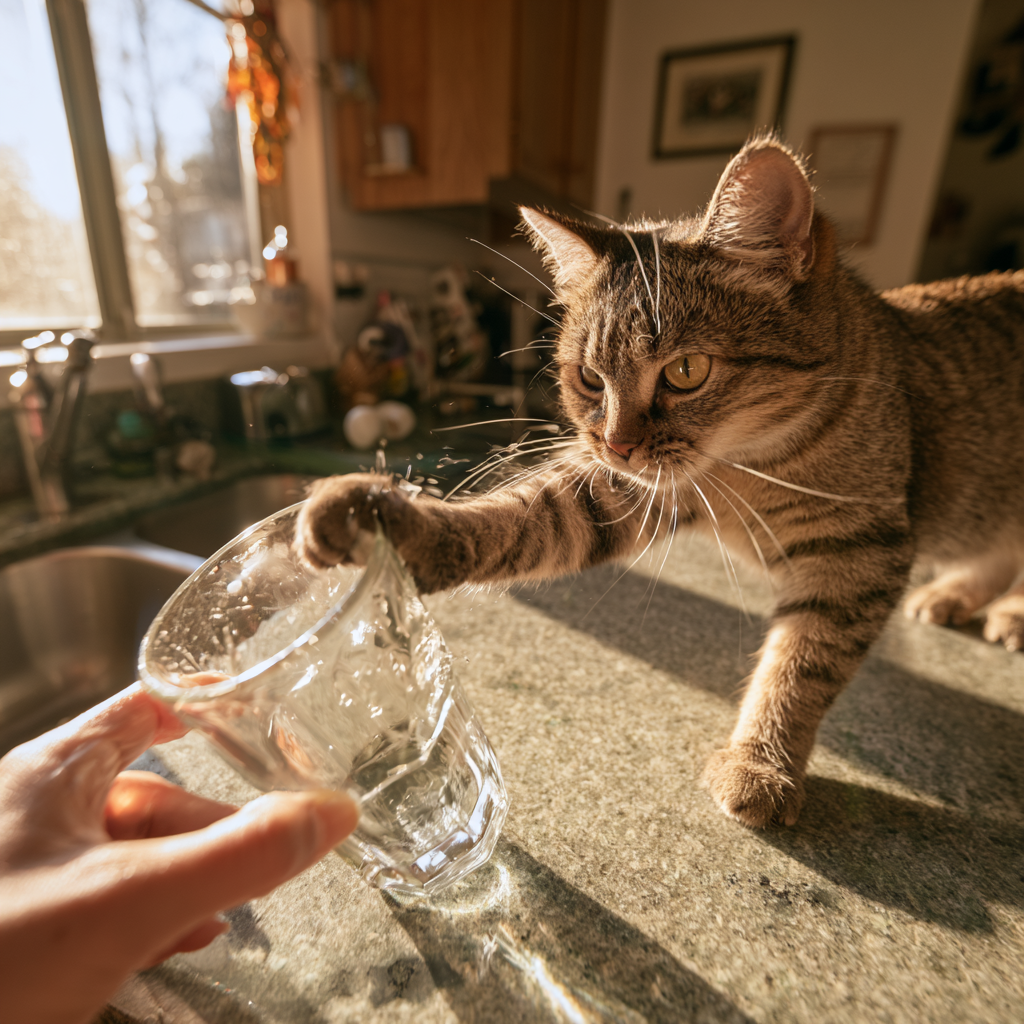
Knocking objects over can often be a way for cats to engage their owners and seek attention. Cats communicate through behaviors, and when they notice that swiping a glass or tossing a paperclip leads to a reaction from their human, they may repeat the action to elicit the same response. This can particularly be true if they feel ignored or if their needs aren’t being adequately met.
If you’ve experienced your cat knocking something over to gain your attention, it’s important to recognize this as a legitimate form of communication. They may be trying to signal that they want playtime, food, or simply company. However, if they continue this behavior excessively, it may be necessary to redirect their attention. Here are a few approaches:
- Set specific times for play to engage their need for interaction.
- Provide food puzzles or toys to keep them mentally stimulated.
- Have designated play areas that are entertaining and safe.
If knocking objects over continues to escalate, consider assessing your routine and ensuring that your cat receives adequate attention throughout the day.
Interpreting your cat’s signals
Each cat is unique in personality and can display a range of signals indicating various needs. Understanding these signals can greatly improve your ability to respond effectively to their knocking behavior. Some typical signs to look for include:
- Vocalization, like meowing or chirping, often signals a call for attention.
- Pawing at you or objects in their environment can indicate boredom or a desire to play.
- Restlessness, such as pacing around the house, may suggest they need more stimulation.
By interpreting these signals accurately, you can reshape your interactions and create a channel for constructive engagement, thus lessening the need for attention-seeking behaviors like knocking things over.
Environmental Exploration and Feline Instincts
Territorial behavior related to knocking objects
Cats are instinctively territorial animals, and knocking objects over can be part of asserting dominance in their environment. They may swipe at an item to claim ownership of a space or as a means of marking their territory with scent. For some cats, this behavior manifests as a way to express their comfort and confidence in their environment.
Taking steps to improve your cat’s perception of their territory can reduce such behaviors. This might include establishing a comfortable and secure environment within your home or providing enriching spaces. Here are some ways you can do this:
- Create vertical spaces, such as shelves or cat towers, that are exclusively for your cat.
- Maintain a litterbox that is clean and accessible, reinforcing their sense of control.
- Allow access to sunlit or quiet areas that feel safe when they want time to themselves.
By enhancing their environment, you reduce the need for them to express territory through disruptive behaviors, such as knocking objects over.
Safety tips for managing disruptive behavior
While understanding why cats knock things over is crucial, it’s equally important to establish strategies for managing this behavior effectively. Disruptive actions can lead to frustration or damage around the house. Here are some practical tips for minimizing incidents:
- Move fragile or valuable items out of reach or onto stable surfaces.
- Use heavier, unmovable objects for decorations and only keep lightweight items within their reach.
- Offer alternatives, such as engaging toys that can safely occupy their interest.
- Consider behavioral training methods, rewarding desired behavior rather than punishing the unwanted stuff.
If knocking over objects continues to be problematic despite these efforts, consulting a professional animal behaviorist may provide invaluable support and tailored strategies that suit your cat’s personality.
Frequently Asked Questions
Why do cats like to knock things off tables?
Cats often knock things off tables due to curiosity, playfulness, or a desire for attention. This behavior allows them to engage with their environment as they explore and utilize their predatory instincts.
Is knocking things over a sign of boredom in cats?
While knocking things over can stem from boredom, it can also be a form of play or exploration. Observing the specific context can help determine if your cat is seeking stimulation or simply indulging in lively antics.
Can knocking things over be a form of play for cats?
Yes, knocking things over can be a playful behavior for cats. It allows them to mimic hunting actions and explore their environment, making it a part of their natural play instinct.
What should I do if my cat keeps knocking things over?
If your cat frequently knocks things over, consider redirecting their energy into appropriate play activities, providing enriching toys, and ensuring fragile items are safely stored away.
Do all cats knock things over?
Not all cats engage in the behavior of knocking things over, but many do. Individual personality traits, environmental factors, and their unique play styles contribute to the frequency of this behavior.