Why Is My Cat Acting Strange? Understanding Cat Behavior
Why Is My Cat Acting Strange? Many cat owners have experienced moments when their feline friends seem to behave unusually. Whether your cat is hiding, meowing incessantly, or refusing to eat, these shifts in behavior can be concerning. Understanding the possible reasons behind these changes can help you determine the best course of action to ensure your cat’s well-being.
Quick answer: A cat may act strange due to various factors including stress, anxiety, environmental changes, or health issues. Observing their behavior closely and identifying patterns can help you address the underlying causes effectively.
Why Is My Cat Acting Strange? Understanding the Causes
Common reasons for sudden cat behavior changes
Cats are creatures of habit, and any deviation from their usual behavior can stump even the most seasoned cat owners. Various factors can contribute to sudden changes in behavior, including:
- Environmental Changes: A recent move, new furniture, or the arrival of a new family member can create a sense of instability for your cat.
- Changes in Routine: If you’ve altered your daily schedule, the disruption can lead to confusion or anxiety in your cat.
- Stress Factors: Loud noises, such as construction work or fireworks, can trigger a response in sensitive cats.
- Social Interactions: Cats may react to the presence of unfamiliar animals or people, displaying heightened alertness or withdrawal.
Recognizing the context in which your cat is acting strange is crucial. Keep a close eye on their behavior and note any recent changes in their environment or daily routine before concluding that there’s an underlying issue.
Behavioral signs of stress and anxiety
When cats are feeling stressed or anxious, their behaviors can manifest in noticeable ways. Some common signs include:
- Excessive Grooming: Cats may over-groom themselves, leading to bald patches, as a way to reduce stress.
- Aggression: Sudden aggression, such as hissing or swatting, may indicate that a cat feels threatened.
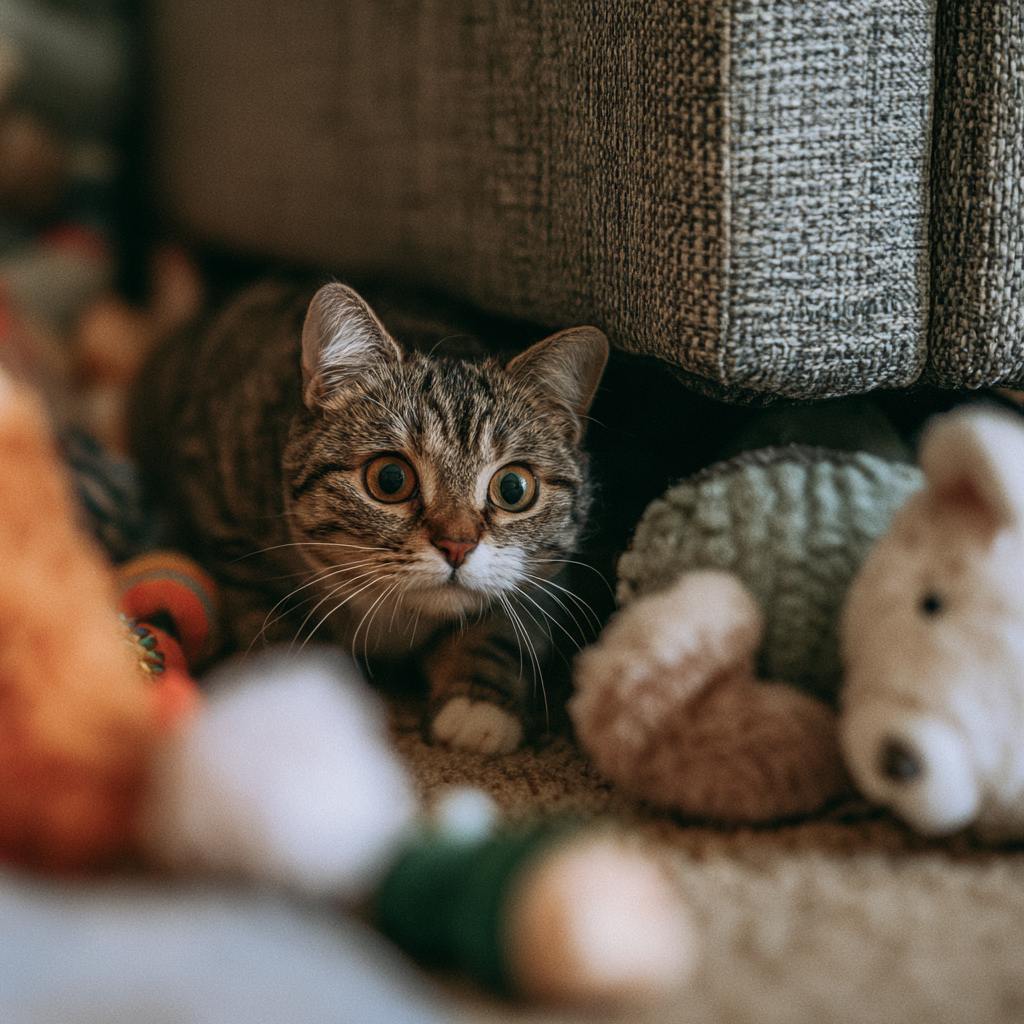
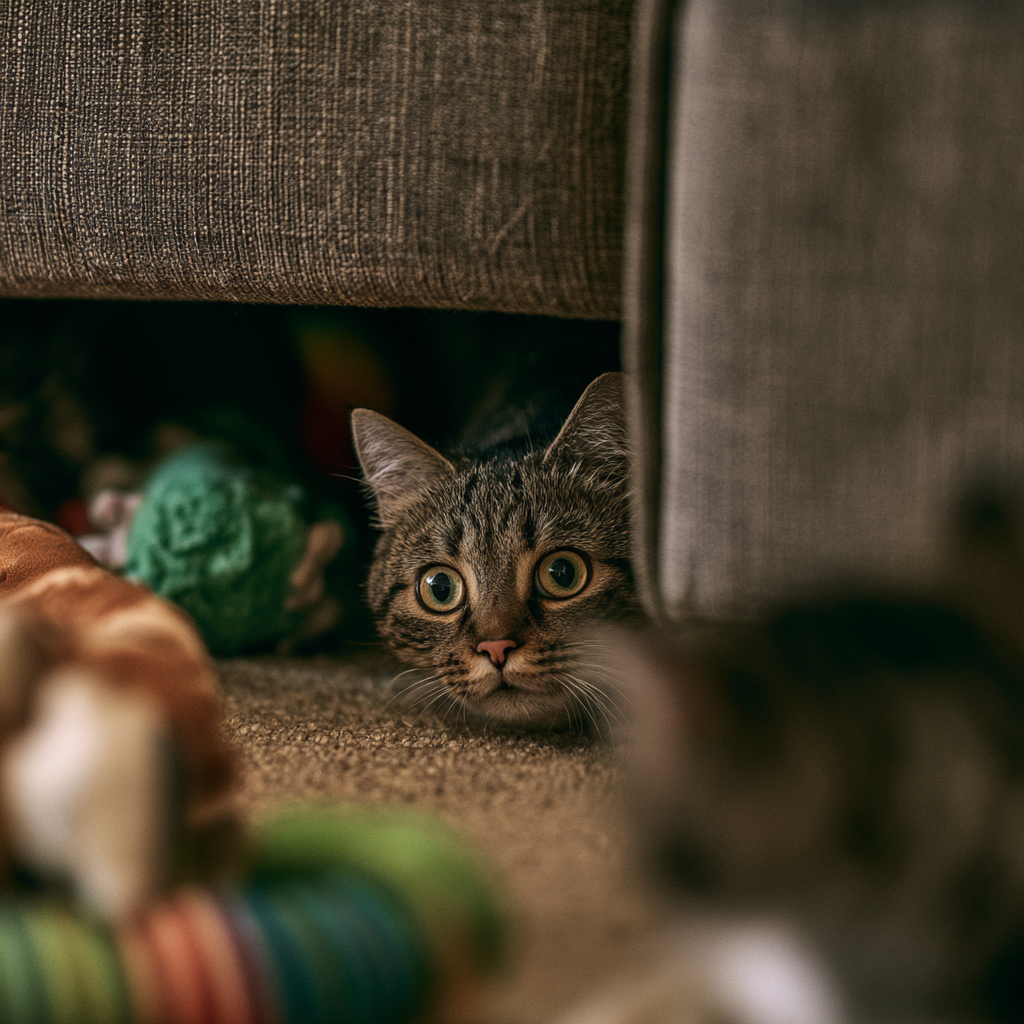
- Hiding: If a cat retreats into a hiding space, it often signifies a need for safety and comfort.
- Change in Appetite: Stress can lead to loss of appetite or excess eating; either behavior may reveal underlying anxiety.
If you notice these signs, creating a calm environment may help your cat feel more secure. This could involve providing safe spaces, engaging in gentle play, or simply allowing them time to adjust.
Health Issues That Might Cause Strange Behavior
Recognizing potential health problems
Sometimes, strange behavior in cats can signal health issues that need to be addressed. While every cat is unique, there are some general health problems to be aware of, including:
- Chronic Pain: Conditions such as arthritis can make movement uncomfortable, resulting in changes in activity level or grooming habits.
- Infections: Urinary tract infections or gastrointestinal issues can lead to behavioral changes like more frequent litter box visits or increased vocalization.
- Hyperthyroidism: This hormonal issue can cause increased energy levels and unusual irritability.
- Neurological Disorders: Problems with coordination or signs of confusion could indicate neurological issues that require medical attention.
Keep an eye out for any other signs of illness, such as lethargy or vomiting, as these can help form a clearer picture of your cat’s health.
When to consult a veterinarian
It’s important to consult a veterinarian if your cat’s behavior changes significantly and remains unexplained. Consider reaching out in the following situations:
- If the abnormal behavior persists for more than a couple of days.
- When you observe other concerning symptoms like vomiting, diarrhea, or significant weight loss.
- If your cat becomes overly aggressive or shows signs of extreme fear.
- When routine interventions—such as providing a calm environment—do not yield any improvement.
Your vet can conduct a thorough examination and recommend appropriate tests or treatments based on your observations. Timely intervention can often make a significant difference in your cat’s recovery.
How to Approach a Cat Displaying Unusual Behavior
Strategies for calming a stressed cat
If your cat is reacting strangely, taking a gentle approach can help alleviate stress and anxiety. Here are several strategies to consider:
- Create Safe Spaces: Designate areas within your home where your cat can retreat and feel secure. This could be a quiet room or a cozy hiding place.
- Use Feliway Products: Synthetic feline pheromones can create a calming effect and may help your cat relax.
- Maintain Routine: Keeping feeding times and play sessions consistent can provide a sense of familiarity, helping to reduce anxiety.
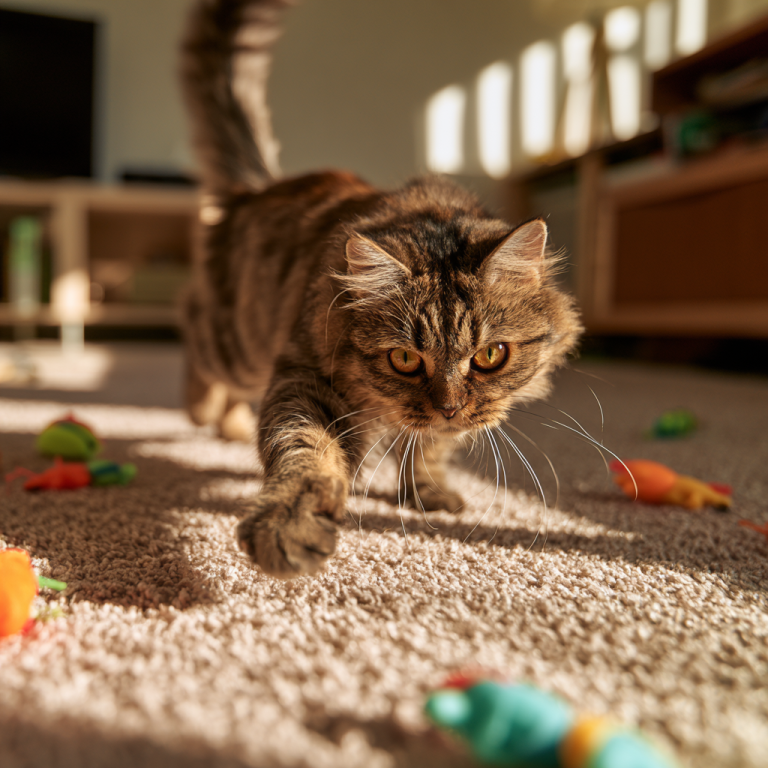
- Engage in Gentle Play: Interactive toys can encourage your cat to play without overwhelming them. Try using feathers or laser pointers to stimulate their energy positively.
Monitor your cat’s reactions to these strategies, and remember that patience is key in helping them adjust to any changes or stresses.
Understanding your cat’s communication signals
Cats communicate a lot through their body language and vocalizations, so understanding their signals is crucial. Some key indicators to watch for include:
- Tail Positioning: A raised tail generally indicates confidence or happiness, whereas a lowered or puffed-up tail might suggest fear or discomfort.
- Ears and Eyes: Forward-facing ears and wide eyes denote curiosity, while flattened ears and squinting may show distress or aggression.
- Vocalizations: Different meows or growls can convey various messages. Pay attention to the tone, volume, and frequency; a higher pitch may indicate excitement or fear, while a low growl suggests annoyance.
By closely observing their communication signals, you can better understand your cat’s emotional state and respond appropriately to their needs.
When faced with peculiar cat behavior, it is essential to recognize the root causes, whether they stem from stress, health issues, or environmental changes. By utilizing effective calming techniques and fostering communication, you can help your feline friend navigate their emotional landscape.
Frequently Asked Questions
What are the signs my cat is stressed?
Signs of stress in cats may include excessive grooming, aggressive behavior, hiding, and changes in appetite or litter box habits. Monitoring these behaviors closely can give you insight into your cat’s emotional state.
How can I tell if my cat is sick?
If your cat shows signs such as lethargy, vomiting, diarrhea, or any persistent changes in behavior or appetite, it may indicate health issues. Observing your cat for these symptoms can help in seeking timely veterinary care.
Why is my cat hiding all of a sudden?
A cat may hide suddenly due to stress, fear, or illness. When a cat feels vulnerable or overwhelmed, it may seek a calm, secure place to retreat.
What should I do if my cat is growling?
If your cat is growling, it generally indicates that they are feeling threatened or uncomfortable. It’s best to give them space, avoid direct eye contact, and allow them time to calm down.
Are there certain foods that could upset my cat’s behavior?
Yes, certain foods can upset a cat’s digestive system, leading to behavioral changes. Rich or unfamiliar foods may cause gastrointestinal upset; it’s advisable to introduce new foods gradually and consult a vet if concerns arise.