Why Does My Cat Hide Under the Bed? Understanding Your Cat’s Behavior

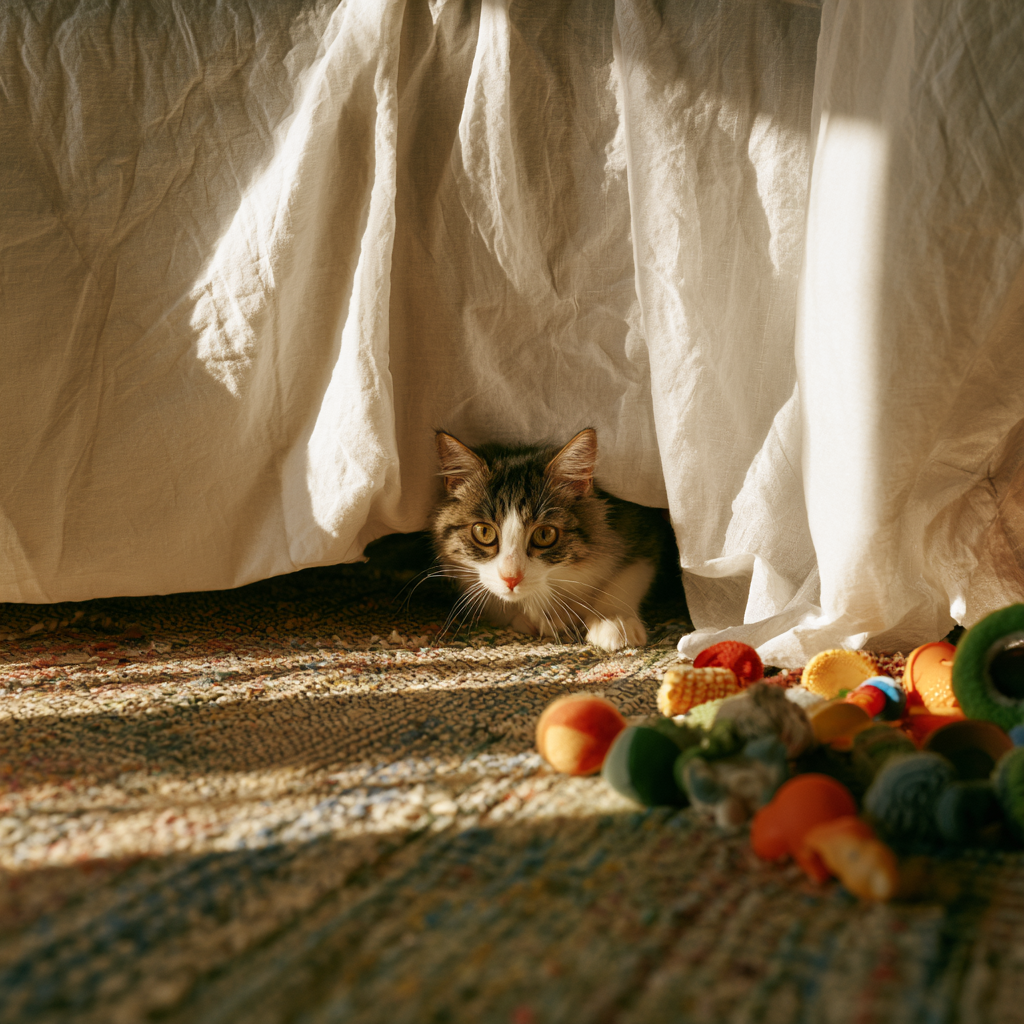
Why Does My Cat Hide Under the Bed? This is a question many cat owners find themselves asking at one point or another. Cats are naturally secretive creatures, often seeking out tight spaces to feel secure. The behavior of hiding, particularly under the bed, can arise from various factors, including instinctual tendencies and reactions to their environment. Understanding the reasons behind this behavior is crucial for helping your feline friend feel comfortable and safe.
Quick answer: Cats may hide under the bed due to stress, anxiety, or instinctual behaviors. Providing a safe environment, understanding their needs, and addressing potential health issues can help mitigate this behavior.
Why Does My Cat Hide Under the Bed?
Common reasons for hiding
Hiding under the bed can serve multiple purposes for a cat, and recognizing the various reasons is key to addressing the behavior. Here are some common reasons:
- Instinctual Behavior: In the wild, cats often seek dens or enclosed spaces as a way to protect themselves from predators and other threats. This survival instinct is ingrained in domestic cats, often leading them to seek out similar hiding spots.
- Seeking Comfort: Cats can feel overwhelmed by noise, activity, or unfamiliar scents in their environment. A bed or similar space may provide a safe retreat from what they perceive as stressors.
- Fear or Anxiety: Cats may hide when they feel scared or anxious. This can occur due to changes in their environment, such as moving homes, the introduction of a new pet or family member, or even loud noises such as thunderstorms or fireworks.
- Health Issues: Occasionally, hiding can be a response to physical discomfort. If a cat is in pain or feeling unwell, they may retreat to a safe, enclosed space.
Impact of environment on behavior
The environment plays a significant role in a cat’s behavior. Factors such as loud noises, the presence of unfamiliar animals or people, and changes in routine can all lead to increased hiding behaviors. Providing stability and a peaceful atmosphere can help alleviate some of these stressors. For example:
- Noise Levels: If your home has frequent loud sounds, consider creating a quieter space. This might mean using thick curtains to muffle external noises or ensuring certain rooms are calm.
- Social Settings: Frequent visitors can stress some cats. Offer a sanctuary they can retreat to when the home becomes too bustling.
- Change in Environment: When introducing new furniture or items, do so gradually, allowing your cat to adjust without feeling threatened.
Understanding Anxiety and Stress in Cats
Signs of an anxious cat
Cats exhibit various signs of anxiety, and recognizing these signals can guide you in addressing their needs. Beyond hiding under the bed, an anxious cat may show:
- Vocalization: Increased meowing or yowling can indicate distress. Cats may use their voices more when unsure or fearful.
- Withdrawal: If a cat isolates itself more than usual, especially from social interactions or playtime, this could suggest anxiety.
- Increased Aggression: Some cats may respond to stress with aggression, either towards people or other animals.
- Changes in Eating Habits: Anxious cats might eat less than usual or, conversely, may overeat as a coping mechanism.
- Excessive Grooming: Frequently grooming or licking themselves until they develop bald patches can be a sign of stress.
How to reduce anxiety in your cat
Reducing your cat’s anxiety often requires a combination of environmental adjustments and behavioral strategies. Here are some methods to consider:
- Create a Routine: Cats thrive on predictability. Establish a daily routine for feeding, playtime, and quiet time.
- Provide Enrichment: Engaging toys, interactive play, and scratching posts can lessen stress and help your cat feel more secure.
- Use Calming Products: Products such as pheromone diffusers, calming collars, or anxiety-reducing supplements may help soothe your cat.
- Gentle Interactions: Approach your cat slowly and calmly. Allow them to choose when to engage and when to retreat.
- Desensitization: If specific triggers cause anxiety, gradual exposure in a controlled manner can help your cat adjust more comfortably.
Assessing for Health Issues
When hiding can indicate illness
While hiding is often a common behavior, it can also signal something more serious. If your cat spends significantly more time hidden than usual, it could indicate a health issue. Signs to watch for include:
- Changes in Behavior: If your normally social cat becomes withdrawn, this could be a red flag.
- Altered Eating or Drinking Habits: Significant deviations in a cat’s appetite can be an indication of health concerns.
- Physical Symptoms: Observe for other symptoms like vomiting, diarrhea, lethargy, or signs of pain (e.g., hiding their face or changes in grooming habits).
- Extended Hiding Period: Cats that consistently hide for prolonged periods may be unwell.
Consulting a veterinarian
When noticing significant changes in your cat’s behavior or health, consulting a veterinarian is essential. They can thoroughly assess your cat’s condition and may perform tests to rule out underlying issues. Preparing for your visit can include:
- Documenting any changes in behavior, such as hiding and eating patterns.
- Noting any potential triggers for the behavior.
- Bringing up any other concerning symptoms observed alongside the hiding behavior.
Creating a Safe Space for Your Cat
Importance of safe hiding spots
Every cat should have access to safe hiding spots within your home. This allows them to retreat when they feel the need for security. Effective hiding spots provide not only physical safety but also emotional comfort. Some common hiding spots might include:
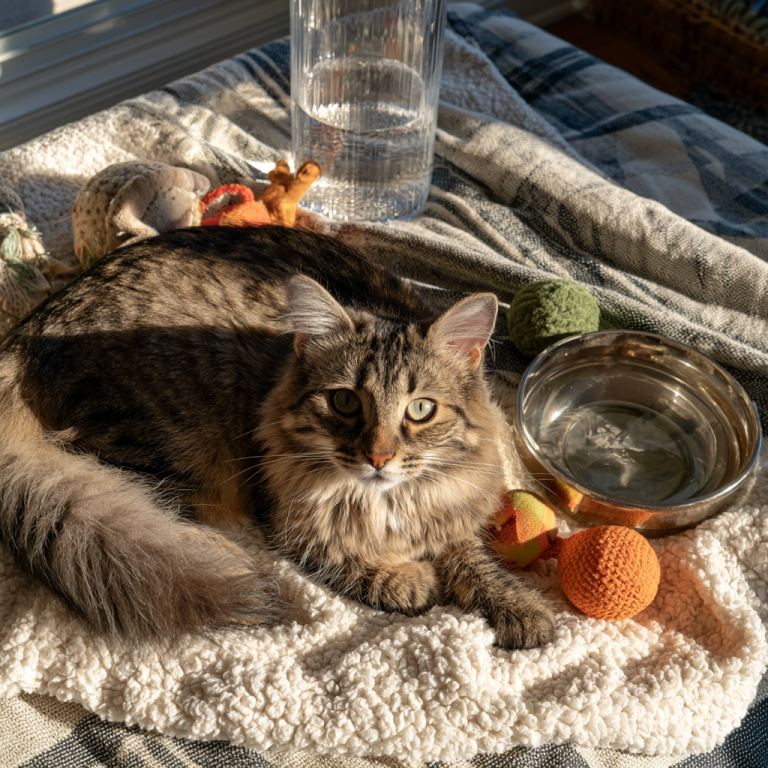
- Cozy Blankets: Offer soft blankets or towels in a quiet corner for a soft, warm retreat.
- Cat Trees or Shelving: Elevated spaces allow cats to observe their surroundings while still feeling secure.
- Cardboard Boxes: Simple cardboard boxes can be enticing; consider making an enclosed space that allows for exploration and retreat.
- Pet Tents: These provide a designated area that feels like a den, offering both concealment and comfort.
- Quiet Rooms: Provide one or two quiet areas with minimal disturbance for cats who are more nervous.
Tips for enhancing comfort
Providing comfort in their safe spaces is essential for helping your cat feel secure. Consider the following tips:
- Temperature Control: Ensure their safe spaces are warm and inviting; cats appreciate warmer spots particularly during colder months.
- Familiar Scents: Place items that smell like you or other familiar scents nearby, such as a worn t-shirt or a blanket.
- Access to Resources: Ensure food, water, and litter boxes are accessible. Position these in quieter areas away from busy household activity.
- Positive Reinforcement: Encourage your cat to use their safe space through treats or toys, associating it with positive experiences.
- Regular Check-ins: Periodically check on your cat in their space, but do so gently and without overwhelming them.
Improving Socialization Through Training
Building trust with your cat
Building trust with your cat is crucial in addressing hiding behaviors. Here are strategies to foster this bond:
- Consistent Interaction: Spend regular, calm time with your cat, allowing them to approach you on their terms.
- Gentle Handling: Avoid sudden movements; approach slowly to avoid startling them.
- Voice Familiarization: Talk softly in a relaxed tone to help them associate positive experiences with your presence.
- Engaging Play: Use toys to engage your cat, allowing them to feel in control during interactions.
Training to reduce hiding behavior
Training can play an essential role in reducing a cat’s inclination to hide, although techniques may vary depending on each cat’s personality and prior experiences. Here are some tips for training:
- Encouragement Instead of Force: Gradually encourage your cat to come out of hiding using treats or toys, but don’t force them.
- Set Up a Routine: Regular feeding and playtime can create a sense of structure and security for your cat.
- Use Clicker Training: Clicker training can help reinforce positive behaviors. When your cat comes out of hiding to interact, reward them with a treat or praise.
- Be Patient: Change takes time. Understand that your cat may progress at their own pace.
- Recognize Individual Differences: Tailor your approach to suit your cat’s unique personality and history — what works for one cat may not work for another.
Understanding and addressing the reasons behind your cat’s tendency to hide under the bed involves observation, patience, and often, some experimentation with their environment and socialization techniques. By fostering a supportive atmosphere and recognizing their individual needs, you can help your feline friend feel more secure and at ease.
Frequently Asked Questions
Why does my cat hide all day?
Cats may hide all day due to various reasons, including stress, environmental changes, or simply feeling secure in their chosen space. It’s essential to consider their overall behavior and environmental factors to understand the underlying cause.
Is it normal for cats to hide?
Yes, it is normal for cats to hide occasionally. However, if hiding becomes frequent or prolonged, it may indicate anxiety or health issues that should be evaluated.
What does it mean when a cat hides?
When a cat hides, it can signify a need for safety, a response to stress, or a sign of discomfort. Observing the context and the cat’s overall behavior is essential for interpretation.
How can I help my cat feel safe?
Creating a calm environment with safe hiding spots, maintaining a consistent routine, and providing interactive play can help your cat feel secure. Regular positive interactions build trust over time.
When should I be concerned about my cat hiding?
If your cat’s hiding becomes excessive or is accompanied by signs of distress, changes in appetite, or behavioral shifts, it’s best to consult a veterinarian to rule out health issues or stressors.
What do I do if my cat is anxious?
To help an anxious cat, ensure they have a safe space, maintain a predictable routine, and engage them in play. Consider using calming products or pheromones to reduce their stress levels.
How can I encourage my cat to come out?
Encourage your cat to come out by placing treats or favorite toys near their hiding spot and giving them space to approach on their own. Patience and gradual exposure can help build their confidence.
Can hiding indicate a health problem?
Yes, hiding can indicate a potential health problem if it’s excessive or coupled with other concerning behaviors. Observing your cat for additional symptoms and consulting a veterinarian is advisable in such cases.