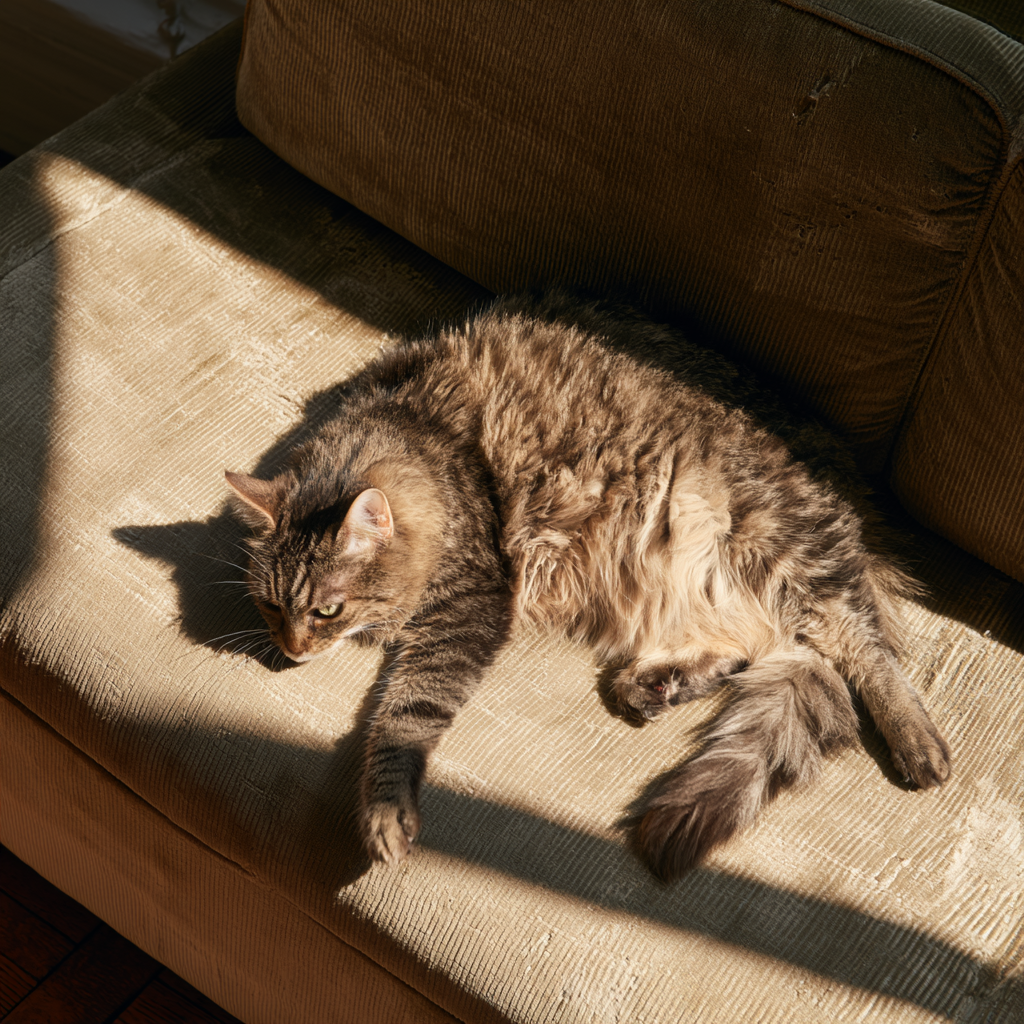
Why Does My Cat Scratch the Furniture?
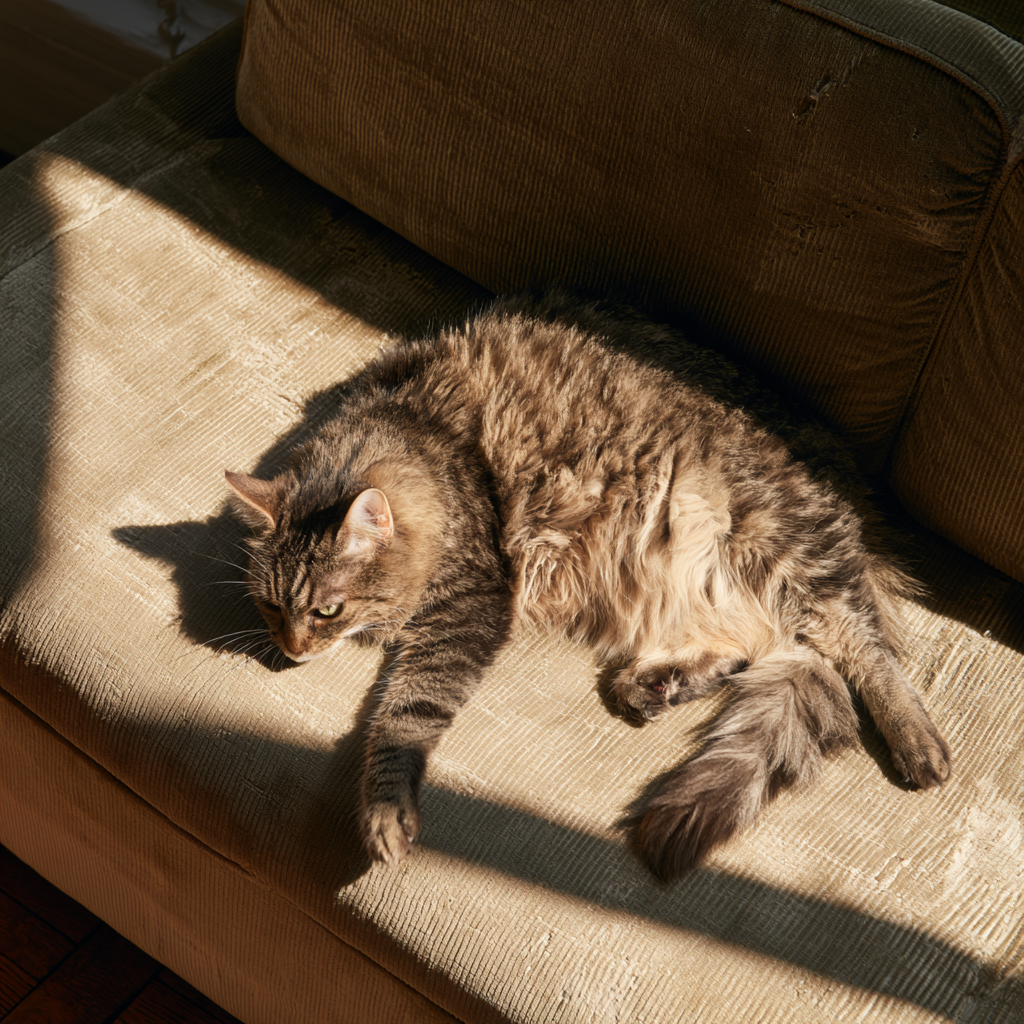
Why Does My Cat Scratch the Furniture? This common dilemma faced by feline owners often leads to frustration, as cats have a natural inclination to scratch objects around them. Understanding the underlying reasons for this behavior not only alleviates concerns about damaged possessions but also empowers you to manage and direct your cat’s scratching habits appropriately. By recognizing the motivations behind scratching, you can implement effective strategies to transform this instinctual act into a more suitable behavior for your home.
Quick answer: Cats scratch furniture primarily to mark territory, maintain nail health, and alleviate stress or boredom. Understanding these motivations can help effectively manage and redirect this behavior.
Understanding Why Does My Cat Scratch the Furniture?
Natural behaviors and instincts
Cats are instinctual creatures that scratch for various reasons rooted in their natural behavior. One fundamental reason is to maintain the health of their claws. Scratching helps to shed the outer sheaths of their claws, revealing sharper, healthier nails beneath. This behavior is not only essential for their physical well-being but also plays a crucial role in their ability to climb, hunt, and defend themselves.
In addition to nail maintenance, scratching serves a territorial purpose. Cats have scent glands in their paws, and by scratching, they deposit scent markings on surfaces. This natural behavior communicates ownership to other animals, both domestic and wild, affirming their presence in the environment. Furthermore, scratching can be a way for cats to stretch their muscles, providing a satisfying physical release that contributes to their overall health.
Ultimately, scratching is a multifaceted behavior that plays a vital role in a cat’s life. Recognizing this instinctual need is essential for understanding and addressing the issue of furniture damage.
Exploring environmental influences
Environmental factors significantly influence a cat’s scratching behavior. Household changes such as moving to a new home, the introduction of new pets, or changes in human schedules can induce stress and anxiety in cats. When faced with such changes, some cats may resort to scratching as a coping mechanism to relieve their stress.
Additionally, the environment itself plays a critical role. Cats are more likely to scratch surfaces that feel good on their claws, which often means softer materials like fabric rather than harder surfaces. If your furniture consists of upholstered items or wood, your cat may perceive them as suitable scratching targets.
Boredom can also prompt scratching; indoor cats especially may scratch furniture if they lack sufficient stimulation, playtime, or proper outlets for their energy. It’s important to provide adequate environmental enrichment to keep them engaged. Scratching may serve as a result of pent-up energy when they do not receive enough mental and physical stimulation.
Understanding these environmental influences can empower you as a cat owner to make necessary adjustments, enhancing your cat’s comfort and reducing unwanted scratching behavior.
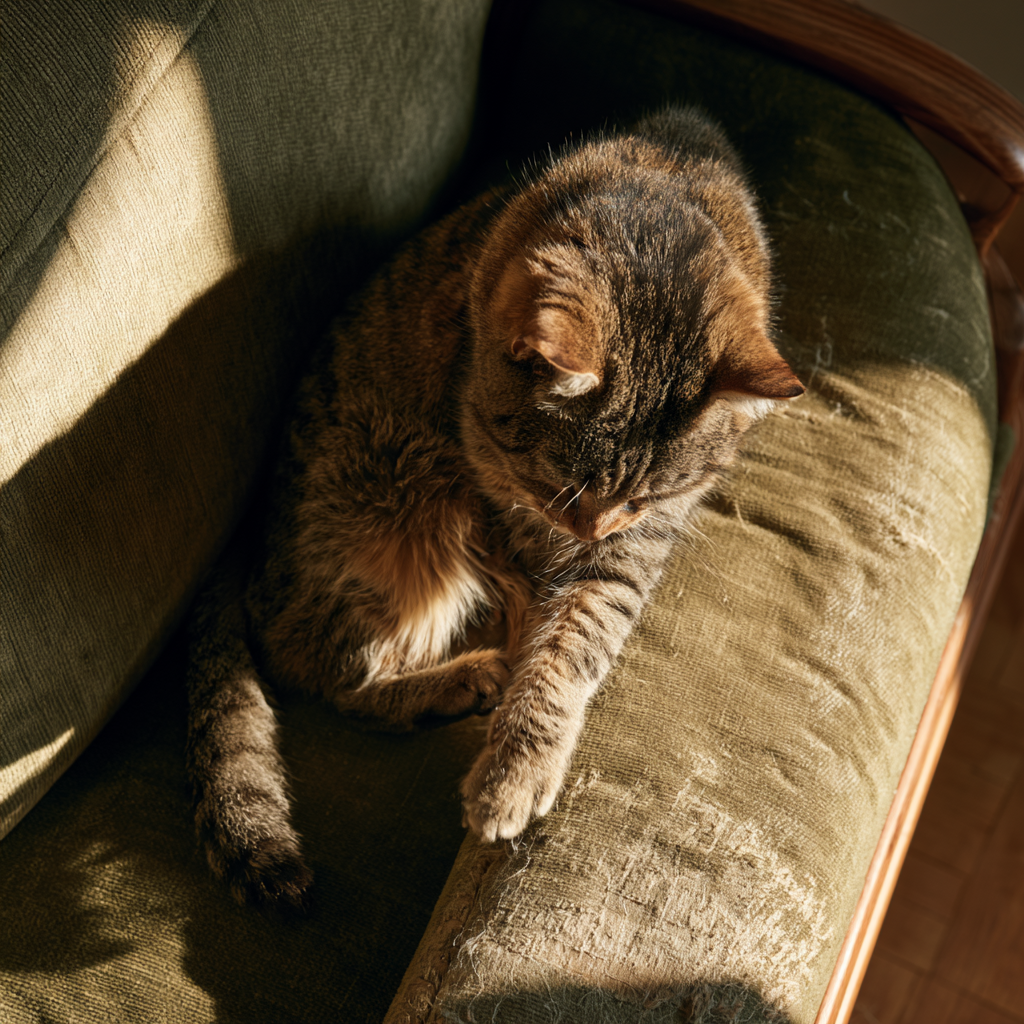
Managing and Redirecting Scratching Behavior
Effective deterrents for furniture
If you’re looking to protect your furniture while allowing your cat to indulge their instinct to scratch, consider implementing effective deterrents. Here are several methods and products recommended to help manage scratching behavior:
- Scratching posts: Invest in high-quality scratching posts made from materials like sisal or cardboard, which are appealing to cats. Place them near the furniture they frequently scratch, allowing them a suitable outlet. Cat trees that combine climbing, scratching, and resting areas can also be beneficial.
- Anti-scratching sprays: There are commercially available sprays designed to deter cats from their favorite scratching spots. These sprays often contain smells that cats dislike, such as citrus or bitter apple. Regular application can help discourage them from scratching the furniture.
- Furniture protectors: Consider using furniture covers, slipcovers, or special furniture scratching guards like double-sided tape, which can make the surface feel unpleasant to scratch without harming your furniture.
It’s essential to remember that no single approach works for all cats. Experimenting with different strategies and observing your cat’s responses will help determine the most effective deterrents.
Training techniques to reduce scratching
Training your cat to change its scratching behavior requires patience and consistency. Here are some techniques to consider:
- Positive reinforcement: Reward your cat with treats or praise when you observe them using the scratching post instead of the furniture. By creating a positive association, your cat may be more inclined to choose the appropriate outlet.
- Redirecting behavior: If you catch your cat in the act of scratching furniture, gently redirect them to their scratching post. Use a toy or a gentle clap to gain their attention and guide them to the appropriate spot.
- Routine playtime: Incorporating regular playtime into your daily routine can help alleviate boredom and excess energy in your cat. Engage them with toys that mimic hunting behavior, such as feather wands or laser pointers.
Finally, be patient and consistent in your approach. It may take time for your cat to adjust to these training methods.
Recognizing stress-related scratching
Not all scratching is simply a result of natural instincts or boredom; some cats may scratch due to stress or anxiety. Signs of stress-related scratching can include more aggressive scratching behavior or increased frequency of scratching. It’s important to recognize these signs as potential indicators of underlying issues.
To help alleviate stress:
- Create a safe space: Provide a quiet area where your cat can retreat when feeling overwhelmed. This space should be free from noise and disturbances.
- Calming products: Consider pheromone diffusers or sprays that can promote a sense of calm in cats. These products imitate natural cat pheromones and can help ease anxiety.
- Regular veterinary check-ups: Regular visits to the veterinarian are vital for your cat’s health. Behavioral changes, including increased scratching, can signal underlying medical issues, and your vet can help assess if there’s a health concern.
Recognizing signs of stress and taking proactive steps can significantly improve your cat’s well-being and reduce destructive scratching behaviors.
Understanding why your cat scratches the furniture is the first step in effectively managing this behavior. By providing appropriate outlets for scratching, enforcing training techniques, and recognizing stress-related signs, you can foster a harmonious environment for both you and your feline friend.
Frequently Asked Questions
What causes my cat to scratch the furniture?
Cats scratch furniture primarily to maintain their claws, stretch muscles, and mark territory with scent. When other appropriate scratching surfaces aren’t available, furniture can become a target.
Is scratching a sign of anxiety in cats?
Scratching can be a sign of anxiety if it’s excessive or occurs after significant changes in the cat’s environment. Observing other stress signals can help determine if the scratching is anxiety-related.
How can I protect my furniture from my cat?
Protecting furniture can be achieved by using scratching posts, applying double-sided tape to furniture, and using protective slipcovers. Also, providing alternative scratching options can help reduce damage.
What should I do if my cat is scratching out of boredom?
If boredom seems to be the cause, consider enriching your cat’s environment with interactive toys, climbing structures, and regular playtime to engage their instincts and redirect their energy.
Can I train my cat to stop scratching furniture?
Yes, you can train your cat to stop scratching furniture by using positive reinforcement techniques, such as rewarding them for using designated scratching posts and redirecting their behavior gently. Consistency in this approach will yield the best results.