Why Does My Dog Follow Me to the Bathroom?
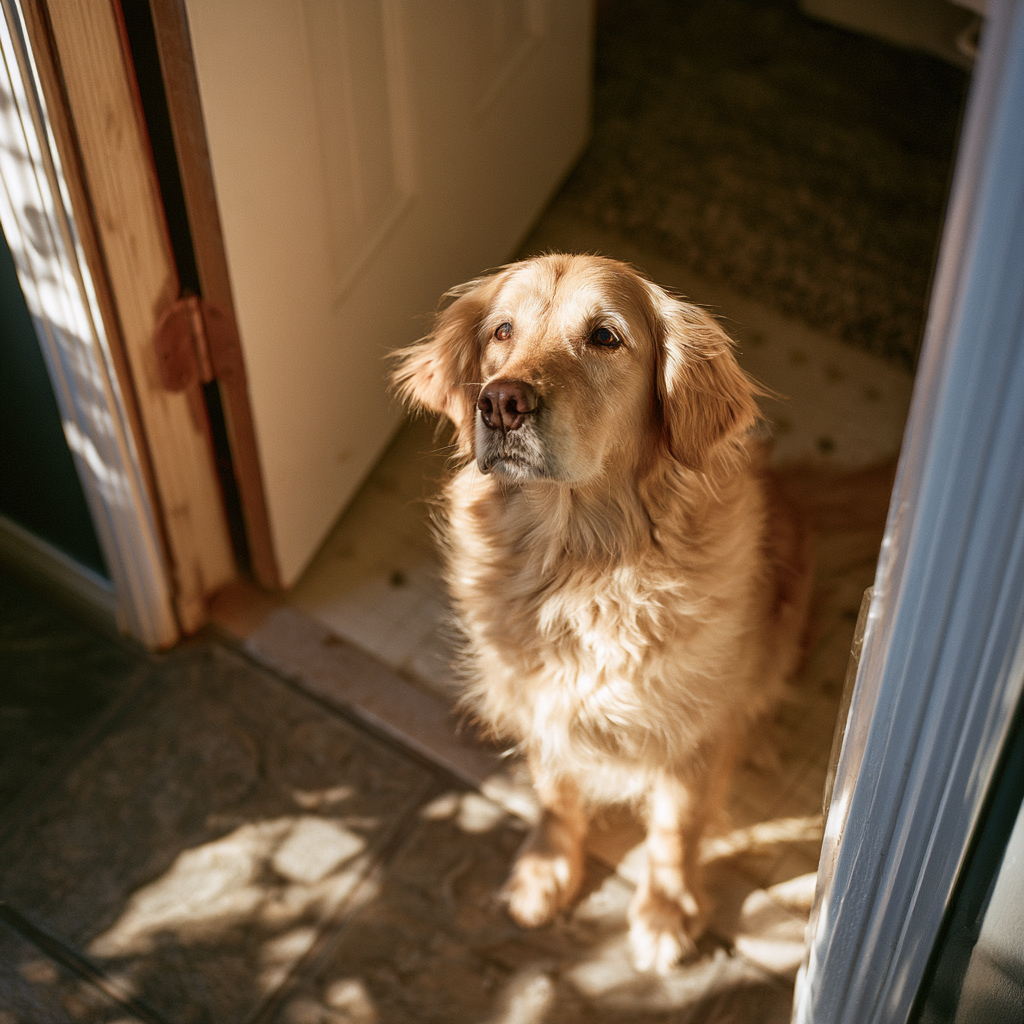
Have you ever wondered, “Why Does My Dog Follow Me to the Bathroom?” This behavior is quite common among our furry companions and often leads us to question the motivation behind it. Whether your dog is trying to assert its bond with you, seeking reassurance, or simply curious, their following behavior can be connected to various emotional and behavioral factors.
Quick answer: Dogs often follow their owners to the bathroom as a way of showing affection and reinforcing their bond. However, this behavior can also stem from anxiety or a need for security, particularly in different contexts or situations.
Why Does My Dog Follow Me to the Bathroom?
The bond between dogs and humans
The relationship between dogs and humans is marked by deep emotional connections. These relationships are often built through shared experiences, affection, and mutual understanding. Dogs have been domesticated for thousands of years, leading them to develop strong bonds with humans. They are inherently social creatures and often see their owners as part of their pack.
When your dog follows you into the bathroom, it may be expressing its affection and desire for companionship. In many cases, this behavior signifies that your dog feels safe and secure in your presence. The bathroom may be perceived as an unfamiliar or isolated space, prompting your dog to accompany you for comfort. This behavior demonstrates their loyalty and attachment to you, as well as their instinct to stay close to their pack leader.
Signs of attachment and companionship
Beyond simply following you to the bathroom, dogs exhibit various behaviors that indicate their attachment and companionship. Some key signs to look for include:
- Eye contact: Dogs often look to their owners for guidance and reassurance.
- Loyalty: A dog that refuses to leave your side, even when you’re sitting down, shows a strong attachment.
- Physical touch: Leaning against you or resting their head on your lap can indicate a strong bond.
- Excitement upon your return: If your dog greets you enthusiastically after you’ve been away, it’s a good indication of their affection.
- Following you around the house: Similar to bathroom visits, a dog that follows you through rooms likely seeks connection and companionship.
These behaviors may vary among individual dogs, and some breeds are more prone to expressing attachment than others. For instance, breeds like Labrador Retrievers and Golden Retrievers are often known for their affectionate nature and desire for close proximity to their owners.
Understanding Canine Separation Anxiety
When following behavior indicates anxiety
While dogs following you can reflect a positive bond, it’s essential to differentiate this behavior from signs of separation anxiety. Dogs experiencing separation anxiety may show heightened clinginess, especially before an owner leaves or when a change in routine occurs. Signs that your dog might be struggling with anxiety include:
- Excessive barking or whining when you’re not present.
- Destructive behaviors, such as chewing on furniture or scratching at doors.
- Inappropriate elimination indoors, even with previously established house training.
When dogs feel anxious, their following behavior can become persistent and more pronounced. They may follow you not simply for companionship but as a coping mechanism to alleviate their distress. Observe your dog’s reactions to other people and environments; if they seem overly anxious, it’s vital to address their emotional well-being.
Ways to help your dog feel more secure
If you suspect that your dog is following you due to anxiety, there are several strategies you can implement to help them feel more secure:
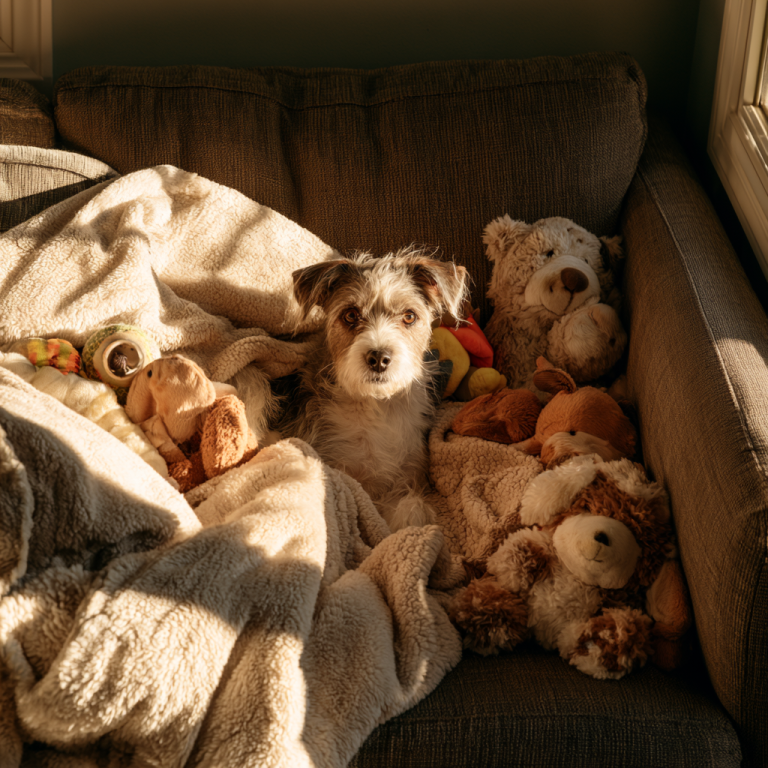
- Establish a safe space: Create a dedicated area where your dog can retreat and feel secure. This could include their bed, toys, or blankets where they feel safe.
- Gradual departures: Practice leaving your dog for short periods and gradually extending the duration over time to help them acclimate to being alone.
- Desensitization techniques: Regularly practice routines that lead up to leaving the house, such as picking up your keys, putting on shoes, or using a specific phrase, without actually leaving to lessen anxiety.
- Positive reinforcement: When your dog shows independence or remains calm during your departures, reward them with treats or praise.
These methods can help build your dog’s confidence and reduce the intensity of their anxiety, leading to healthier behaviors over time.
Common Triggers for Following Behavior
Unexpected situations that may lead to clinginess
Various situations can trigger clingy behavior in dogs, prompting them to follow their owners closely. These may include unfamiliar environments, changes in household dynamics, or significant life events. For instance:
- Moved to a new home: The transition to a new environment can leave your dog feeling disoriented and anxious, prompting them to seek comfort in your presence.
- New family member: The introduction of a new pet or person can alter your dog’s sense of security and cause them to follow you for reassurance.
- Health issues: If your dog is experiencing pain or discomfort due to illness or injury, they may follow you closely as a way to seek comfort and support.
Awareness of these potential triggers allows you to be proactive in managing your dog’s behavior and helping them navigate transitions with ease.
Adjusting to changes in your routine
Changes to your daily routine, such as altered work hours or variations in activity levels, can significantly affect your dog’s behavior. Dogs thrive on consistency and predictability, and deviations can lead to increased clinginess or anxiety. To manage this, it’s helpful to:
- Maintain a consistent schedule: Regular feeding, walks, and playtimes help create stability in your dog’s day.
- Involve your dog in routines: Incorporate your dog into various activities around the home to strengthen their sense of companionship.
- Recognize signs of stress: Pay attention to your dog’s mood and behavior, and adjust your approach to minimize anxiety.
By staying attuned to the changes that affect your dog, you can help mitigate unnecessary stress and support their emotional health.
Ultimately, understanding why your dog follows you to the bathroom can deepen your connection and allow you to respond to their needs more effectively. Whether as a sign of attachment or potential anxiety, being observant and proactive will make your home a more comfortable place for both you and your furry friend.
Frequently Asked Questions
Is it normal for my dog to follow me everywhere?
Yes, it is completely normal for dogs to follow their owners closely. This behavior signifies their desire for companionship and can also indicate their strong attachment to you.
What does it mean when my dog follows me to the bathroom?
When your dog follows you to the bathroom, it often shows their affection and need for your presence. It may also be related to their protective nature or a desire to bond.
How can I tell if my dog is anxious?
Signs of anxiety in dogs can include excessive barking, panting, pacing, or destructive behavior. Additionally, they may appear restless or attempt to hide when left alone.
Should I be concerned if my dog follows me constantly?
While following you closely can show a strong bond, be aware of their emotional state. If this behavior leads to signs of anxiety or distress, consulting a veterinarian or a behaviorist may be warranted.
What can I do to help my dog with separation anxiety?
To assist your dog with separation anxiety, create a safe space for them, gradually build their comfort with being alone, and reward calm behavior during departures. If the issues persist, professional guidance can help address their anxiety effectively.