Why Does My Cat Knead Blankets? Understanding This Common Behavior
Why Does My Cat Knead Blankets? This behavior, often endearing and somewhat puzzling, is a common sight among felines. Many cat owners have observed their pets rhythmically pushing their paws against soft surfaces, such as blankets, pillows, or even their own owner’s lap. While it may seem like a simple act of comfort, there are deeper meanings and evolutionary origins behind this curious habit. Understanding these factors can help us appreciate our cats’ needs and behaviors more fully.
Quick answer: Cats knead blankets as a natural and instinctive behavior rooted in their kittenhood. It provides emotional comfort and can serve as a stress-relief mechanism. While it is generally harmless, excessive kneading may require intervention to modify the behavior.
Understanding Kneading Behavior in Cats
Why Does My Cat Knead Blankets? The Origins of This Behavior
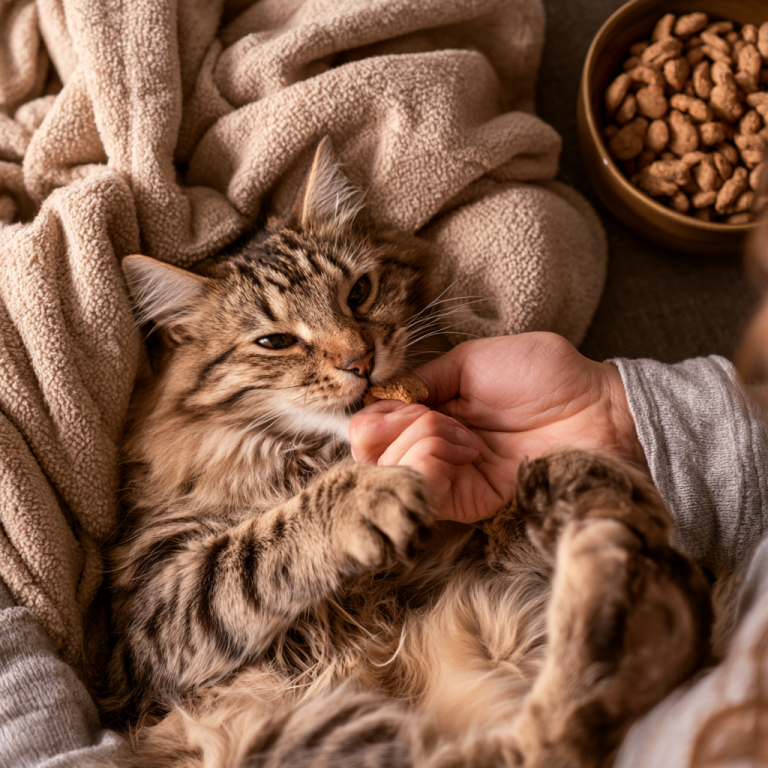
Kneading is an instinctual behavior that originates from a cat’s early life, specifically during kittenhood. When kittens nurse from their mother, they knead her abdomen with their paws to stimulate milk flow. This action provides them with vital nutrients and contributes to their overall development. As cats grow, this kneading action often carries over into adulthood, manifesting as a soothing ritual whenever they encounter soft surfaces.
Beyond its nursing roots, kneading may serve several other purposes. Cats often knead when they are feeling content, expressing their happiness and comfort in a safe environment. For many owners, watching their cat knead can evoke a sense of warmth, often viewed as a sign of affection. However, not all instances of kneading are directly tied to positive emotions—context matters significantly. While some cats knead as a sign of comfort, others might engage in this behavior when feeling anxious or seeking reassurance.
Emotional Comfort: What Kneading Means for Your Cat
The meaning behind kneading goes beyond mere nostalgia for kittenhood. Kneading is also a way for cats to create a sense of safety and security. By using their paws to push on a blanket or soft surface, they may be marking their territory with scent glands located in their paws, claiming their space as a safe haven. This action can evoke feelings of comfort and relaxation, enabling them to decompress.
Moreover, kneading can signal a cat’s emotional well-being. When cats knead in your presence, it can be indicative of their trust and affection towards you. While all cats may exhibit some form of kneading, individual preferences can vary. Some may knead often while others may do so infrequently, which is essential to note as we seek to understand their specific emotional needs.
The Significance of Kneading Behavior
Kneading as a Coping Mechanism for Stress
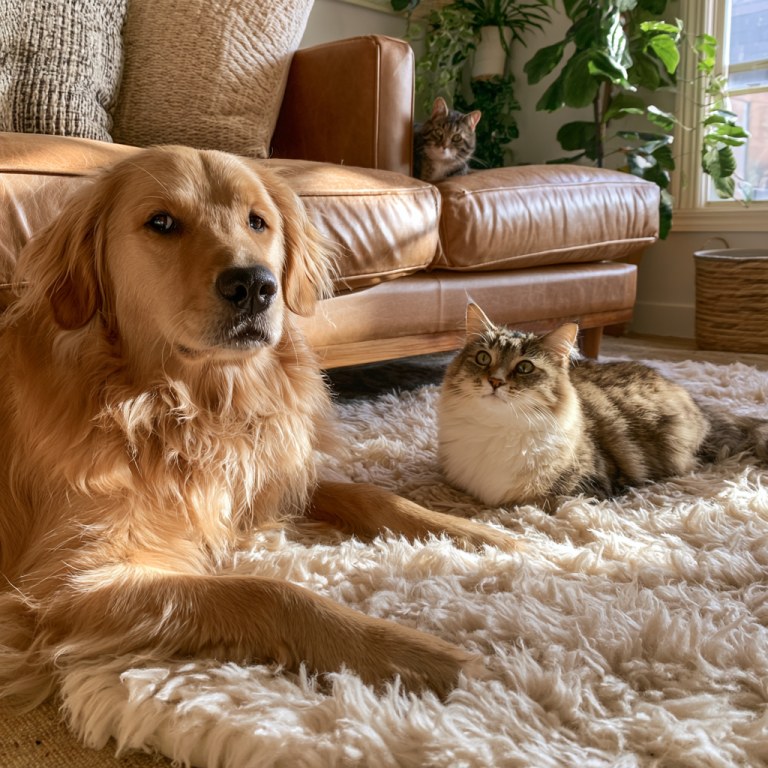
Kneading can also serve as a coping mechanism during stressful moments. Cats are creatures of habit, and modifications to their environment—such as a new pet, a change in household routine, or even moving to a new home—can generate anxiety. In such situations, kneading can function as a self-soothing behavior, helping them navigate their emotional turmoil. You might observe your cat kneading more frequently during stressful periods or in response to new stimuli, as they seek comfort from familiar, soft surroundings.
For instance, if your cat is introduced to a new pet or undergoes changes like a recent move, you might notice them intensifying their kneading behavior. This underscores the importance of recognizing any shifts in your cat’s routine as potential stressors that could be influencing their actions. In these scenarios, providing a safe and predictable environment can help mitigate stress-induced kneading.
Interpreting Kneading Alongside Other Cat Behaviors
To accurately interpret kneading behavior, it’s vital to consider the context and accompanying behaviors. Kneading may not occur in isolation; often, it coincides with purring, kneading followed by licking, or even circling the spot before settling down. Recognizing these signals can give insight into your cat’s emotional state. For example, if your cat is kneading while purring and curling up next to you, it likely indicates contentment and trust.
- *Signs of Contentment:* Kneading accompanied by purring, relaxed body posture, and slow blinking.
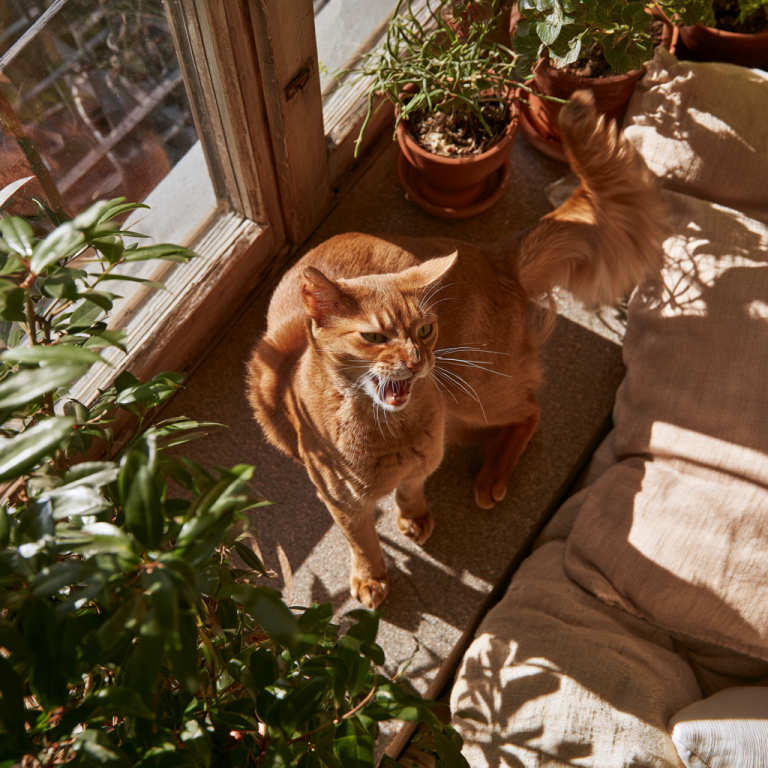
- *Signs of Distress:* Kneading coupled with other signals of anxiety, such as dilated pupils, ears pinned back, and restlessness.
- *Combined Behaviors:* Kneading followed by grooming behaviors, which can indicate transitional comfort when settling into a relaxed state.
Coping with Excessive Kneading
How to Stop a Cat from Kneading on Blankets
While kneading is typically benign, excessive behavior can be disruptive, leading to damage to household items or discomfort in shared spaces. If you find that your cat’s kneading is becoming excessive, it may be useful to implement some modifications to redirect this behavior. Here are some strategies you can consider:
- Provide Alternative Surfaces: Offer designated soft items, such as specific blankets or pillows, where kneading is acceptable. This can help contain the behavior to a less disruptive environment.
- Create a Cozy Space: Build a comforting corner in your home where your cat can knead and relax without crowding or damaging your belongings. Soft beds, designated blankets, and a quiet atmosphere can make this space inviting.
- Interactive Playtime: Engage your cat with toys and play to provide mental and physical stimulation. A well-exercised cat may feel less inclined to knead excessively due to stimulated energy levels.
Each cat is unique, and while these methods are generally beneficial, it’s essential to pay attention to your cat’s individual preferences and emotional responses when implementing changes. Modification attempts should be gradual and paired with positive reinforcement for successful adaptation.
When to Consult a Vet About Kneading Behavior
While kneading is typically a harmless behavior, there may be instances where it’s necessary to consult a veterinarian. If your cat’s kneading suddenly intensifies or is accompanied by concerning behaviors—such as aggression, excessive vocalization, or signs of distress—it may indicate underlying health issues or emotional turmoil. Additionally, if the behavior is impacting their quality of life or causing significant disruption at home, seeking professional guidance will be beneficial.
It’s also advisable to watch for physical symptoms that may coexist with altered kneading behavior. Changes in eating habits, litter box usage, or grooming patterns can point to potential health concerns that require medical evaluation. Always trust your instincts as a pet owner and don’t hesitate to seek help when needed.
In summary, understanding kneading behavior is essential for nurturing a deeper bond with your cat. By recognizing its origins and emotional significance, we can better accommodate their needs, enhance their well-being, and create a more enriching environment.
Frequently Asked Questions
What does kneading mean for cats?
Kneading in cats refers to the rhythmic pushing of their paws against a soft surface, which originates from their kittenhood when they kneaded their mother’s abdomen for milk. It often indicates comfort, security, or affection.
Why do kittens knead blankets?
Kittens knead blankets primarily to stimulate milk flow from their mothers while nursing. This instinctual behavior helps them to feel safe and nurtured, often carrying into adulthood as a comforting ritual.
Is it normal for cats to knead?
Yes, kneading is a normal behavior for cats and is a sign of contentment. Many cats retain this instinctual behavior from their kittenhood into adulthood, often using it as a way to express affection or seek comfort.
How can I stop my cat from kneading excessively?
To manage excessive kneading, provide alternative textures to knead, engage your cat in more interactive play, and create a calming space with soft objects they can knead freely. It’s important to redirect the behavior gently rather than punish it.
Does kneading indicate a medical issue?
While kneading is usually a normal behavior, excessive or compulsive kneading accompanied by changes in mood or behavior could indicate stress or a medical issue. It’s advisable to consult a vet if these changes occur.
Why does my cat knead me?
Cats often knead their owners as a sign of affection and comfort. This behavior may also reflect their trust in you as a safe space, carrying over from their early experiences as kittens.
What surfaces do cats prefer to knead?
Cats generally prefer softer surfaces to knead, such as blankets, carpets, or soft cushions. These textures mimic the comfort they experienced as kittens and provide a soothing outlet for their kneading behavior.