Why Do Cats Knead Their Owners? Understanding the Behavior
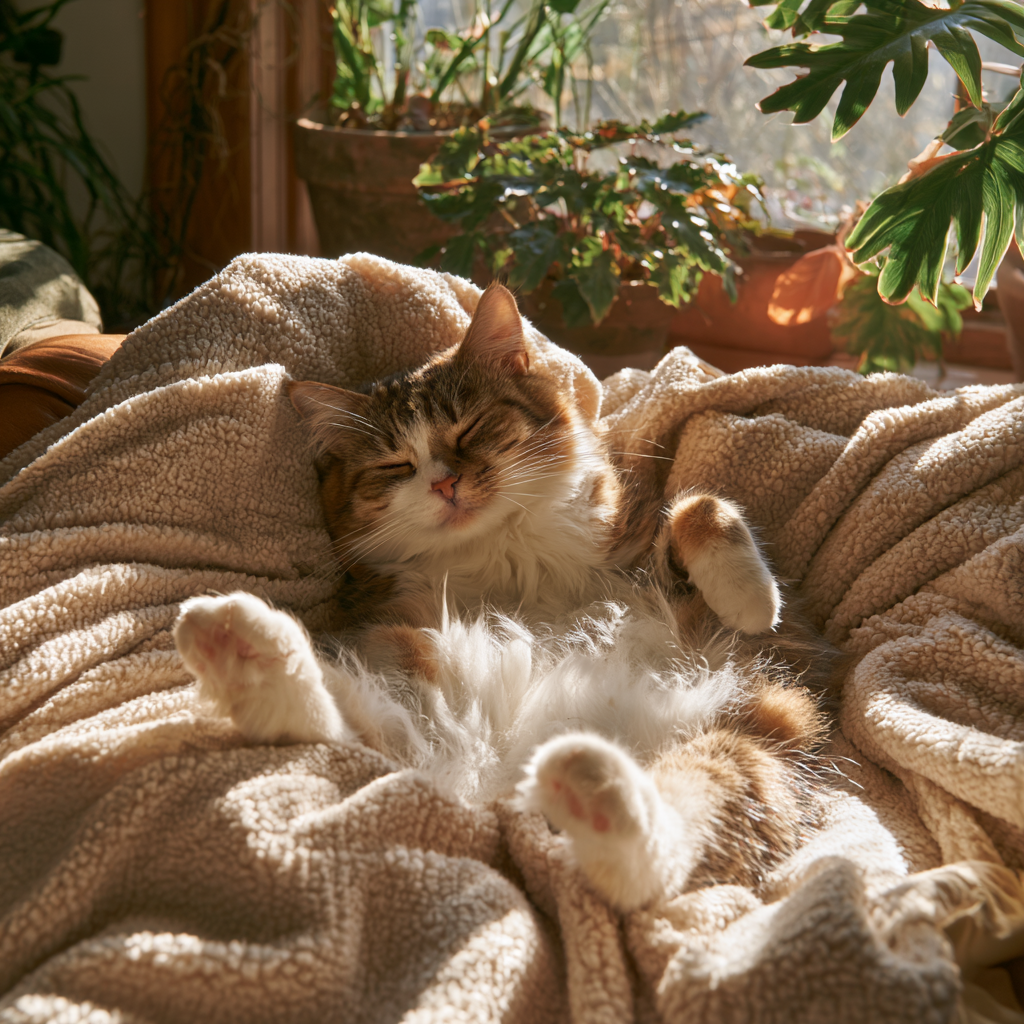
Have you ever wondered, “Why do cats knead their owners?” This seemingly quirky behavior can leave many cat owners puzzled, observing their pets rhythmically pushing their paws in and out against soft surfaces, whether it be a lap or a blanket. Understanding the reasons behind this kneading can give you insight into your cat’s emotional state and strengthen your bond with them. In this article, we delve into the various aspects of kneading, from its historical context to its emotional impact, while addressing the variability in this behavior among individual cats.
Quick answer: Cats knead for a variety of reasons, primarily as a sign of comfort or affection, which traces back to their kittenhood when they kneaded their mother to stimulate milk flow. While most kneading is harmless and affectionate, observing your cat’s context and signs is essential to understanding the behavior fully.
Understanding Kneading: Why Do Cats Knead Their Owners?
The Historical Context of Kneading Behavior
Kneading behavior in cats has its roots in kittenhood, where newborns knead their mothers to encourage milk production. This instinctual behavior evokes security, warmth, and nurturing. As cats mature, they carry this behavior into adulthood, often reenacting the comforting acts of their kitten days. In addition to its origins, kneading may also have evolutionary advantages, allowing cats to create a comfortable space to rest. They may knead on soft surfaces to ensure their chosen resting place is suitable for relaxation.
What Kneading Means for Cats
Kneading is more than just a remnant of kittenhood; it encompasses a rich tapestry of emotional and physical cues. When cats knead, they are often signaling a state of relaxation and contentment, but this behavior can also display different meanings depending on the context. For instance, a cat kneading on its owner may be seeking comfort or reassurance, confirming a safe and secure environment. The behavior can also serve as a self-soothing mechanism, especially during times of stress or anxiety. Observing the accompanying behaviors—such as purring, slow blinking, or a relaxed body posture—can provide additional context to a cat’s kneading and help you understand its true significance.
The Emotional Impact of Kneading
Kneading as a Sign of Comfort and Security
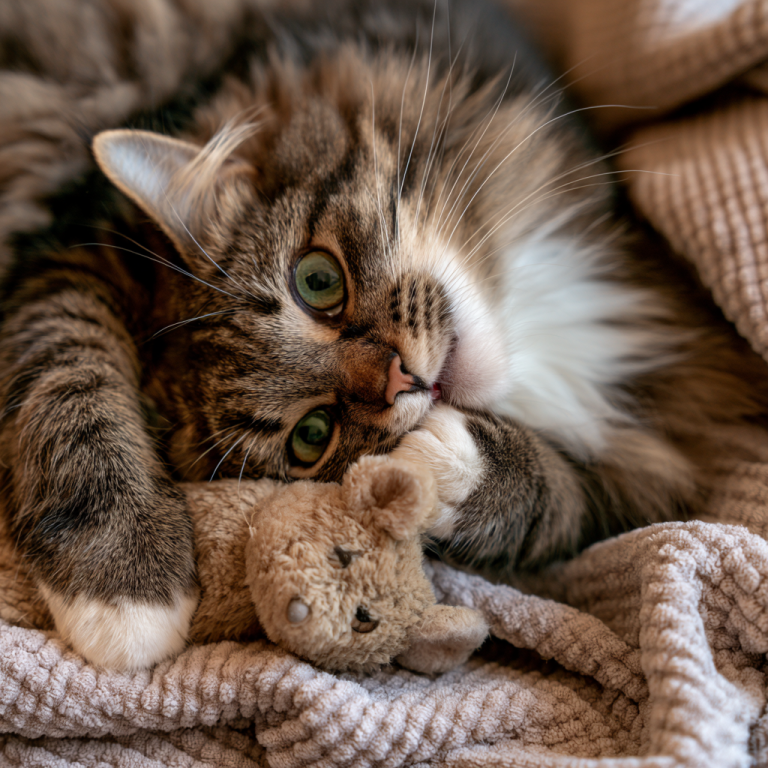
One of the most positive aspects of kneading is its association with comfort and security. When a cat kneads, it often indicates a level of trust and safety in its surroundings. As they knead, they may vocalize softly, purr, or exhibit other relaxed behaviors, showcasing they are in a happy state. This action not only soothes the cat but also demonstrates that they feel safe with you, their chosen companion. If your cat kneads when you pet it or when you are in a calm environment, this is a clear sign of emotional safety and comfort.
Kneading and Bonding with Their Owners
Through kneading, cats often find ways to bond with their owners. The act of kneading can promote a sense of togetherness and belonging, serving as a form of non-verbal communication. By engaging in this behavior on you, cats signify their affection and reinforce their bond. This connection is particularly evident in multi-cat households, where one cat may knead a human while others observe. If you notice your cat kneading after a particularly affectionate interaction, it likely highlights the bond shared between the two of you. This behavior can reinforce a positive cycle of interaction, enhancing your relationship over time.

Variability in Kneading Behavior
Why Some Cats Knead More Than Others
Kneading behavior varies widely among individual cats due to several factors. Genetics can play a role, as some breeds, such as Siamese or Ragdoll cats, are known to display more affectionate behaviors overall, including kneading. Additionally, a cat’s early experiences, environment, and interactions with its mother and siblings during kittenhood can shape its tendency to knead. Those who were closely nurtured and handled as kittens may be more likely to engage in this behavior as adults. Conversely, cats with limited socialization or adverse experiences may express kneading less frequently or only in specific contexts.
Signs Your Cat Enjoys Kneading
Recognizing when your cat enjoys kneading allows you to appreciate this behavior fully and strengthen your bond. Look for signs such as:
- A relaxed body posture, such as lying down or stretching.
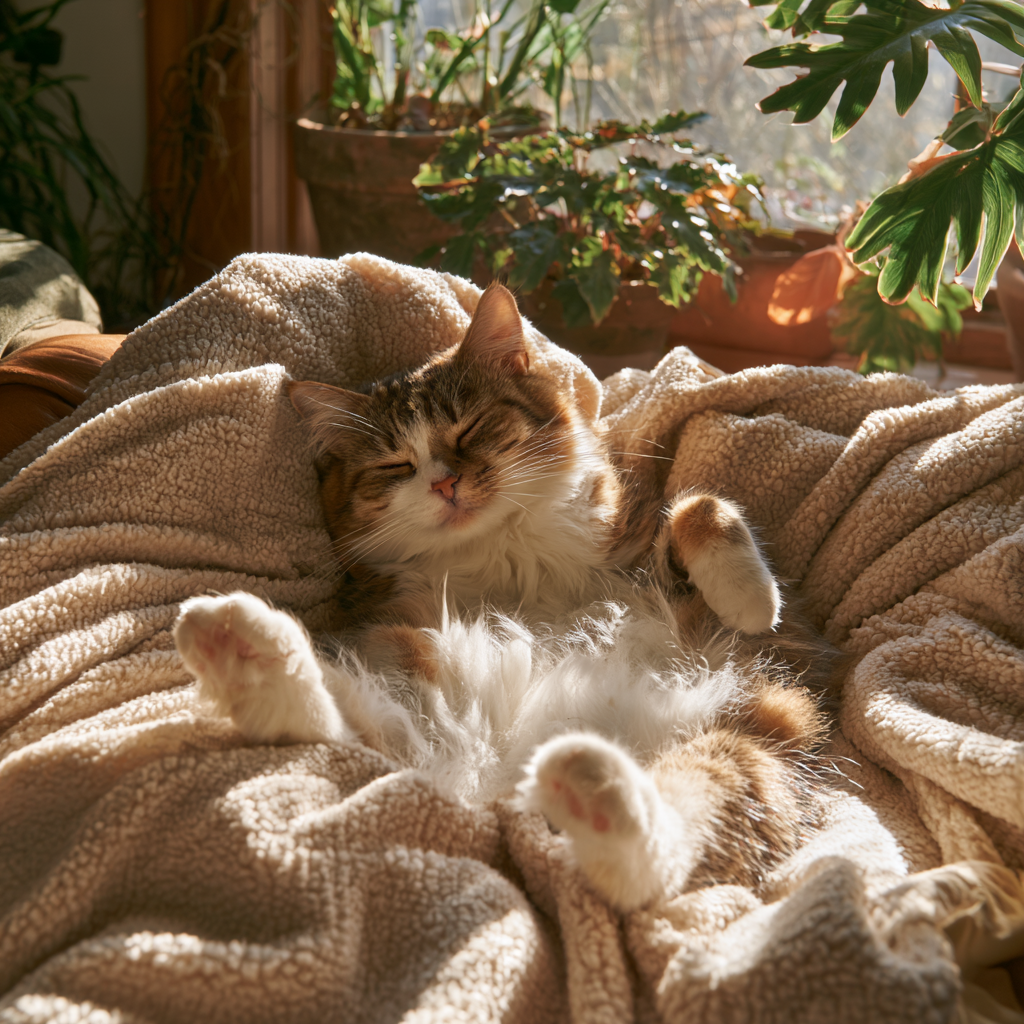
- Purring or slow, rhythmic movements that indicate contentment.
- Seeking your lap or dwelling as a soft surface to knead.
- Gently closing their eyes or softening their gaze while kneading.
Paying attention to these signals can provide insights into your cat’s emotional state and enhance your shared experiences. When kneading is accompanied by these signs, it’s often a clear indication that your cat is enjoying the interaction and feeling secure in your presence.
Challenges with Kneading
Managing Kneading in Anxious or Overstimulated Cats
While kneading is typically a sign of comfort, some cats might knead out of anxiety or overstimulation. This can happen when a cat is exposed to too much noise, activity, or changes in its environment. To help an anxious or overstimulated cat, consider implementing a calm space using comfort-enhancing products, such as soft blankets or calming pheromone diffusers that can create a soothing atmosphere. If your cat begins displaying signs of stress, such as pacing, excessive meowing, or flattening of the ears, it might be best to provide them with a quiet area where they can retreat and feel safe.
Additionally, allow your cat to have breaks during play sessions or social interactions, observing its body language closely. If you notice signs of stress, redirect their energy with a quiet, focused activity or offer a favorite toy. Creating a predictable routine and gradually introducing any changes can also help minimize sudden stressors, thus reducing the likelihood of kneading behaviors associated with anxiety.
When Kneading Becomes a Problem
In some cases, kneading may evolve into problematic behavior, especially if it is paired with aggression or excessive vocalization. This may indicate underlying anxiety or discomfort, necessitating closer observation. If your cat shows signs of distress during kneading—such as hissing, scratching, or biting—it’s essential to recognize these signals as indicators of discomfort. Document any concerning behavior and consult a veterinarian if you notice continued aggression or if the kneading seems to cause distress.
Problems may arise if a cat kneads too aggressively, leading to discomfort or injury to people or even to itself. In these situations, providing alternatives for kneading, such as a soft blanket or dedicated kneading toys, can help channel this behavior more positively. Always seek professional advice if you have concerns about your cat’s behavior or if you need further guidance on managing kneading-related issues.
Frequently Asked Questions
Why does my cat knead like it’s making bread?
Your cat kneads because it reflects a natural instinct that stretches back to their kittenhood, during which they kneaded their mother’s belly to stimulate milk flow. This rhythmic motion continues into adulthood as a way for cats to express comfort, encourage bonding, or self-soothe.
Is kneading a sign of happiness in cats?
Yes, kneading often signifies that a cat is happy and content, particularly when it is accompanied by purring and relaxed body language. However, the emotional context of the kneading should always be considered to understand fully its meaning.
Do all cats knead?
Not all cats knead; individual variation plays a significant role in whether a cat engages in this behavior. Factors such as genetics, personality, and early life experiences may lead some cats to knead more than others.
What triggers a cat to knead?
Cats knead typically when they feel comfortable, secure, and in a familiar environment. Triggers may include resting on a favorite blanket, snuggling with their owner, or simply when they are feeling affectionate.
Can cat kneading be harmful to furniture?
Yes, frequent kneading can lead to damage to furniture or fabric, especially if the cat’s claws cause snagging or pulling on the material. Providing suitable alternatives for kneading can help mitigate this problem.
Why do kittens knead their mothers?
Kittens knead their mothers to stimulate milk flow while nursing; this behavior is a crucial instinct for their survival as it helps ensure they get the nourishment they need during their formative weeks.
How can I stop my cat from kneading?
If you want to discourage kneading, redirect that behavior towards appropriate toys or scratching surfaces. Providing soft blankets or mats can also offer them outlets to knead without damaging your belongings; however, be cautious, as this behavior can be deeply comforting for many cats.