Why Does My Cat Shake Its Tail? Understanding Their Behavior

Why Does My Cat Shake Its Tail? This seemingly simple behavior can be misinterpreted by many cat owners. Observing your cat’s tail movements is key to understanding its feelings and needs. Cat communication is complex, and tail shaking can provide valuable insights into your feline’s emotional state.
Quick answer: Cats shake their tails for various reasons, including excitement, irritation, and communication. Understanding the context and accompanying body language is essential to interpreting this behavior accurately.
Why Does My Cat Shake Its Tail?
Possible Reasons for Tail Shaking
Cats use their tails like a language, conveying different emotions and intentions through their movements. Here are some common reasons why cats might shake their tails:
- Excitement: A cat may shake its tail when it anticipates play, food, or a favorite person coming home.
- Frustration or Agitation: If a cat is annoyed, such as when it feels threatened or overstimulated, tail shaking can result.
- Communication: Some cats shake their tails to signal to other animals or humans. This includes playful gestures during social interactions.
- Hunting Instincts: When stalking prey or engaged in play that simulates hunting, tail shaking can occur as part of their predatory behavior.
- Health Concerns: In some cases, tail shaking can indicate an underlying health issue. Increased frequency or erratic shaking could warrant a closer look.
Observing the context in which your cat shakes its tail can provide crucial clues to its underlying emotion. Pay attention to other vocalizations, facial expressions, and body language. This holistic approach to understanding your cat will help avoid misinterpretations.
Behavioral Interpretation of Tail Movements
Interpreting tail movements requires careful observation of your cat’s overall demeanor. Although tail shaking can be indicative of several states, different positions can clarify these emotions. For instance:
| Tail Position | Meaning |
|---|---|
| High and Quivering | Excitement or happiness |
| Swishing Side to Side | Frustration or irritation |
| Curled Elegantly | Contentment or affection |
| Straight with Gentle Shakes | Focused, possibly on prey or play |
| Low and Quivering | Possibly fearful or agitated |
Cats are individuals, and the same tail movement can have different meanings in different contexts. For example, a tail held high might indicate confidence in one cat, while another may hold it high because it feels threatened but is ready to defend itself. Thus, it’s critical to observe your cat’s overall body language, including ear position, eye focus, and posture.
In addition to tail movements, you might notice your cat’s responses to stimuli around it — does it approach the source of excitement, or does it retreat? These behavioral cues combined with tail movement can help avoid misinterpretation. Always consider your cat’s unique personality and experiences when evaluating these behaviors.
Tail Shaking as a Sign of Excitement
Understanding Playful Tail Movements
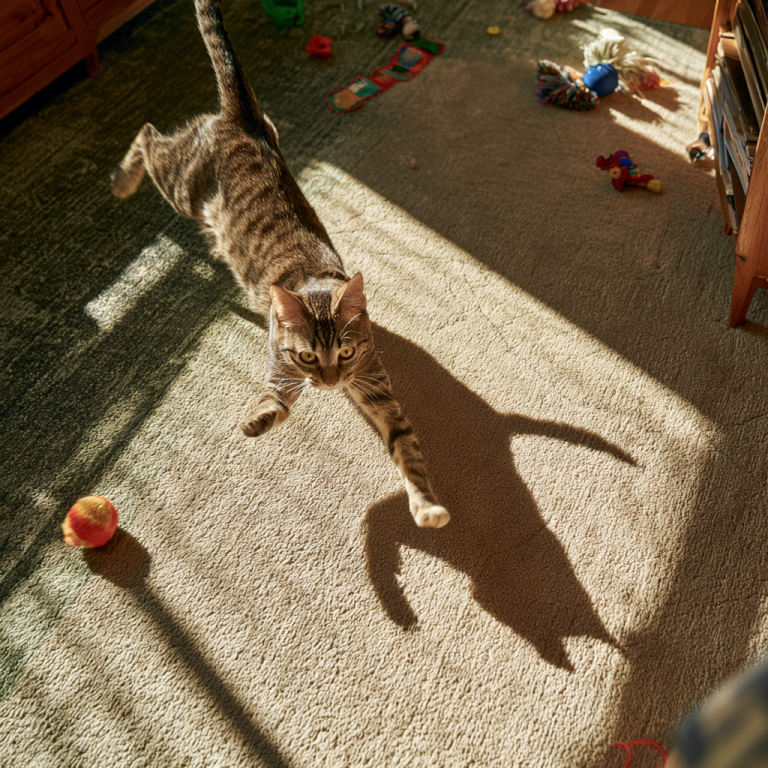
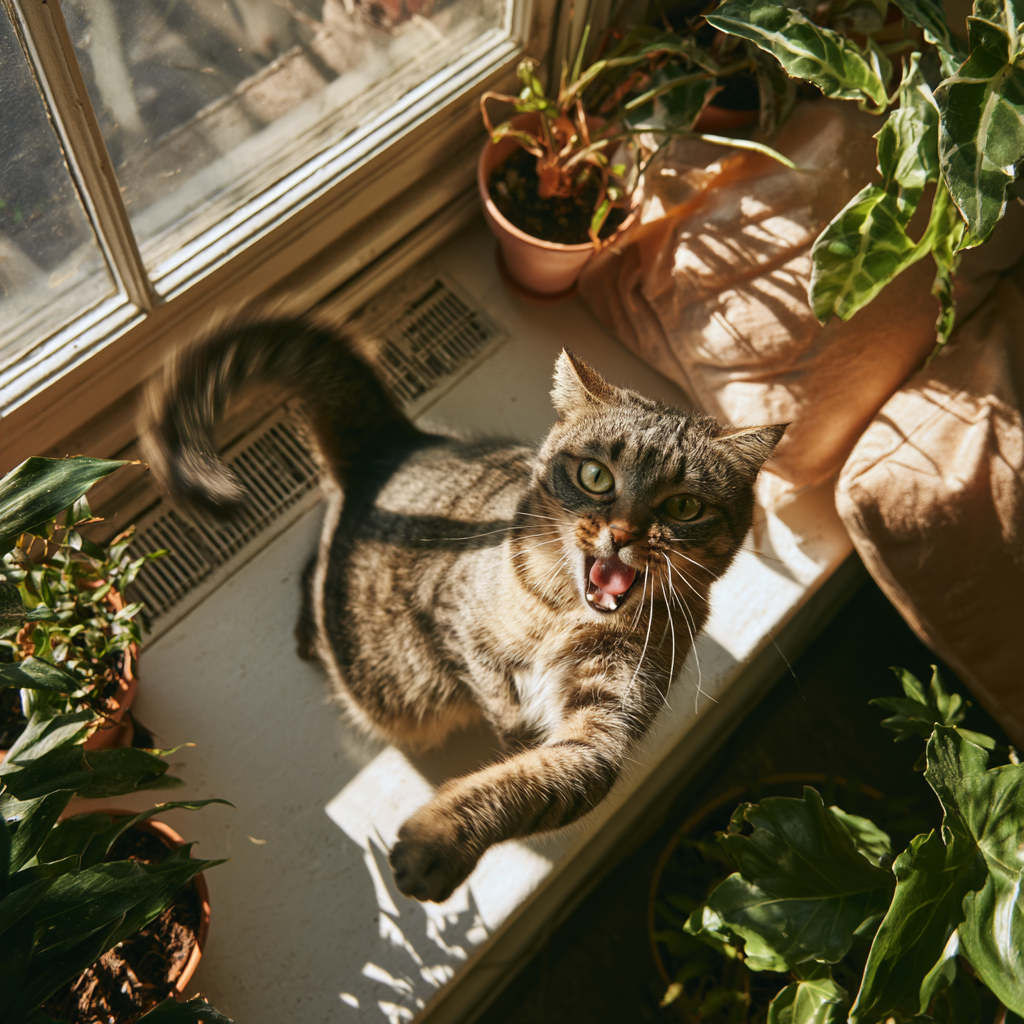
When engaged in play, cats often express excitement through animated tail movements. A playful and energetic tail shake can be seen when your cat is chasing a toy or pouncing on an imaginary foe. This could manifest as rapid flicks of the tail or a steady quivering when focused on play.
It’s quite common for cats to display “happy shakes” mid-play, especially when they’ve successfully caught their quarry. Observe whether the tail shake accompanies other playful behaviors, such as leaps, pounces, or even the famous ‘play bow’ where a cat’s front end lowers while its rear end remains elevated.
Encourage this fun behavior by providing a variety of toys that stimulate their predatory instincts. Wands, balls, and crinkly items can elicit these joyful tail shakers.
Identifying Signs of Joyful Behavior
Distinct tail movements can serve as indicators of a cat’s overall joy and enthusiasm. In addition to a shaking tail, look for several other signs:
- Purring: A consistent sound of purring usually accompanies a tail shake when a cat is in a happy or affectionate state.
- Ears Up: When ears are perked up and facing forward, it often signals interest and engagement.
- Playful Posture: Cats that are feeling joyful often display relaxed bodies, loose movements, and sometimes, an invitation to play with a bowing stance.
- Vocalization: Cats may chirp, meow, or trill in excitement, enhancing the joyful atmosphere.
Noticing these joyful behaviors can deepen your bond with your cat. Engage them in play sessions when you see signs of excitement, allowing them to express themselves freely. This not only provides mental stimulation but also nurtures their emotional well-being.
Always remember to respect your cat’s limits. If a playful tail shake turns into swatting or a low tail raise, it may indicate your cat is feeling overstimulated or frustrated, and it may be best to pause the interaction.
When observing your feline and interpreting its tail-shaking behaviors, consider not just what the tail is doing but the complete package of body language that conveys the overall message. In doing so, you enhance your understanding and strengthen your bond with your beloved pet.
Frequently Asked Questions
What does it mean when a cat shakes its tail?
When a cat shakes its tail, it can indicate a variety of emotions, including excitement, curiosity, or agitation. Observing the context and other body language is essential to interpret what your cat is trying to communicate.
Is tail shaking a sign of aggression in cats?
Tail shaking can be a sign of agitation or irritation, which may sometimes accompany aggressive behavior. However, it is important to consider the overall body language and context to understand your cat’s true feelings.
How can I tell if my cat is happy?
Signs of a happy cat include a relaxed body posture, purring, playful behaviors, and slow blinking. Observing these signs together can help confirm that your cat is content and at ease.
What tail positions mean in cat behavior?
Tail positions can indicate various emotions; for example, a high, quivering tail often signifies excitement, whereas a low, flicking tail may indicate agitation. Context and additional body language are crucial for accurate interpretation.
Do cats shake their tails when they are scared?
Yes, cats may shake their tails when frightened or anxious, often in conjunction with other signs of distress, such as flattened ears or a tense body. Understanding these cues can help you respond appropriately to your cat’s needs.