Why Does My Cat Sleep on My Chest? Understanding Feline Affection
Why Does My Cat Sleep on My Chest? This question often crosses the minds of cat owners who find their feline companions nestled comfortably on their laps or chests. While it might seem like a simple act, it carries significant meaning and insight into the relationship you share with your cat. Understanding the reasons behind this behavior can deepen your bond and help you appreciate the nuances of feline affection.
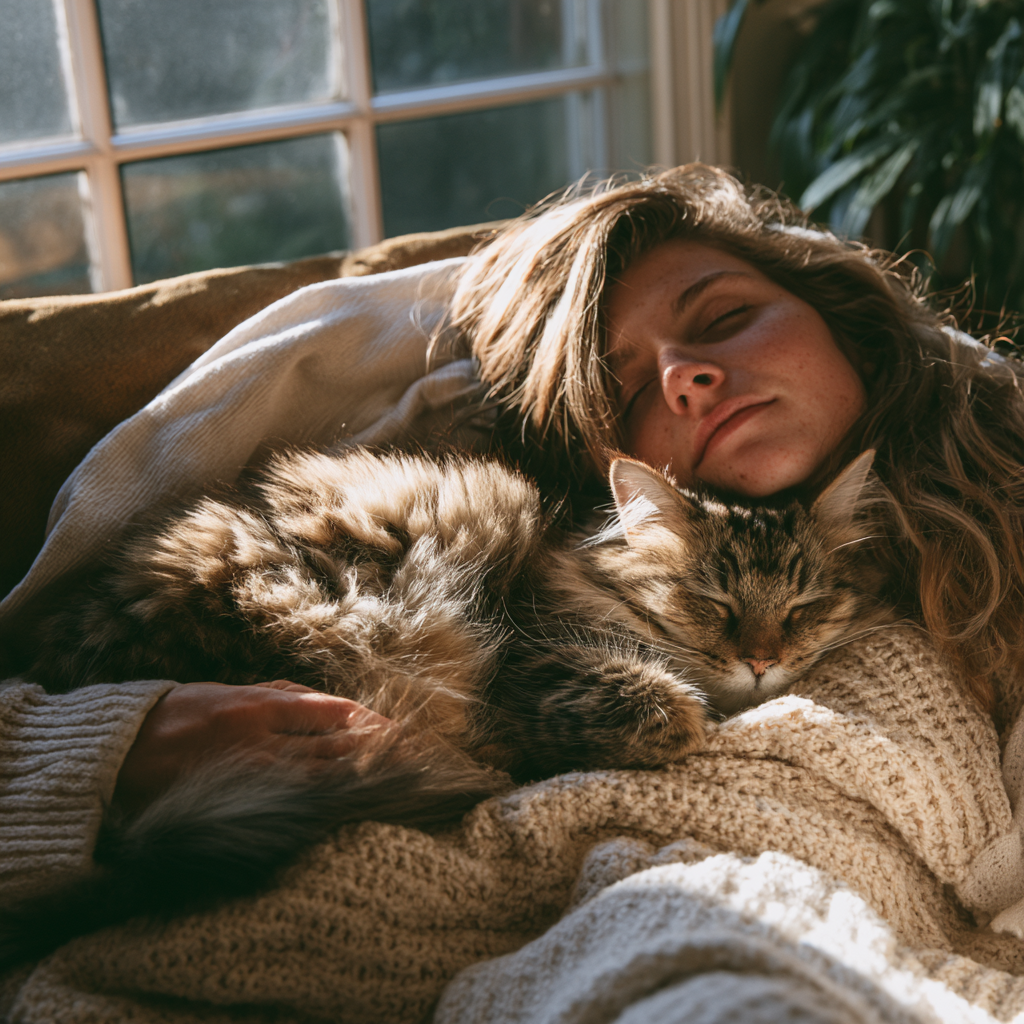
Quick answer: Cats sleep on their owners’ chests primarily for warmth, comfort, and bonding. This behavior is a sign of trust and affection, demonstrating that your cat views you as a source of safety and security.
Why Does My Cat Sleep on My Chest?
Affection and bonding behavior
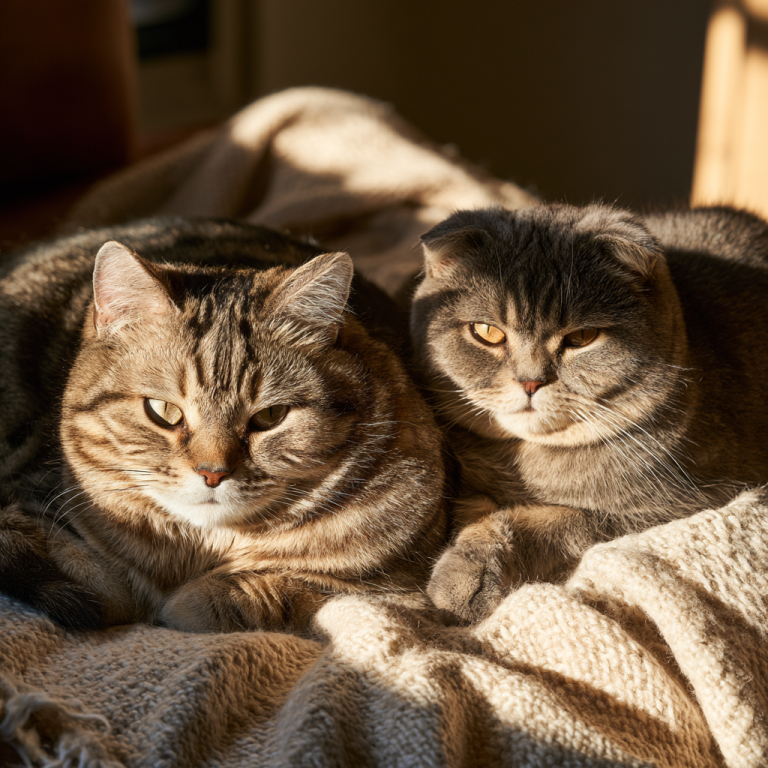
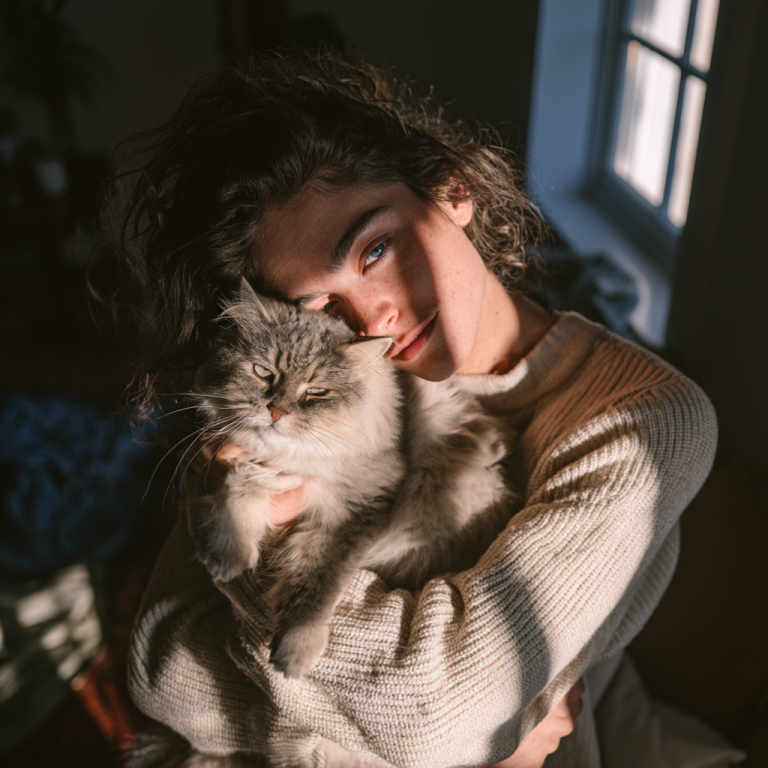
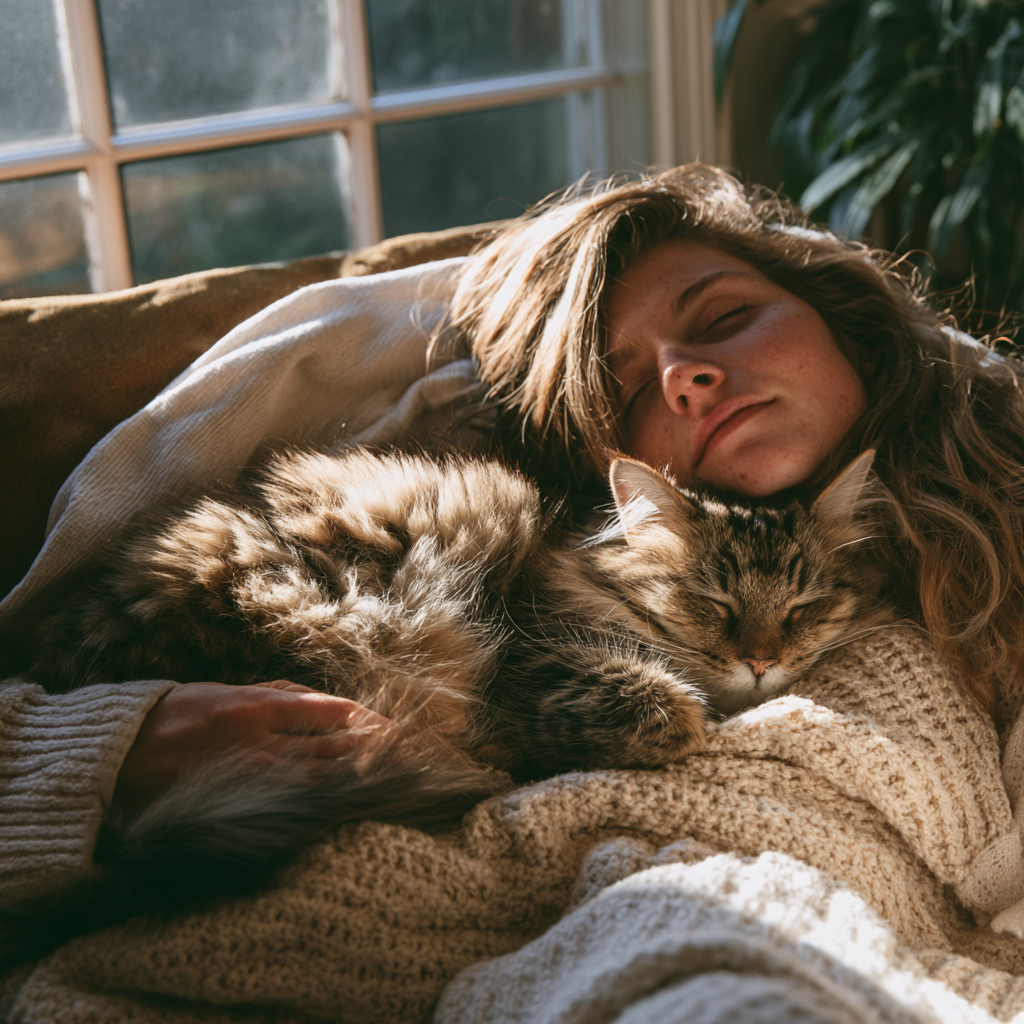
One of the most straightforward explanations for why cats sleep on their owners’ chests is the demonstration of affection and the desire for bonding. Cats are social creatures, and they build connections with their humans through physical closeness. Sleeping on your chest allows your cat to feel your heartbeat and breathing while also reinforcing the bond you have established.
Moreover, this behavior can start from a very young age. Kittens often cuddle with their littermates to keep warm and secure, learning early on that physical closeness brings comfort. By sleeping on your chest, your cat is not just seeking warmth; they are also recalling the social dynamics of their formative years, associating closeness with comfort and safety.
What sleeping on your chest signifies
Beyond affection, your cat’s choice to sleep on your chest can signify various contextual elements. For instance, if there have been recent changes in the household, such as a move, new pets, or even changes in routine, your cat might seek additional comfort from you during these times. Environmental shifts can induce stress, and as intuitive creatures, cats will often turn to their humans for reassurance and stability.
Individual life stages can also play a role in this behavior. Young kittens may demonstrate this for security, while older cats might seek you out as they become more dependent on your presence for comfort. As your cat ages, they may exhibit a closer attachment, indicating a desire for a strong bond—this is particularly common in senior cats who may experience anxiety or health issues.
Comfort, Warmth, and Security
Seeking warmth and body heat
One of the primary reasons your cat may choose to sleep on your chest is the pursuit of warmth. Cats have a higher body temperature than humans, often averaging around 101-102.5 degrees Fahrenheit. When they curl up on your chest, they take advantage of your body heat, creating a cozy environment for themselves. This behavior is especially notable during colder months when both pets and humans are looking for warmth.
Additionally, your chest acts as an ideal resting spot due to its elevated position. Cats are natural climbers and enjoy elevated spaces for naps, as these areas provide a vantage point where they can feel safe. Your chest becomes a preferred spot because it allows them to be close and secure while still being able to observe their surroundings.
Creating a safe space for sleep
Your cat sleeping on your chest also indicates that they view you as a source of safety and security. Cats are instinctively prey animals, and their inclination to seek out safe sleeping spots is rooted in their biology. When your cat nestles against you, particularly with their back turned, it signifies trust; they feel that you will protect them from potential threats while they are vulnerable and sleeping.
To make this space even more comforting, consider creating a designated sleeping area nearby that mimics the warmth and sensation of your chest. Soft blankets or a heated pet bed placed close to where you sleep can give your cat additional warmth and comfort, thereby creating a safe zone without compromising their desire to be near you.
Trust Signals in Felines
Trust and security in cat behavior
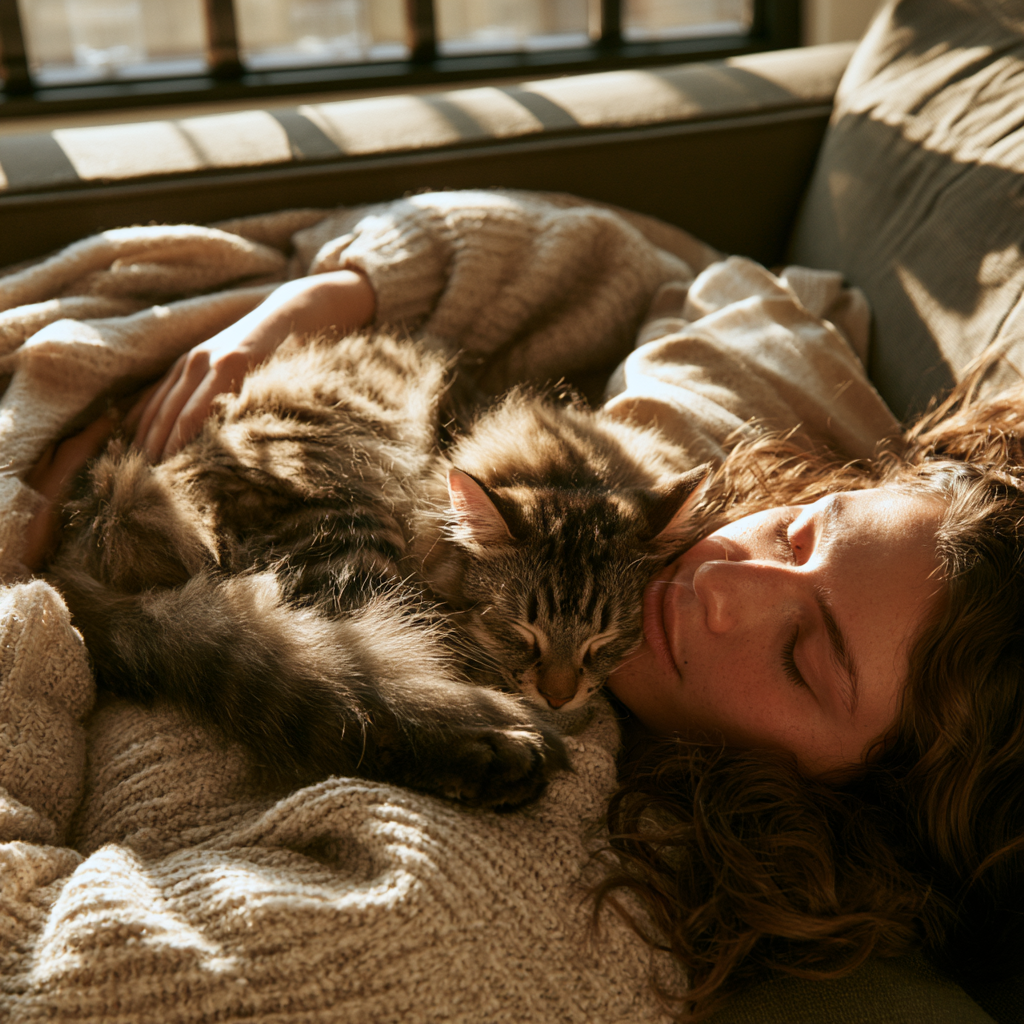
Trust is an essential component of a cat’s relationship with its human. When your cat chooses to sleep on your chest, it is a significant trust signal. They trust that you will not disturb them and that they can let their guard down while they sleep. This trust can be built over time through gentle interactions, consistent care, and positive experiences. Engaging in activities your cat enjoys, like play or grooming, can further enhance this bond.
Observing your cat’s behavior can help you gauge their feelings of trust. If your cat approaches you for prolonged contact or shows signs of wanting to be near you even when awake, it generally indicates a strong level of comfort and trust. Allowing them to initiate these moments ensures that they feel in control, which is crucial for building their confidence in your presence.
Signs your cat feels safe around you
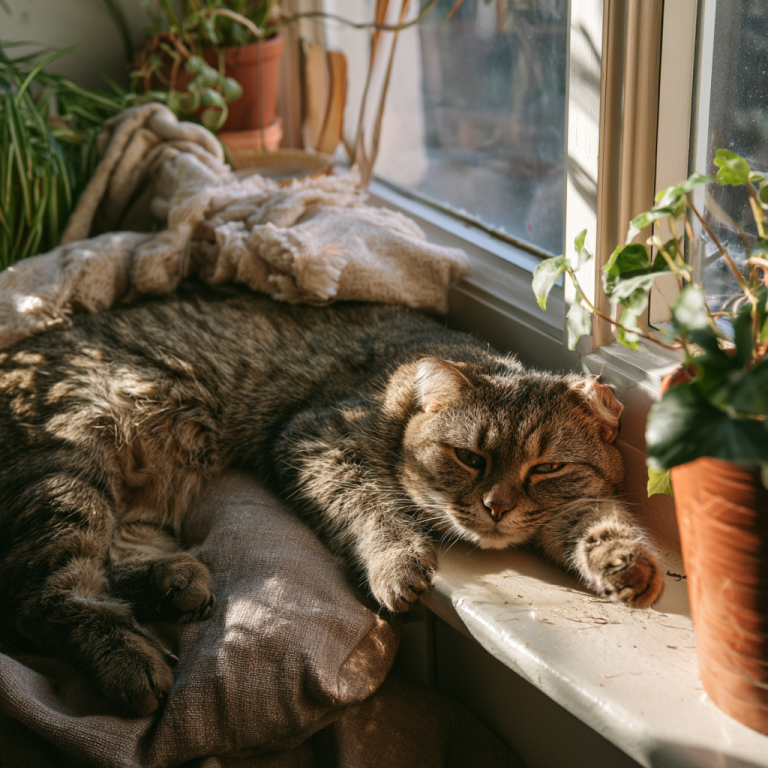
Different signs indicate if your cat feels secure around you. For example, if your cat purrs while resting on your chest, it typically suggests they are content. A relaxed body posture, with legs stretched out and tail comfortably wrapped or lying flat, indicates they are at ease. Slow blinking at you can also be a sign of trust, as cats often use this gesture as a way to express affection.
Additionally, when your cat kneads on your body while on your chest, it harkens back to kittenhood, a behavior linked to comfort and affection. It’s vital to pay attention to these behaviors and recognize that each cat is unique; whichever way they express comfort will be specific to them. Understanding these signals will help deepen your bond and make the time spent with your feline friend even more rewarding.
Additional Considerations
Health factors for human-cat sleeping arrangements
While many cat owners cherish the experience of their feline friends sleeping on their chests, there are health factors to consider that may affect your sleeping arrangements. Allergies to cat dander can become an issue, especially if you notice increased sneezing, itchy eyes, or other allergic reactions. Keeping your sleeping area clean and investing in air purifiers or hypoallergenic bedding can help manage allergens.
Furthermore, if your cat’s sleeping behavior disrupts your sleep cycle, it may be worth evaluating the arrangement. Cats are naturally nocturnal and may be more active during the night, which can lead to restlessness for human companions. If this becomes a concern, you might consider creating a comfortable sleeping area nearby for your cat, allowing them to be close while still providing you with undisturbed sleep.
When to be cautious about your cat’s sleeping behavior
While most of the time, a cat sleeping on your chest is a sign of affection and trust, there are instances where their sleeping habits warrant caution. If your cat suddenly shifts to sleeping excessively, changes places frequently, or displays odd behavior while sleeping, it could indicate underlying health issues such as anxiety, discomfort, or even illness. Observing changes in your cat’s energy levels, appetite, and litter box habits can offer additional insights into their health.
Should you notice any concerning behaviors, it’s best to consult a veterinarian for a thorough assessment. Prompt attention to unusual symptoms can help identify potential health concerns early and provide necessary interventions to secure your cat’s well-being.
Understanding the reason behind your cat’s choice to sleep on your chest reveals much about their affectionate nature and the bond you share. The trust they place in you, the comfort they derive from your presence, and the warmth they seek are all vital elements in your relationship. By respecting and nurturing this connection, you can enjoy enriching experiences together, fostering an environment of mutual affection and companionship.
Frequently Asked Questions
Why does my cat follow me around?
Cats may follow their owners for various reasons, including seeking attention, companionship, or food. They often form strong bonds with their humans and enjoy being near them.
Is it normal for cats to sleep on their owner’s chest?
Yes, it is normal for cats to sleep on their owner’s chest. This behavior typically signifies affection, warmth-seeking, and a sense of security between the cat and the owner.
Why does my cat knead on my chest?
Kneading is a common behavior in cats, often rooted in their kittenhood where they kneaded their mother’s belly to stimulate milk flow. When adults do this, it often reflects maternal comfort and affection towards their owners.
What does it mean when a cat purrs while sleeping on me?
When a cat purrs while sleeping on you, it generally indicates contentment and relaxation. However, purring can sometimes occur in response to discomfort or pain, so context is essential.
Do all cats prefer sleeping close to humans?
Not all cats prefer to sleep close to humans, as individual personalities and histories vary. Some may enjoy the company and warmth, while others may prefer solitude for comfort and safety.