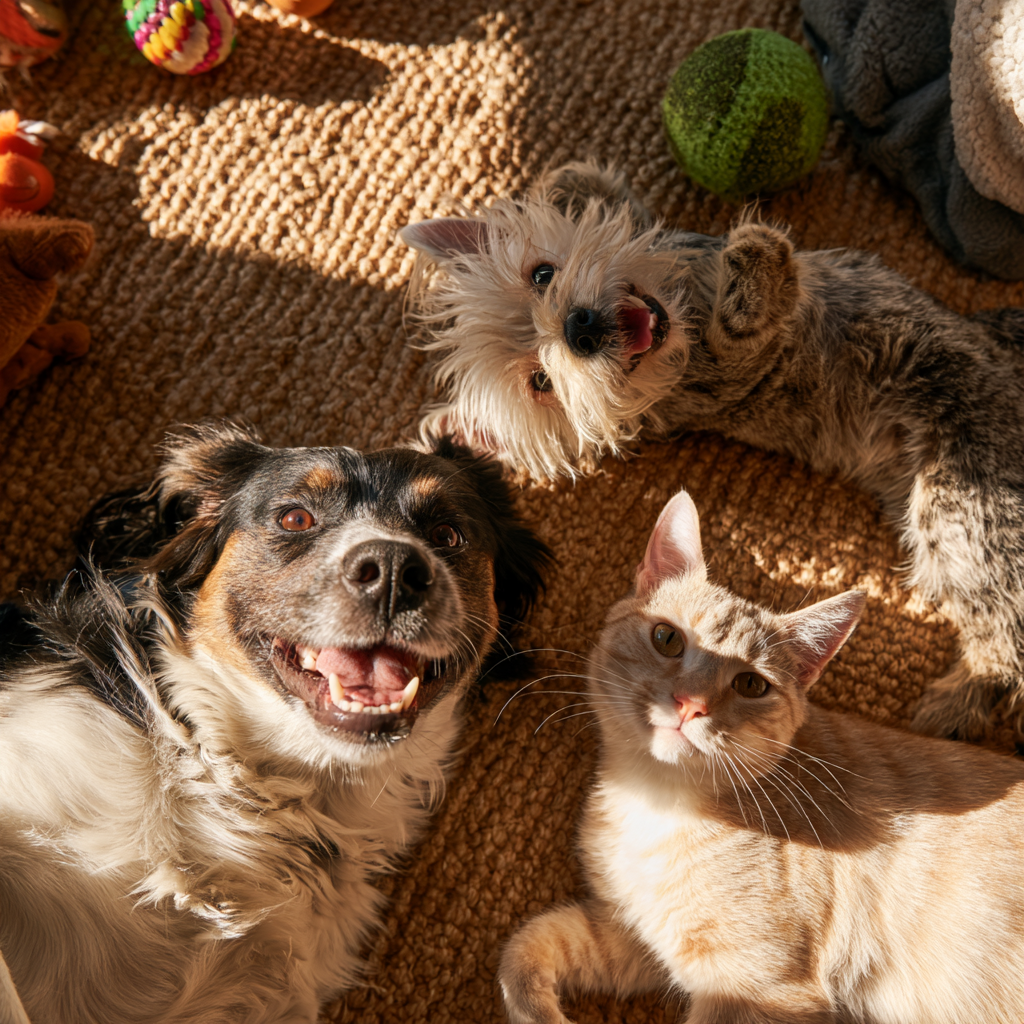
Why Dogs Are Fun: The Positive Impact of Feline and Canine Companionship
Why Dogs Are Fun: The Positive Impact of Feline and Canine Companionship is a topic that captures the essence of the joy found in multi-pet households. The companionship of dogs and cats can yield numerous benefits for both pets and their human families, fostering relationships that can enhance their quality of life in various ways. Understanding the unique dynamics between these two species underscores how they can coexist harmoniously, bringing fun and fulfillment to everyday life.
Quick answer: Dogs provide social support to cats, enhancing their emotional and mental well-being, while mixed pet households can lead to improved mental health for their human companions as well. Creating shared activities and recognizing positive interactions is key to building a fun and engaging multi-pet environment.
Why Dogs Are Fun: The Positive Impact of Feline and Canine Companionship
The Unique Bond Between Dogs and Cats
The relationship between dogs and cats can be surprisingly complex, yet it showcases the potential for deep companionship despite their differing social structures and communication styles. This bond is often developmental; young kittens and puppies raised in the same environment frequently learn to interpret each other’s cues, leading to healthy play behaviors. Sometimes, their interaction mirrors sibling-like dynamics, with dogs acting as protective figures for their feline counterparts.
For instance, a gentle Golden Retriever may take on a nurturing role toward a curious kitten, adapting its behavior to ensure the cat feels comfortable and secure. Conversely, high-energy breeds such as Border Collies might engage in playful chases, triggering the kitten’s instinctual behavior to run and pounce. Individual personality traits significantly impact how these interactions unfold. An observant pet owner will note the complexities of their pets’ body language and sounds: a cat’s soft chirp may signal an invitation to play, while a dog’s tail wag can show excitement. When observing these interactions, it’s essential to recognize that behavior may vary based on the individual animal’s temperament and past experiences.
How Dogs Provide Social Support for Cats
Dogs can serve as remarkable social companions for cats, offering emotional support and reducing feelings of isolation. Research suggests that animals can experience stress, and the presence of a dog may help to alleviate these feelings for a cat, particularly in single-pet households. Breeds that exhibit a calm, patient demeanor, such as Cavalier King Charles Spaniels or Basset Hounds, are often better suited for fostering supportive relationships with cats.
A practical example of this dynamic can be observed when a cat feels cautious in an unfamiliar setting. A dog that exudes relaxation and confidence may encourage the cat to explore its environment more freely. Observing signs—such as a cat gradually approaching and investigating the dog within its comfort zone—can indicate a developing trust. Careful monitoring of their interactions is crucial, as individual responses vary. Equally, dogs that exhibit herding or predatory behaviors, such as Australian Shepherds or Greyhounds, may require additional supervision to ensure the interactions remain safe and positive.
Enhancing Each Other’s Lives
How Canine Companionship Enhances Life Quality
Canine companionship significantly enriches the life of a cat by providing opportunities for socialization and mental stimulation. The playful antics of a dog can inspire physical activity in a less active feline. For example, when a dog plays fetch or engages in fun, energetic bouts of play, a curious cat may be inclined to join in or observe, leading to increased engagement and interaction.
Moreover, dogs often have a natural inclination to explore the environment with enthusiasm, which can inadvertently prompt cats to expand their horizons as well. Activities such as shared walks, even with a cat in a harness, or simply exploring the same living space can create a enriching environment for both pets. This exploration can include games that involve both pets, such as using toys that engage them together or creating an obstacle course they can navigate side-by-side.
Mental Health Benefits of Mixed Pet Households
Having both a dog and a cat in the household creates a dynamic that can lead to improved mental health for humans, too. The companionship of pets has been shown to reduce stress and anxiety in their owners. For instance, interacting with a playful puppy or a gentle cat can elevate mood and foster feelings of happiness. Studies have indicated that pet ownership can decrease levels of cortisol, a stress hormone, and promote the release of oxytocin, the bonding hormone, in humans.
Caring for both types of pets can foster feelings of responsibility and nurture a sense of community within the household. This enriching dynamic often allows families to bond over shared responsibilities in pet care, creating a supportive and engaged family environment. In mixed pet households, it’s common to observe the natural affection and playful interactions that develop, which can serve as stress-relievers for their owners. Even the simple act of observing two pets play together can evoke laughter, further contributing to the overall joy of pet ownership.
Creating Cohesive Household Dynamics
Shared Activities for Dogs and Cats
Engaging dogs and cats in shared activities is essential to fostering a positive household dynamic. Here are a few ideas on how to promote interaction between your pets:
- Utilize interactive toys: Toys that dispense treats can motivate both pets to work together or take turns.
- Create a safe play space: Designate an area in your home where both pets can roam freely and interact with each other safely.
- Encourage cooperative training: Teaching dogs commands that benefit the cat, such as “leave it,” helps establish boundaries while promoting mutual respect.
- Facilitate supervised playtime: Encourage short, supervised play sessions where both pets can engage safely. Gradually increase the duration as they become more comfortable.
Signs of Positive Interactions Between Pets
Recognizing signs of positive interactions is essential in fostering a harmonious multi-pet environment. Signs that dogs and cats are getting along well include:
- Mutual grooming: When pets groom each other, it signals trust and an affectionate bond.
- Relaxed body language: Observing both pets in a relaxed position—ears up, tails neutral, and loose body posture—indicates comfort with one another.
- Playful behavior: Playful antics, such as a dog doing a play bow toward a cat or a cat swatting at a dog in a gentle manner, show a willingness to engage without aggression.
- Shared space: If both pets willingly occupy the same area, such as lounging on the couch together, it points to a strong bond.
Fostering a positive atmosphere between pets encourages socialization and enhances the overall living experience for both household and pets.
Understanding Why Dogs Are Fun: The Positive Impact of Feline and Canine Companionship informs how we can embrace the unique relationships that develop between our pets. By monitoring interactions, engaging in shared activities, and recognizing positive behaviors, we can enrich the lives of our pets and ourselves. If you’re new to multi-pet households or looking to improve the dynamics of your existing ones, consider exploring various strategies that encourage comfort and play between your animals. Ultimately, crafting an engaging environment that accommodates the needs and personalities of both dogs and cats holds the key to an enjoyable and fulfilling companionship.
Frequently Asked Questions
What are the benefits of having both a dog and a cat?
Having both a dog and a cat can lead to enhanced companionship, reduced loneliness, and an overall improved quality of life for each pet. Their unique interactions can promote physical play, emotional support, and a balanced household dynamic.
How do dogs and cats interact positively?
Dogs and cats can interact positively through activities such as play, grooming, and shared resting spaces. These interactions help reinforce a bond based on trust and understanding, facilitating a comfortable coexistence.
Can dogs help with anxiety in cats?
Yes, dogs can help alleviate anxiety in cats by serving as a comforting presence and encouraging socialization. Their playful interaction often motivates cats to engage with their environment, reducing feelings of isolation.
What activities can dogs and cats enjoy together?
Dogs and cats can enjoy several activities together, such as interactive games, joint training sessions, and exploring obstacle courses. Engaging in these shared experiences enhances their bond and fosters mutual respect.
How can pet companionship improve family life?
Pet companionship can enhance family life by promoting teamwork and interaction among family members while caring for the animals. Shared responsibilities often lead to reduced stress, increased happiness, and stronger bonds between family members.