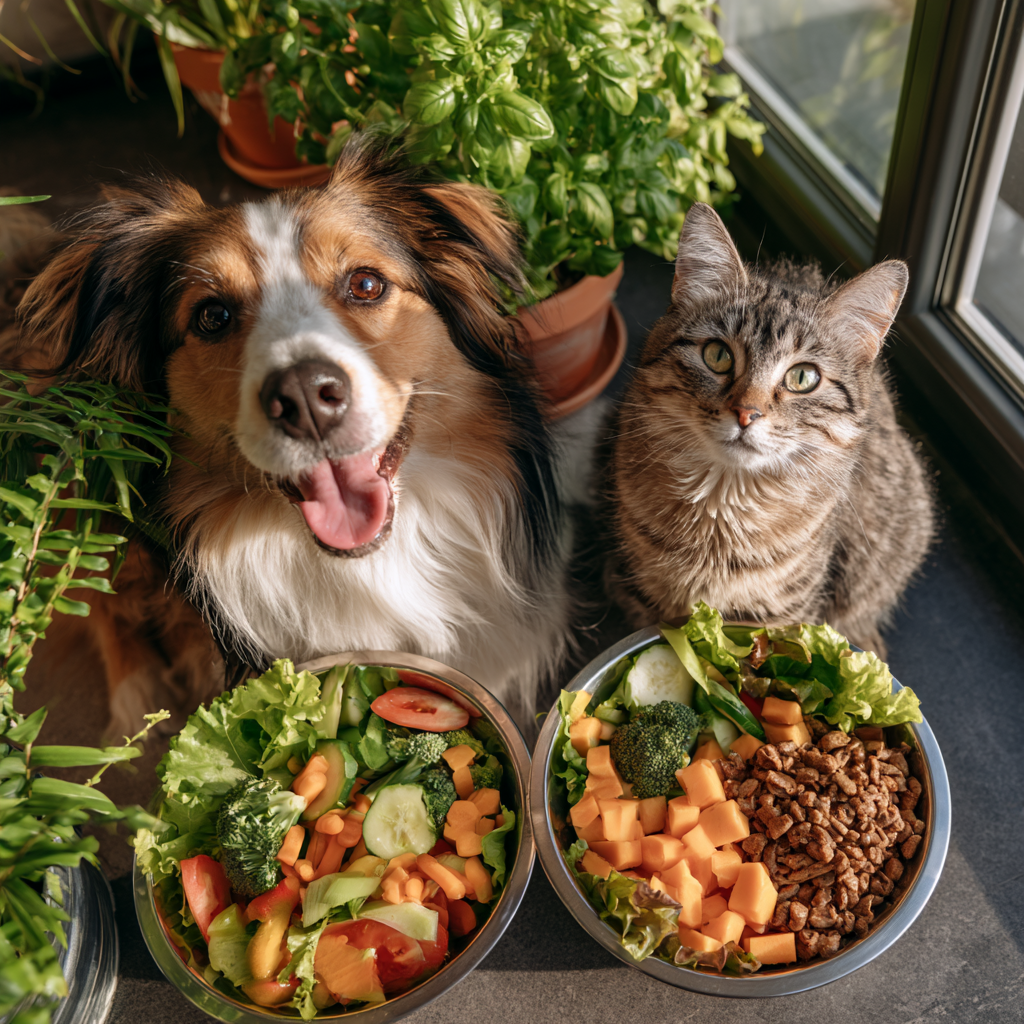
How Can I Keep My Pet Healthy? Essential Tips and Practices
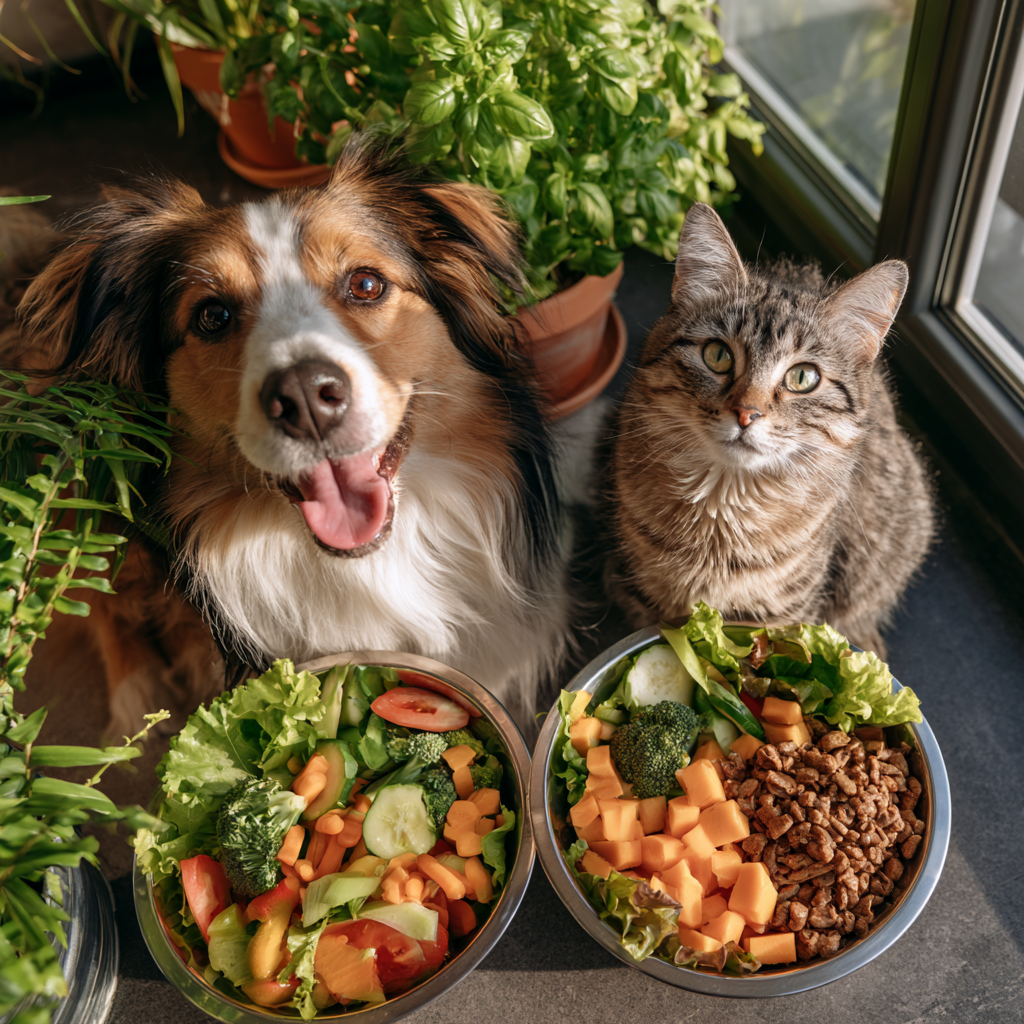
How Can I Keep My Pet Healthy? This is a common question among pet owners who want to ensure their furry friends lead long, vibrant lives. Keeping your pet healthy involves a comprehensive understanding of their needs and maintaining a balanced approach to their diet, exercise, and mental stimulation. By implementing certain practices and being attentive to their health, you can enhance their overall well-being and happiness.
Quick answer: To keep your pet healthy, focus on providing a balanced diet, regular veterinary care, and consistent exercise. Additionally, ensuring they have mental stimulation and a clean environment contributes significantly to their health and happiness.
How Can I Keep My Pet Healthy? Understanding the Basics
The role of nutrition in pet health
Proper nutrition forms the foundation of your pet’s health, significantly influencing their energy levels, coat quality, and overall immune function. Understanding the specific dietary needs of your pet’s species, breed, and life stage is crucial. For example, puppies and kittens require different nutrients than adult or senior pets, and active pets may need more calories compared to their less active counterparts.
Pay attention to the ingredient list in commercial pet foods. Ideally, the first ingredient should be a high-quality protein source, followed by whole grains, vegetables, and healthy fats. Consider consulting with your veterinarian to determine the most suitable diet for your pet. Regularly monitoring your pet’s body condition score can help you gauge if they’re maintaining a healthy weight.
Importance of regular veterinary visits
Regular veterinary visits are essential for preventative healthcare and monitoring your pet’s overall health status. Vets can conduct routine check-ups to catch potential health issues before they escalate, such as dental disease, obesity, or infections. These visits often include vaccinations that protect against common diseases.
You should schedule veterinary visits at least once a year for healthy pets. However, senior pets or those with pre-existing conditions may require more frequent visits. Always observe any changes in behavior, appetite, or physical condition and report these to your vet, as they can indicate developing health issues.

Practical Steps for a Healthy Pet Lifestyle
Establishing a well-balanced diet
Creating a well-balanced diet for your pet involves selecting nutritional foods appropriate for their specific species, size, and lifestyle. Start by consulting your veterinarian regarding the best food options. Look for pet foods that meet AAFCO (Association of American Feed Control Officials) standards as a reliable indicator of quality.
To ensure a balanced diet, consider incorporating the following:
- High-quality proteins like chicken, beef, or fish.
- Healthy carbohydrates, such as brown rice, sweet potatoes, or peas.
- Essential fats for skin and coat health, such as omega-3 and omega-6 fatty acids.
- Fruits and vegetables for additional vitamins, minerals, and fiber.
Monitor your pet’s weight and adjust food portions as necessary, ensuring you do not overfeed or underfeed. Remember that treats should only comprise a small fraction of their overall daily caloric intake.
Daily exercise routines tailored for your pet
Exercise is vital for maintaining a healthy weight and providing mental stimulation for your pet. The type and amount of exercise depend on your pet’s breed, age, and energy levels. Dogs, for instance, thrive on daily walks, runs, or interactive play sessions, while cats may prefer engaging activities like chasing feather toys or climbing structures.
To establish an effective exercise routine:
- Assess your pet’s physical capabilities and activity preferences.
- Include a mix of cardio activities, such as brisk walking or fetching.
- Incorporate short play sessions throughout the day to maintain engagement.
- Adjust the intensity and duration of workouts as your pet ages or their fitness level changes.
Remember, regular exercise also helps alleviate potential behavioral issues stemming from boredom or pent-up energy.
Grooming and hygiene practices to adopt
Regular grooming is an essential aspect of your pet’s health that extends beyond simply keeping them looking good. Grooming routines, including brushing, bathing, and nail trimming, help prevent matting, skin infections, and other health issues. The frequency of grooming will vary depending on your pet’s coat type and lifestyle.
For dogs, brushing may be required several times a week or even daily for long-haired breeds. Cats generally require less grooming but may still benefit from regular brushing to reduce hairballs and control shedding. Additionally, establish oral hygiene practices by regularly brushing their teeth or providing dental chews recommended by your veterinarian.
A clean environment is also a vital component of hygienic practices. Regularly disinfect their bedding and toys, and maintain a clean litter box for cats. This helps prevent the spread of bacteria and parasites, safeguarding your pet’s health.
Creating a Stimulating Environment for Your Pet
Mental enrichment and socialization techniques
Mental enrichment is as essential as physical exercise for your pet’s health. Providing stimulating activities helps prevent boredom and encourages natural behaviors, leading to happier and better-adjusted pets. Puzzles, treat-dispensing toys, and interactive games can engage your pet’s mind.
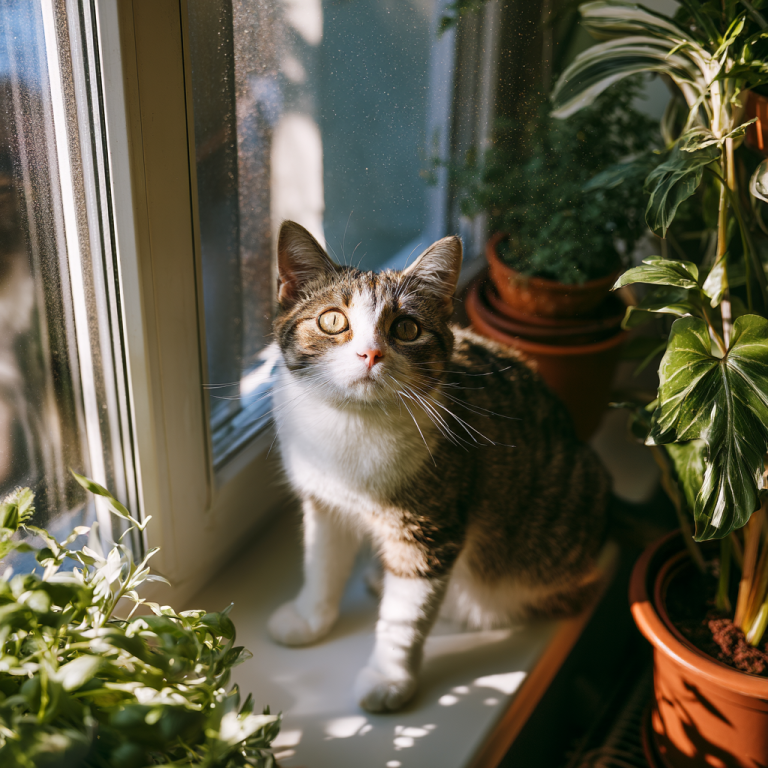
Socialization also plays a critical role in your pet’s mental well-being. Introducing them to new people, animals, and environments helps reduce anxiety and develop a well-rounded temperament. Consider enrolling your dog in a training class or arranging playdates with other pets. For cats, placing a window perch can offer an excellent view of outdoor activities, stimulating their curiosity.
Safe play areas and activities for pets
Creating designated play areas for your pet can provide them with a secure environment to explore and engage in safe activities. For dogs, a fenced yard or a dog park can be an excellent place for them to run freely and meet other dogs, ensuring they also receive social interaction.
For indoor pets, make adjustments by providing safe toys, climbing structures, or interactive gaming options to keep them entertained. You can also install baby gates to limit areas of your home to suitable play environments, preventing access to potential hazards. Always supervise your pet during playtime, especially if they are engaging with new toys or activities.
Establishing an enriching environment not only keeps your pet mentally stimulated but also strengthens your bond through shared activities and experiences.
By implementing these practices, you will effectively answer the question, “How Can I Keep My Pet Healthy?” Your commitment to their health will lead to a happy and fulfilling life for both your pet and yourself. Regular monitoring, tailored care, and proactive engagement create a foundation for health that lasts a lifetime.
Frequently Asked Questions
What should I feed my pet for better health?
A balanced diet tailored to your pet’s species, age, and activity level is essential for better health. Focus on high-quality proteins, healthy carbohydrates, essential fats, and fresh fruits and vegetables to provide the necessary nutrients.
How often should I take my pet to the vet?
It is generally recommended to take your pet to the vet at least once a year for routine check-ups. However, senior pets and those with health conditions may require more frequent visits for proper monitoring and care.
What types of exercises are best for my pet?
The best types of exercise vary by species and individual needs. Dogs typically benefit from daily walks and play sessions, while cats may prefer interactive toys and climbing structures to stay active.
How can I tell if my pet is healthy?
Signs of a healthy pet include a shiny coat, clear eyes, regular appetite, and normal energy levels. Observing changes in behavior, weight, or physical condition is crucial; consult a veterinarian if you notice anything unusual.
What vaccinations does my pet need?
Vaccination needs vary based on species and individual circumstances. Common vaccinations for dogs include rabies, distemper, and parvovirus, while cats often need vaccinations for rabies, feline distemper, and leukemia. Always consult your veterinarian for personalized recommendations.