Cat Coat Types: Understanding the Various Fur Varieties
Cats come in a stunning variety of coat types, each contributing to their unique appearance and personality. Understanding these cat coat types is essential for any potential owner or cat enthusiast, as it aids in recognizing the diverse needs of different breeds. From short, sleek furs to long, luxurious manes, and even the rare hairless varieties, each type holds its own charm and care requirements. Let’s delve into the fascinating world of cat coat types and what they mean for our feline friends.
Quick answer: Cat coat types vary widely, including short-haired, long-haired, and hairless varieties. Each type comes with unique grooming needs, behaviors, and characteristics that can influence their care and interaction with humans.
Cat Coat Types and Their Characteristics
What are the Different Cat Coat Types?
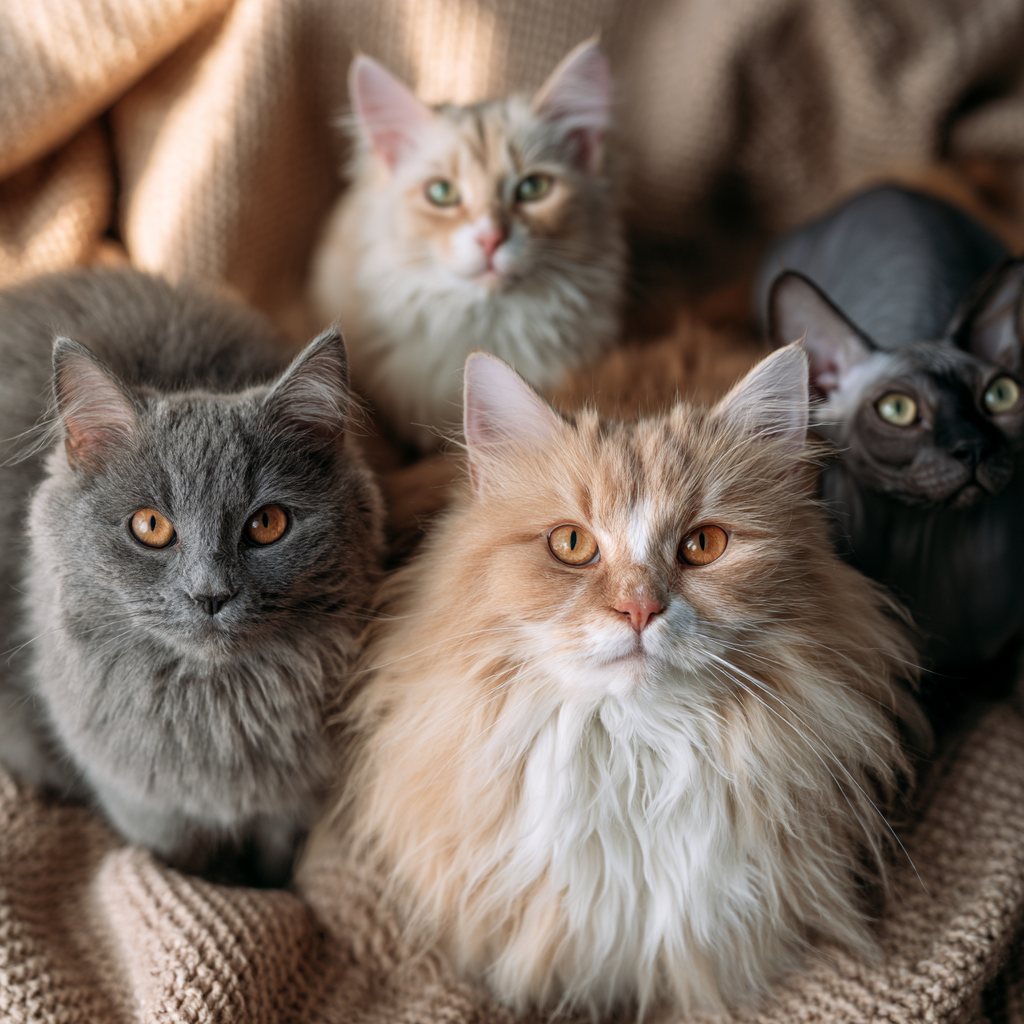
Cats exhibit various coat types, which can be classified into three main categories: short-haired, long-haired, and hairless. Each category showcases its own distinct features and behaviors.
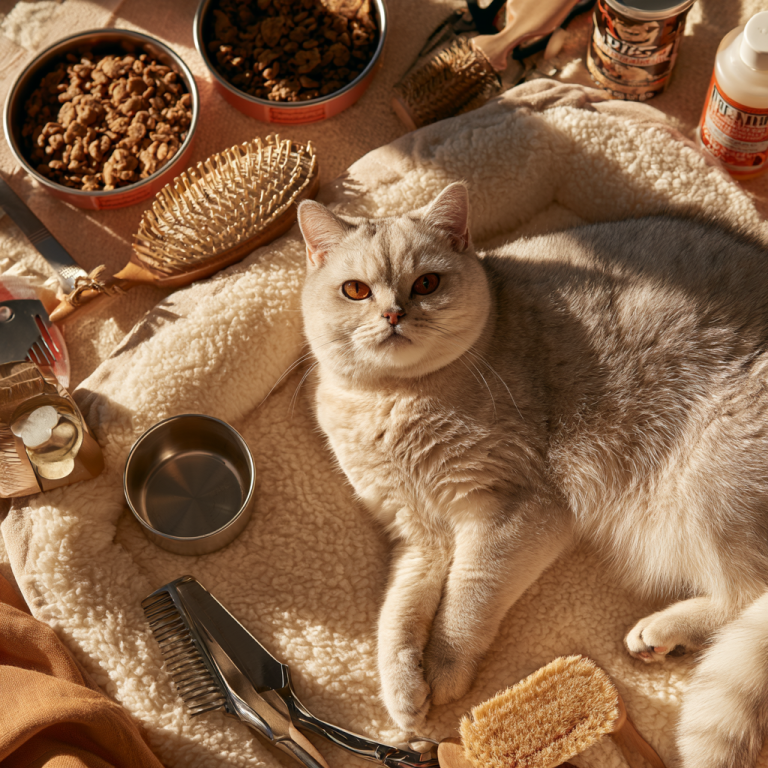
- Short-Haired Cats: Typically, these cats have sleek fur that lies close to the skin. Breeds like the Siamese or British Shorthair fall under this category. Their fur is often easy to maintain, requiring only occasional brushing.
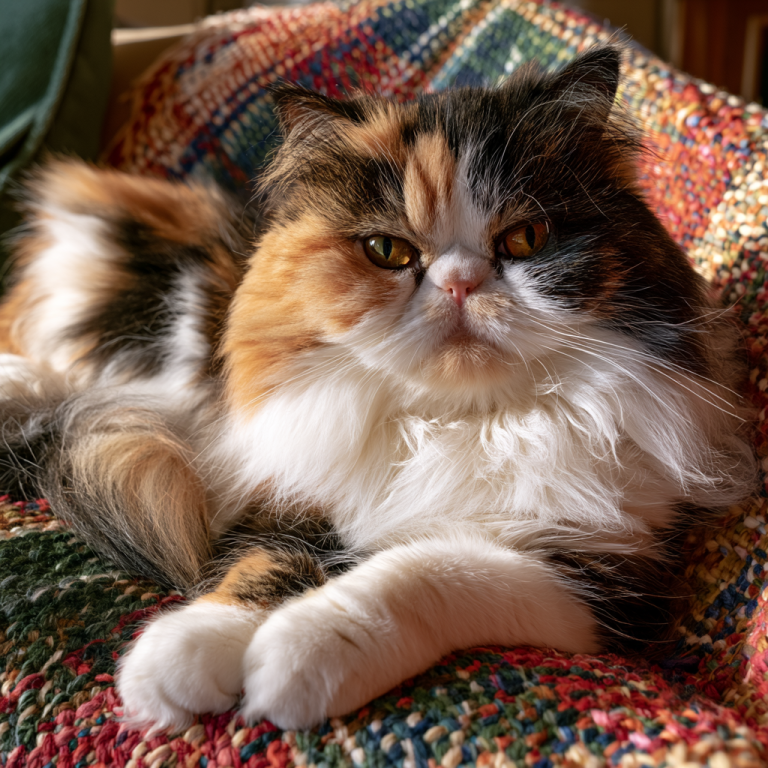
- Long-Haired Cats: These breeds, such as the Persian and Maine Coon, possess a thicker coat that can be fluffy or silky. Long-haired cats often need more regular grooming to prevent tangles and matting.
- Hairless Cats: Though they lack a conventional coat, breeds like the Sphynx have unique skin characteristics and require special care to maintain skin health and temperature regulation.
Exploring Short-Haired Cats
Short-haired cats are among the most common types seen in households worldwide. Their fur typically requires less maintenance compared to their long-haired counterparts, which can be advantageous for busy pet owners. Breeds like the American Shorthair and Bengal are noted not just for their striking appearances but also for their generally easy-going grooming needs.
Despite their short coats, these felines can exhibit a range of colors and patterns, including tabby, tortoiseshell, and solid colors. In terms of personality, short-haired cats can show a variety of temperaments, but many tend to be social and curious, often engaging actively with their owners. When considering short-haired breeds, keep in mind their overall health, as they still require adequate care, including regular vet check-ups and vaccinations.
Long-Haired Cat Breeds and Their Care
Understanding Long-Haired Cat Breeds
Long-haired cats are known for their luxurious coats, which can also be a significant part of their appeal. Breeds such as the Ragdoll and Himalayan not only captivate pet lovers with their beautiful fur but also with their gentle and affectionate personalities. These cats often thrive in quieter, more stable environments where they can receive plenty of attention.
The long fur of these cats can vary in texture from silky to fluffy, contributing to their unique aesthetic appeal. Their coats often require more attention, and the grooming routine should become a bonding time, making it enjoyable for both the cat and the owner.
Grooming Needs for Long-Haired Cats
Grooming is essential for long-haired cats to keep their fur healthy and tangle-free. Here are some grooming tips to help maintain their coats:
- Frequency: Aim to brush your long-haired cat at least two to three times a week, or even daily during shedding seasons. This will help remove loose fur and minimize hairballs.
- Technique: Use a wide-toothed comb first to detangle mats, followed by a slicker brush for a smooth finish. Always be gentle to avoid causing discomfort.
- Bathing: While most cats do not require frequent baths, occasional bathing can help in removing dirt and oils from their coats. Use shampoos specially formulated for cats.
- Regular Check-Ins: While grooming, inspect your cat’s skin for signs of parasites or abnormalities. Early identification of issues can lead to better treatment outcomes.
By establishing a regular grooming routine, you not only enhance your cat’s appearance but also improve their overall comfort and well-being.
Hairless Cat Breeds
Characteristics of Hairless Cats
Hairless cats, such as the Sphynx, have gained popularity for their distinct appearance and affectionate personalities. Rather than being completely devoid of hair, they possess a fine layer of fuzz that gives them a unique texture and feel. They can be quite social and are often known for being friendly and interactive with their families.
Due to their lack of a protective coat, hairless cats are more susceptible to temperature extremes, both hot and cold. This necessitates specific care to ensure they remain comfortable and healthy in varying environments.
Care Tips for Hairless Cats
Caring for hairless cats involves unique considerations to maintain their health and comfort. Here are some essential tips:
- Skin Care: Hairless cats require regular bathing, around once a week, to remove excess oils and dirt accumulated on their skin. Use a gentle, cat-specific soap.
- Temperature Management: Ensure they have access to warm areas during colder weather and avoid direct sunlight exposure to protect their sensitive skin.
- Moisturizing: Consider applying a veterinary-approved moisturizer to keep their skin hydrated, especially if it appears dry or flaky.
- Regular Vet Visits: Schedule regular health check-ups to monitor skin conditions and overall health, as they can be prone to certain diseases.
With proper care and attention, hairless cats can thrive and offer companionship just like their furry counterparts.
Coat Patterns in Cats
Exploring Cat Coat Patterns
Cat coat patterns add another layer of intrigue to their appearance and can vary widely across breeds. Common patterns include solid, tabby, tortoiseshell, and calico. Each pattern reflects a mixture of genetic traits and often showcases the unique identity of an individual cat.
Tabby cats, for example, are characterized by their distinctive “M” shaped markings on their foreheads and stripes or spots on their bodies. Tortoiseshell cats often exhibit an intermingling of black and orange patches, while calicos are known for their multi-colored fur featuring white, black, and orange.
Coat Patterns and Their Significance
While some cat lovers appreciate coat patterns for their aesthetic value, there is ongoing debate about whether coat patterns influence behavior. Scientific studies have yet to establish concrete links between specific coat patterns and specific behavioral traits. However, it is not uncommon to observe that individual cats of certain patterns may develop behaviors shaped more significantly by their upbringing, experiences, and personalities than by their appearance alone.
Regardless of coat type or pattern, each cat’s temperament can show immense variability, making it critical to engage with each cat as an individual. This personal interaction helps foster your bond and encourages a healthy relationship between pet and owner.
Frequently Asked Questions
How do I care for a long-haired cat?
Caring for a long-haired cat involves regular grooming, ideally several times a week, to prevent matting. It’s important to check their skin for any issues and ensure they have a comfortable and clean living environment.
What breeds have short hair coats?
Breeds like the British Shorthair, Siamese, and American Shorthair are known for their short hair coats. These cats generally require less grooming than long-haired breeds, making them easier to maintain.
Are there cats with no hair?
Yes, the Sphynx is a well-known breed of hairless cat. While they have little to no fur, they require specific care routines to manage their skin health and temperature sensitivity.
How do coat patterns affect behavior?
Currently, there is no strong scientific evidence connecting coat patterns directly to behavioral traits. Individual behavior is typically influenced more by a cat’s history, environment, and personality than by its coat pattern.