Why Is My Dog Suddenly Following Me Everywhere?
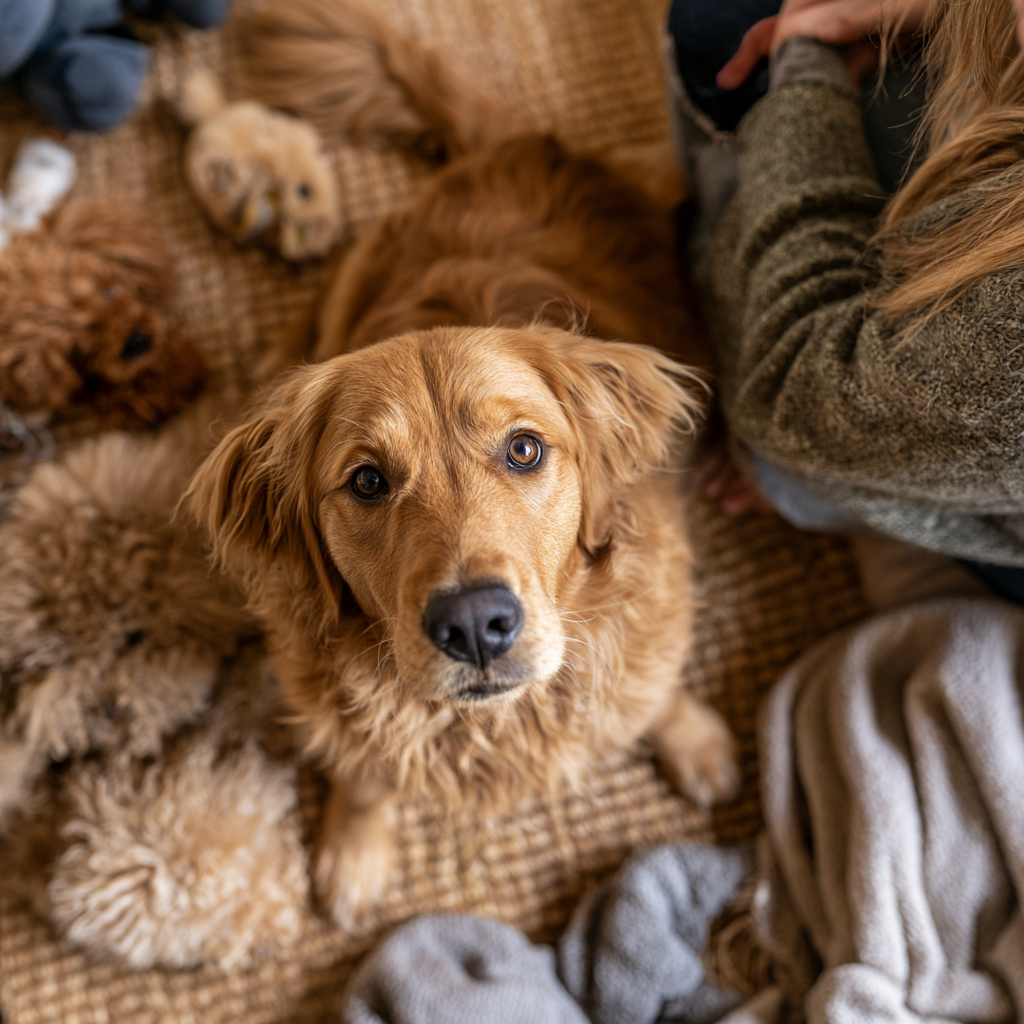
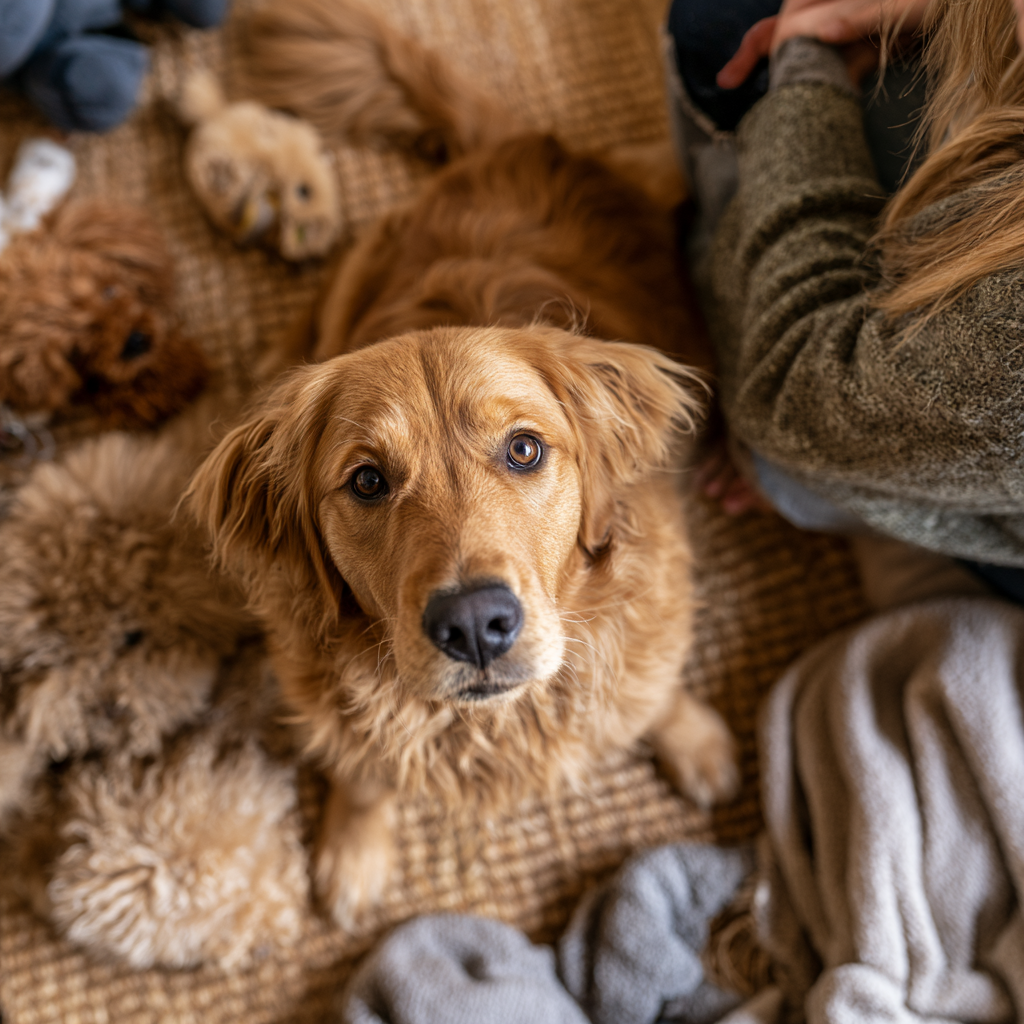
Why Is My Dog Suddenly Following Me Everywhere? This question frequently arises among pet owners who observe a marked change in their dog’s behavior. A dog that once enjoyed some independence may suddenly seem glued to your side, following you from room to room or whimpering when you step away. This shift can be both concerning and puzzling, and understanding the motivation behind it can help clarify whether it’s a normal attachment or something that requires further attention.
Quick answer: A dog may suddenly start following you everywhere due to several reasons, including changes in their environment, routine, or emotional state. Whether due to increased attachment, anxiety, health issues, or life changes, it’s essential to observe your dog’s behavior to understand their specific needs.
Understanding Your Dog’s Behavior: Why Is My Dog Suddenly Following Me Everywhere?
Possible reasons for sudden clinginess
When considering the question of why your dog is suddenly so attached, several factors could be at play. Here are some possible explanations:
- Increased attachment: Dogs are social animals and often form strong bonds with their owners. If you previously spent less time together, your dog might become more affectionate and attached, seeking your company more frequently.
- Fear or anxiety: A sudden increase in clinginess could be a response to fear or anxiety. Changes in the environment, such as new household members, loud noises, or unfamiliar situations, may lead your dog to seek comfort and reassurance through your presence.
- Health concerns: Illness or discomfort can lead dogs to seek comfort from their owners. If your dog seems suddenly needy, it can be wise to check for any changes in their health.
- Age-related changes: Older dogs may become more anxious or clingy due to cognitive decline, health issues, or changes in their routine or environment. Observing these patterns can help you better understand your dog’s needs.
- Attention-seeking behavior: Sometimes, dogs learn that following their owner leads to attention, whether positive or negative. If they realize that lingering around you gets a reaction, they may follow you to receive more interaction, even if it’s just a glance.
Changes in routine or environment
Dogs thrive on routine, and even minor alterations can create a sense of instability or unpredictability for them. Possible changes that could prompt clinginess include:
- New family members: Whether it’s a new pet, a baby, or a visitor, changes in the household dynamics can unsettle your dog, making them feel insecure and more reliant on your presence.
- Relocation: Moving to a new home can be stressful for dogs. The unfamiliar surroundings can heighten their anxiety about where they fit in, leading them to seek reassurance from you.
- Changes in your schedule: A shift in your daily rhythm, like a new work schedule or a return to the office, could change how your dog perceives their environment. This might leave them feeling uncertain about when they will again have access to you.
Health and Anxiety: Signs to Watch For
Behavioral changes due to anxiety
Increased clinginess may signal underlying anxiety issues. Apart from following closely, there are several behaviors you can watch for:
- Excessive barking or whining: If your dog often vocalizes when you leave them alone, this can indicate anxiety.
- Destructive behaviors: Chewing, digging, or a loss of house training can be signs of stress or separation anxiety.
- Pacing or panting: If you notice your dog is restless or excessively panting, this could be another indicator of anxiety.
- Avoidance of interactions: While some dogs might seek their owners more, others may retreat or hide in stressful situations. Both extremes require attention and understanding.
Health issues affecting behavior
Aside from anxiety, health issues can manifest in changes to your dog’s behavior, including increased attachment. Key health concerns to consider include:
- Pain or discomfort: Conditions like arthritis or dental problems can cause your dog to seek you out for comfort. Observing how they move and if they avoid certain activities can help.
- Neurological issues: Cognitive dysfunction in older dogs can change behavior, causing increased attachment or confusion.
- Gastrointestinal issues: Dogs may seek proximity when they feel unwell. If they exhibit other symptoms like vomiting or lack of appetite, it’s crucial to consult with a veterinarian.
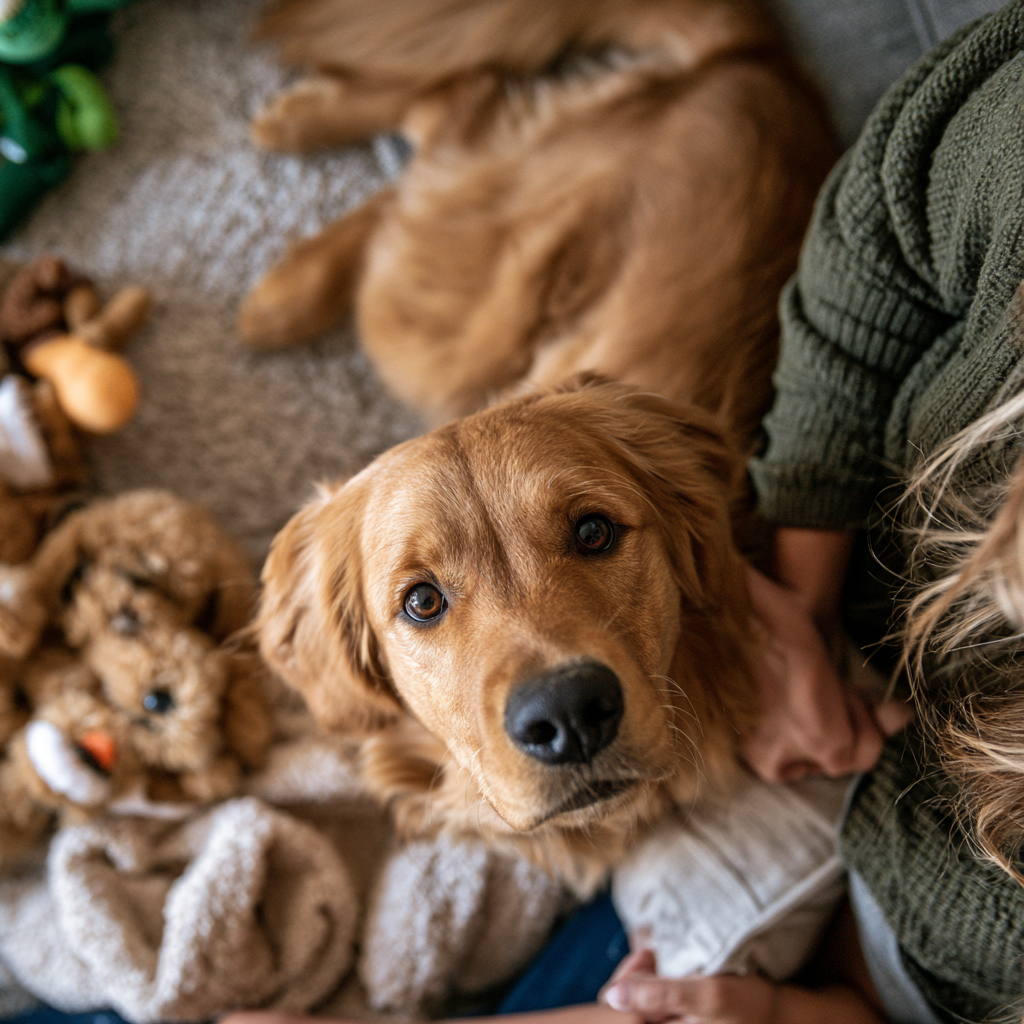
Impact of Life Changes on Your Dog
Life changes impacting dog dynamics
Life events can significantly impact your dog’s emotional health and behavior. Understanding these changes can facilitate better support for your dog:
- Loss of a companion: If a family member, human or canine, has passed away, your dog may grieve and seek comfort in your presence.
- Travel or vacations: Leaving your pet behind or changing their living arrangements temporarily can disrupt their sense of security and routine.
- Changes in exercise or socialization: If your dog has been less active or exposed to social settings, they may become more attached, longing for interaction and reassurance.
Supporting your dog during transitions
Implementing strategies to help your dog during these transitions can mitigate stress:
- Establish a routine: Keep a consistent schedule for feeding, walks, and play to help your dog feel secure.
- Provide enrichment: Engaging toys, puzzle feeders, and training sessions can distract and mentally stimulate your dog.
- Be patient: Allow your dog time to adjust to changes, and avoid punishing attachment behaviors. Reinforce positive interactions when they engage with independence.
Recognizing Positive Signs of Attachment
Positive signs of attachment
While a sudden increase in following behavior can indicate anxiety or health issues, it can also represent a healthy bond. Positive signs of attachment include:
- Seeking closeness: Dogs that are confident and happy will often want to be near their owners to share experiences and social engagement.
- Playfulness: If your dog initiates play or activities while following you, it indicates a positive bond and enjoyment of shared time.
- Vocalizations about your whereabouts: Soft barks or vocalizations can show their desire for connection, especially if paired with playful behavior.
How to maintain a healthy bond
Fostering a strong and healthy bond with your dog is crucial, especially during clingy phases. Here are some methods to reinforce this relationship:
- Quality time: Dedicate time daily for activities, be it walking, playing, or just relaxing, to strengthen your connection.
- Training and socialization: Engage your dog in training classes or socializing with other dogs. This helps build confidence and reduces excessive anxiety.
- Provide reassurance: A calm and confident demeanor when your dog shows clinginess can help them feel more secure in your presence.
When changes in your dog’s behavior lead to concerns about uncharacteristic clinginess, be mindful of what might be causing it, whether it’s health-related, a response to anxiety, or simply a reflection of their attachment. By understanding your dog’s needs and responding appropriately, you can help them navigate their emotions, ensuring a strong, healthy, and well-adjusted bond.
Frequently Asked Questions
What does it mean when my dog follows me everywhere?
When your dog follows you everywhere, it can indicate a need for security, curiosity about your activities, or increased attachment due to recent changes in routine or stressors in their environment. Monitoring their behavior and context can help clarify their motivations.
Can dogs sense changes in their owners?
Yes, dogs are highly perceptive and can often sense emotional changes in their owners. They may respond to subtle cues, such as body language or alterations in your routine, which can lead them to seek your companionship more closely during stressful times.
Is my dog anxious if they won’t leave my side?
If your dog won’t leave your side, it may be a sign of anxiety or discomfort, particularly if they display other stress signals. It’s important to assess the overall context and observe for any additional behavioral changes that could confirm their level of anxiety.
Why is my dog being extra clingy?
Your dog may become clingy due to emotional needs, anxiety, or environmental changes. They may be seeking comfort and reassurance from you during stressful situations, making it essential to provide support and reassurance.
How can I help my dog feel more secure?
To help your dog feel more secure, establish consistent routines, create a safe space, and engage in regular positive interactions. Gradual exposure to new experiences can also build their confidence and independence while fostering a strong bond with you.