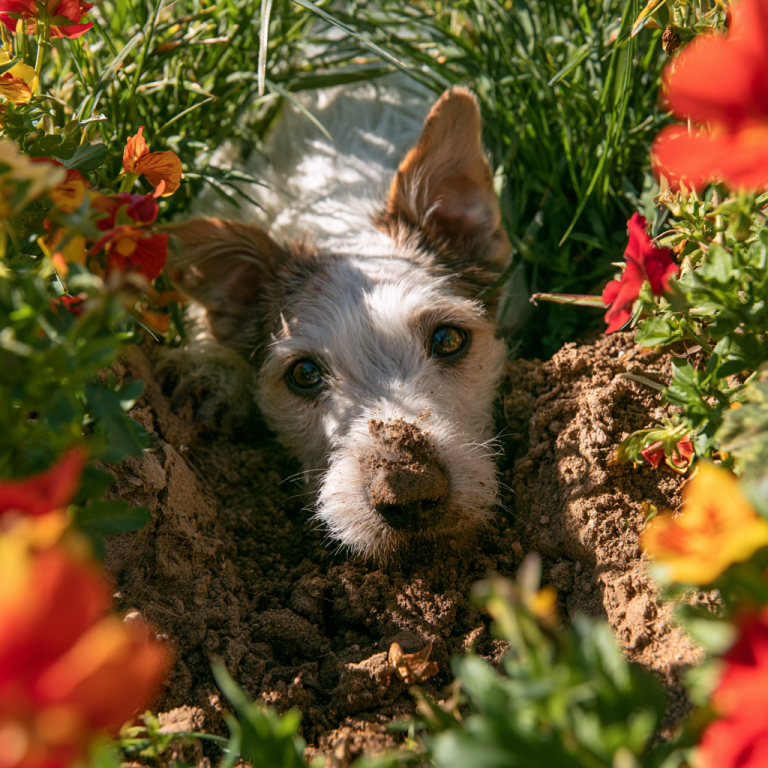
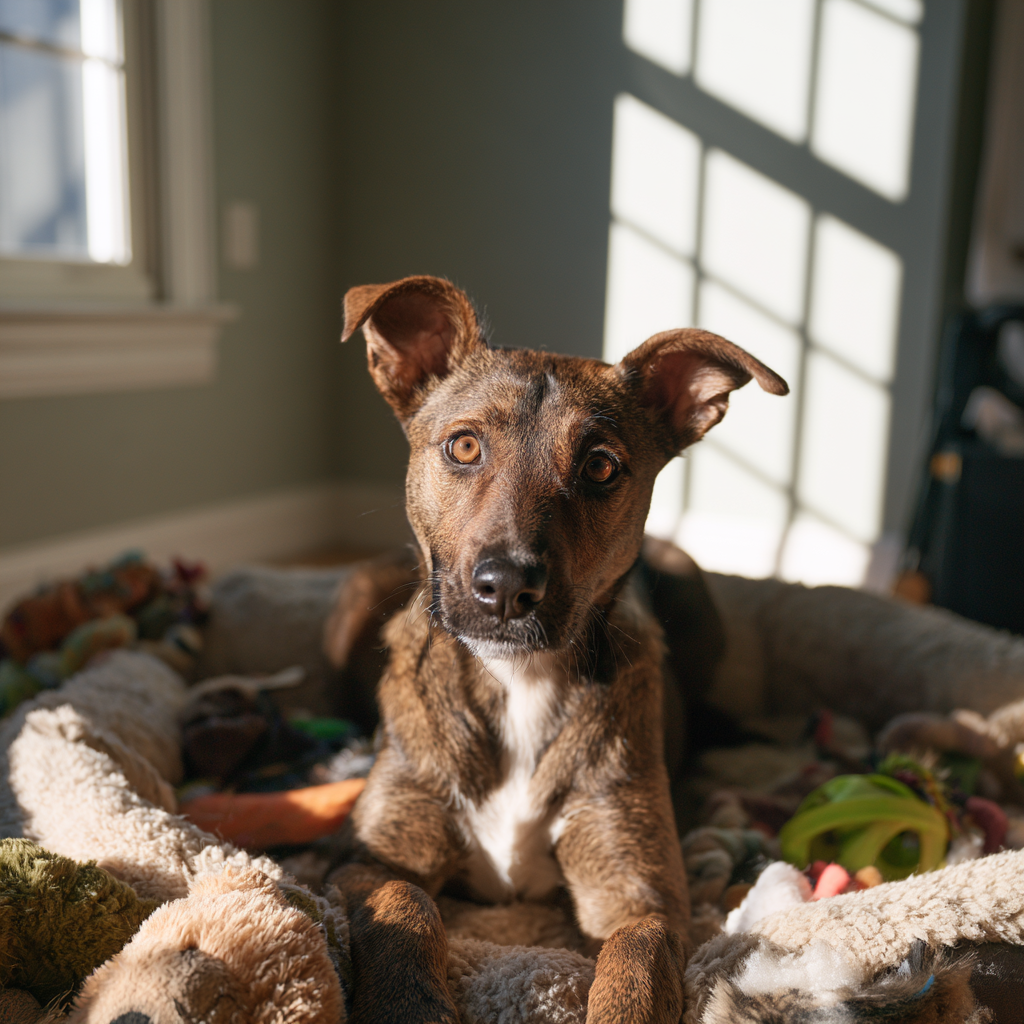
Why Is My Dog Acting Strange? Understanding Unusual Behavior
Why Is My Dog Acting Strange? This question often arises when we notice our furry companions behaving in ways that seem out of the ordinary. Dogs, like humans, can experience a multitude of emotions and reactions, so it’s important to understand the underlying causes of their peculiar behavior.
Quick answer: Unusual behavior in dogs can stem from anxiety, health issues, or environmental changes. Observing your dog’s specific behaviors and context can help identify the root cause and guide you on how to address it.
Why Is My Dog Acting Strange? Common Behavioral Changes
Anxiety or Stress Indicators
Unusual behaviors often indicate anxiety or stress in dogs. Signs of anxiety may include hiding, barking excessively, or destructive chewing. You might also observe them pacing, panting, or exhibiting repetitive behaviors, like spinning or tail chasing. Each dog’s reaction to stress can differ considerably; some might become more withdrawn, while others might display nervous energy.
Situational Factors:
- Sudden noises from thunderstorms or fireworks can cause heightened anxiety.
- Changes in household dynamics, such as a new pet or family member, can unsettle many dogs.
- A previous negative experience, like a bad encounter with another dog, may lead to behavioral changes during similar situations.
Recognizing these signs early can help you address your dog’s anxiety, perhaps with behavior modification techniques or professional guidance.
Change in Social Interactions
Another reason your dog may be acting strangely relates to changes in how they interact with you and others. If your normally social dog begins to avoid contact, it could suggest feelings of insecurity or discomfort. Conversely, increased clinginess may indicate fear, especially if your dog seems overly anxious when you are out of sight.
It’s essential to observe your dog’s behavior closely. Are they avoiding social interactions, or are they seeking out attention more than usual? Monitoring these shifts allows pet owners to understand their dogs’ comfort levels better and adapt accordingly.
Health Issues That May Be Causing the Strange Behavior
Potential Medical Conditions
When asking, “Why Is My Dog Acting Strange?” it’s crucial to consider potential health issues. A variety of medical conditions can lead to behavior changes, including:
- Pain or Discomfort: Dogs in pain may become more withdrawn or aggressive. Watch for signs like limping, excessive grooming of a certain area, or changing eating and drinking habits.
- Neurological Disorders: Conditions affecting the brain can lead to altered behavior, such as seizures or confusion.
- Infections or Illnesses: A dog that suddenly becomes lethargic or loses interest in activities may be suffering from an underlying illness.
Mapping out changes in your dog’s behavior over time could reveal patterns that are worth discussing with a veterinarian.
When to Consult a Veterinarian
Recognizing the right time to consult a veterinarian about your dog’s strange behavior is essential. If your dog shows signs such as lethargy, changes in eating or drinking, excessive barking, or unusual aggression, it may indicate a deeper health issue. It’s recommended to act if you notice:
- A sudden change in behavior without an apparent reason.
- Symptoms like vomiting, diarrhea, or excessive panting.
- Changes in weight, either loss or gain.
When in doubt, reaching out to a veterinary professional can help determine the cause and ensure your dog receives appropriate care.
Identifying Positive Changes in Behavior
Signs of Happiness and Confidence
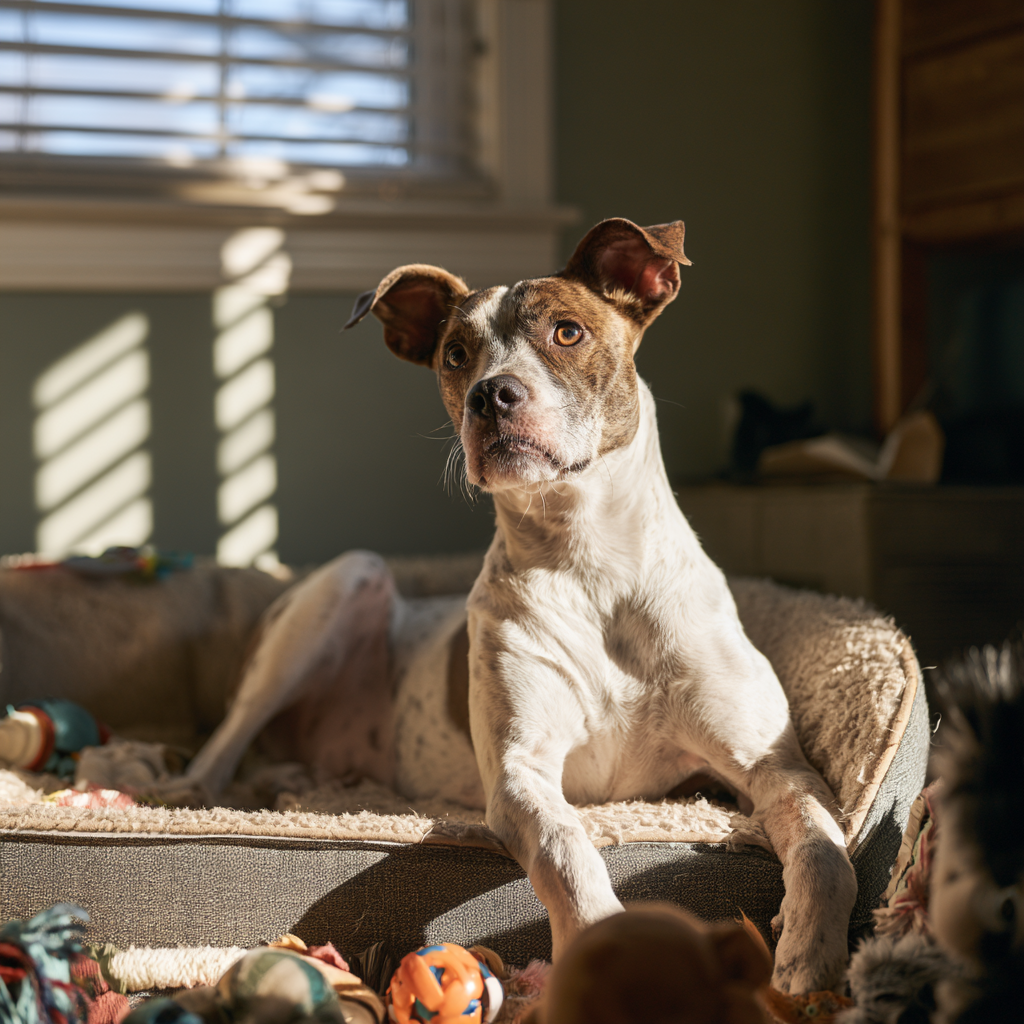
Not all strange behaviors are negative. Positive changes in your dog’s demeanor can signify happiness or increased confidence. Indicators that your dog is in a good mental space might include:
- Relaxed Body Language: A wagging tail held high, relaxed ears, and a soft, open mouth.
- Playfulness: Engaging in play, whether with toys or other animals, showcases a positive shift in mood.
- Exploratory Behavior: A curious dog that confidently investigates new smells and surroundings demonstrates a healthy state of mind.
Understanding these signals can help you foster an environment that nurtures your dog’s well-being and happiness.
Understanding Playfulness in Dogs
Playfulness is another crucial aspect of dog behavior that can reflect their mental health. A dog that engages in playful antics, such as fetching a ball, bowing before play, or chasing after you, is typically healthy and content. This behavior fosters not only physical stimulation but also strengthens the bond between you and your pet.
Encouraging playtime with your dog can also alleviate potential stressors and provide mental enrichment. However, be mindful of their play style; adjust your activities based on their energy levels and comfort.
Environmental Factors That Influence Dog Behavior
Adjusting to New Surroundings
Many dogs can be sensitive to changes in their environment, making adjustments to new surroundings potentially challenging. Whether moving to a new home, facing renovations, or even changes in furniture placement, these alterations can unsettle your dog.
Signs that your dog is struggling to adjust may include:
- Increased hiding or seeking refuge in a specific area of the house.
- Reluctance to explore new spaces.
- Aggressive reactions to unfamiliar sights or sounds.
Taking steps to ease the transition, like setting up a designated safe space for your dog, can significantly help.
Impact of Routine Changes on Dogs
Dogs thrive on routine; thus, significant changes in their daily schedule may lead to unusual behavior. For example, if you typically walk your dog in the morning but suddenly shift that routine to evenings, they may display anxiety or frustration. Other disruptions, such as changes in feeding times or mealtime environments, can also lead to stress.
Monitoring your dog during these transitions can help you understand their needs better. Sticking to a consistent routine as much as possible, even amidst changes, can promote a sense of stability and comfort.
Understanding why your dog may be acting strangely involves observing their behavior in various contexts. Factors such as anxiety, health concerns, environmental changes, and even positive shifts in their behavior all play a crucial role. Maintaining a dialogue with your veterinarian and closely watching your dog’s reactions are key to supporting their well-being effectively. With attentive care and understanding, you can help your dog navigate through times of confusion or distress, ensuring they feel secure and loved.
Frequently Asked Questions
What does it mean if my dog is acting strange?
If your dog is acting strange, it can be a sign of anxiety, health issues, or changes in their environment. Observing the context and specific behaviors is important to determine the exact cause.
Can changes in my dog’s routine cause strange behavior?
Yes, dogs often thrive on routine, so significant changes in their daily schedule can lead to unusual behaviors. Adjusting to new feeding times, walking schedules, or household dynamics can all contribute to these changes.
Is my dog sick if they’re behaving unusually?
Unusual behavior in dogs can indicate underlying health issues, but it is not always a sign of illness. If you notice concerning symptoms or a significant change in behavior, consulting a veterinarian is advisable.
How can I calm my dog if they’re acting strange?
To calm a dog acting strange, create a quiet and safe space for them. Engaging in gentle, calming interactions, such as soft talking or gentle petting, can help soothe their anxiety.
What are signs of anxiety in dogs?
Signs of anxiety in dogs can include excessive barking, hiding, destructive behaviors, and changes in eating habits. Observing your dog’s body language and level of engagement with their environment is essential for identifying these signs.