Why Does My Dog Sleep So Much? Understanding Canine Sleep Patterns
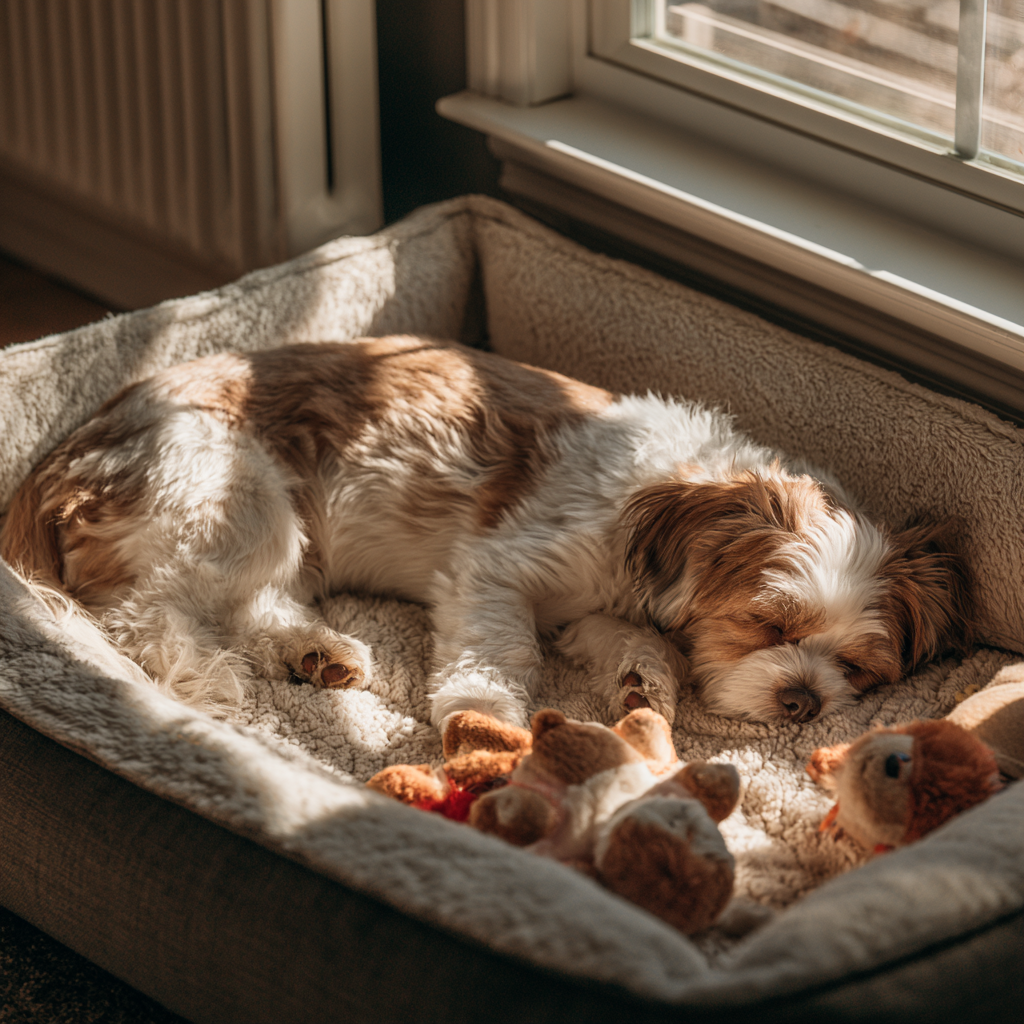
Why Does My Dog Sleep So Much? This question is a common concern among dog owners. With dogs often sleeping up to 14 hours a day, you might find yourself wondering if this is typical behavior or a sign of underlying issues. Understanding canine sleep patterns not only reveals fascinating insights into our pets’ natural instincts but also helps ensure their well-being. In this article, we’ll explore the intricacies of canine sleep, factors influencing their sleep habits, potential health issues, and when to seek veterinary advice.
Quick answer: Dogs typically sleep a lot due to their natural sleep cycles, which can vary between breeds and ages. Factors such as age, activity levels, and environmental conditions also influence their need for sleep. However, significant changes in sleep patterns can indicate health issues, so monitoring your dog’s behavior is essential.
Understanding Why Does My Dog Sleep So Much?
Normal Sleep Patterns in Dogs
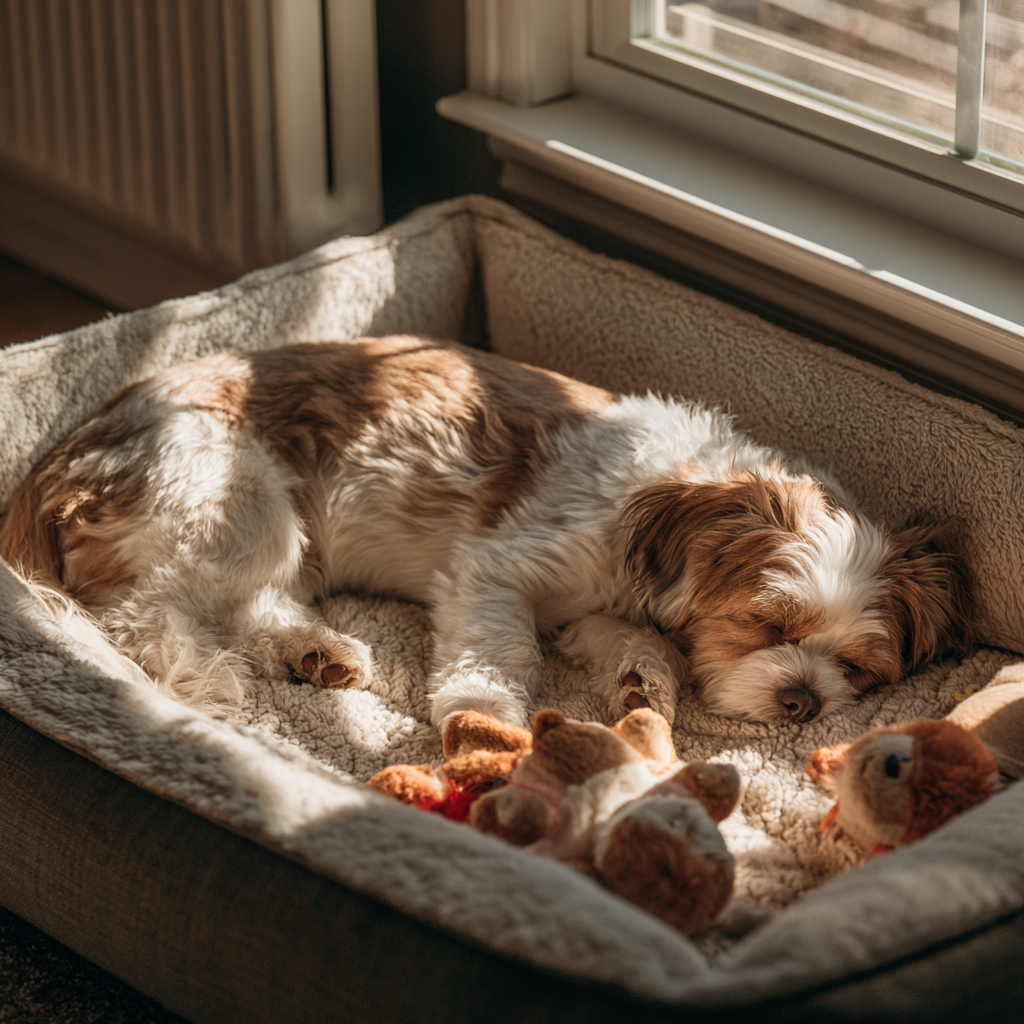
Dogs exhibit distinct sleep patterns that can be categorized into REM (rapid eye movement) and non-REM stages, much like humans. Generally, they alternate between these stages throughout their sleep. A typical dog spends about 50% of their sleeping time in non-REM sleep, which is characterized by slower brain waves, while the rest is spent in REM sleep, where dreaming occurs. During REM, you might observe your dog twitching or paddling their paws, indicators that they are engaged in dreaming.
Additionally, sleep needs can vary significantly across different dog breeds and temperaments. For instance, larger breeds such as Mastiffs may require more sleep compared to smaller, more active breeds like Terriers. Puppies and older dogs tend to sleep longer due to their growth needs and decreased energy levels, respectively. Understanding what is considered normal for your specific dog can help you differentiate between healthy sleep habits and potential issues.
Understanding Your Dog’s Sleep Cycle
Every dog has its unique sleep cycle, which can be influenced by various factors, including breed, age, and activity level. Generally, dogs go through several sleep cycles throughout the day, averaging about 20 minutes for each session. Some breeds, particularly working dogs, may have shorter sleep cycles as they are more alert and responsive to their surroundings.
Older dogs often sleep more deeply and for longer durations, as their metabolism naturally slows down. On the other hand, younger dogs may experience lighter sleep but will also require frequent naps due to their higher energy levels during wakeful periods. Observing the length of your dog’s sleep cycles and any changes over time can provide valuable insights into their overall health and well-being.
Factors Influencing Dog Sleep
Age and Activity Level
Age plays a significant role in determining how much sleep a dog requires. Puppies sleep extensively to support their rapid growth and development, often snoozing up to 18-20 hours a day. Adulthood brings a moderation in sleep needs, where an average adult dog sleeps about 12-14 hours. As dogs enter their senior years, they may revert to more extensive sleeping patterns akin to their puppyhood, influenced by decreased mobility and energy levels.
A dog’s activity level is another crucial factor when considering their sleep needs. Active breeds or highly energetic dogs may require more sleep to recover from daily antics, while dogs with calmer dispositions may not sleep as much as their energy expenditure is typically lower. Creating a balance between physical activity and rest is essential; regular exercise can contribute to more restful sleep, benefiting both their mental and physical health.
Environmental Impact on Sleep Habits
The environment in which a dog sleeps can significantly impact their sleep quality and duration. Dogs may be sensitive to environmental factors such as noise, temperature, and even air quality. A noisy household or disruptions, like children playing or other pets moving around, may prevent a dog from getting adequate rest. Ideally, providing a quiet, comfortable sleeping area away from distractions can encourage better sleep habits.
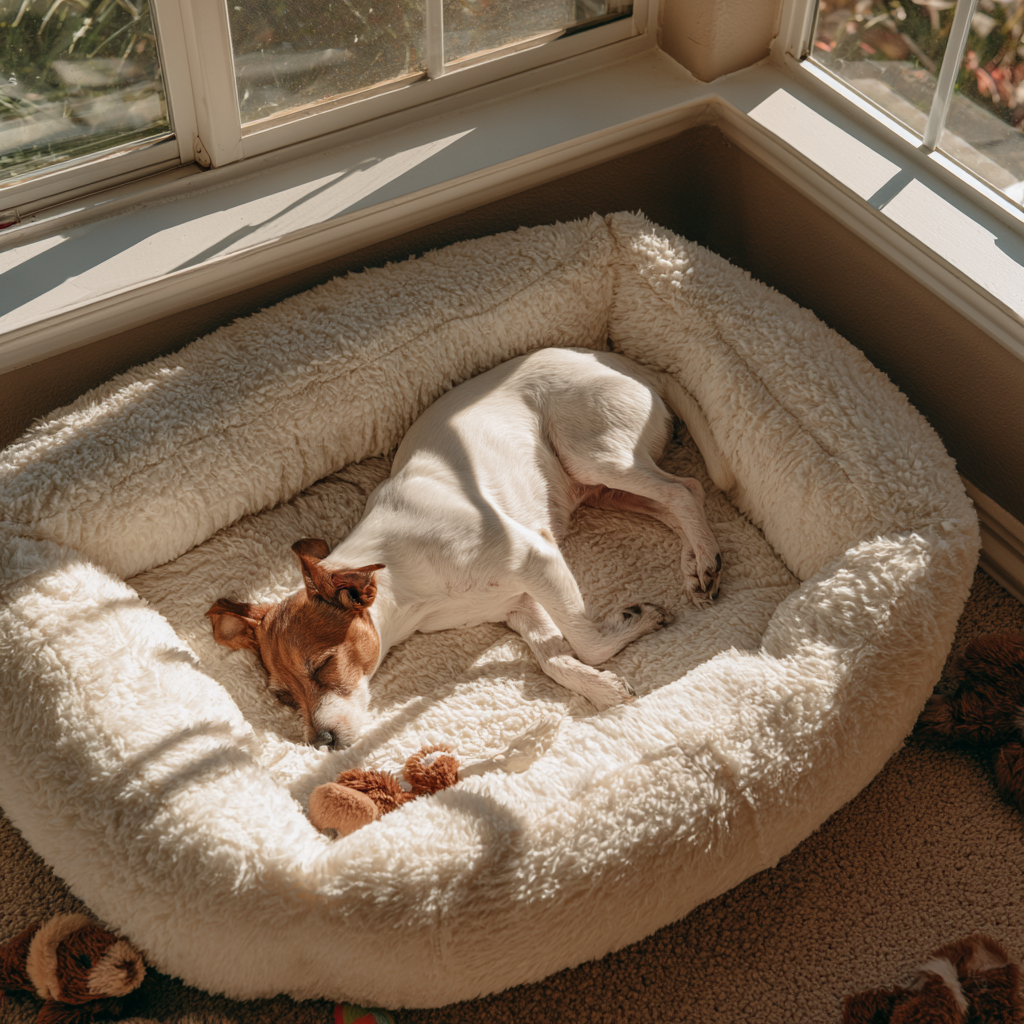
Temperature is another consideration; dogs generally prefer a cool environment. Excessive heat or cold can lead to uncomfortable sleeping conditions, causing them to seek cooler spots or change their sleeping locations. Ensuring your dog has a cozy and safe space to rest that aligns with their preferences can help promote better sleep.
Health Issues that Cause Excessive Sleeping
Common Health Conditions Affecting Sleep
While a dog’s tendency to sleep is often perfectly normal, excessive sleeping can also signal underlying health issues. Conditions like hypothyroidism, arthritis, and heart problems can result in lethargy. For instance, hypothyroidism can slow down metabolism, leading to increased fatigue, while arthritis pain may cause discomfort that disrupts normal activity levels. If you note a sudden increase in sleep duration or a marked decrease in energy, it may warrant further investigation.
Other health issues to consider include diabetes, infections, and neurological disorders, all of which can alter a dog’s sleep requirements. Regular veterinary check-ups can aid in early detection of such issues, ensuring your dog remains healthy and energetic.
Behavioral Changes Linked to Sleep
Changes in sleeping patterns can also stem from behavioral issues, particularly anxiety and stress. Situations such as moving to a new home, the introduction of other pets, or changes in family dynamics can lead to anxiety in dogs, which may manifest as increased sleep to escape their stressors. Recognizing the signs of anxiety, such as pacing, whining, or destructive behaviors, in conjunction with changes in sleep can help you address the problem effectively.
Another aspect to consider is the natural coping mechanism of napping as dogs may retreat into sleep as a way to manage environmental stressors or emotional turmoil. If your dog seems to be sleeping excessively in correlation with noticeable changes in behavior, identifying the stress triggers is vital to restoring healthy sleep patterns. Implementing positive reinforcement and creating a calming environment may help alleviate anxiety and promote more balanced sleep.
When to Consult a Veterinarian
Signs of Concern
While some variation in sleep is normal, certain signs may indicate that a visit to the veterinarian is necessary. If your dog suddenly increases its sleeping hours significantly or exhibits additional behavioral changes, it’s time to seek professional advice. Other concerning signs include:
- Loss of interest in food or playtime
- Excessive lethargy or poor responsiveness
- Changes in drinking habits or weight
- Visible discomfort or signs of pain
Being vigilant about these signs enhances the chances of identifying potential health issues early and ensuring that your dog receives the appropriate care.
Questions to Ask Your Vet
When consulting with your veterinarian, preparing a list of questions can be beneficial for both you and your pet. Some essential questions to consider include:
- What could be causing my dog to sleep excessively?
- Are there specific health conditions that could be contributing to these changes?
- Should I modify my dog’s diet or exercise routine to encourage more active behavior?
- What diagnostic tests might be necessary to determine the underlying issues?
- Are there effective treatments for any identified health conditions impacting my dog’s sleep?
Bringing detailed observations about your dog’s behavior can also provide valuable context for your vet’s evaluation, leading to more accurate diagnoses and tailored care plans.
Frequently Asked Questions
What is a normal sleeping schedule for dogs?
Dogs typically sleep between 12 to 14 hours a day, with puppies and older dogs needing even more sleep due to their growth and decreased energy levels. Adult dogs generally follow a more structured sleeping pattern alongside their activity schedule.
Should I be concerned if my dog sleeps all day?
Excessive daytime sleeping can be normal for some dogs, particularly breeds known for lower energy levels. However, if your dog unusually sleeps all day without breaks, it is advisable to consult a veterinarian to rule out health concerns.
What health issues could cause my dog to sleep more?
Health issues such as hypothyroidism, diabetes, arthritis, or Cushing’s disease can lead to excessive sleeping. These conditions can affect energy levels and overall comfort, prompting an increase in sleep.
How much sleep do puppies need compared to adult dogs?
Puppies often require significantly more sleep than adult dogs, typically needing around 18 to 20 hours of sleep a day. Adult dogs usually need about 12 to 14 hours of rest, depending on their activity levels.
Can stress affect my dog’s sleep habits?
Yes, stress and anxiety can impact a dog’s sleep habits, often leading to increased fatigue as they cope with uncomfortable situations. Observing behavioral changes alongside sleeping patterns may provide insights into their emotional state.