How to Help a Nervous Dog Feel Safe: Simple Steps to Comfort
How to Help a Nervous Dog Feel Safe is a crucial topic for every pet owner who wants to promote their furry friend’s emotional well-being. Dogs, much like humans, can experience feelings of anxiety and stress, often leading to behaviors that are concerning or destructive. By creating an environment that fosters safety and comfort, we can significantly reduce a nervous dog’s anxiety. This article provides practical steps to help your dog feel secure in their home, identify signs of anxiety, and implement effective strategies to assist in their overall emotional stability.
Quick answer: To help a nervous dog feel safe, create a designated ‘cuddle zone’ in your home and use familiar items to comfort them. Identify signs of anxiety, employ training techniques like desensitization and positive reinforcement, consider calming aids, and enhance their environment for a more predictable and engaging experience.
How to Help a Nervous Dog Feel Safe in Your Home
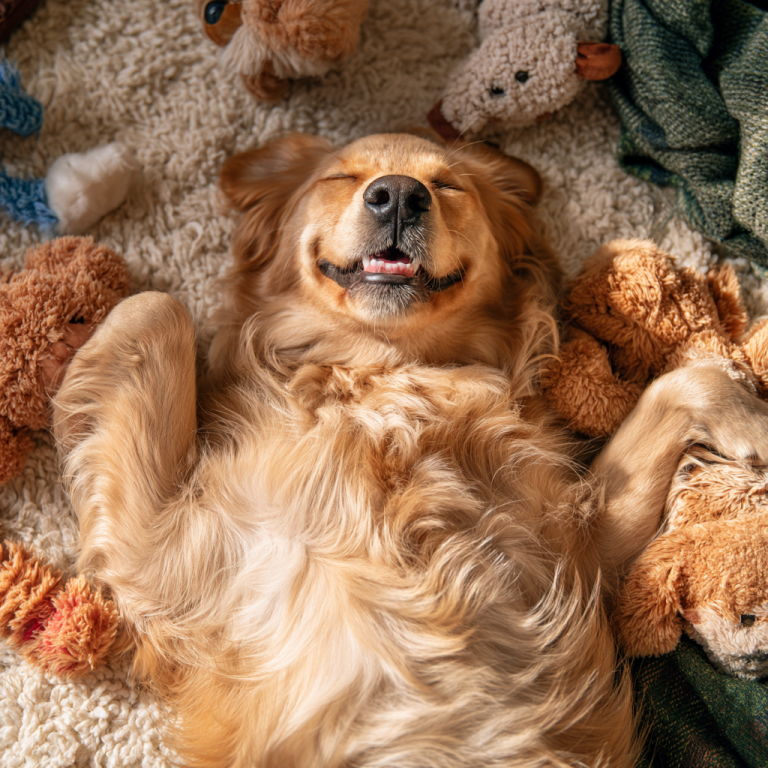
Creating a Safe, Cuddle Zone
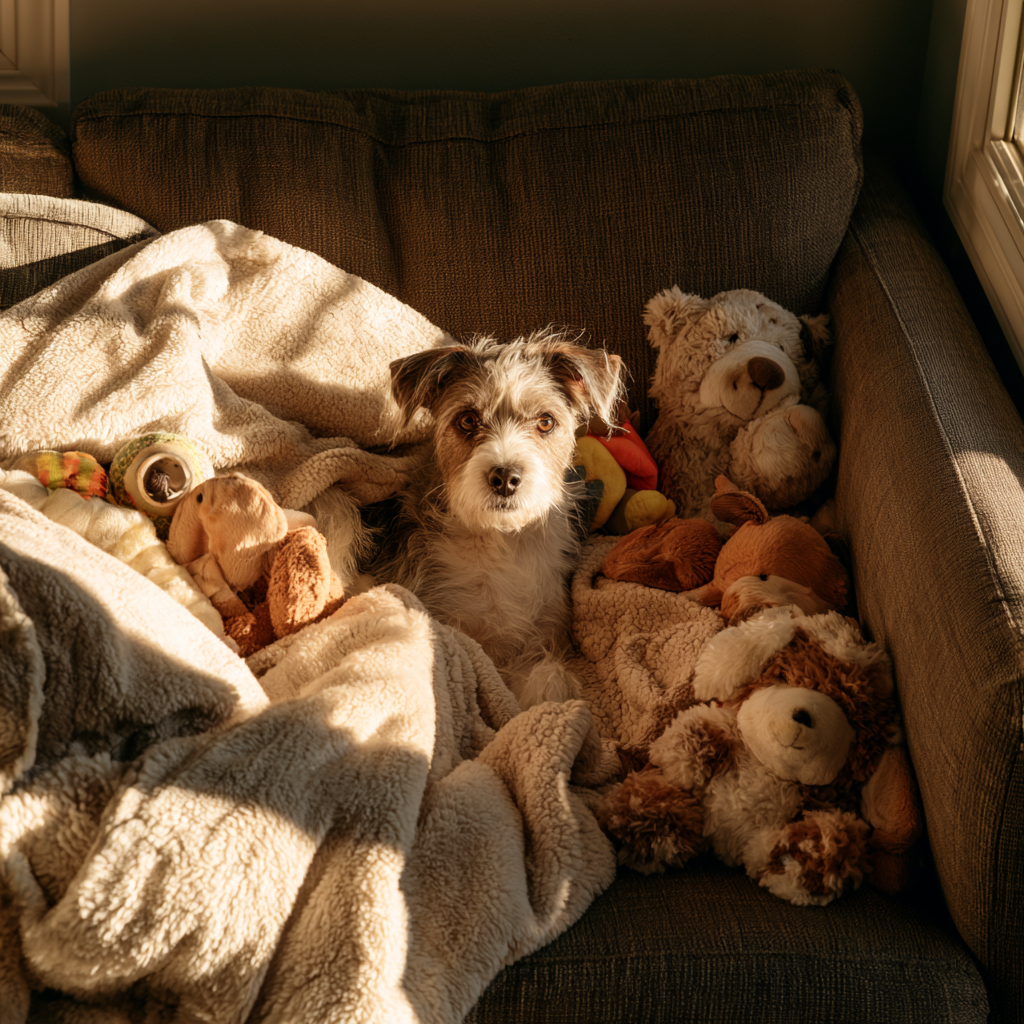
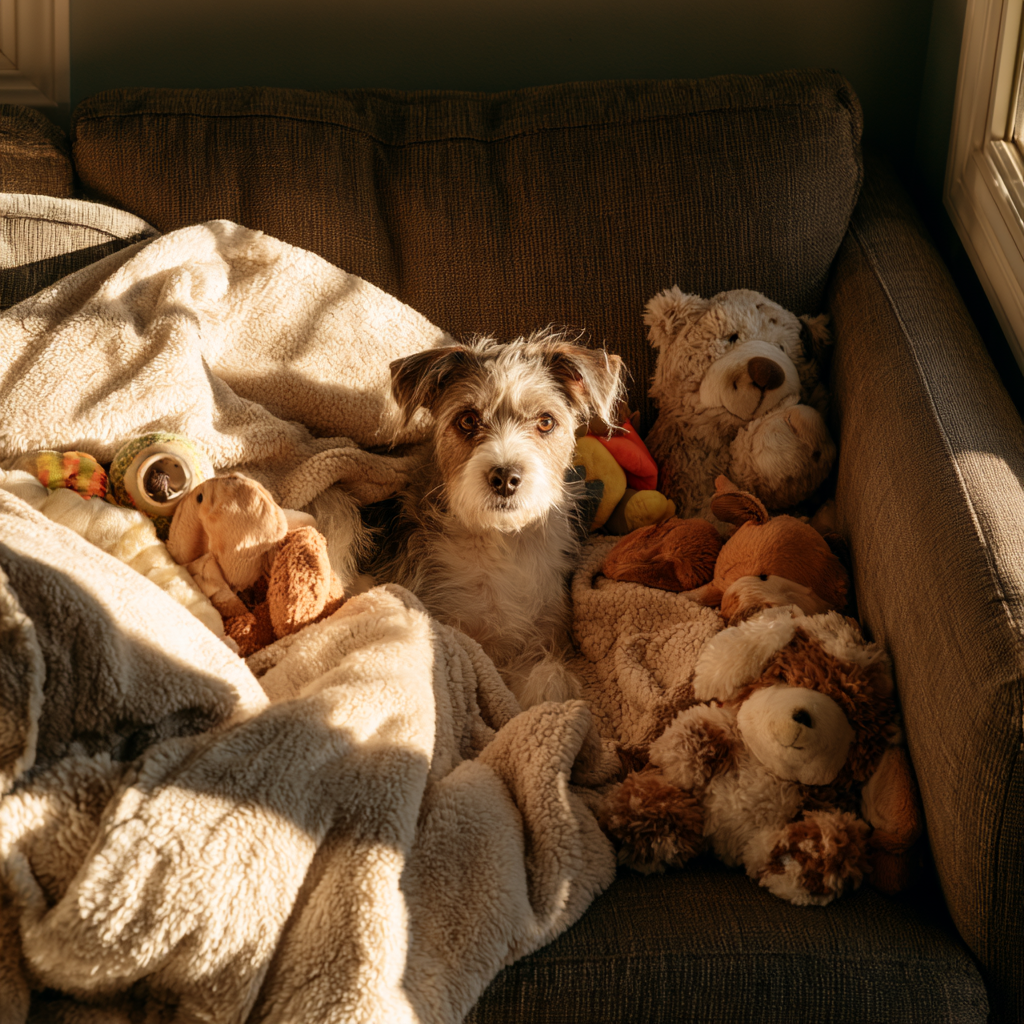
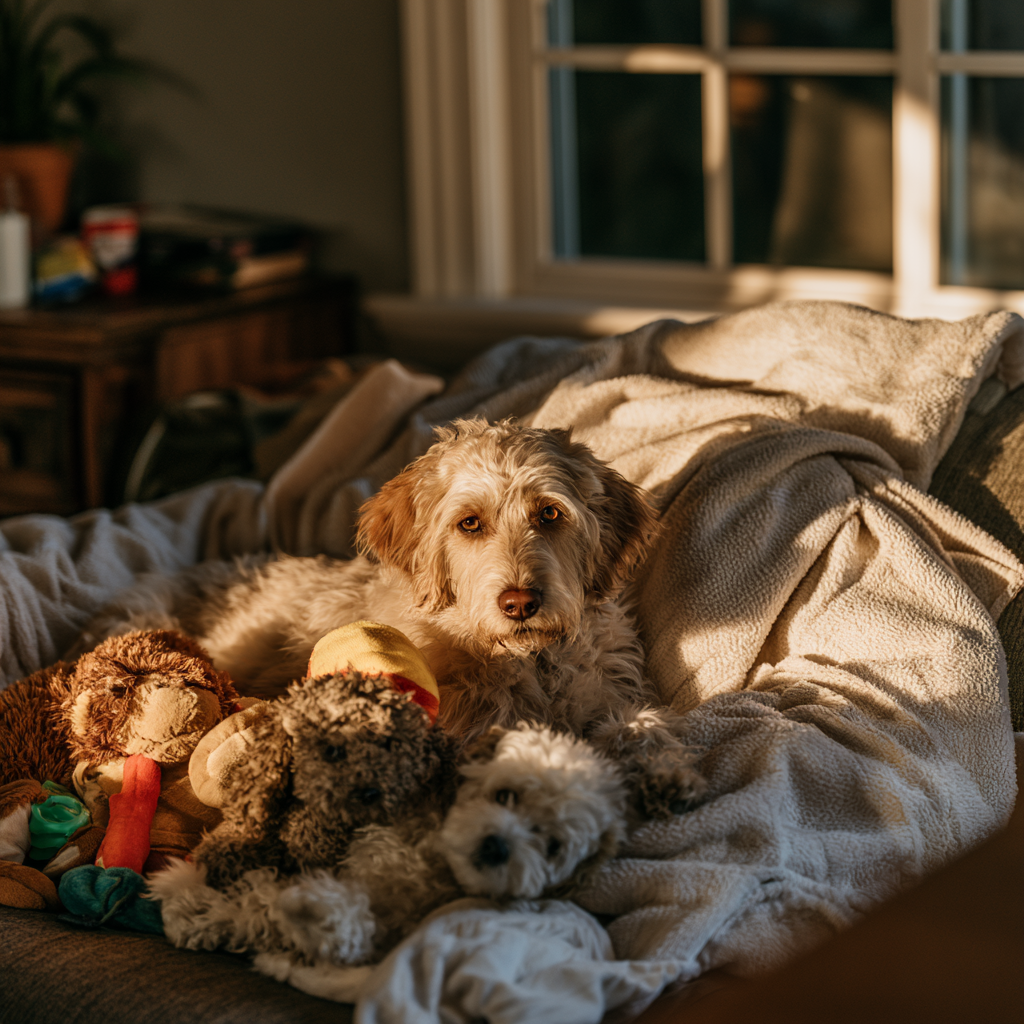
Establishing a safe space for your dog is vital for their comfort and security. A “cuddle zone” may include a quiet area where your dog feels protected from potential stressors. Here are some tips for creating this haven:
- Choose the Right Location: Select a quiet corner in your home away from heavy foot traffic and loud noises. This space should feel secluded yet still be part of the household so they don’t feel isolated.
- Use Comfy Bedding: Provide soft bedding or a cozy blanket to help your dog feel secure. Dogs often gravitate towards materials that are familiar and pleasant to their senses.
- Incorporate Fencing or Barriers: Using baby gates can help define the space and prevent unwanted interruptions, which can contribute to anxiety.
- Dim Lighting: Soft lighting or even a nightlight can provide a calming atmosphere, reducing fear associated with darkness.
By collecting these elements, your dog will begin to associate this area with safety, allowing them to retreat when feeling anxious.
Using Familiar Items for Comfort
Another effective approach to soothe a nervous dog is incorporating familiar items into their cuddle zone. Familiarity can be grounding for anxious dogs. Consider these strategies:
- Favorites: Place your dog’s favorite toys or blankets in the cuddle zone to provide comfort. The scents and textures can evoke a sense of home and security.
- Clothing: Consider using an article of your clothing, as it carries your scent, which can be reassuring for them.
- Pheromone Diffusers: These products mimic the natural calming pheromones that mother dogs produce to soothe their puppies. They can help create a sense of safety across the environment.
Familiar items can anchor a dog during moments of stress, making the cuddle zone an effective refuge where they can feel calm and secure.
Understanding Signals of Anxiety
Identifying Nervous Behavior
Recognizing the signs of anxiety in dogs is crucial for tailoring your approach. Behavioral cues can vary widely, so it’s essential to observe the entire context. Some common indicators include:
- Tail Position: A tucked tail can indicate fear; however, observe whether your dog is also displaying other signs such as cowering or seeking distance.
- Excessive Panting or Drooling: In the absence of physical exertion or heat, these can be signs of stress. Pay attention to the situation surrounding these behaviors.
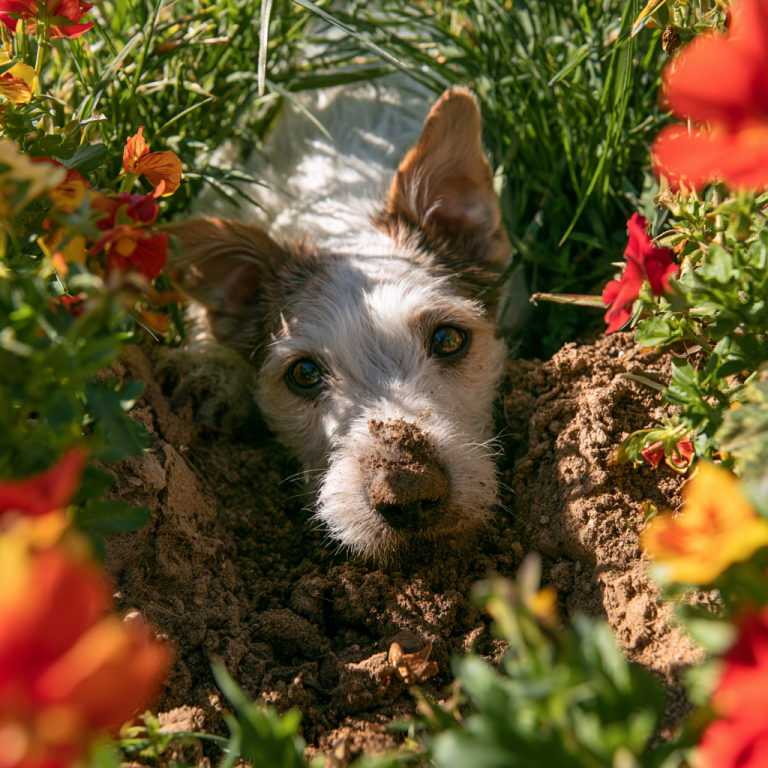
- Destructive Behavior: Chewing furniture, digging, or excessive barking may signal anxiety, especially if exhibited during times of solitude.
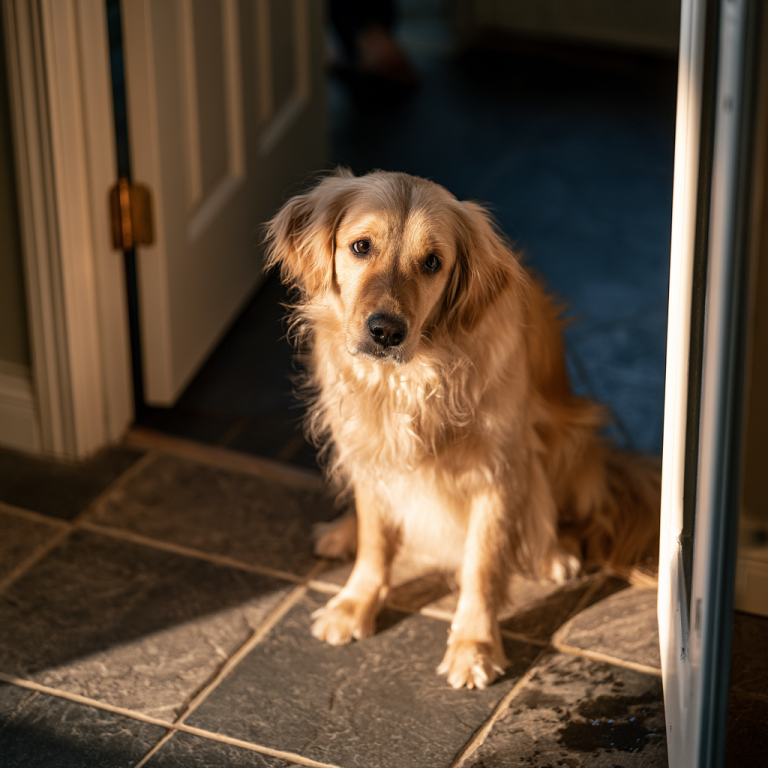
- Hiding or Retreating: If your dog seeks out corners or under furniture, it might be a direct response to feeling overwhelmed.
Understanding these signals allows you to respond more effectively, helping to create a calmer environment.
Common Triggers for Dog Anxiety
Each dog may respond differently to stimuli, and identifying those triggers is critical in managing their anxiety. Some common triggers include:
- Loud Noises: Thunderstorms, fireworks, and even vacuum cleaners can provoke fear in many dogs.
- Separation Anxiety: Dogs often struggle with being left alone, which can prompt various anxious responses.
- Changes in Routine or Environment: New family members, moving to a new home, or changes in schedules can all be potential stressors.
- Negative Past Experiences: Previous trauma or aversive experiences with people, animals, or environments can contribute to a dog’s anxiety profile.
By noting your dog’s specific triggers, you can prepare and implement strategies to mitigate their impact.
Training Techniques to Assist Development
Desensitization Training Methods
Desensitization is a gradual process by which a dog becomes accustomed to previously anxiety-inducing stimuli. Here’s a recommended approach:
- Identify the Trigger: Determine what specifically is causing your dog’s anxiety, whether it’s a sound, sight, or situation.
- Controlled Exposure: Gradually expose your dog to the trigger at a level they can handle without panic. For example, if loud noises cause anxiety, start by playing recordings of those sounds at a low volume.
- Monitor Reaction: Observe your dog’s body language for signs of stress or comfort, and adjust exposure levels accordingly.
- Increase Intensity: Slowly increase the volume or proximity of the trigger as your dog becomes more comfortable. Pair this with positive reinforcement when they remain calm.
Over time, the protracted exposure can help diminish the anxiety associated with specific triggers.
Positive Reinforcement for Courage
Implementing a positive reinforcement strategy empowers your dog to gain confidence in the face of anxiety. This method focuses on rewarding brave behavior, fostering a sense of safety. To apply this approach:
- Immediate Rewards: When your dog faces a trigger without showing anxiety, offer them treats, praise, or playtime immediately to reinforce this brave behavior.
- Gradual Challenges: Over time, introduce slightly more challenging scenarios or exposures while maintaining the rewards to encourage their courage.
- Consistency Is Key: Practice regularly and remain consistent with rewards, ensuring your dog learns to associate triggers with positive outcomes.
This method not only helps diminish anxiety but also enhances the bond between you and your dog.
The Role of Calming Aids in Providing Safety
Evaluating Calming Products
Calming aids can be beneficial in providing immediate relief for anxious dogs. However, not all products are equally effective or suitable for every dog. Consider the following steps to evaluate calming products:
- Research Ingredients: Investigate the product’s components to ensure they are safe and suitable for your dog’s age, size, and health status.
- Consult Your Veterinarian: Discuss your options with a vet to determine what may work best for your specific dog based on their anxiety type.
- Start Slow: Introduce new products gradually to monitor effectiveness and any potential side effects.
- Observe Behavior Changes: Track any improvements in your dog’s behavior or anxiety levels to gauge the product’s effectiveness.
This careful evaluation can help ensure the best possible outcome for your dog’s anxiety management.
Natural vs. Synthetic Remedies
When considering calming aids, both natural and synthetic remedies have their pros and cons. Here’s a quick comparison:
| Type | Pros | Cons |
|---|---|---|
| Natural Remedies | Generally well-tolerated, lower risk of side effects, can include ingredients like herbs and amino acids. | Less clinical evidence of effectiveness, results can be variable, slower onset. |
| Synthetic Remedies | More clinically proven, faster acting, often prescribed for severe anxiety. | Possible side effects, may require a prescription, could be more expensive. |
Ultimately, the choice between natural and synthetic remedies should be informed by your dog’s specific needs and conditions.
Enhancing Your Dog’s Environment
Interactive Toys for Reducing Anxiety
Interactive toys can play a vital role in diverting your dog’s attention away from anxiety triggers and stimulating their minds. Consider the following types:
- Puzzle Toys: These compel dogs to solve problems to access treats, keeping them engaged and mentally stimulated.
- Chew Toys: Chewing can serve as a stress-reliever, so invest in durable chew toys that can withstand prolonged use.
- Activity Trackers: Some toys come with technology that tracks your dog’s activity level, keeping them on their toes while providing mental engagement.
These activities help redirect anxious energy constructively, giving your dog a chance to express themselves in a healthy way.
Establishing a Routine for Predictability
Routine is an integral part of reducing anxiety in dogs. Predictability can help create a sense of control and security. Here’s how to implement this:
- Consistent Feeding Schedule: Feed your dog at the same time daily, as this helps them know what to expect.
- Regular Exercise: Incorporate daily walks and playtime at specific intervals to provide a healthy outlet for energy.
- Structured Training Sessions: Regular training sessions help reinforce trust and communication between you and your dog.
- Calming Routine: Consider a pre-quiet time routine, such as a scheduled cuddle or quiet play session, to signal it’s time to relax.
Implementing a structured routine enhances your dog’s sense of safety, which can lead to a calmer demeanor over time.
Frequently Asked Questions
What are signs that my dog is nervous?
Signs of a nervous dog can include excessive panting, drooling, whining, avoiding eye contact, and body language like a tucked tail or flattened ears. Identifying these behaviors is essential for effectively addressing your dog’s anxiety.
How can I help my dog with anxiety during thunderstorms?
To help your dog during thunderstorms, create a safe space where they can retreat, such as a cozy cuddle zone. You can also use calming aids like pheromone diffusers or weighted blankets while providing positive reinforcement for calm behavior.
What calming products work for nervous dogs?
Calming products that may help include pheromone collars, weighted blankets, calming music, and anxiety wraps. It’s important to evaluate each option to find what works best for your individual dog’s needs.
How long does it take to help a nervous dog feel safe?
The time it takes to help a nervous dog feel safe can vary significantly based on the individual dog and their experiences. It can take weeks to months of consistent effort with training, adjustments in the environment, and the use of calming products.
What should I avoid doing with a scared dog?
Avoid punishing or scolding a scared dog for their anxiety-based behaviors, as this can exacerbate fear. Additionally, don’t force interactions with triggers that induce anxiety; instead, allow the dog to approach them on their own terms.