How to Keep Your Dog From Chewing Furniture: Proven Tips
When you bring a dog into your home, the last thing you want to deal with is the chewed-up remnants of your furniture. Understanding how to keep your dog from chewing furniture can save you money and frustration, while also preserving your pup’s relationship with their environment. Dogs often chew for various reasons, and recognizing these can help you manage the behavior effectively.
Quick answer: To keep your dog from chewing furniture, it is important to understand the root causes of this behavior, provide appropriate outlets for chewing, and implement training techniques to discourage this habit. Creating a dog-friendly environment and monitoring their activities also play crucial roles in preventing destructive chewing.
Understanding Why Dogs Chew Furniture
Common reasons for furniture chewing
Dogs chew furniture for a variety of reasons, including instinctual behaviors and reactions to their environment. Understanding these reasons is the first step in addressing the issue:
- Teething: Puppies often chew on items to relieve discomfort from teething. This behavior can carry over into adulthood if not managed.
- Exploration: Dogs are naturally curious. They may chew furniture as a way to explore their surroundings, especially if they are left alone and feel bored.
- Attention-Seeking: Some dogs may chew to get their owner’s attention, even if that attention is negative. If chewing leads to a reaction, it reinforces the behavior.
- Separation Anxiety: Dogs that are anxious or stressed when left alone may resort to chewing as a coping mechanism, leading to furniture destruction.
Identifying stress-related chewing
Chewing can be an indicator of emotional distress, particularly if it arises in specific situations. Observing your dog’s behavior when they chew can provide insights into whether the chewing is stress-related:
- Monitor the context in which chewing occurs. Try to identify triggers such as loud noises, the arrival of strangers, or changes in routine.
- Note any other stress-related behaviors, such as pacing, whining, or excessive barking, that may accompany chewing.
- Evaluate changes in your dog’s environment, such as moving homes or introducing new pets. These adjustments can contribute to anxiety and resultant chewing behavior.
Physical needs and boredom
Chewing is not only a behavioral issue; it also often stems from unmet physical needs. Dogs require exercise and mental stimulation to maintain their overall well-being. When these needs are not met, they may resort to destructive behaviors:
- Exercise: Insufficient physical activity can lead to pent-up energy, prompting dogs to find alternative outlets for that energy, such as chewing.
- Mental stimulation: Without engaging activities, dogs may become bored and seek entertainment in your furniture. Activities like puzzle toys or training sessions can help direct their energy positively.
How to Keep Your Dog From Chewing Furniture
Training techniques to discourage chewing
Training is an essential component of modifying your dog’s behavior. Here are some techniques to discourage chewing:
- Positive Reinforcement: Reward your dog with treats or praise when they choose appropriate items to chew, reinforcing good behavior.
- Redirecting Attention: When you catch your dog chewing furniture, gently redirect them to a more suitable option, such as a chew toy. Be consistent with this process.
- Command Training: Teach commands like “leave it” or “no.” Consistent training helps establish clear boundaries regarding acceptable chewing behavior.
Alternative chewing options for dogs
Providing appropriate items for your dog to chew on can reduce the temptation to chew furniture. Consider the following alternatives:
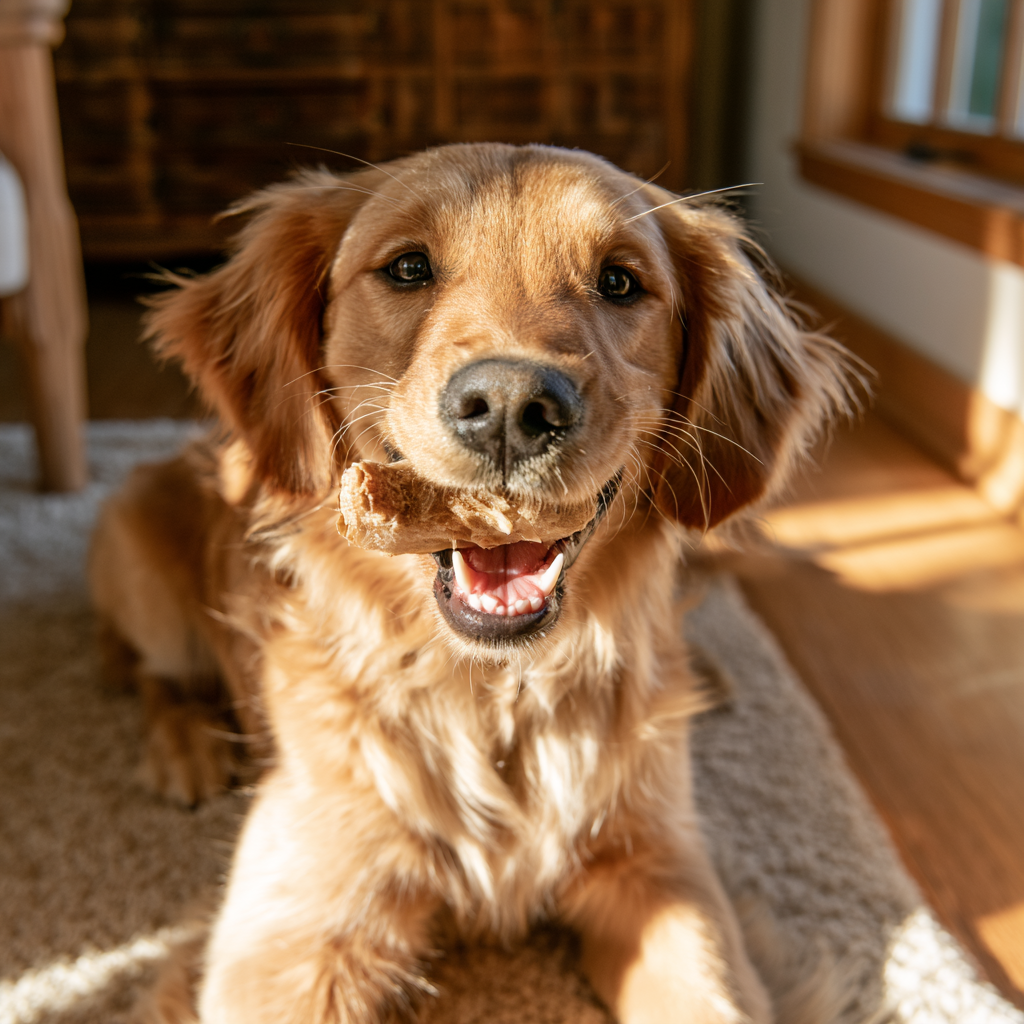
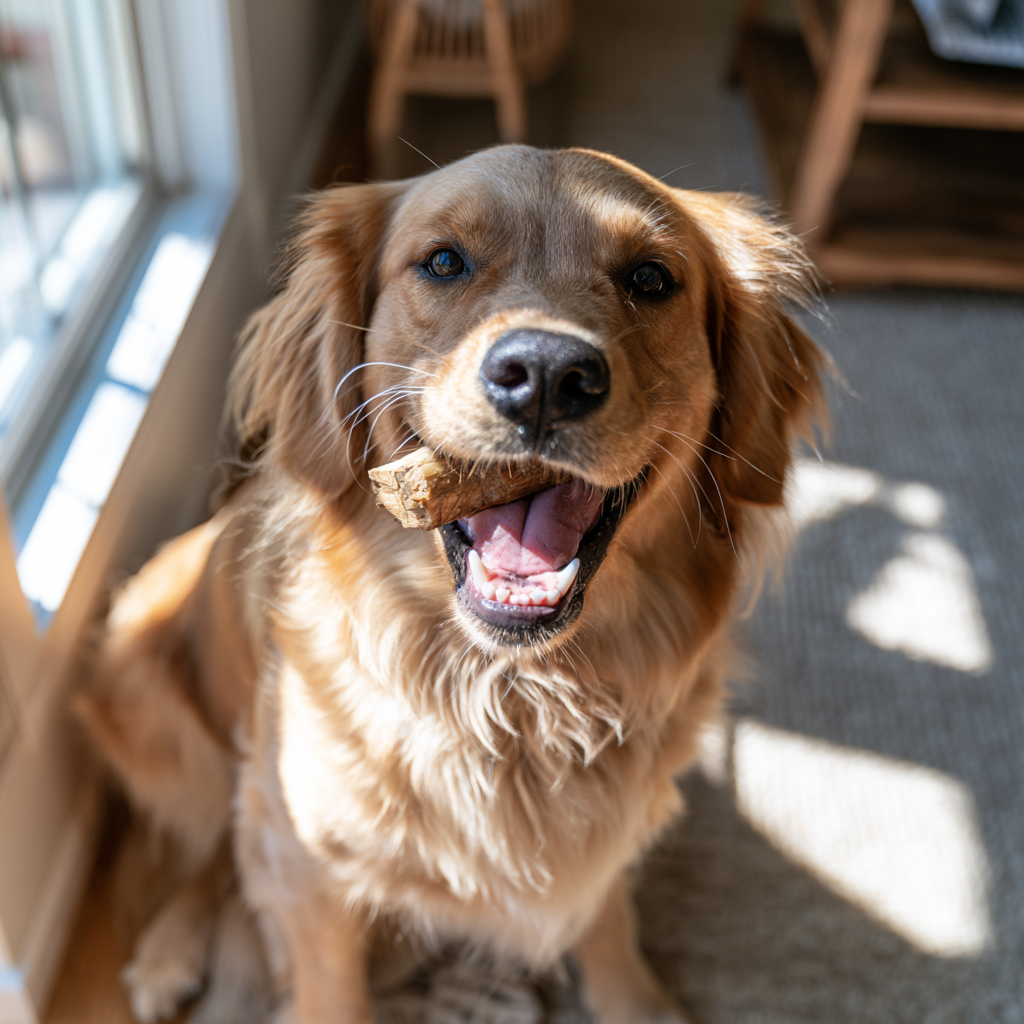
- Chew Toys: Select durable chew toys that can withstand your dog’s chewing habits. Options include rubber toys, rope toys, and dental chews.
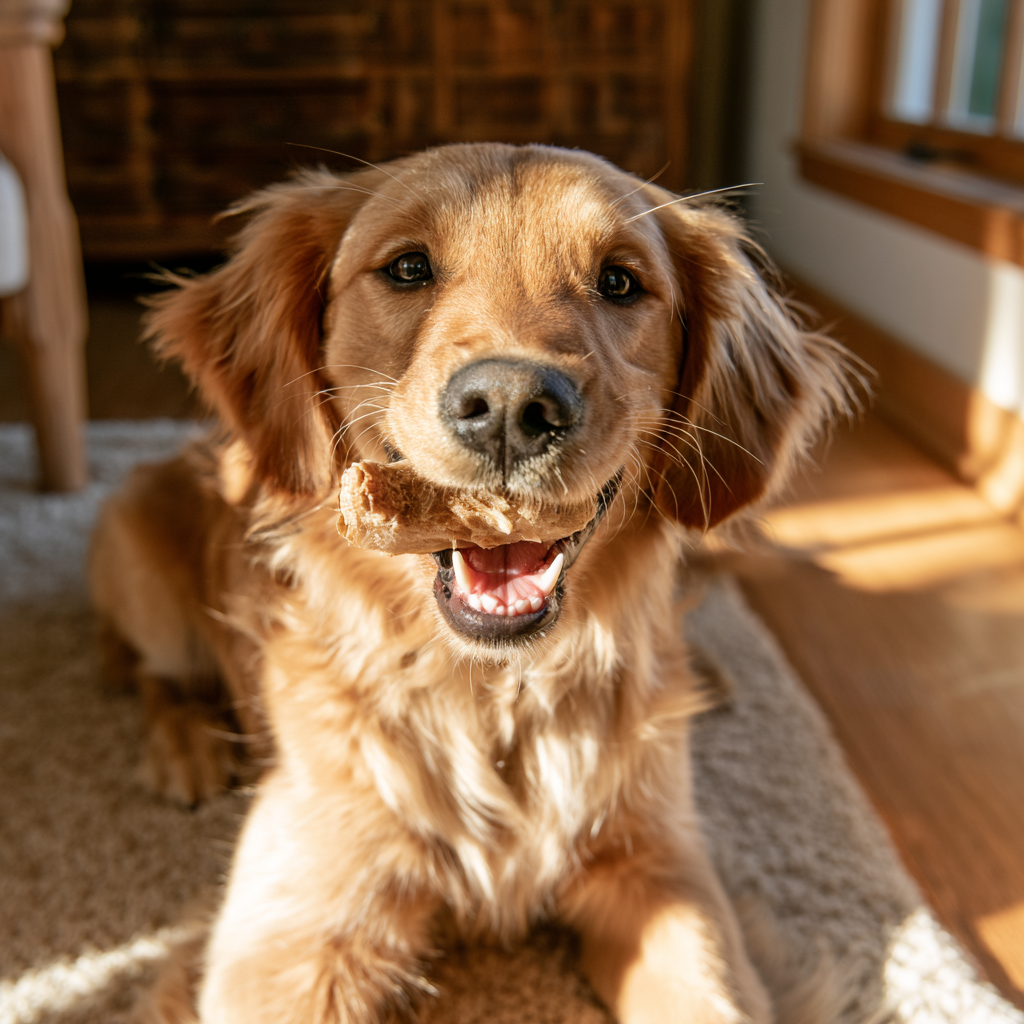
- Edible Chews: Offer safe, digestible chews like bully sticks or rawhide alternatives that will satisfy your dog’s natural chewing instincts.
- Frozen Treats: Providing frozen chewable items can be especially satisfying for teething puppies and can help keep your dog occupied.
Creating a dog-friendly environment
Creating a space where your dog can feel secure and entertained is essential in preventing chewing on furniture. Here are ways to do this:
- Safe Zones: Create a designated area for your dog that includes their bed, toys, and access to safe chewables.
- Puppy-Proofing: Remove items you do not want your dog to chew or at least try to limit their access to those areas, especially when they are unsupervised.
- Daily Routine: Establish a consistent routine for walks, playtime, and feeding to provide predictability, which can reduce anxiety.
Further Strategies for Redirection
Monitoring and correcting behavior
Consistent observation and correction are vital in managing your dog’s chewing habits effectively. Here are some strategies to consider:
- Close Monitoring: Keep an eye on your dog during the times they typically chew furniture. This can help identify patterns and allow for immediate redirection.
- Consistent Correction: When your dog chews furniture, immediately intervene with a firm “no” followed by a gentle redirection to an appropriate item.
- Stay Calm: Avoid punitive measures, which can increase anxiety. Use a calm and assertive approach to maintain trust.
Using taste deterrents effectively
Taste deterrents can be effective tools in preventing furniture chewing, as many dogs dislike the flavors. Follow these guidelines for usage:
- Selection: Consider products such as Bitter Apple or Pawtectomy, both designed for this purpose. Look for recommendations from your veterinarian or pet store.
- Application: Apply a light coat to the surfaces that your dog tends to chew. Reapply regularly, especially after cleaning, to maintain the deterrent’s effectiveness.
- Monitor Reactions: Observe your dog’s behavior in response to the deterrent. Avoid solely relying on these products; they work best in combination with training.
What to Do After Chewing Occurs
Evaluating damage and your response
When chewing does occur, it’s essential to evaluate the damage and formulate an appropriate response:
- Assessment: Examine the affected area and determine whether the chewing has damaged property or posed a safety hazard for your dog.
- Do Not Physically Punish: Avoid physical punishment for chewing incidents. This can exacerbate anxiety and worsen the chewing behavior.
- Redirect Effectively: After assessing damage, work on reinforcing appropriate chewing behavior by redirecting your dog to alternate options immediately.
Preventing future incidents
Once chewing has occurred, it is important to implement steps to avoid recurrence. Consider these actions:
- Strengthening Training: Return to training techniques and reinforce positive behaviors. Regular training sessions can maintain good habits.
- Provide Frequent Exercise: Ensure your dog receives adequate physical activity and mental stimulation daily to minimize boredom.
- Identify Triggers: Keep a journal to track your dog’s chewing incidents. Identifying patterns or triggers can help you intervene before chewing occurs in the future.
Consistent application of these strategies can help keep your dog from chewing furniture, fostering a harmonious cohabitation between your dog and your living space. A combination of training, appropriate redirection options, and environmental management will provide your dog with appropriate outlets for their chewing instincts.
Frequently Asked Questions
Why do dogs chew furniture?
Dogs chew furniture for various reasons, including exploration, teething, attention-seeking behavior, and stress. Understanding the context and underlying reasons behind your dog’s chewing is essential for addressing the issue.
What can I give my dog to chew instead?
Providing durable chew toys, edible chews, or interactive toys can offer suitable alternatives to furniture and help meet your dog’s natural chewing instincts.
How can I train my dog not to chew?
Training techniques such as redirecting attention, using positive reinforcement, and providing clear commands are effective in discouraging unwanted chewing behavior in dogs.
Are certain dog breeds more prone to chewing?
While some breeds may exhibit higher energy levels and tendencies toward chewing, individual temperament and history play a more significant role in a dog’s behavior than breed alone.
What to do after my dog chews furniture?
Assess the damage and reflect on the circumstances surrounding the chewing incident. This understanding can guide your response and help you implement effective prevention strategies.
How to prevent my puppy from chewing furniture?
Providing appropriate chew toys, ensuring regular exercise, and creating a dog-friendly environment can help prevent puppies from developing a habit of chewing furniture.
Can I use taste deterrents for dogs?
Yes, taste deterrents can be useful in discouraging chewing on furniture. Ensure that you select pet-safe products and apply them consistently for maximum effectiveness.
How long will it take to stop my dog from chewing?
The time required to stop your dog from chewing furniture varies based on factors such as individual behavior, training consistency, and the underlying causes of the behavior. Patience and persistence are key.