How Much Sleep Does a Dog Need? Understanding Your Dog’s Sleep Needs
How Much Sleep Does a Dog Need? It’s a question many dog owners ponder, as we want to ensure our furry friends receive the rest they require for optimal health and well-being. Dogs, much like humans, experience different sleep stages, and their sleep needs can vary based on several factors, including age, health, and environment. Understanding these nuances can help you create a more supportive sleeping environment for your pet.
Quick answer: On average, dogs need about 12 to 14 hours of sleep per day, although this can vary based on factors such as age, breed, and individual health. Puppies and senior dogs often require more rest, while active breeds might need slightly less sleep.
How Much Sleep Does a Dog Need?
The amount of sleep a dog needs can depend on various factors like their age, breed, and overall health. Most adult dogs sleep approximately 12 to 14 hours a day, while puppies and older dogs often require even more. It’s essential to recognize the signs that indicate your dog is getting sufficient rest and how different breeds may display their sleep patterns.
Understanding different sleep stages in dogs
Understanding your dog’s sleep stages can significantly enhance your knowledge of their overall wellbeing. Dogs, like humans, experience rapid eye movement (REM) and non-REM sleep stages. During REM sleep, you may notice your dog twitching, moving their paws, or making barking sounds—indications that they are dreaming. This stage typically occurs about 20% of their sleep time and is vital for processing experiences and emotions.
In the non-REM stage, dogs enter deeper sleep, which is essential for physical recovery and health. To recognize the different sleep stages:
- Light sleep: Watch for relaxed body positions. Your dog might lie down in a curled position or with legs extended, ears flopping, and breathing steadily.
- Deep sleep: Look for signs such as slow, heavy breathing. The body’s muscles will be relaxed, and you may notice slight twitching or shivers as they dream.
- Awakening: Your dog may sometimes wake suddenly, appearing startled or confused. Give them a moment to adjust; this is often linked to transitioning between sleep phases.
It’s important to consider that different breeds may exhibit unique sleeping behaviors. For example, more active breeds often have shorter, fragmented sleep patterns as they are more likely to wake easily. Meanwhile, calm or older breeds might have longer stretches of uninterrupted sleep.
Age-related variations in sleep needs
Aging plays a critical role in how much sleep your dog requires. Puppies, for instance, are known for their boundless energy but paradoxically need up to 18-20 hours of sleep daily to support their rapid growth and development. As they grow into adulthood, their sleep needs typically stabilize to about 12-14 hours.
Senior dogs, on the other hand, may require more sleep as they start to experience age-related changes. Issues such as arthritis or cognitive dysfunction syndrome can leave them feeling fatigued and in need of extra rest. You may also observe shifts in sleeping patterns, such as waking more frequently or struggling to settle down at night.
Understanding these age-related variations enables you to adjust your dog’s routine and environment to ensure they are comfortable, well-rested, and happy throughout their life stages.
Factors Influencing Dog Sleep
Several factors can influence the quality and quantity of sleep your dog experiences. By identifying and modifying these elements, you can promote a better sleeping environment for your pet, aiding their overall health and wellbeing.
Health issues impacting sleep
Health concerns can significantly impact a dog’s sleep patterns. Common issues such as arthritis, respiratory problems, and even anxiety can lead to restlessness and disrupted sleep. For example:
- Arthritis: Pain and discomfort can prevent dogs from finding a comfortable sleeping position.
- Respiratory issues: Conditions like bronchitis or pneumonia can lead to coughing or difficulty breathing, which can interrupt sleep.
- Anxiety: Fear or stress can make it challenging for dogs to relax, leading to increased vigilance and inability to fall into a deep sleep.
If you notice persistent changes in your dog’s sleep habits—or if they seem to be in pain—it’s wise to consult a veterinarian to address potential underlying health issues that may require treatment.
External factors affecting sleep quality
The sleeping environment plays a crucial role in the quality of your dog’s sleep. Some key external factors to consider include:
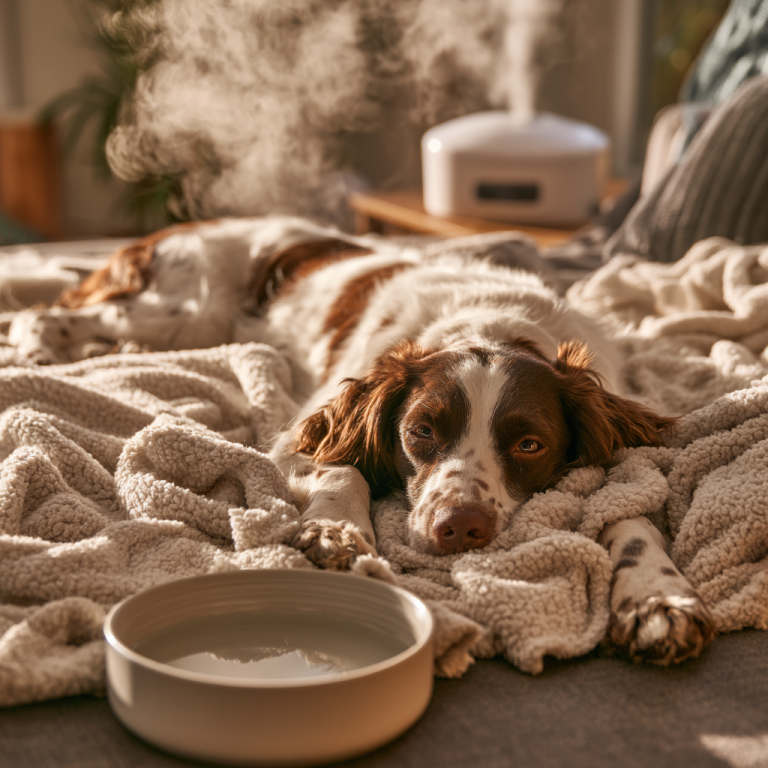
- Temperature: Dogs tend to sleep better in a regulated environment. Ensure the sleeping area is comfortable—not too hot or too cold.
- Noise: Loud environments can be disruptive. Try to minimize potential disruptions from things like traffic, loud music, or household activities by creating a quieter space.
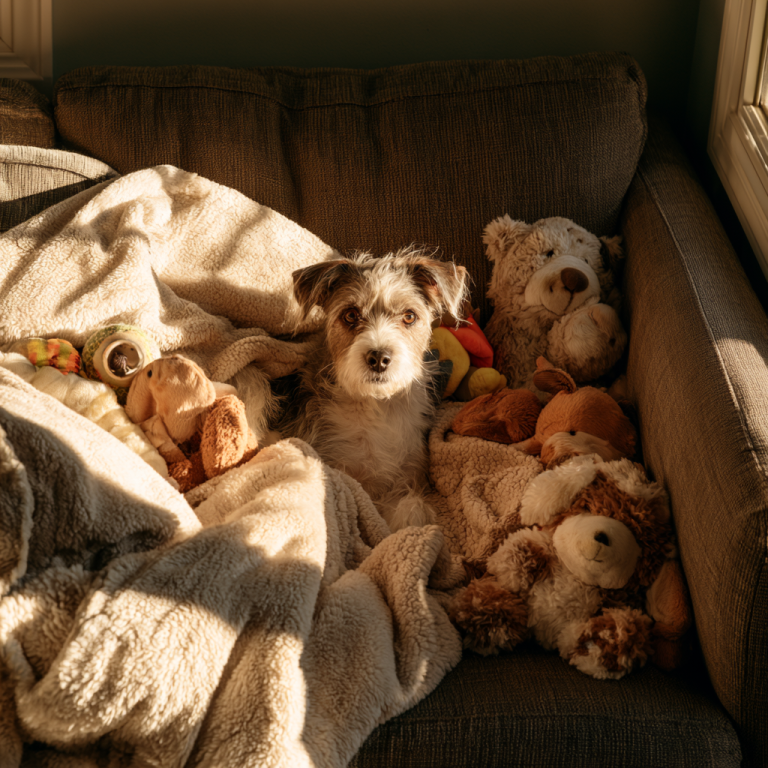
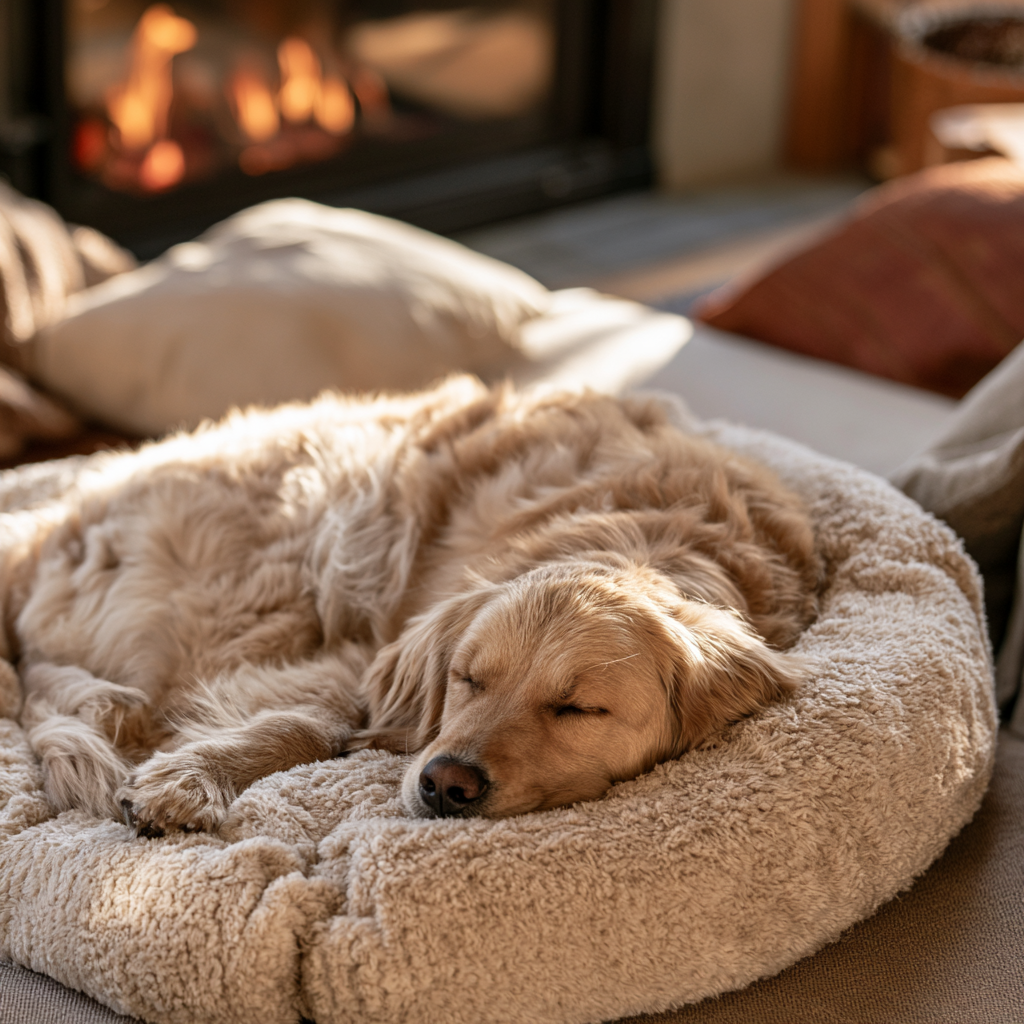
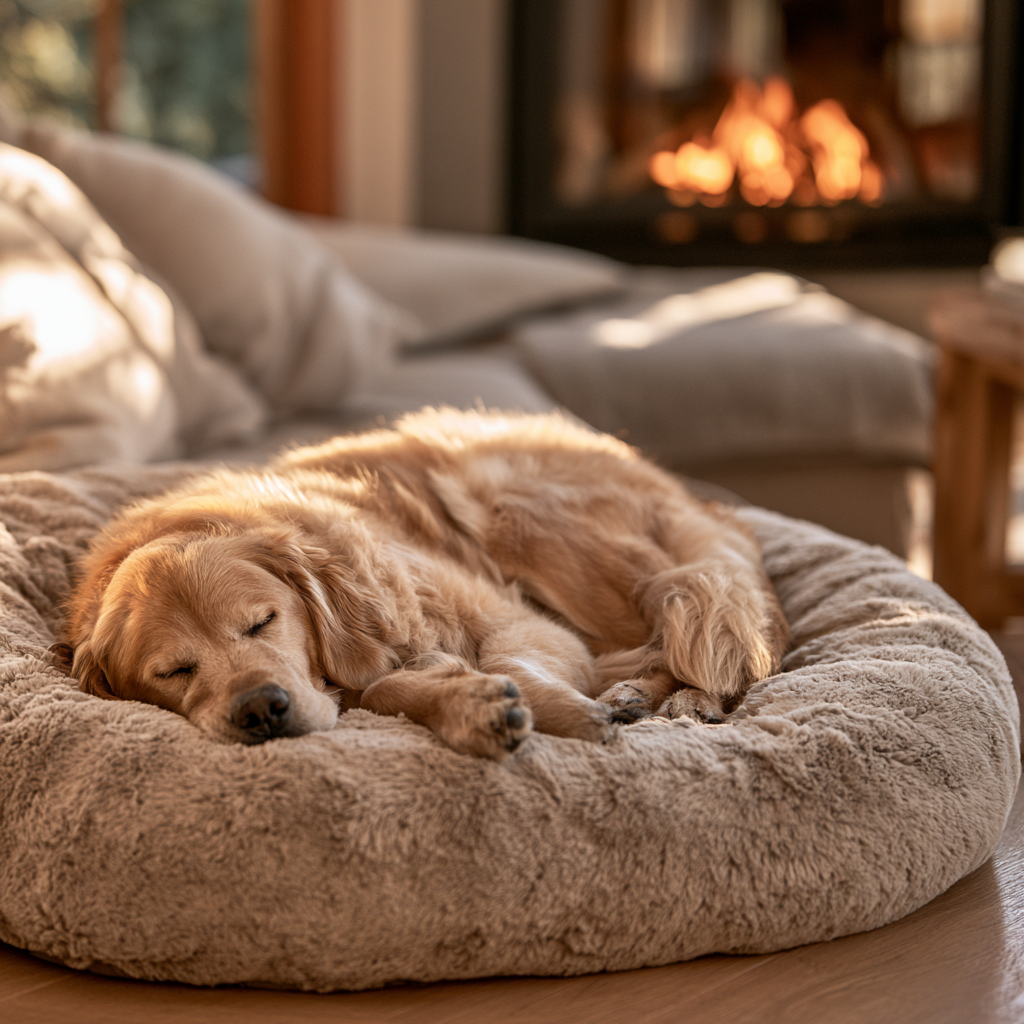
- Comfortable sleeping arrangements: Providing a soft, clean bed in a designated quiet area can enhance your dog’s sleep experience. Some dogs prefer elevated beds, while others might appreciate a nest-like structure.
Incorporating these factors can create a lower-stimulation sleeping zone for your dog, encouraging better sleep and overall health.
Signs of sleep deprivation in dogs
Recognizing the signs of sleep deprivation is vital for your dog’s health. Common indications include:
- Increased irritability: A tired dog may become grumpy or snappy.
- Pacing or anxious behavior: Dogs who can’t settle may exhibit anxious behaviors, such as pacing or frequent changes in position.
- Excessive barking: If your dog barks more than usual, it could be due to frustration from lack of sleep.
- Difficulty focusing: A tired dog may display issues with concentration or responsiveness to commands.
If your dog displays these signs, it’s essential to assess their sleep environment and consult a veterinarian if problems persist. In some cases, behavioral training or medical intervention may be necessary to promote healthy sleep patterns.
By understanding how much sleep your dog truly needs, the different sleep stages, and various health and environmental factors, you can better support your furry friend’s rest and wellbeing. Making small adjustments can lead to significant improvements in their quality of life.
Frequently Asked Questions
What are the different sleep stages in dogs?
Dogs experience two primary sleep stages, NREM and REM sleep. NREM includes light and deep sleep, while REM sleep is crucial for processing memories and emotions.
How can you tell if your dog is getting enough sleep?
A well-rested dog typically shows positive behaviors, such as being calm, alert, and engaged during their waking hours. If they seem irritable, restless, or uninterested in activities, it may indicate insufficient sleep.
What affects a dog’s sleep patterns?
Factors such as age, health issues, environment, and noise levels can all impact a dog’s sleep patterns. Monitoring these elements can help ensure your dog gets quality rest.
Do puppies need more sleep than adult dogs?
Yes, puppies commonly need more sleep than adult dogs, often requiring 18 to 20 hours per day to support their rapid growth and development.
How much sleep does a senior dog need?
Senior dogs usually require around 14 to 16 hours of sleep daily, as they often experience age-related changes affecting their energy levels and overall health.