Why Is My Cat Sleeping More Than Usual?
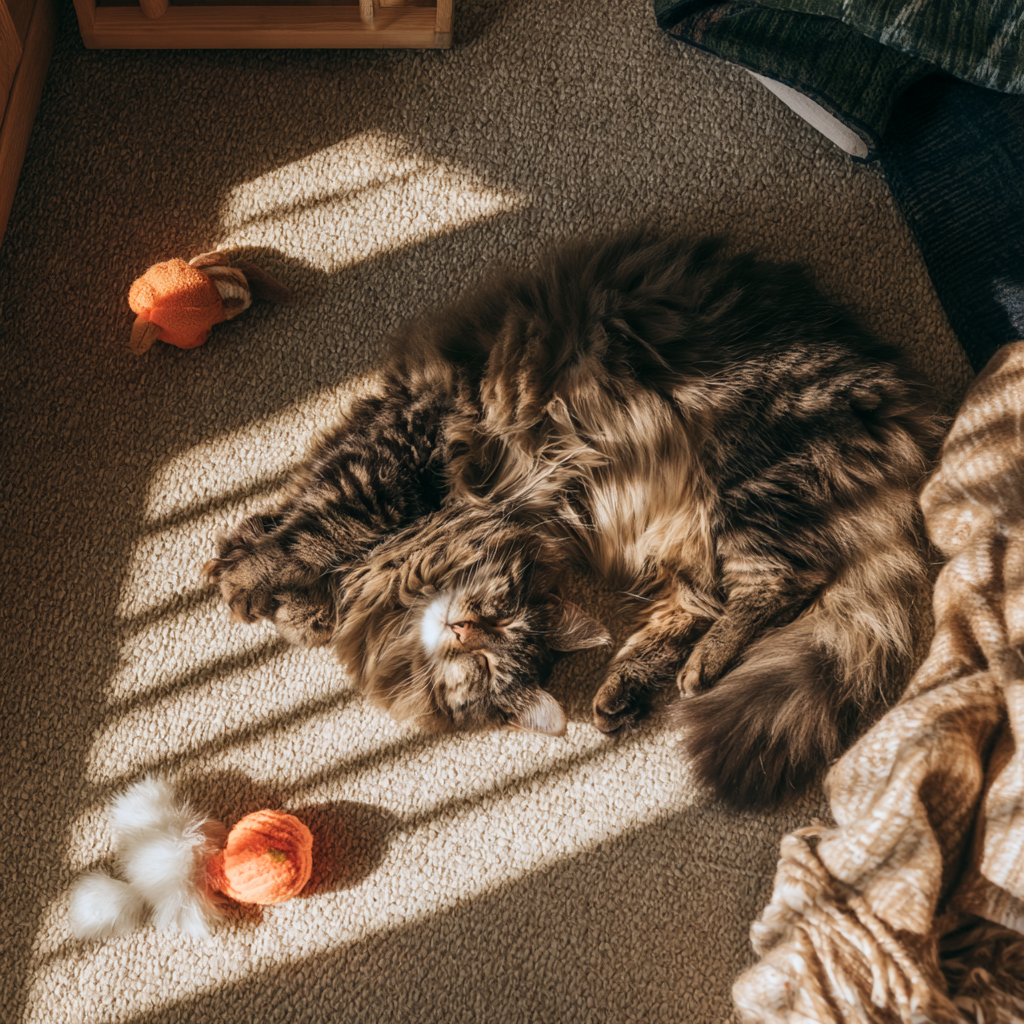
As cat owners, we often find ourselves observing our feline companions and questioning their behavior. A common concern is, “Why is my cat sleeping more than usual?” While cats are known for their love of napping, a significant increase in sleep can sometimes indicate underlying issues that warrant attention. Understanding your cat’s sleep patterns can give you insight into their health and well-being.
Quick answer: If your cat is sleeping more than usual, it could be a normal part of their behavior, influenced by age or environment. However, excessive sleeping may also signal health concerns such as infections or metabolic disorders, so it’s important to monitor their overall condition and behavior.
Understanding Normal Cat Sleep Patterns
How many hours do cats typically sleep?
On average, cats are known to sleep between 12 to 16 hours a day, with some snoozing even longer, especially in older age. This naturally high sleep requirement serves a vital purpose — as predators, cats need to conserve energy for their hunting activities. Their sleep is often divided into several short naps throughout the day and night, characterized by stages of light and deep sleep. During deep sleep, known as REM (Rapid Eye Movement) sleep, cats can be observed twitching, which is a sign that their brains are quite active despite their relaxed state.
What factors influence cat sleep behavior?
Various factors can affect a cat’s sleep behavior, including:
- Age: Kittens and senior cats tend to sleep more than young adult cats. Kittens require extra sleep for growth, while elderly cats may sleep more due to decreased energy levels.
- Activity level: Cats that are more active during play or outdoor exploration may require additional rest to recuperate, while indoor cats might exhibit differing patterns based on their environmental stimulation.
- Health status: Overall health and well-being can influence sleep. Cats may sleep more due to illness, stress, or changes in their environment.
- Diet: Nutrition plays a role in energy levels; a well-balanced diet can support overall health and potentially impact sleep patterns.
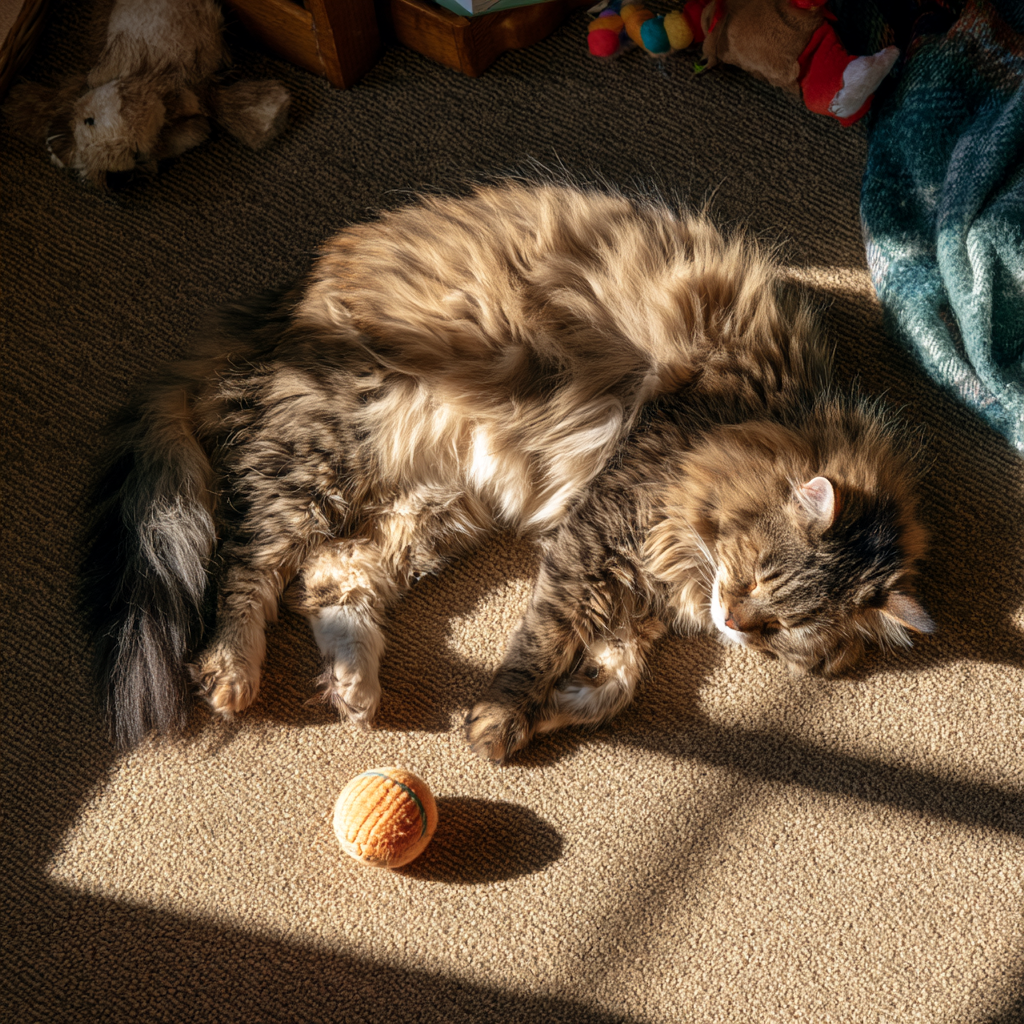
Why Is My Cat Sleeping More Than Usual?
Common Health Issues Linked to Increased Sleep
When you notice your cat sleeping more than usual, it’s essential to consider potential health issues. A variety of conditions may lead to an increase in sleep, including:
- Infections: Conditions such as feline leukemia or upper respiratory infections can cause lethargy and increased sleep as the body-energy is redirected to fight off illness.
- Hyperthyroidism: Common in older cats, this condition leads to excess production of thyroid hormone, resulting in increased metabolism and sometimes increased sleep as they tire more easily.
- Diabetes: Increased sleep can occur due to energy levels being impacted by this disease, alongside other symptoms like increased thirst and urination.
- Kidney disease: As a progressive health issue, kidney disease can lead to lethargy, with affected cats often sleeping more profoundly and for longer periods due to discomfort or systemic issues.
- Pain or discomfort: Cats experiencing pain from injury, arthritis, or other chronic conditions may retreat into sleeping more, avoiding activity that could exacerbate discomfort.
If you observe other concerning symptoms such as changes in appetite, weight loss, or unusual behavior, it’s crucial to consult a veterinarian for a complete evaluation.
Behavioral Changes and Their Implications
Changes in sleep patterns can also be a reflection of behavioral and psychological issues. Cats can experience stress or anxiety due to various factors, leading them to sleep more as a coping mechanism. Cases may include:
- Environmental changes: Moving to a new home, introducing new pets, or changes in the household routine can stress your cat, leading to lethargy or excessive sleeping.
- Reduced stimulation: Indoor cats that lack interactive play or mental engagement may nap more due to boredom or lack of activity.
- Separation anxiety: Cats often sleep more when experiencing anxiety from being left alone or changes in their daily routine. Signs to watch for include hiding and a decrease in social behavior.
To help your cat cope with any stressors, consider implementing strategies that can provide more environmental enrichment, such as interactive toys, climbing structures, or changes in play routines. Observing their reactions can guide how to adjust the environment to help alleviate their concerns.
When to Consult a Veterinarian
Monitoring your cat’s behavior is vital in determining when to seek professional help. An important safety note is to observe any additional symptoms alongside increased sleep. Consult a veterinarian if you notice:
- Significant weight loss or gain
- Changes in appetite (increased or decreased)
- Changes in water intake or urination
- Unusual vocalizations or signs of distress
- Persistent lethargy lasting more than a few days
If your cat displays a combination of these symptoms, or if there’s an ongoing change in sleep behavior that seems out of character, it’s essential to reach out to your veterinarian promptly for a thorough examination and appropriate diagnostics.
Understanding why your cat is sleeping more than usual can alert you to potential health or behavioral issues. Whether it’s a sign of stress, an indicator of health concerns, or simply a change in their routine or lifestyle, being observant and proactive can help ensure your feline companion remains happy and healthy.
Frequently Asked Questions
Is it normal for my cat to sleep all day?
Yes, it’s quite common for cats to sleep a significant portion of the day, often around 12 to 16 hours. However, if you notice a sudden increase or other changes in behavior, it may be worth investigating further.
What are signs my cat is sick?
Signs of sickness in cats may include changes in eating or drinking habits, vomiting, diarrhea, lethargy, excessive grooming, or withdrawal from social interaction. Observing these behaviors can guide your decision to consult a veterinarian.
Can stress cause my cat to sleep more?
Yes, stressors like changes in the environment or routine can lead to increased sleep as cats may seek solace and safety in sleeping. Monitor their overall behavior to identify signs of stress.
How much sleep does an average cat need?
An average cat requires around 12 to 16 hours of sleep daily, though this can vary based on their age, health, and activity level. Some cats may sleep more due to various reasons, including being indoor pets.
What should I do if my cat is unusually lethargic?
If your cat appears unusually lethargic, observe their behavior, eating, and drinking habits. If you notice other concerning symptoms or if the lethargy persists, consult your veterinarian for further evaluation.
How can I tell if my cat is sleeping too much?
You can determine if your cat is sleeping too much by observing changes in their activity levels, appetite, and engagement with you or their environment. If they seem excessively lethargic or there are behavioral changes, it may indicate an underlying issue requiring attention.