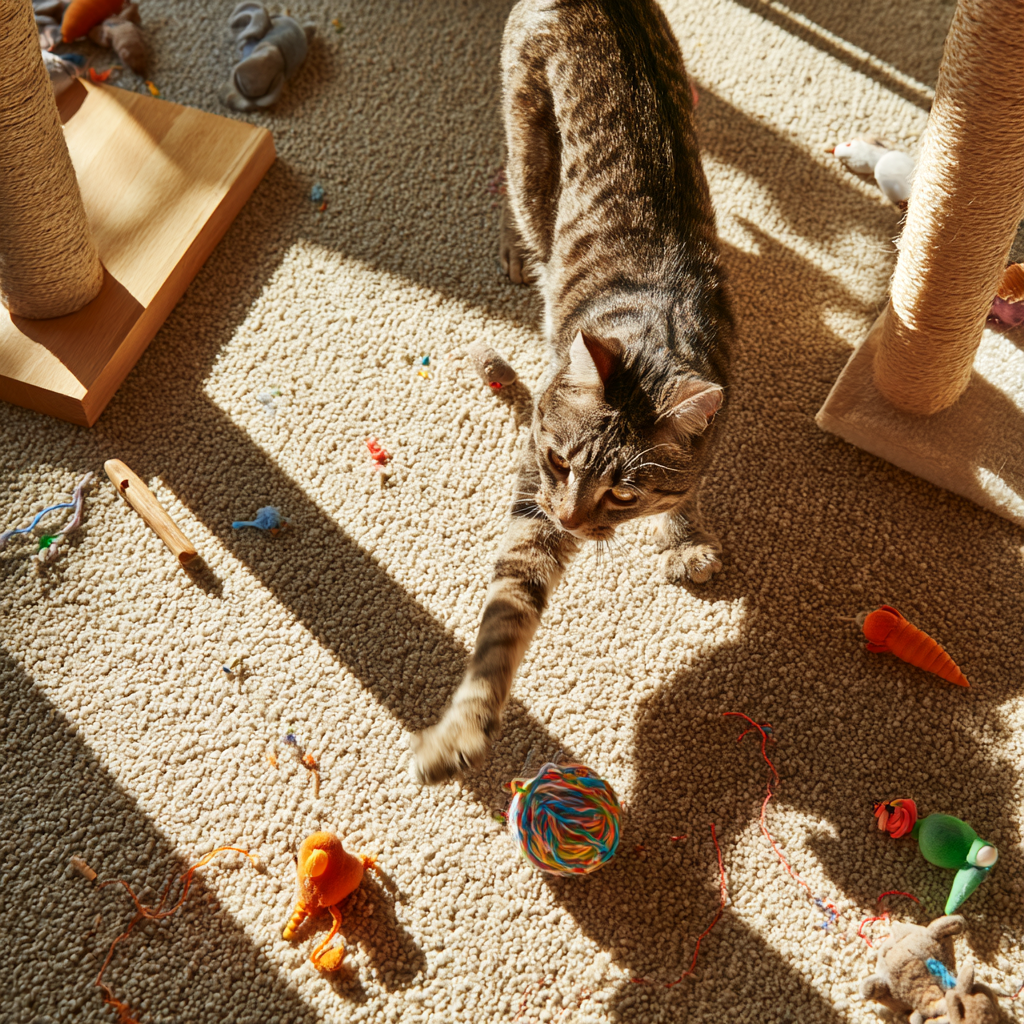
How to Keep an Indoor Cat Entertained: Tips and Activities
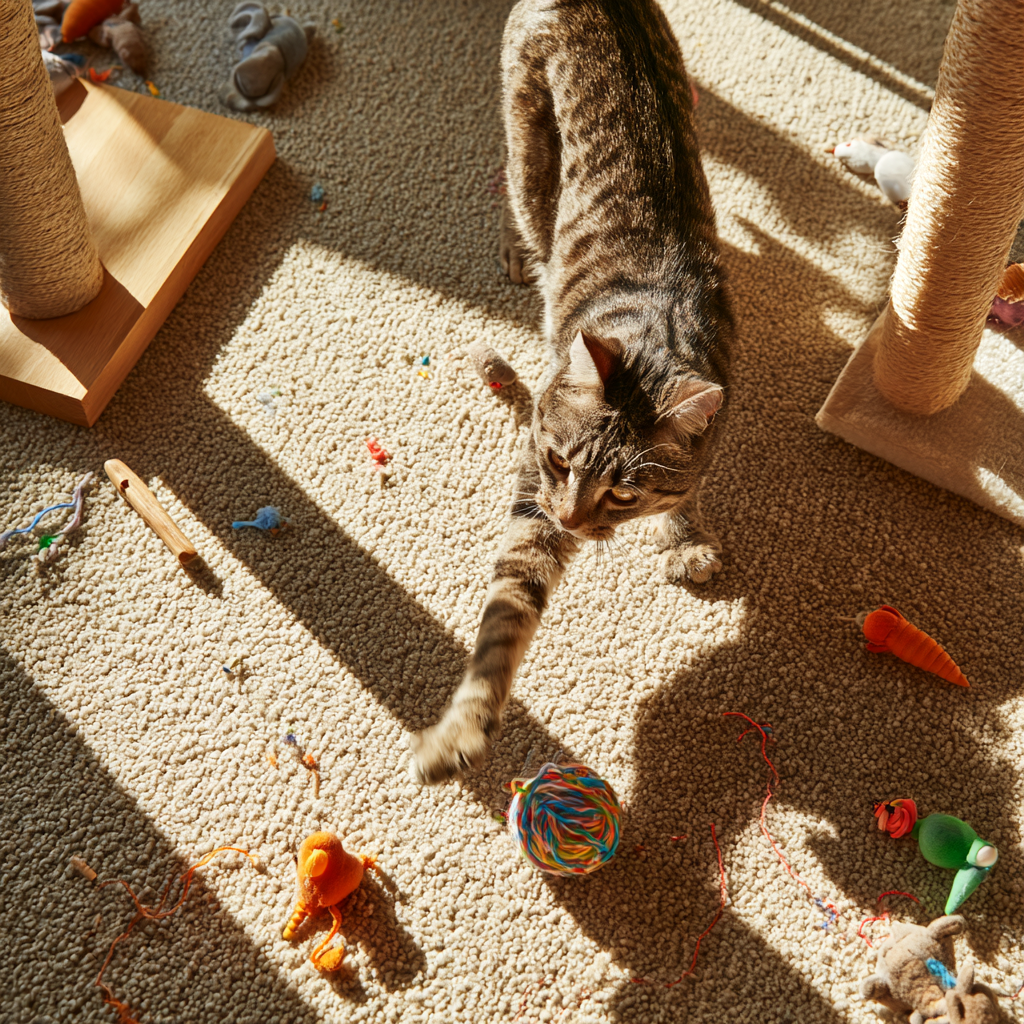
Keeping an indoor cat entertained can be a delightful challenge for pet owners. Cats, known for their curious and playful nature, need mental and physical stimulation to thrive, and this responsibility falls on us as their caregivers. Understanding how to keep an indoor cat entertained requires creativity and flexibility. In this article, we’ll explore a variety of strategies, incorporating playful activities, environmental enrichment, technological advancements, and an understanding of natural cat behaviors.
Quick answer: To keep an indoor cat entertained, engage them with DIY toys, incorporate regular play sessions into your routine, create enriching environments, utilize technology, and understand their natural instincts. Observing your cat will help tailor activities that fit their unique personality and preferences for optimal enrichment.
How to Keep an Indoor Cat Entertained: Creative Strategies
DIY Craft Ideas for Cat Toys
Crafting your own cat toys can be a fun and cost-effective way to provide your feline friend with new stimulation. Here are some ideas for easy DIY toys that can keep your cat entertained:
- Homemade Pom-Poms: Use yarn to create small pom-poms that are safe for your cat to bat around. Ensure there are no loose threads that could be ingested.
- Feather Wands: Attach feathers to a string and secure it to a stick. This playful toy allows you to engage in interactive play, mimicking the movement of prey.
- Crinkle Balls: Take a piece of crinkly paper or aluminum foil, scrunch it into a ball, and let your cat bat it around to satisfy their hunting instincts.
- Catnip Pouches: Sew or tie small fabric pouches filled with catnip. This provides both an olfactory and tactile experience that many cats enjoy.
Using Everyday Items for Engaging Play
Your home is filled with potential toys that can captivate your indoor cat. Here are a few everyday items that can be safely turned into engaging play objects:
- Paper Bags: An empty paper bag offers a cozy hideaway and encourages exploration. Just be sure to supervise play to prevent accidental ingestion of any bag pieces.
- Cardboard Boxes: Cats love to investigate boxes. Try cutting holes for them to peek through, creating a fun hide-and-seek game.
- String or Ribbon: A few feet of string can provide hours of entertainment. Always use it under supervision to avoid potential choking hazards.
- Toilet Paper Rolls: These can be transformed into puzzle toys by cutting holes and hiding treats inside, encouraging your cat to figure out how to retrieve the goodies.
Engaging Play Sessions: Make Time for Interaction
Incorporating Regular Play into Your Routine
Just like us, cats thrive on routine, and incorporating regular play sessions into your daily life can significantly enhance their quality of life. Here are some tips for establishing a playful routine:
- Set Specific Times: Choose times of day when you can dedicate 15 to 20 minutes to play. This helps your cat anticipate and look forward to their active time.
- Use a Variety of Toys: Rotate toys regularly to keep things fresh and exciting. A mix of different types of toys will stimulate different senses and keep your cat engaged.
- Vary Play Styles: Alternate between interactive play with you and independent play with toys. This allows for bonding time and lets your cat express their hunting instincts.
Harnessing Behavioral Cues for Effective Play
Understanding your cat’s behavioral cues is essential for maximizing the quality of playful interactions. Here are some key signals to watch for:
- Body Language: A relaxed posture—with a tail up and ears forward—often indicates that your cat is ready to play. Conversely, if their body is tense or they’re hiding, it may signal that they’re not in a playful mood.
- Vocalizations: Cats may vocalize—chirps or trills—when they’re excited about play. If your cat starts to meow or ‘talk,’ it may be time to engage.
- Stalking Behavior: Watch for your cat crouching low and creeping toward a toy, which mimics their predatory nature. This behavior shows readiness to leap into action.
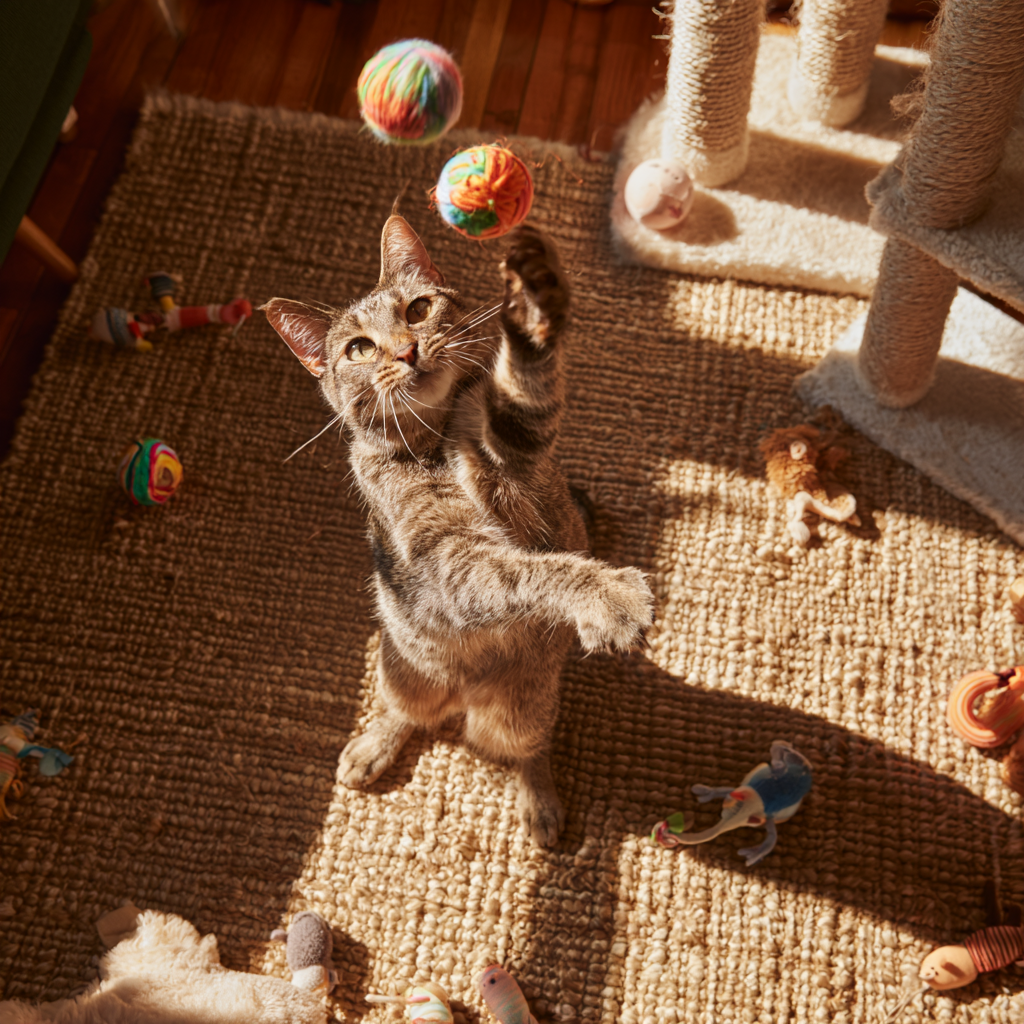
Creating an Engaging Environment for Your Cat
Setting Up Cat-Friendly Space
Creating a cat-friendly space in your home is crucial to ensure your indoor cat has a stimulating environment. Consider the following elements when setting up:
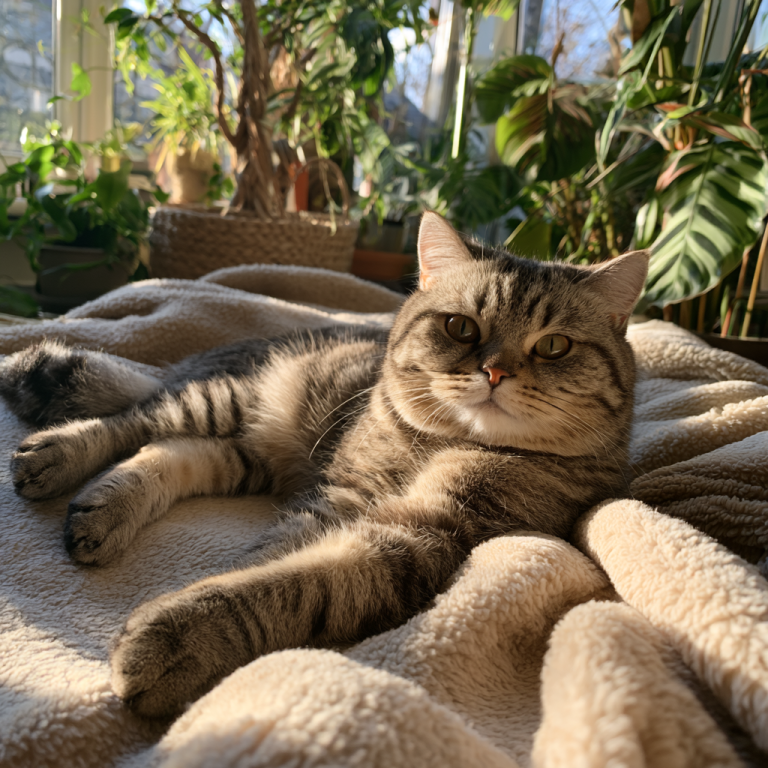
- Comfortable Resting Areas: Provide cozy spots with blankets or cushions where your cat can rest after play.
- Interactive Features: Add multi-level cat trees or shelves that encourage climbing and exploration, which helps satisfy their natural instincts.
- Safe Plants and Scratching Posts: Integrate cat-friendly plants and scratching posts to keep your cat engaged in a safe manner.
Using Vertical Space for Exploration
Cats are natural climbers and often seek vertical spaces for exploration. Utilizing vertical space can provide mental stimulation and physical activity:
- Cat Trees and Shelves: Install a cat tree or shelving units that allow your cat to perch, jump, and survey their domain from a height.
- Window Perches: Create a space where your cat can observe the world outside. This can provide endless entertainment from watching squirrels, birds, and passersby.
- Wall Climbing Systems: Consider wall-mounted climbing systems that encourage climbing and provide a novel experience.
Utilizing Technology for Cat Entertainment
App-Enabled Toys and Automated Play
Technology offers innovative ways to engage your indoor cat. App-enabled toys and automated play features can add variety to their playtime. Here’s how to integrate these options:
- Remote-Controlled Toys: These enable you to control the movement of toys from a distance, engaging your cat without direct involvement.
- Automated Laser Pointers: Devices that project moving laser dots can mimic the movement of prey, encouraging your cat to chase and pounce.
- Interactive Feeders: These can create a game out of mealtime, where cats have to solve puzzles to receive their food, stimulating their minds while eating.
Videos and Live Feeds for Visual Stimulation
Some cats respond well to visual stimulation through videos or live feeds featuring animals. Here are some ways to use this technology effectively:
- Cat TV: Set up videos specifically designed for cats, showcasing birds, fish, or small mammals. Monitor your cat’s reaction to ensure they enjoy the content.
- YouTube Channels: There are dedicated channels with engaging animal footage that can captivate your cat’s attention for short periods.
- Live Animal Feeds: Streaming wildlife feeds can provide endless entertainment and stimulation, allowing your cat to watch real-life animal behavior.
Understanding Natural Behaviors for Play
Mimicking Hunting Behaviors at Home
Cats are natural hunters, and replicating this behavior at home is pivotal to their happiness. When planning interactive play, consider these aspects:
- Chase and Pounce Games: Use toys that mimic the movement of prey, such as feather wands or small balls that can be tossed and chased.
- Hide and Seek: Hide toys or treats around the house for your cat to find. This engages their hunting instincts and keeps them mentally stimulated.
- Obstacles and Challenges: Create obstacle courses using furniture or boxes that your cat must navigate, encouraging both physical exertion and problem-solving skills.
Recognizing Signs of Boredom and Engagement
Monitoring your cat’s behaviors provides insight into their level of engagement and can help identify signs of boredom. Look for the following cues:
- Increased Destructive Behavior: If your cat begins to scratch furniture or knock things over, it may be a signal of boredom and a need for more stimulation.
- Excessive Sleeping: While cats naturally nap throughout the day, excessive sleeping could indicate a lack of engagement.
- Attention Seeking: Persistent meowing or following you around can indicate that your cat is looking for more interaction and playtime.
By incorporating the strategies discussed above and being observant of your indoor cat’s individual preferences and behaviors, you can create a stimulating environment that keeps your feline entertained and fulfilled. Tailored play that references their natural instincts ensures your cat has a happy, healthy life indoors.
Frequently Asked Questions
What toys do cats enjoy the most?
Cats often enjoy toys that mimic prey, such as feathered teaser wands, balls, and interactive toys that dispense treats. Variety is key, as different toys can cater to individual preferences.
How much playtime does an indoor cat need?
Indoor cats typically benefit from at least 15-30 minutes of active play each day. This can be broken into smaller sessions, depending on your cat’s interest and energy levels.
What activities can keep a cat stimulated?
Engaging activities include interactive play with toys, providing opportunities for exploration (such as climbing), and mimicking natural hunting behaviors. Puzzle feeders and visually stimulating videos also contribute to mental enrichment.
How to keep an indoor cat entertained without toys?
You can entertain your indoor cat by using everyday items like cardboard boxes or crumpled paper, engaging in hide-and-seek with treats, or setting up a cozy viewing spot for them to observe outside activities.
Can indoor cats get bored easily?
Yes, indoor cats can experience boredom without sufficient stimulation and environmental variety. This boredom may lead to behavioral issues, making it important to provide ample opportunities for play and exploration.