Why Is My Cat Suddenly Aggressive?
Why Is My Cat Suddenly Aggressive? Many cat owners encounter sudden behavioral changes that can leave them perplexed and concerned. Understanding the dynamics that lead to aggression in cats is essential for maintaining a harmonious relationship with your feline friend. This article explores various factors that can contribute to your cat’s aggression, from environmental triggers to underlying medical issues.
Quick answer: Sudden aggression in cats can stem from a variety of causes including stress, changes in their environment, health issues, or fear. Observing their behavior closely will help you identify potential triggers and address them appropriately.
Understanding Why Is My Cat Suddenly Aggressive?
Common Triggers of Aggression
Sudden aggression in cats can often be traced back to identifiable triggers. These may be related to their environment, physical state, or even emotional condition. Some common causes include:
- Fear or Anxiety: Cats can react aggressively when they feel threatened. This might occur in response to loud noises, unfamiliar people, or other animals invading their space.
- Redirected Aggression: This happens when a cat becomes agitated by a stimulus (like seeing a neighbor’s cat outside) but can’t reach it, leading to aggression directed towards a human or another animal nearby.
- Overstimulation: Playtime is often a source of excitement for cats. However, certain types of interaction can lead to aggressive behavior if they become overly stimulated.
- Changes in Routine: Cats thrive on predictable routines. Sudden changes, such as moving to a new home or changes in feeding times, can trigger anxiety and aggression.
- Medications: Some medications can alter a cat’s behavior, leading to increased aggression or irritability. Always monitor how your cat responds to new medications.
Signs of an Aggressive Cat
Recognizing the signs of aggression is crucial for any cat owner. Aggressive behavior can manifest in various ways, and context is key to understanding what your cat may be experiencing:
- Body Language: An aggressive cat may exhibit an arched back, puffed tail, and flattened ears—signals of an impending attack.
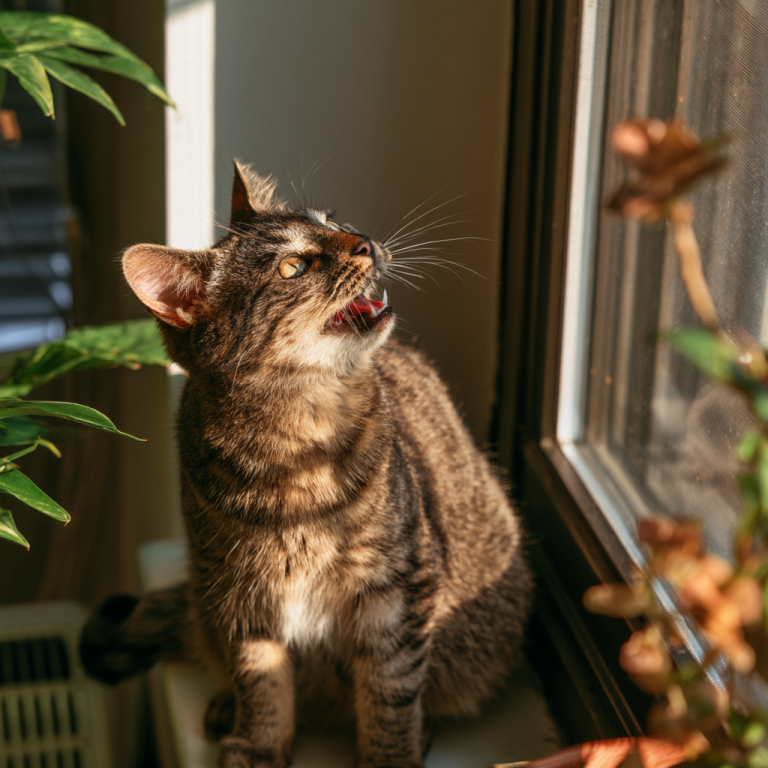
- Vocalizations: Hissing, growling, or yowling can indicate discomfort or readiness to defend territory.
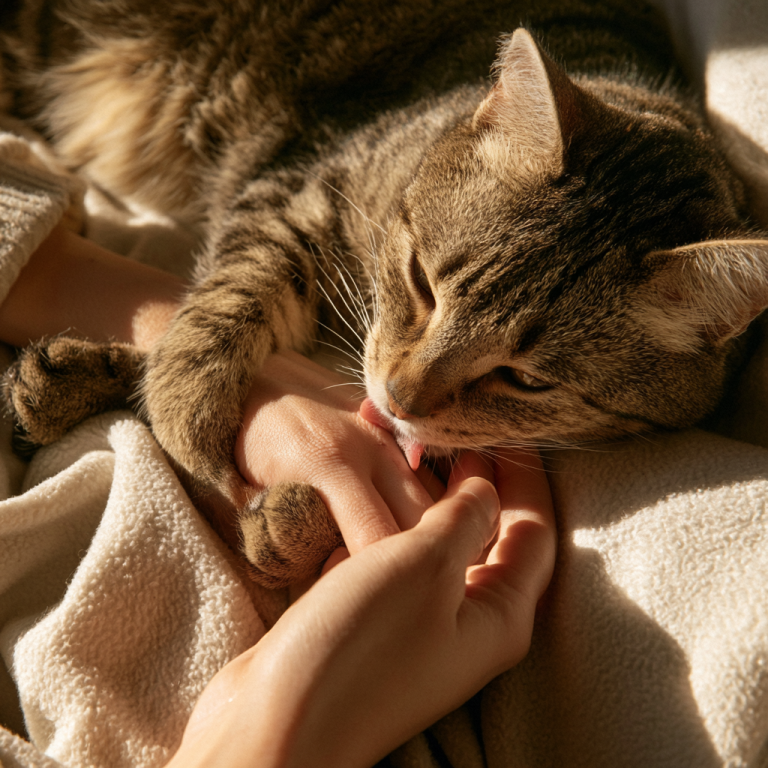
- Attacks: Biting or scratching during play or interaction often signals that the cat feels overstimulated or threatened.
- Withdrawal: Sometimes, sudden aggression is coupled with more withdrawn behaviors, where the cat may hide or avoid interaction altogether.
Medical Issues That Can Lead to Aggression
Underlying Health Problems
Medical issues can significantly influence a cat’s temperament and behavior. Pain or discomfort from a health problem may result in aggression, as the cat may instinctively feel threatened when it is in pain. Some common conditions affecting behavior include:
- Dental Disease: Oral pain can make a cat irritable and more likely to lash out if touched.
- Hyperthyroidism: This condition can lead to increased energy levels and irritability, which can escalate into aggressive behavior.
- Arthritis: Cats suffering from arthritis may become aggressive when they are handled, especially in sensitive areas.
The Importance of Veterinary Check-ups
Regular veterinary check-ups are crucial for identifying any underlying health issues. When a cat exhibits sudden aggression, it is vital to consult a veterinarian for a comprehensive evaluation. Here are some steps to consider:
- Schedule a Visit: Arrange for a veterinary appointment as soon as possible, especially if the aggression is sudden or concerning.
- Discuss Behavioral Changes: Provide your veterinarian with detailed observations of your cat’s recent behavior and any significant changes in their environment.
- Follow Recommendations: Your vet may suggest blood tests, physical exams, or referrals to behavior specialists to address any underlying issues.
Environmental Factors Impacting Cat Behavior
Changes in Household Dynamics
Cats are sensitive creatures, and alterations in their household environment can lead to stress and aggression. Significant changes may include:
- New Family Members: The arrival of a new human or animal can disrupt a cat’s routine and lead to feelings of insecurity.
- Moving Homes: Transitions to new locations can unsettle cats, particularly if unfamiliar smells and sounds overwhelm them.
- Changes in Schedule: Variations in feeding or play times can cause anxiety in cats accustomed to consistency.
Impact of Other Pets
Interactions with other animals in the home significantly influence a cat’s behavior. Aggression may arise from:
- Competition for Resources: Cats may fight over food, toys, and territory, leading to display aggression when another pet is nearby.
- Establishing Dominance: Cats have their own social hierarchies. Aggression can erupt as they assert their dominance over other pets.
Behavioral Changes Due to Stress
Recognizing Stress in Cats
Understanding your cat’s stress signals is vital for addressing aggressive behavior. Some signs to watch for include:
- Body Posture: A tense body, dilated pupils, or ears pinned back can all indicate stress.
- Increased Vocalization: More frequent meowing, growling, or hissing can signal discomfort or frustration.
- Changes in Routine: Litter box avoidance or sudden changes in appetite may indicate stress or anxiety.
How to Provide a Safe Space
Creating a secure environment can significantly reduce your cat’s stress and aggression. Here are ways to provide peace:
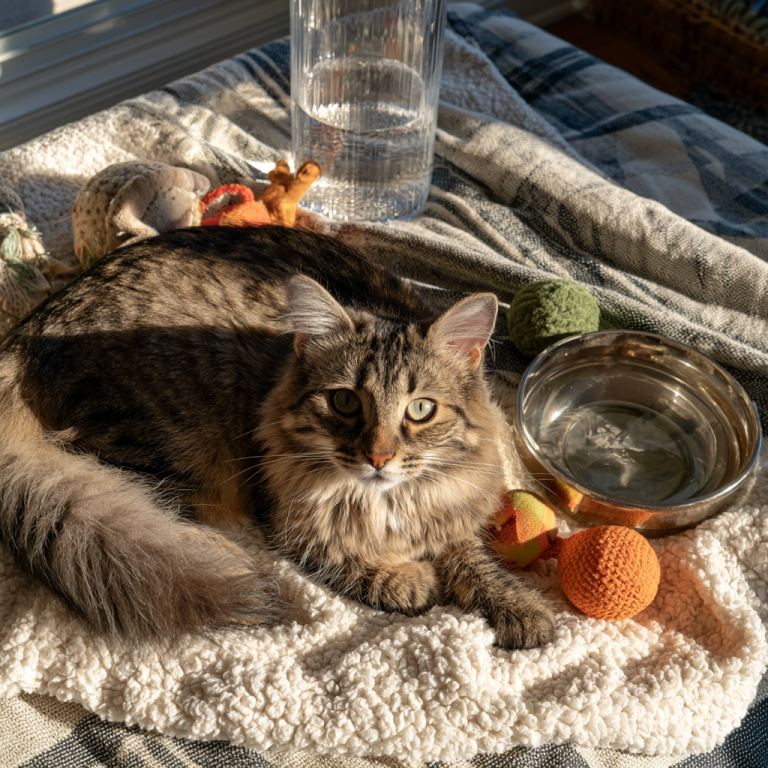
- Safe Zones: Designate quiet spaces where your cat can retreat without interruption (e.g., cozy beds, cat trees).
- Consistent Routines: Maintain regular feeding, play, and litter box cleaning schedules to reassure your cat.
- Calm Atmosphere: Limit loud noises and introduce new elements gradually to avoid sudden disruptions.
Effective Strategies for Managing Aggressive Behavior
Calming Techniques
Implementing calming techniques can help manage aggressive tendencies in your cat. Consider these strategies:
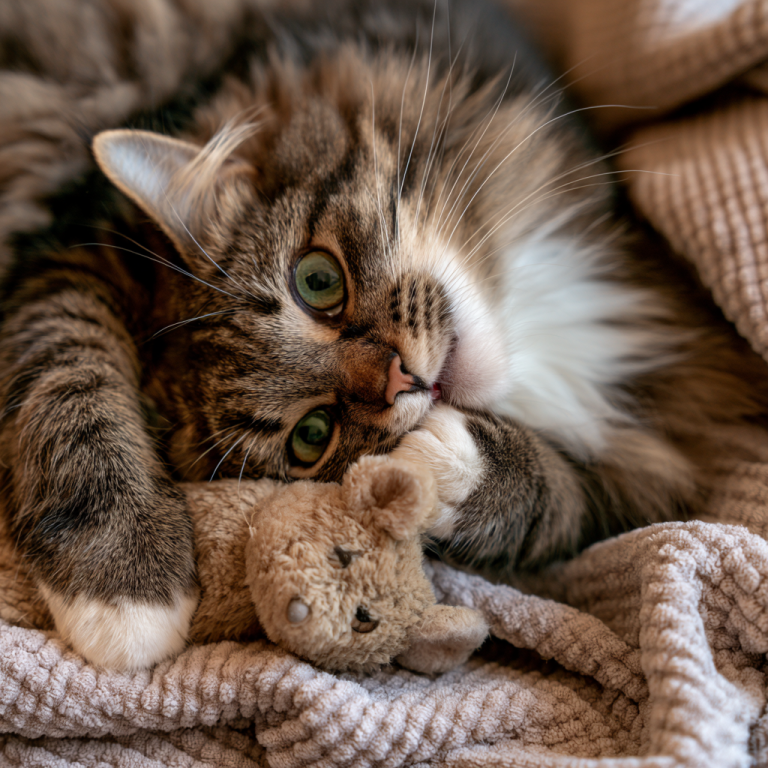
- Provide Environmental Enrichment: Interactive toys, scratching posts, and climbing spaces can relieve pent-up energy and stimulate your cat mentally.
- Use Calming Aids: Products such as pheromone diffusers or calming collars may help to reduce anxiety levels in some cats.
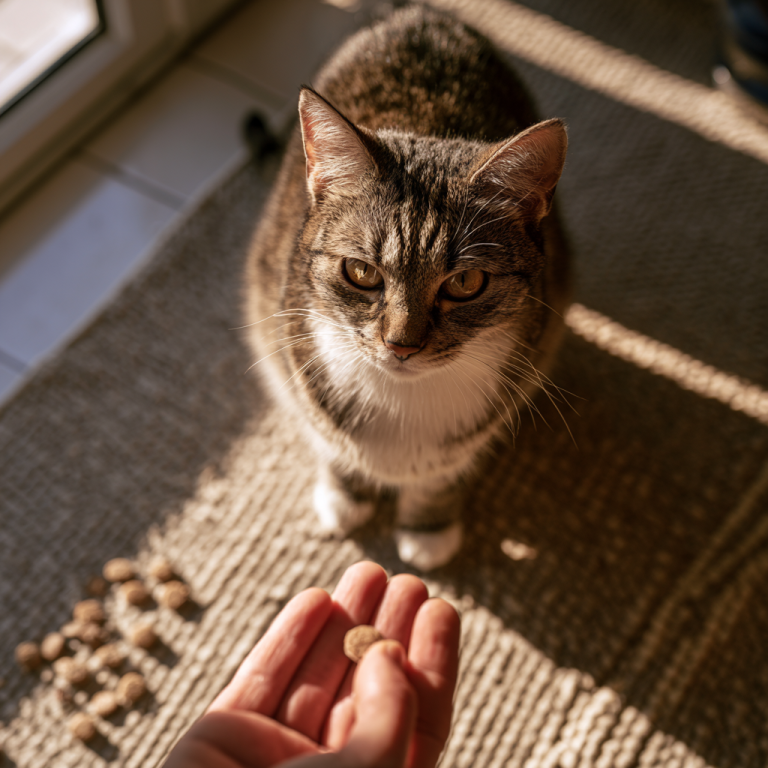
- Positive Reinforcement: Reward calm behavior with treats or affection to encourage a relaxed disposition over time.
When to Seek Professional Help
If your cat’s aggression persists despite your efforts to manage it, consulting a professional is crucial. A qualified animal behaviorist or your veterinarian can offer valuable insights and tailored strategies to handle aggression effectively:
- Behavioral Assessment: Professional assessments can help identify underlying behavioral issues and recommend modification plans.
- Training Techniques: Trained specialists can provide guidance on specific behavioral adjustment techniques tailored to your cat’s needs.
- Medication Consultation: Your veterinarian may recommend medication if aggression is tied to anxiety or stress.
Overall, recognizing that every cat is unique, their responses to stress and aggression triggers will vary. Observing individual behaviors and consulting with professionals when needed will enhance your ability to support your cat’s well-being.
Frequently Asked Questions
What triggers sudden aggression in cats?
Sudden aggression in cats can be triggered by various factors, including fear, overstimulation, territorial defense, and even redirected aggression. Understanding the context and observing the triggers can help address the underlying issues.
Can illness cause a cat to become aggressive?
Yes, illness can cause a cat to display aggressive behavior. Pain from injuries, dental issues, or neurological disorders may result in a cat acting defensively or aggressively.
How do I calm my aggressive cat?
To calm an aggressive cat, establish a predictable routine, create a safe space, and consider using pheromones. Engaging in gentle, interactive play can also help channel their energy and reduce aggression over time.
What are the signs of stress in cats?
Signs of stress in cats include hiding, changes in appetite, excessive grooming, and changes in behavior like increased aggression. Being aware of these signs can help in addressing your cat’s emotional well-being.
Is it normal for a cat to be aggressive sometimes?
While occasional displays of aggression can be normal, especially during play, consistent or increased aggression may indicate underlying issues. It is essential to assess the context and triggers to determine if intervention is needed.