How Often Should You Feed a Cat? Essential Feeding Guidelines
How Often Should You Feed a Cat? This question is essential for every cat owner aiming to provide optimal care for their feline friend. A well-balanced diet is crucial for a cat’s overall health, affecting everything from their energy levels to their longevity. However, determining the appropriate feeding frequency can be complex, influenced by various factors such as age, health status, and even lifestyle. By understanding these variables, you can establish a feeding routine that meets your cat’s specific needs.
Quick answer: Generally, most adult cats should be fed twice a day, while kittens often require more frequent meals, about three to four times daily. Senior cats may also need tailored schedules depending on their health. Always adjust portions and frequency based on your cat’s individual needs.
Understanding Your Cat’s Nutritional Needs
Factors Influencing Feeding Frequency
Several important factors play a crucial role in determining how often you should feed your cat. These factors can influence not just the frequency of feeding but also the type of diet that might be best suited for your cat’s nutritional needs.
- Age: Kittens, adults, and senior cats have different dietary requirements and feeding patterns.
- Activity Level: More active cats, such as those that spend time outdoors or engage in interactive play, may require additional calorie intake.
- Health Status: Medical conditions such as diabetes or obesity often dictate specific feeding schedules and diets.
- Cat’s Preference: Individual cats may have unique feeding habits or preferences that can influence how often they want to eat.
Understanding these factors will help you better assess your cat’s on-going needs and allow you to make necessary adjustments when required.
Adjusting Portions Based on Life Stage
Feeding portions need careful consideration as they vary by life stage. Each stage brings different nutritional requirements.
- Kittens: They typically require more calories in proportion to their weight due to their rapid growth and high energy levels. If you are feeding dry food, look for brands specifically designed for kittens, which are usually higher in protein and fat.
- Adult Cats: Once your cat reaches adulthood (around 1 year), you can transition to adult cat food. The calorie intake usually stabilizes at about 20 calories per pound of body weight. Measure out portions according to the guidelines on the food packaging, typically around 1/3 to 1/2 cup depending on the brand and calorie density.
- Senior Cats: Senior cat diets may reduce calorie and fat content but should still retain adequate protein. This adjustment helps to maintain muscle mass while accommodating for decreased activity. It’s important to consult your veterinarian for specific recommendations on portion sizes for older cat food brands.
Tailoring the feeding portions according to your cat’s life stage ensures that they are receiving the right balance of nutrients, which is essential for their health and well-being.
How Often Should You Feed a Cat? Recommended Schedules
Kittens vs. Adult Cats Feeding Guidelines
When addressing the question of “How often should you feed a cat?” the feeding schedule differs significantly between kittens and adult cats.
| Life Stage | Recommended Feeding Frequency | Portion Size Guidance |
|---|---|---|
| Kittens (up to 6 months) | 3-4 meals per day | Refer to food packaging, usually around 1/4 to 1/2 cup total |
| Adult Cats (1-7 years) | 2 meals per day | 1/3 to 1/2 cup, adjusted according to weight |
| Senior Cats (7+ years) | 2 meals per day | Depends on overall health; consult a vet for specific needs |
This table provides a clear overview of the recommended feeding frequencies and portion sizes for different life stages, ensuring that your cat receives the support they need as they grow and age.
Special Considerations for Senior Cats
Feeding senior cats, especially those over the age of 7, may require some special considerations to maintain their health and well-being.
- Diet type: Look for foods that are rich in high-quality protein yet lower in calories to help manage weight. Fiber-rich diets can also promote digestive health.
- Moisture content: Some senior cats benefit from canned food or the addition of water to dry food to help maintain hydration, particularly if they are less inclined to drink water.
- Dental health: Senior cats may experience dental issues, making it harder to chew dry kibble. In such cases, softer diets may be more appropriate.
- Weight management: Monitor their weight closely and adjust feeding amounts or types of food to ensure they maintain a healthy weight, which can reduce stress on their joints and overall health.
These considerations can help adapt your feeding routine to better serve the needs of your aging feline friend.
Recognizing When Your Cat is Hungry
Signs of Hunger in Cats
Understanding when your cat is hungry can be misleading, as cats often display subtle signs that may vary from one cat to another. Pay close attention to your cat’s behavior and body language, as each individual may communicate their hunger differently.
Some common signs may include:
- Vocalizations: Cats may meow or vocalize in a particular way as a signal for food.
- Pawing or Scratching: Your cat might paw at their food dish or scratch at you to express their urge to eat.
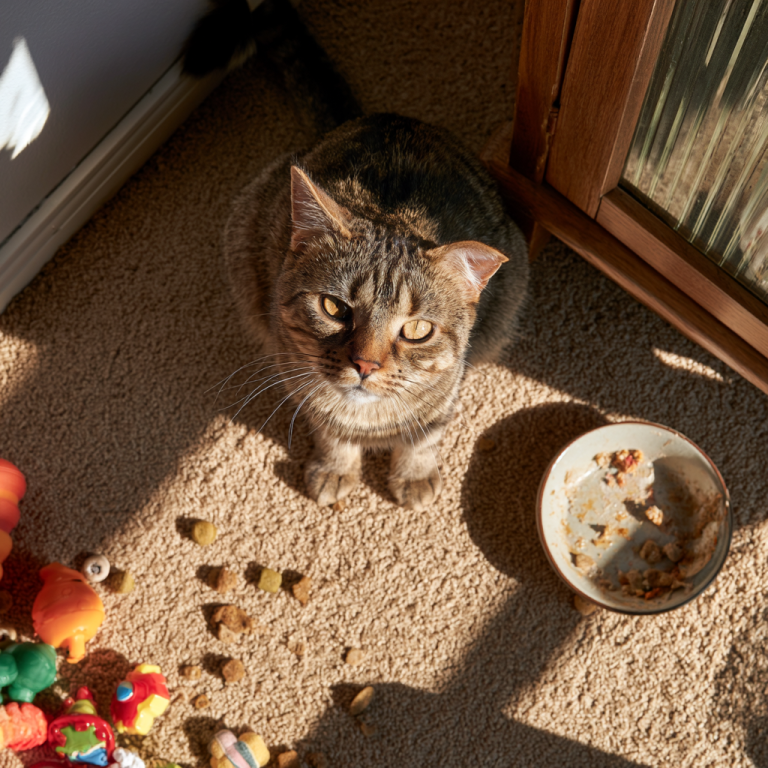
- Following You: If your cat trails behind you or sits near the kitchen while you prepare meals, they may be indicating that it’s time for food.
- Begging or Pacing: You might notice your cat standing by their food bowl or pacing in anticipation of mealtime.
While these behaviors usually indicate hunger, it’s important to consider their context. Sometimes, anxiety or boredom can also prompt these actions.
When to Be Concerned About Feeding
While observing your cat for signs of hunger is useful, some behaviors may raise concerns about their health or feeding routine.
- Sudden Change in Appetite: A sudden increase or decrease in your cat’s appetite can signal potential health issues. If this change persists for more than a day or two, it is crucial to consult your veterinarian.
- Excessive Vomiting: Occasional vomiting can occur, but consistent vomiting after meals may suggest dietary issues.
- Lethargy: If your cat seems less active or engages less in play than usual alongside changes in eating habits, it could indicate underlying health problems.
- Weight Loss or Gain: A noticeable change in weight, whether loss or gain, should be evaluated. An unexpected weight change often warrants a veterinary consultation to identify possible causes.
Always monitor your cat’s behavior and overall health closely, and do not hesitate to consult with your veterinarian if you notice worrying signs, especially during transitions between feeding schedules or life stages.
Maintaining a careful feeding routine is essential for ensuring that your cat remains healthy and happy. By considering their individual needs and recognizing the signs they display, we can provide optimal care that promotes their overall well-being.
Frequently Asked Questions
How often should I feed my cat?
Generally, adult cats should be fed twice a day, while kittens require more frequent meals, typically three to four times a day. It’s essential to tailor feeding schedules and portion sizes to your cat’s specific needs based on age, activity level, and health considerations.
What is the best feeding schedule for cats?
The best feeding schedule varies by life stage. Kittens do best with multiple small meals throughout the day, while adult and senior cats typically thrive on two meals each day. Regular monitoring can help adjust feeding practices as their needs change.
Can I free-feed my cat?
Free-feeding, or leaving food out all day, can work for some cats, but it may lead to overeating and obesity, especially in less active individuals. Consider your cat’s eating habits and health before deciding on this method.
How much food should I give my cat each day?
The amount of food a cat needs daily depends on various factors, including age, weight, and activity levels. It’s best to follow the feeding guidelines on the food packaging and adjust portion sizes based on your cat’s body condition and energy needs.
Is it okay to skip a feeding for my cat?
Occasionally skipping a feeding may not harm your cat, but it shouldn’t be a regular practice. If your cat misses a meal, monitor their behavior and appetite closely, and consult a veterinarian if there are any concerns.