Cat Behaviorist Advice: Understanding and Managing Feline Behavior
Understanding cat behavior can be a complex yet fulfilling pursuit, and cat behaviorist advice can provide valuable insights into our feline companions. Cats communicate in various ways, and decoding their behaviors is essential for maintaining a harmonious relationship with them. This article explores common behavioral issues, techniques for managing these behaviors, and when it’s appropriate to seek professional help, ensuring that you have the knowledge needed for a well-adjusted feline friend.
Quick answer: To understand and manage feline behavior effectively, it’s essential to recognize common problems, learn to interpret body language, apply behavioral modification techniques, and know when to seek professional guidance. Observing your cat closely and responding appropriately is key to promoting positive interactions.
Understanding Common Cat Behaviors
What are common cat behavior problems?
Cats can exhibit a variety of behavioral problems that may arise due to environmental changes, stressors, or health issues. Understanding these behaviors allows us to address them effectively. Common issues include:
- Aggression: This can manifest as biting, scratching, or hissing, often stemming from fear, territorial disputes, or overstimulation.
- Inappropriate elimination: Urinating or defecating outside the litter box can indicate stress, urinary tract infections, or litter box aversion.
- Excessive vocalization: While some cats are naturally talkative, increased meowing or yowling may signal discomfort or a desire for attention.
- Destructive behavior: Scratching furniture or chewing on household items often points to boredom, lack of appropriate outlets for energy, or anxiety.
- Fear-based behaviors: Hiding, cowering, and avoidance can arise from new environments, loud noises, or changes in household dynamics.
How do I read my cat’s body language?
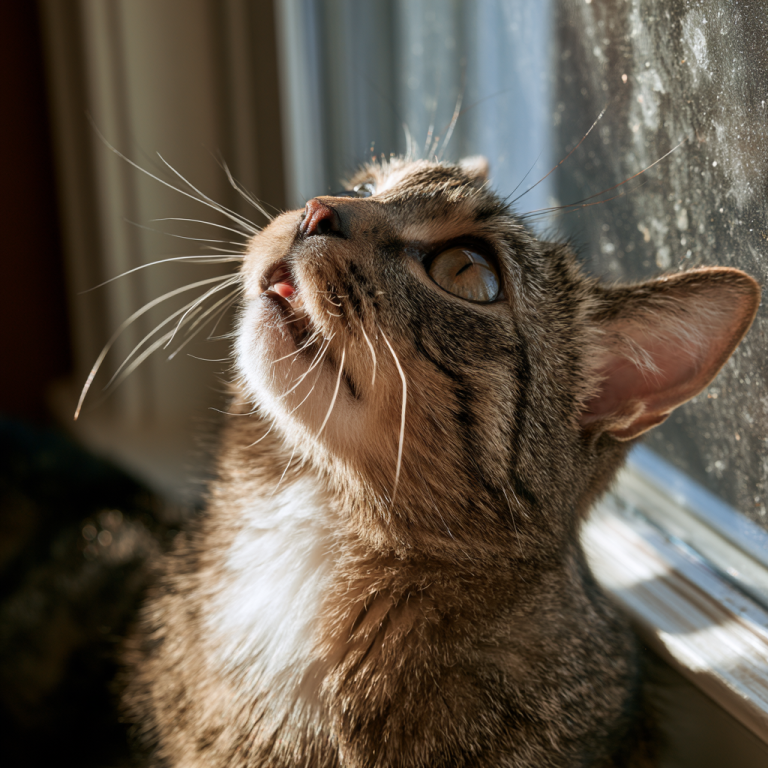
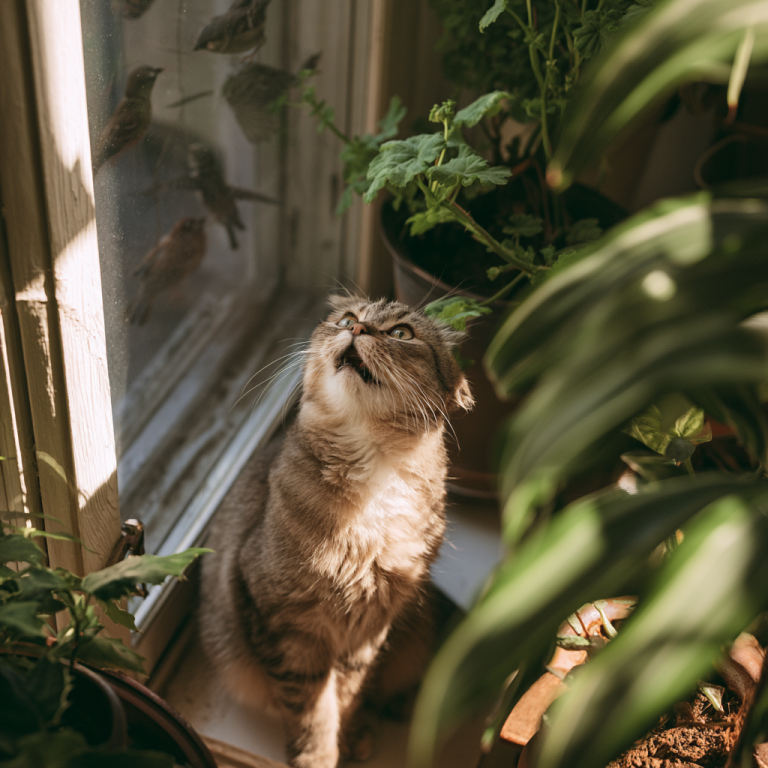
Interpreting a cat’s body language is crucial for understanding what they are feeling. However, the same behavior can have different meanings depending on the context. Here are some key signals and their potential interpretations:
- Tail position: A tail held high often indicates confidence or happiness; conversely, a low or tucked tail might suggest fear or submission.
- Ears: Forward-facing ears can signal curiosity or excitement, while flattened ears indicate annoyance or fear.
- Eyes: Slow blinking can show trust and affection, whereas wide eyes may suggest surprise or discomfort.
- Body posture: A relaxed, stretched-out cat is typically comfortable, while a cat that is crouching or has a tense body may be anxious or defensive.
Always take the surrounding environment and interactions into account when interpreting these cues; the same signal can reflect different emotions depending on the situation.
Effective Techniques for Managing Behavior
Cat behaviorist advice for behavioral modification
Implementing effective behavioral modifications involves understanding the underlying causes of behaviors and using appropriate techniques to encourage positive actions. Here are several strategies to consider:
- Positive reinforcement: Rewarding desired behaviors with treats, praise, or playtime can encourage your cat to repeat those actions. However, be mindful not to over-reward, as this can lead to confusion about which behavior is being reinforced.
- Redirecting unwanted behaviors: If your cat scratches furniture, offer a scratching post instead. This prevents damage while giving your cat a suitable outlet for their natural instincts.
- Consistency: Establish a routine with feeding, playtime, and training sessions to create a sense of security for your cat. This predictability can help reduce anxiety-related behaviors.
- Environmental enrichment: Provide toys, climbing structures, and interactive play to keep your cat engaged mentally and physically, which can mitigate boredom-related issues.
Recognizing and addressing signs of distress in cats
Understanding signs of distress in cats is vital for their well-being. Common indicators include:
- Avoidance of interaction, such as hiding or withdrawing from household activities.
- Excessive grooming or scratching, which can lead to skin infections or lesions.
- Changes in eating or drinking habits, indicating potential health issues or emotional distress.
To help alleviate distress, consider the following interventions:
- Create a safe space: Set up a quiet area where your cat can retreat when they feel overwhelmed, equipped with their essentials like food, water, and a litter box.
- Use calming products: Pheromone diffusers, calming collars, or anxiety-reducing treats can help alleviate stress for some cats.
- Monitor routine changes: Be observant of any changes in the household, such as new pets or renovations, and offer extra reassurance and stability during these times.
If distress persists, it’s recommended to consult a veterinarian or cat behaviorist for further assistance.
Professional Guidance on Feline Behavior
When to consult a professional cat behaviorist
Recognizing when to seek help from a professional is crucial for your cat’s well-being. Consider consulting a cat behaviorist if:
- Their behavior is severely impacting their quality of life or the household environment.
- You observe sudden, drastic changes in behavior, which could suggest underlying medical issues.
- You have attempted various behavioral modification techniques without success.
A trained professional can offer tailored strategies based on a thorough assessment of your cat’s behavior and environment.
What techniques do cat behaviorists use?
Cat behaviorists employ various techniques tailored to the individual cat’s needs. Standard methods include:
- Behavior assessments: Cats are closely observed to evaluate their behavior in different contexts, providing insights into triggers and preferences.
- Custom training plans: Behaviorists create specific plans that address both environmental stressors and the cat’s unique personality, emphasizing positive reinforcement.
- Owner education: Understanding feline behavior is vital. Behaviorists often educate owners on recognizing body language, reinforcing positive behaviors, and managing conflicts.
These methods aim to create a balanced environment that supports both the cat’s instincts and the owner’s lifestyle.
Frequently Asked Questions
How can I improve my cat’s behavior?
To improve your cat’s behavior, start by observing their actions and identifying triggers for unwanted behavior. Implement positive reinforcement, provide alternatives for natural instincts, and ensure a stimulating environment.
When should I seek cat behaviorist advice?
Consult a cat behaviorist if your cat displays severe behavioral problems, sudden changes in behavior, or if you’ve tried multiple strategies without success. A professional can provide tailored guidance to address specific issues effectively.