Why Does My Cat Chirp at Birds? Understanding This Behavior
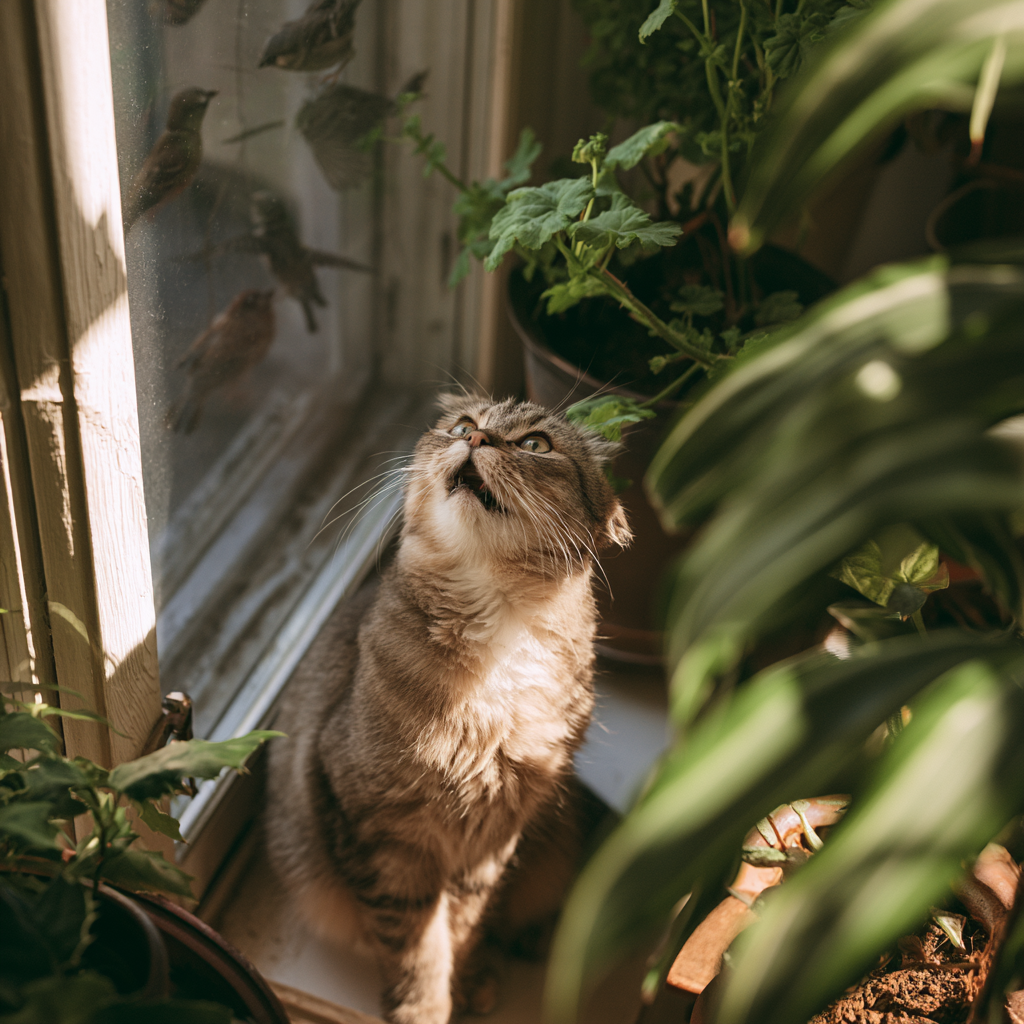
Why Does My Cat Chirp at Birds? This is a common question among cat owners who observe their feline friends making unique vocalizations while watching birds outside the window. Chirping can be a fascinating yet perplexing behavior, prompting us to wonder what drives this intriguing combination of excitement and frustration. Understanding the reasons behind this behavior can provide insights into our cats’ instincts and emotional states.
Quick answer: Cats chirp at birds primarily due to instinctual hunting behaviors, as well as emotional responses that the sight of potential prey can elicit. This vocalization can indicate excitement, frustration, or even a form of communication. Observing your cat’s overall demeanor while chirping can help you understand its mood and responses better.
Understanding Chirping in Cats
What is chirping behavior?
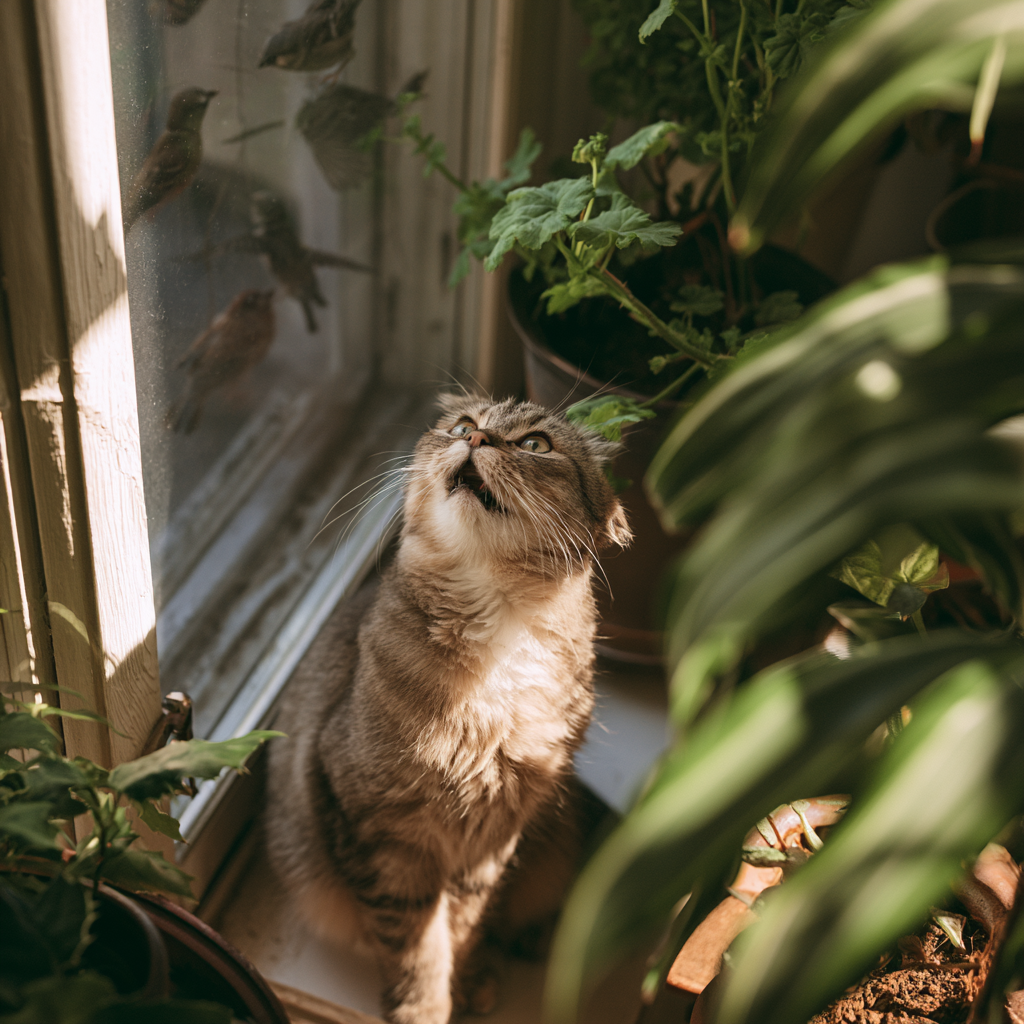
Chirping in cats often manifests as a series of short, high-pitched sounds resembling bird calls. This vocalization occurs when a cat is observing birds, squirrels, or other small animals, typically outside a window or at a distance. Chirping is different from meowing or purring and can signal various emotions depending on the context. The sound itself may be accompanied by other body language cues, such as pointed ears, a twitching tail, or rapt attention towards the source of stimulation. While the exact mechanism remains unclear, some behaviorists suggest that chirping may mimic the calls of birds, potentially aiding in hunting strategies.
How common is chirping among cats?
Chirping is relatively common among felines, though the frequency can vary widely among individual cats. Some studies and anecdotal evidence suggest that about 20-30% of cats exhibit chirping behavior when observing birds or other prey. Breeds, individual personalities, and prior experiences all play a role in whether a cat displays this behavior. For instance, a cat with a strong prey drive may chirp more frequently than a less inclined counterpart. Moreover, kittens often learn chirping from their mothers or observe older cats, further perpetuating the behavior.
Why Does My Cat Chirp at Birds?
Hunting instincts and prey simulation
The chirping sound can be linked to the hunting instincts that are ingrained in felines. When cats observe potential prey, their bodies may enter a heightened state of alert. Chirping may simulate the vocalizations made by birds, potentially enticing them and making it easier for a cat to stalk and catch them if they were in the wild. The sounds often coincide with a cat’s display of predatory behaviors, such as crouching, pouncing, or twitching their paws. This instinctual response is a natural part of a cat’s behavior that reflects their evolutionary adaptations as hunters.
Emotional responses while watching birds
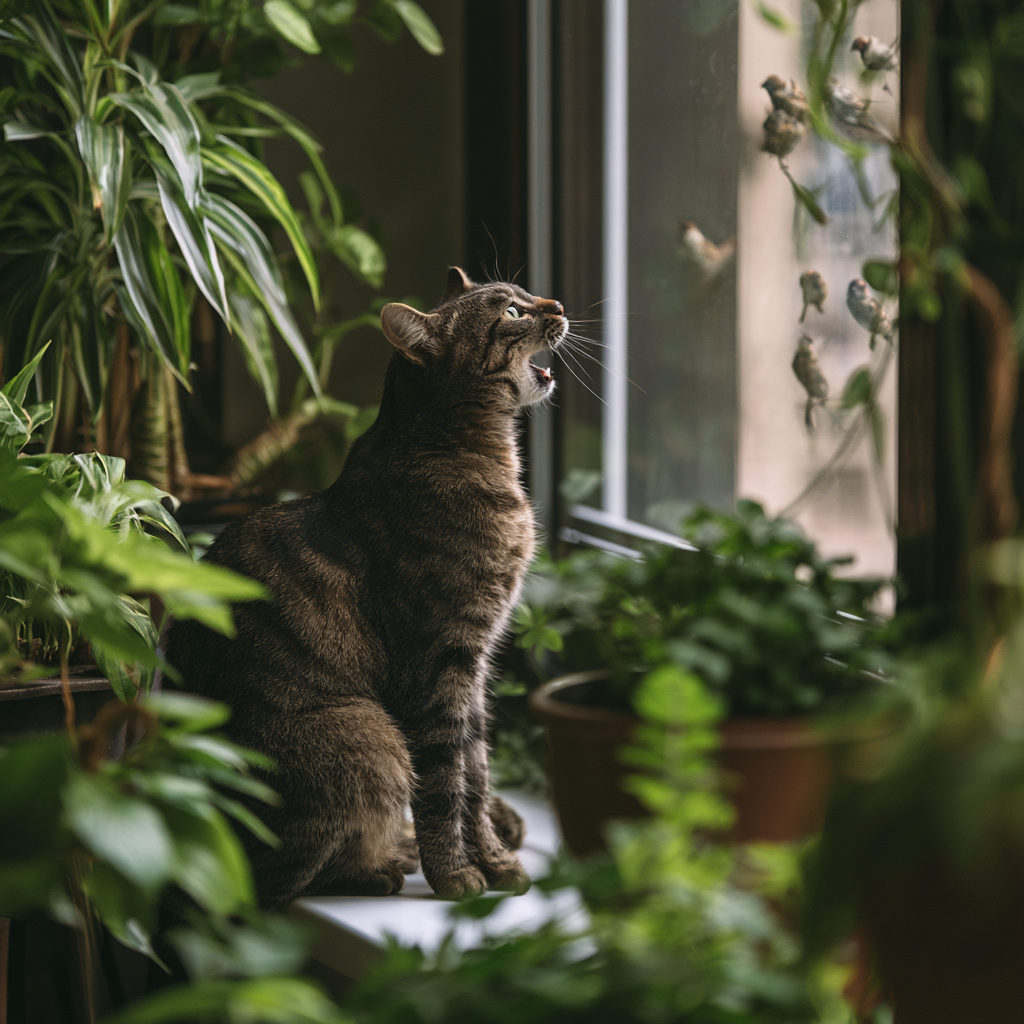
Emotionally, chirping can indicate a mixture of excitement and frustration. When a cat watches a bird from behind glass without the ability to chase, it may express its emotions through sound. The chirping serves as an outlet for these strong feelings, reflecting the cat’s eagerness to engage with its target. The intensity of chirping can also vary, with some cats producing soft chirps while others emit more pronounced calls, showcasing their personality and level of arousal in different situations. Notably, the fall and spring seasons can heighten chirping behavior as migratory birds return or young birds are learning to fly.
Chirping as a form of communication
Chirping might also function as a means of communication, either between cats or from a cat to its human companions. For instance, a cat may chirp to express interest or alert its owner to the presence of birds outside. This vocalization can be particularly prominent in multi-cat households, where competition for attention and resources might arise. Observing your cat’s interaction patterns and vocalizations can aid in discerning whether it is attempting to elicit a response from you or another cat, effectively reinforcing its social connections.
Understanding Your Cat’s Emotions
What chirping might indicate about your cat’s mood
Chirping can reveal a lot about your cat’s mood. A cat that chirps with a relaxed body posture and dilated pupils may be expressing playful excitement or curiosity. Conversely, if the chirping is accompanied by tense body language, such as a stiffened tail or flattened ears, it might indicate frustration or stress regarding the bird they cannot reach. In these moments, it’s essential to observe the entire context; chirping alone does not provide a complete picture of your cat’s emotional state. Paying attention to the circumstances in which your cat chirps can provide insights into its needs and feelings.
Signs of stress related to bird watching
While chirping is often an expression of excitement, it can also signal stress for some cats. If your cat exhibits excessive chirping together with other stress signals, such as hiding, aggressive behavior, or refusal to engage in normal activities, it may be feeling overwhelmed. The presence of frequent chirping without the context of environmental stimulation could hint at anxiety or frustration. It’s advisable to monitor situations that cause this stress response, as it can help create a comfortable environment for your cat, ensuring that it feels safe while indulging in its natural instincts.
Can Chirping Be Trained or Managed?
Can I train my cat to stop chirping?
Training a cat to stop chirping is a nuanced endeavor, as individual temperament plays a significant role in progress. Instead of seeing chirping as an entirely problematic behavior, consider it part of your cat’s instincts. Reducing instances might be more achievable than outright training to stop. Positive reinforcement strategies can help lessen excessive chirping, but it’s essential to focus on observing reactions to find an appropriate approach. For instance, if your cat tends to chirp when it wants attention, redirecting its focus onto stimulating toys or engaging with it during these moments may lessen the desire to respond vocally.
Creating a calm environment for bird-watching
Creating a peaceful atmosphere can help manage chirping behavior, especially for cats that become overly excited or stressed watching birds. Providing an enriching environment with various activities can redirect some of the cat’s focus away from the window. Consider the following tips to maintain a calmer bird-watching experience:
- Cover windows with sheer curtains to diffuse outside stimuli.
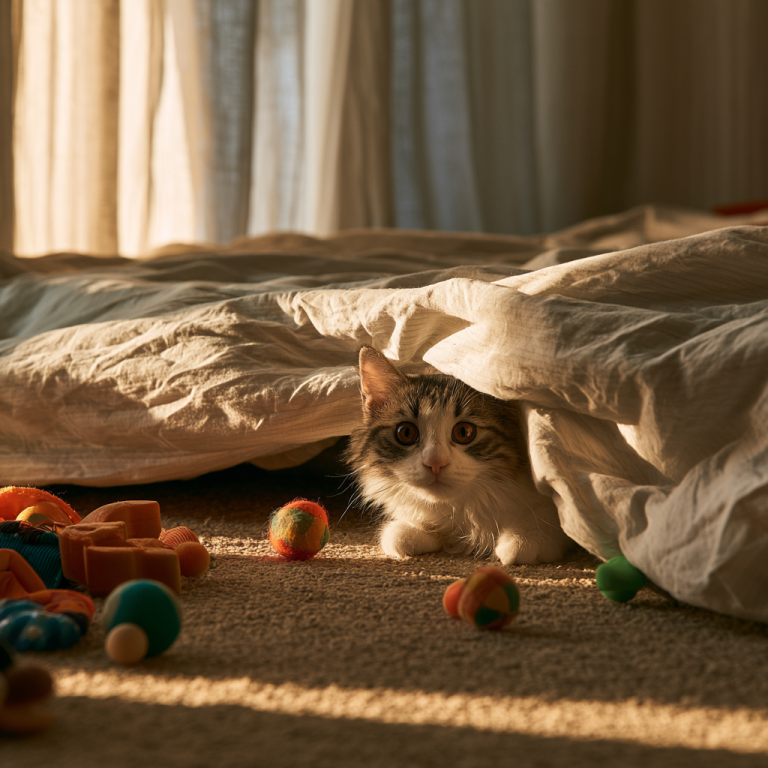
- Introduce engaging toys to capture your cat’s interest.
- Establish quiet zones where your cat can retreat when overwhelmed.
- Rotate cat toys regularly to maintain novelty and intrigue.
By offering alternative forms of stimulation, you can help mitigate the intensity of chirping while still allowing your cat to enjoy watching the birds.
Frequently Asked Questions
Why does my cat make chirping noises at birds?
Cats make chirping noises at birds primarily due to their hunting instincts and excitement when observing potential prey. This behavior reflects their desire to engage with the birds while also expressing a mix of emotional responses, such as frustration and anticipation.
Is chirping a sign of excitement in cats?
Yes, chirping is often a sign of excitement in cats, particularly when they are watching birds or small animals. It can indicate intense interest or eagerness to engage with what they see, although other emotions may also play a role.
Do all cats chirp at birds?
Not all cats chirp at birds, as individual personalities, experiences, and instincts greatly influence this behavior. While many cats exhibit this vocalization, some may prefer other forms of communication or express their interest in different ways.
What does it mean when my cat chirps frequently?
Frequent chirping can indicate that your cat is highly engaged with their environment, particularly if they see birds or other small animals. However, it could also suggest frustration if they are unable to reach or engage with the observed creatures.
Can I train my cat to stop chirping at birds?
Training your cat to stop chirping at birds may not be entirely possible since it’s often rooted in natural instincts. However, you can manage this behavior by redirecting their attention through play and creating a calm environment to reduce stimuli.