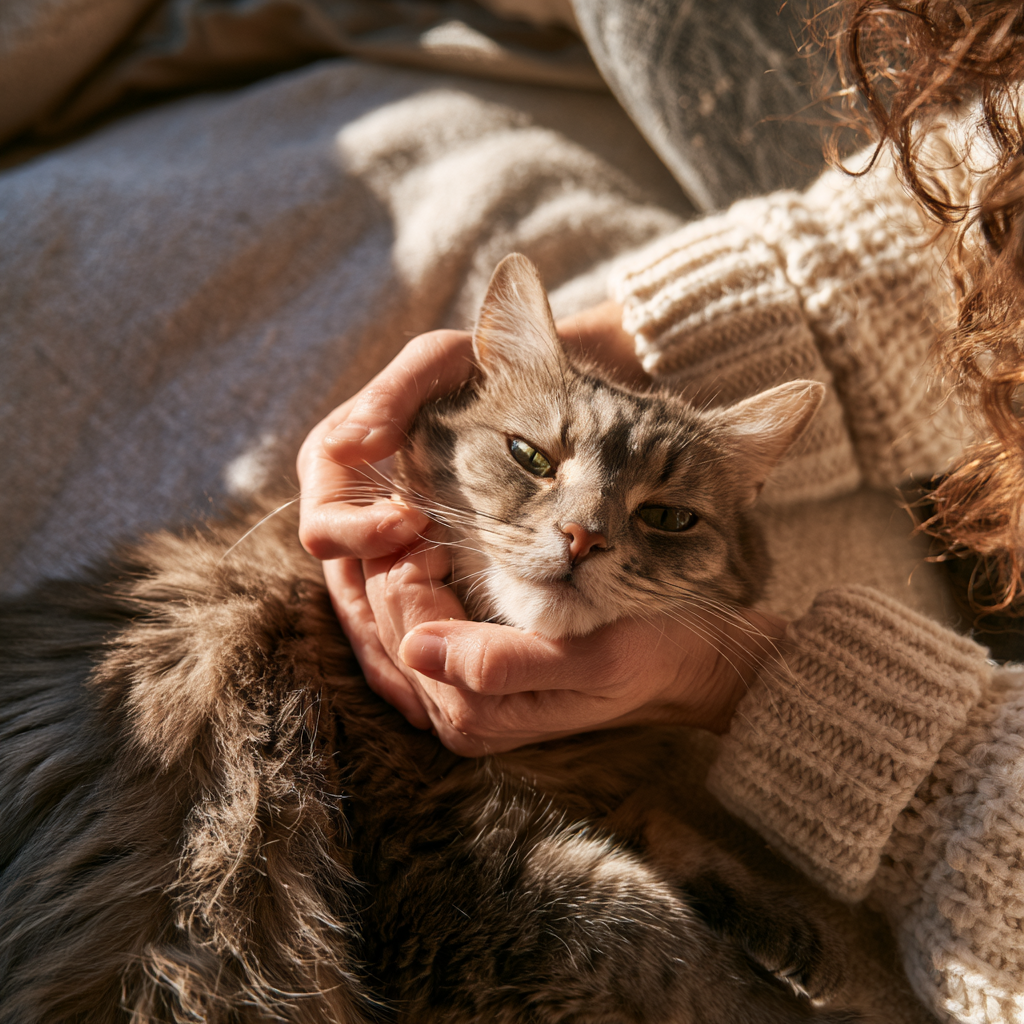
Cat Scruffing Safety: Best Techniques and Important Tips
When it comes to handling our feline friends, understanding cat scruffing safety is crucial for both the cat’s welfare and our own. Scruffing—a method often used to immobilize or calm cats—can be a valuable skill in certain situations, but it must be approached with knowledge and care. Misuse or misunderstanding can lead to stress or injury for your pet, making it essential to be well-informed about proper techniques and when scruffing is appropriate.
Quick answer: Cat scruffing can be safe and effective when done correctly, but it should not be used indiscriminately. Always observe your cat’s behavior and stress levels, and consider alternatives if necessary.
Understanding Cat Scruffing Safety
Why scruff a cat?
Scruffing can serve several purposes. Most commonly, it is used to securely hold a cat during veterinary examinations or when administering medication. By gently grasping the loose skin at the back of the neck, you can provide a sense of control without directly restraining the cat’s limbs, which may help calm anxious or frightened individuals. In some situations, scruffing can mimic a mother cat’s behavior, inducing a calming response in the kitten or young cat. However, not every cat responds positively to scruffing, so it’s crucial to gauge their individual temperament.
Signs of stress in cats
Identifying signs of stress is vital when considering scruffing. Watch for certain behavioral cues that may indicate your cat is uncomfortable or frightened. Common signs of stress in cats include:
- Flattened ears and a twitching tail.
- Vocalizations such as hissing or growling.
- Body tension, resulting in a stiff posture.
- Averted gaze or avoiding eye contact.
- Attempting to escape or hide.
Recognizing these signs can help you make informed decisions about whether scruffing is necessary, or if an alternative approach is better suited.
Proper Techniques for Cat Scruffing
How to safely scruff a cat
When scruffing a cat, it’s essential to proceed with caution and respect. Here’s a commonly recommended technique to follow:
- Firstly, ensure the environment is calm and free of distractions. This reduces the likelihood of heightened stress levels.
- Approach your cat slowly and allow them to acclimate to your presence before attempting to scruff.
- Using one hand, gently grasp the scruff, or loose skin at the back of the neck, while placing your other hand beneath their body for support.
- Lift the cat gently, keeping the body close to you. This provides stability and security for the cat.
- Be attentive to your cat’s body language. If they show signs of distress, cautiously release them.
Each cat may react differently, so it’s crucial to observe your pet throughout the scruffing process. Adjust your technique based on their response, always prioritizing their comfort.
Specific methods for scruffing kittens
Scruffing kittens requires particular attention, as their smaller bodies and developing nervous systems can make them more sensitive to handling. Here are some steps tailored for kitten scruffing:
- Ensure that the kitten is calm before attempting to scruff. Allow them to explore your hands and become familiar with your presence.
- Approach carefully, keeping movements slow and gentle.
- Gently grasp the scruff, ensuring that you’re holding a light pinch of skin—avoid pulling or gripping too tightly.
- Support the kitten’s body with your other hand, giving them a sense of stability.
- Monitor their reactions closely; if the kitten squirms or cries, gently release them and try again later.
This method should only be used when absolutely necessary, and it’s often better to consider other handling techniques to avoid inducing stress.
Recognizing When Scruffing is Appropriate
Evaluating a cat’s behavior pre-scruff
Before deciding to scruff a cat, it’s essential to evaluate their behavior. Observe your cat for any signs of fear or aggression, particularly in the context of handling. Some indicators that scruffing may be appropriate include:
- Your cat is displaying unusual resistance or is difficult to handle during necessary tasks, such as grooming or vet visits.
- They are in a safe environment with limited external stimuli to exacerbate stress levels.
- The situation necessitates secure handling (e.g., administering medication).
If your cat exhibits avoidance or aggression, consider delaying scruffing and opting for gentler approaches that may provide the same outcome without unnecessary stress.
Alternatives to scruffing
While scruffing can be effective in certain situations, it’s not always the best approach. Alternatives to consider include:
- Using a cat carrier for transportation or during vet visits, as this can provide a sense of safety.
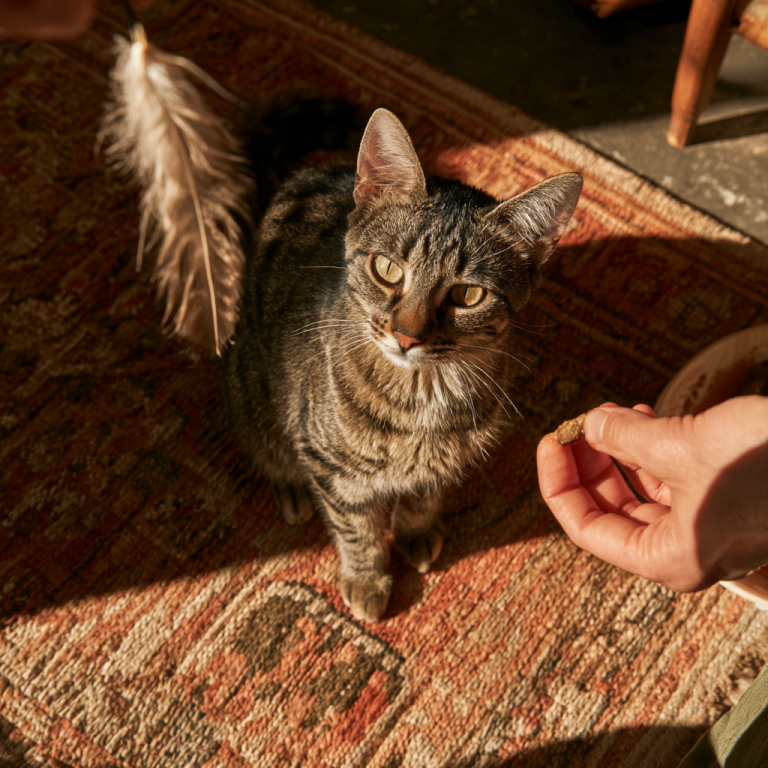
- Employing soothing voice tones, treats, or toys to encourage cooperation without the need for physical restraint.
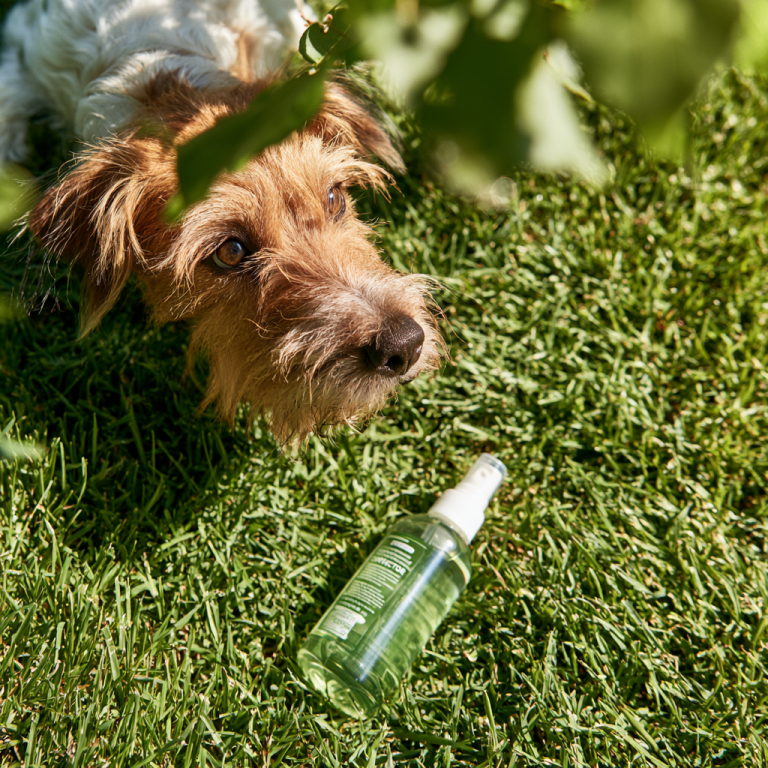
- Using pheromone sprays or diffusers to create a calming environment, which can alleviate stress during necessary procedures.
Choosing the alternative that suits your cat’s personality and the situation can lead to better outcomes for both of you.
Safety Considerations for Anxious Cats
Handling fearful or young cats
When handling fearful or young cats, extra precautions are necessary for their physical and emotional well-being. For anxious cats, reassurance is key; consider these tactics:
- Engage in quiet, soothing conversations and avoid sudden movements to create a calming atmosphere.
- Provide a secure and enclosed space to help them feel safe before any handling.
- Consider consulting a veterinarian or animal behaviorist for personalized advice if your cat displays consistent fear or aggression.
Young kittens especially require gentle handling to foster a trusting bond, setting the foundation for future interactions.
Responding to a struggling cat
If a cat struggles when being scruffed, it’s crucial to respond appropriately. Pay attention to their body language and listen to their cues. Here are some steps to follow:
- Immediately release the scruff and return the cat to a safe space if they show signs of distress or aggression.
- Take note of their reaction to refine your approach for the future. Observe whether they are anxious from the experience or if it was a temporary reaction.
- If necessary, consult a professional for additional strategies in handling difficult situations and to explore behavioral concerns.
Understanding the nuances of cat behavior allows for better interactions and a more positive relationship, ensuring you both feel secure during handling.
In conclusion, cat scruffing safety is an essential skill that requires an understanding of your cat’s behavior, signs of stress, and proper techniques. When done thoughtfully, it can be a useful tool, but it should always prioritize the comfort and emotional well-being of your feline friend.
Frequently Asked Questions
Is scruffing safe for all cats?
Scruffing may not be safe or appropriate for all cats, especially those that are anxious or fearful. It’s essential to evaluate a cat’s individual temperament and use scruffing only as needed in safe contexts.
How can you tell if a cat is stressed when scruffed?
Signs of stress in a scruffed cat can include flattened ears, aggressive vocalizations, stiff body posture, and attempts to escape. Observing these cues can help determine if scruffing is causing distress.
What are the best practices for scruffing a kitten?
When scruffing a kitten, approach them gently, use minimal pressure on the scruff, and provide support for their body. Always monitor their reactions and cease if they show signs of discomfort.
Are there any risks associated with scruffing a cat?
Yes, risks may include physical injury if not done carefully, as well as emotional trauma for the cat if they are frightened. It’s crucial to approach scruffing with knowledge and respect for the individual animal’s needs.
What should I do if my cat struggles when being scruffed?
If a cat struggles during scruffing, immediately release them and reassess the situation. Consider seeking advice from a professional to develop alternative handling techniques that suit their personality better.