How to Use a Pet Corrector Spray for Better Dog Behavior
How to Use a Pet Corrector Spray for Better Dog Behavior can be an essential tool for dog owners looking to modify undesired behavior in their pets. Understanding how and when to use this spray can significantly enhance your training efforts. By implementing corrector spray in conjunction with other training methods, you can foster a better environment for your dog, improving interactions and outcomes.
Quick answer: To use a pet corrector spray effectively, first identify the specific undesired behavior you want to address. Stand a few feet away from your dog and spray only when the wrong behavior occurs. By maintaining consistency in usage and combining it with positive reinforcement, you can significantly improve your dog’s behavior over time.
Understanding How Pet Corrector Spray Works
What is a pet corrector spray?
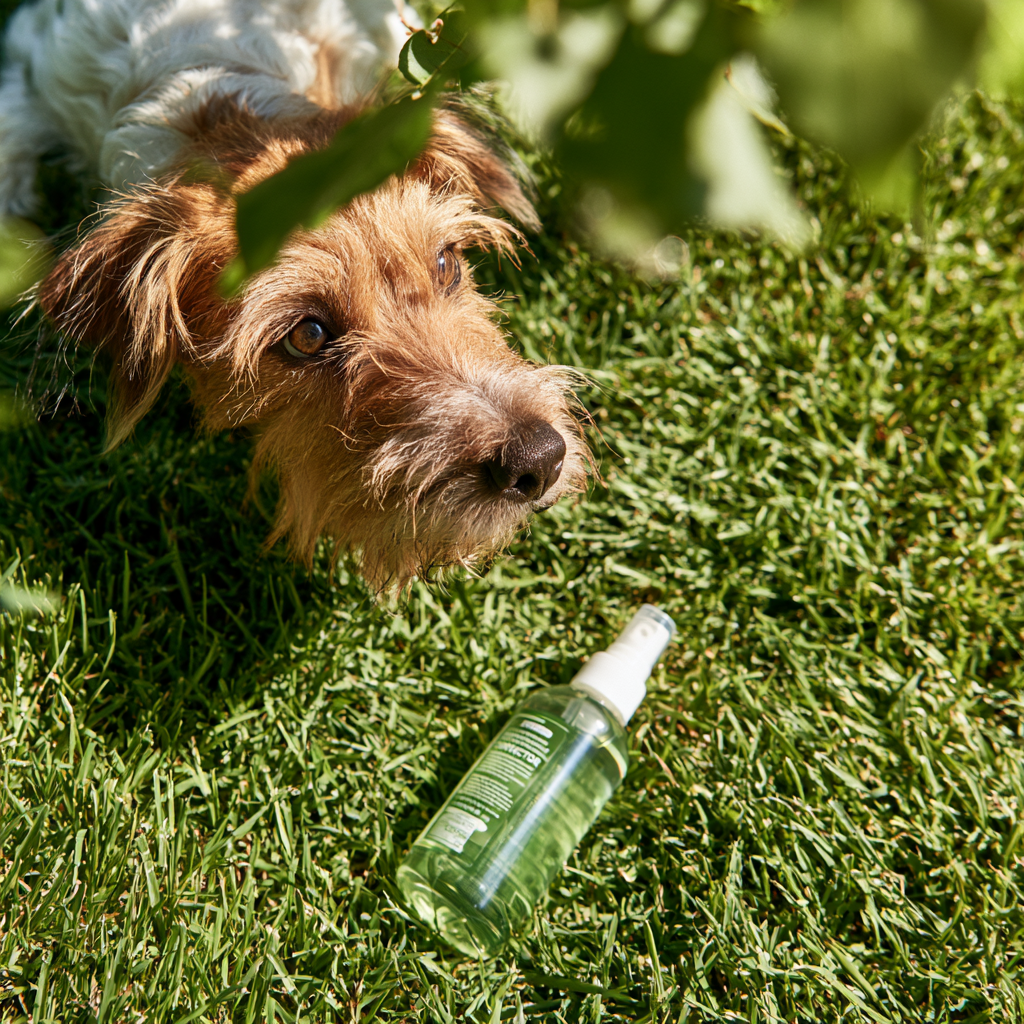
A pet corrector spray is a training tool designed to interrupt undesirable behaviors in dogs by emitting a short burst of compressed air or gas. The sound produced by the spray mimics a common aversive noise, which may capture the dog’s attention and momentarily distract them. Unlike physical punishment, these sprays rely on auditory stimuli to guide behavior modification, making them a less confrontational approach.
How does the spray affect dog behavior?
The principle behind using a pet corrector spray is based on the concept of operant conditioning, particularly aversive conditioning. When the spray is released in conjunction with an undesired behavior, the dog is likely to associate the sound with the action they were performing. Over time, this may lead to a decrease in that behavior as the dog learns to avoid actions that trigger the unpleasant noise. However, the effectiveness of the spray can vary greatly among individual dogs; factors such as temperament, past experiences, and sensitivity to sound play crucial roles in how a dog reacts to the spray.
How to Use a Pet Corrector Spray for Better Dog Behavior
Best Scenarios for Using Pet Corrector Spray
Pet corrector sprays are most beneficial in situations where the undesired behavior is specific and repeatable, such as:
- Excessive barking: Using the spray when your dog barks unnecessarily can help them learn to limit this behavior.
- Jumping on guests: Apply the spray when your dog jumps up to greet someone to inhibit this behavior effectively.
- Stealing food: If your dog has a habit of snatching food off the counter or table, the sound from the spray can deter them.
How to Introduce Your Dog to the Corrector Spray
Introducing the pet corrector spray to your dog should be done with care to minimize stress and anxiety. Follow these steps for effective introduction:
- Choose a quiet environment: Start in a distraction-free space to help your dog focus on the spray.
- Let your dog investigate: Hold the spray in an accessible position and allow your dog to sniff it without spraying it.
- Demonstrate the sound: Release a small burst of the spray while your dog is engaged in a neutral activity (like sitting or lying down) to help them associate the noise with something non-threatening.
- Use the spray sparingly: Begin using it in response to an undesired behavior, ensuring the timing is immediate for maximum effectiveness.
Always observe your dog’s body language when using the spray to gauge their reaction and adjust your approach if necessary.
Alternatives to Pet Corrector Spray
Positive reinforcement techniques
While pet corrector sprays can be effective, positive reinforcement methods are generally encouraged as the primary training strategy. These techniques focus on rewarding desirable behaviors rather than punishing unwanted actions. Examples include:
- Treats: Offer a treat when your dog obeys commands or displays appropriate behaviors.
- Praise: Verbal encouragement, such as saying “good boy” or “good girl,” can reinforce positive actions.
- Clicker training: Use a clicker to mark specific behaviors, followed by rewards, providing clarity about what you want them to repeat.
Combining these positive techniques with occasional use of pet corrector spray may yield better long-term results, as dogs often respond more positively to reward-based training.
Using other training tools
Aside from pet corrector spray, several other training tools can assist in promoting desirable behavior in dogs. Consider these options:
- Training collars: Some collars provide gentle corrections through vibrations or sounds when triggered by undesirable behavior.
- Deterring sprays: Sprays with scents that dogs dislike can also be effective for preventing specific behaviors, such as chewing on furniture.
- Barrier techniques: Physical barriers, like gates, can be used to manage your dog’s access to certain areas, discouraging unwanted behaviors.
Each dog is unique, and the effectiveness of these tools will depend on the individual dog’s personality and previous training experiences.
Recognizing Signs of Distress in Dogs
Signs that indicate anxiety or fear
It is critical to understand how your dog is feeling while using a pet corrector spray. Some signs of distress you should watch for include:
- Tucking the tail: A dog may tuck their tail between their legs when they feel threatened.
- Yawning: Excessive yawning can be a sign of stress, even during what seems like an ordinary moment.
- Averting gaze: If a dog looks away or turns their head, they may be showing signs of discomfort.
- Downloading cortisol: Heavy panting and pacing can indicate stress and anxiety levels that could rise with the introduction of the spray.
How to respond to distressed behavior
When your dog displays signs of distress, it’s crucial to take a step back and assess the situation. Here are some actions to take:
- Pause the training: If your dog seems anxious or fearful while using the spray, stop and give them a break. This helps to avoid reinforcing negative feelings.
- Provide comfort: Engage with your dog in a soothing manner, using calming tones and gentle petting to help alleviate their anxiety.
- Reassess your technique: If your dog shows distress when using the spray, consider reducing its frequency or incorporating more positive reinforcement methods instead.
By closely monitoring your dog’s reactions, you can adapt your training approach to suit their emotional needs better.
When considering how to use a pet corrector spray for better dog behavior, understanding both the tool and your dog’s response is critical. This well-rounded approach helps ensure successful behavior modification while maintaining a positive relationship with your pet.
Frequently Asked Questions
How does a pet corrector spray work?
A pet corrector spray works by releasing a hissing sound that startles your dog, interrupting unwanted behaviors and redirecting their focus. The sound serves as a temporary distraction to help guide your dog away from inappropriate actions.
When should I use a pet corrector spray?
Use a pet corrector spray in situations where immediate intervention is necessary, such as excessive barking, jumping on guests, or aggressive behavior. It should be employed as a tool to momentarily redirect attention rather than as a long-term solution.
Are there any risks to using a pet corrector spray?
Using a pet corrector spray may cause anxiety or fear in some dogs, especially if they are startled by the sound. It’s essential to monitor your dog’s reactions and to use the spray sparingly, ensuring it doesn’t contribute to negative associations.
How to get my dog used to the sound of the spray?
Gradually introduce your dog to the spray by allowing them to explore it without activating it, then lightly using the spray to acclimate them to the sound. Encourage positive associations with treats and praise to foster comfort when the spray is used for corrections.