Training Tips: Can You Really Train a Cat?
Training Tips: Can You Really Train a Cat? Many cat owners often wonder whether their feline companions can be trained in the same way as dogs. The answer is yes, but training a cat requires an understanding of their unique behaviors and motivations. In this article, we will explore various aspects of cat training, offering practical guidance to help you connect with your pet while teaching them valuable skills.
Quick answer: Yes, you can train a cat using consistent and positive reinforcement techniques. Understanding your cat’s behavior and motivations is essential for effective training.
Training Tips: Can You Really Train a Cat?
Understanding Your Cat’s Behavior
To effectively train a cat, we first need to comprehend how they communicate and behave. Cats express themselves through a range of behaviors, which can often be misinterpreted without careful observation. A cat’s body language is an essential indicator of its emotional state. For example, a cat that arches its back and raises its fur displays fear or aggression, whereas a cat that rubs against your legs may seek affection.
It’s also crucial to consider the context behind these behaviors. A cat might aggressively scratch the furniture when feeling bored or anxious, while purring can signify contentment or be a comfort-seeking behavior during stressful moments. Understanding these nuances can greatly aid in your training approach.
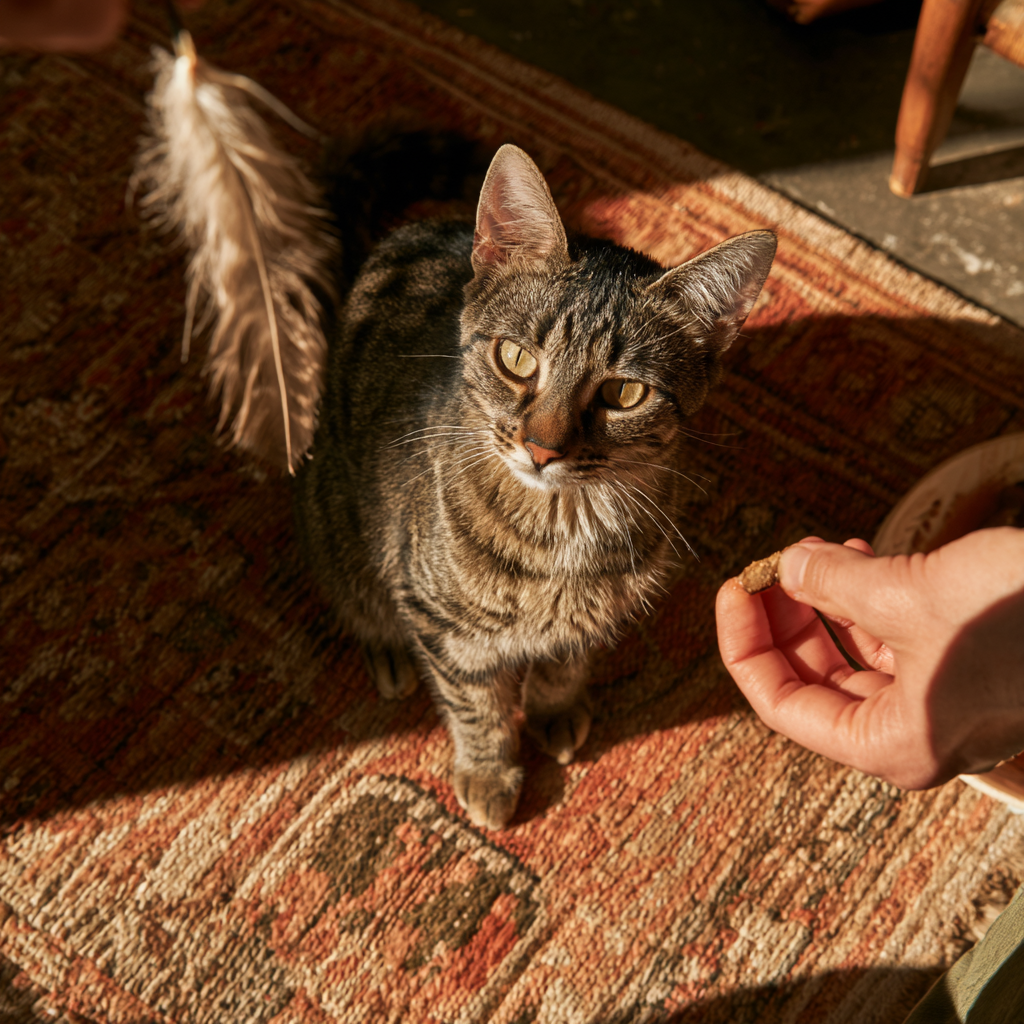
Kittens can exhibit high levels of curiosity and energy, making them more naturally inclined to explore new environments and activities. In contrast, adult cats may be more set in their habits and require different strategies to encourage training. For instance, a kitten might eagerly respond to a feather toy, while an adult cat may need a softer approach or additional time to warm up to new commands.
The Role of Positive Reinforcement
Positive reinforcement is the cornerstone of training strategies for cats. This approach encourages desired behaviors by rewarding them, making them more likely to be repeated. Rewards can come in various forms, such as treats, praise, or playtime. The key is to choose a form of reward that genuinely motivates your cat, as every cat has different preferences.
Timing is crucial when using positive reinforcement. Rewarding your cat immediately after they exhibit the desired behavior helps them make the connection between the action and the result. For example, if you’re teaching your cat to sit, say “sit” and give them a treat as soon as they do so.
That said, it’s essential to be mindful of rewarding too frequently. Over-rewarding can diminish the effectiveness of the reinforcements. Instead of treating your cat every time they perform the desired action, consider gradually reducing the frequency of treats while still offering praise. This technique, known as intermittent reinforcement, can help maintain the behavior without leading to overdependence on rewards.
Effective Techniques for Cat Training
Teaching Basic Commands
Training a cat to follow basic commands can be a rewarding experience. One popular command is “sit.” To teach this command, start by holding a treat above your cat’s head, encouraging them to look up. As they elevate their heads, their bottom is likely to lower to the ground naturally. When this happens, say “sit” and reward them with the treat.
Another useful command is “come.” You can teach this by calling your cat while gently shaking a treat bag or using a specific sound they associate with getting a treat, such as clicking a clicker. When they approach you, praise them and reward them promptly.
Additionally, litter box training can also be seen as a form of training. Most kittens will instinctively use a litter box if placed in it after meals or playtime. Once they use it correctly, immediately reward them to reinforce the behavior.
Addressing Common Training Challenges
Training cats can present various obstacles, from distractions to lack of motivation. One common challenge is a cat losing interest during training sessions. It’s helpful to schedule training during times when your cat is naturally more active, often after a meal or playtime.
For cats that become easily distracted, consider limiting their training environment. A quiet space, free from competing stimuli, will help them focus on you. Additionally, using a consistent cue or command can create structure that allows the training experience to be clearer for your cat.
If your cat shows hesitance or anxiety, remember to adjust your techniques accordingly. Start with shorter training sessions and gradually increase their length as your pet grows more comfortable with the process. Providing a calm, inviting atmosphere can also foster a sense of security, making it easier for your cat to engage and respond.
Patience and Commitment: Keys to Success
How Long Will Training Take?
The duration of training can vary significantly based on the individual cat. Factors such as the cat’s age, personality, prior experiences, and the complexity of the commands all play roles in determining how long it will take for your cat to learn. Kittens may adapt to new commands quickly, learning basic skills within a few sessions, while older cats may require more time to adjust to new behaviors.
Consistency is critical to successful training. Some cats may take several weeks or even months to master particular commands or behaviors. Regular, short training sessions are often more effective than infrequent longer ones.
Creating a Consistent Training Routine
Establishing a consistent training routine can significantly improve training outcomes. Schedule sessions at the same time each day to help create a habit, and make sure that all members of the household use the same commands and rewards to prevent confusion for your cat.
Incorporate training into your cat’s daily life, encouraging them to respond to cues during regular activities, such as asking them to sit before a meal or to come to you when called. Observing your cat’s mood and energy can also guide your training approach. If they seem tired or disinterested, it may be better to postpone the session rather than push them, reinforcing a positive experience.
In essence, the journey to train a cat is not merely about obedience but about building a deeper understanding and bond with your feline friend. By observing their behaviors, using positive reinforcement, and maintaining patience, we can foster a well-adjusted and happy cat.
Frequently Asked Questions
What are the best ways to train a cat?
The best ways to train a cat include using positive reinforcement techniques, establishing a consistent routine, and understanding your cat’s individual behavior and preferences. Short, frequent training sessions can also enhance their learning experience.
Can you train a cat to do tricks?
Yes, many cats can be trained to perform tricks such as “sit,” “high five,” or “roll over.” Using treats and positive reinforcement, along with patience, can encourage them to learn and enjoy performing tricks.
How long does it take to train a cat?
Training a cat can take anywhere from a few weeks to several months, depending on the complexity of the command and the individual cat’s temperament. Consistent short training sessions are often more effective than longer sessions.
What commands can I teach my cat?
You can teach your cat a variety of commands including “sit,” “come,” “stay,” “high five,” and even tricks like “roll over.” Starting with simple commands and gradually moving to more complex behaviors can help.
Is there a difference between training a cat and a dog?
Yes, training a cat differs from training a dog primarily due to their independent nature. While both respond well to positive reinforcement, cats may require more patience, and their training often takes longer to achieve consistent results.