How to Help a Shy Cat Become More Comfortable
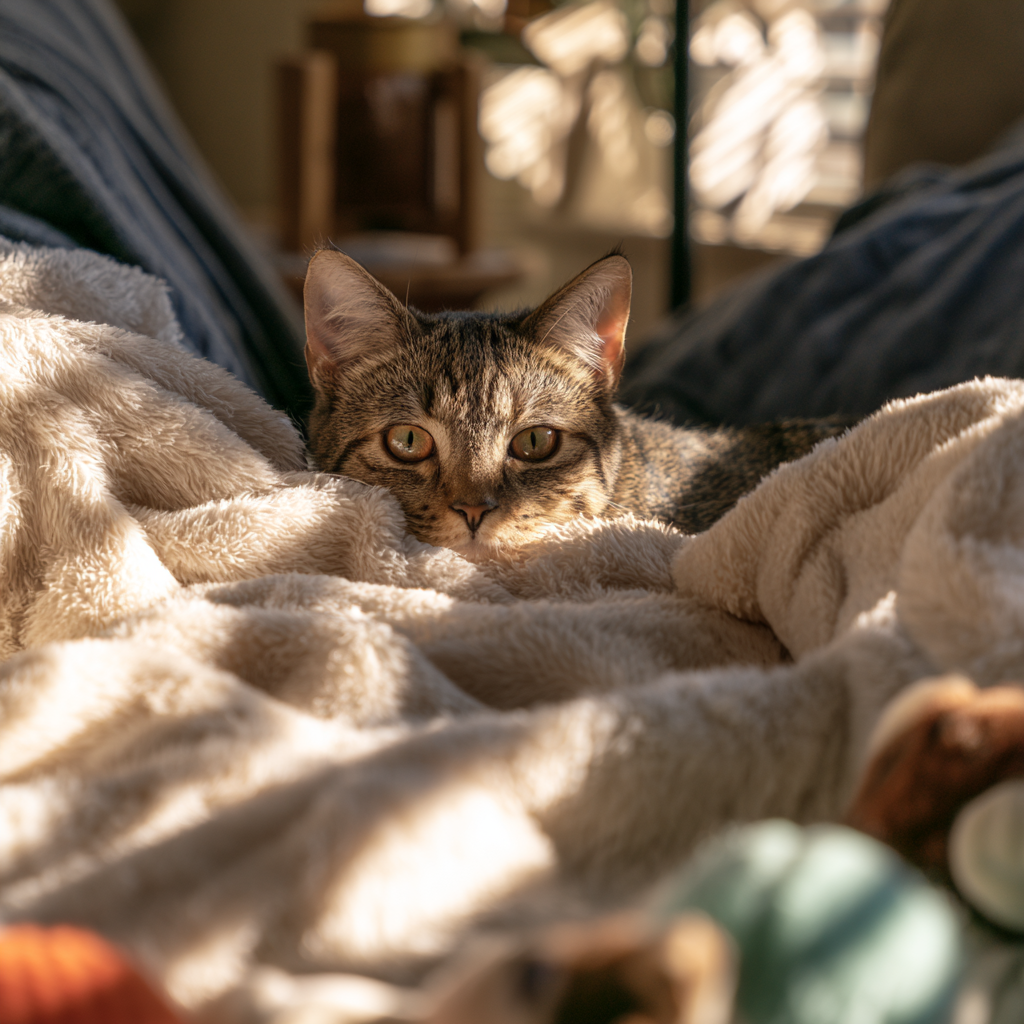
How to Help a Shy Cat Become More Comfortable is a common concern for many pet owners. Cats can be shy for various reasons, and understanding their behavior is the first step in helping them feel more secure in their environment. In this article, we’ll explore the underlying causes of shyness in cats, identify signs of discomfort, and provide effective strategies to support your feline friend in becoming more comfortable.
Quick answer: To help a shy cat become more comfortable, create a safe and secure environment, engage in patient interactions, encourage play, and follow gradual socialization techniques. It’s crucial to observe your cat’s reactions closely and adapt your approach based on their individual needs.
Understanding Your Shy Cat’s Behavior
What causes a cat to be shy?
A cat’s shyness can stem from a variety of factors, often linked to their early life experiences, genetics, and personality. Kittens raised in low-stimulation environments or prematurely separated from their mothers may develop fearful behaviors as they mature. Additionally, negative experiences with people, other animals, or even loud noises can lead to a long-lasting apprehension.
Some cat breeds are naturally more reserved; for instance, breeds like the British Shorthair or Russian Blue may exhibit shyer tendencies. However, it is essential to remember that individual personality traits and past experiences often play a more significant role in a cat’s behavior than breed alone. A shy cat may simply need more time to gauge their surroundings and establish a sense of trust with their human companions.
Understanding the specific triggers that contribute to your shy cat’s behavior can help you tailor your approach. For instance, if a particular sound or person seems to elicit fear or anxiety, mitigating those stressors can lead to a more confident feline.
Signs of discomfort in a shy cat
Recognizing the signs of discomfort is vital for enabling your shy cat to adjust more effectively. Common behaviors to watch for include:
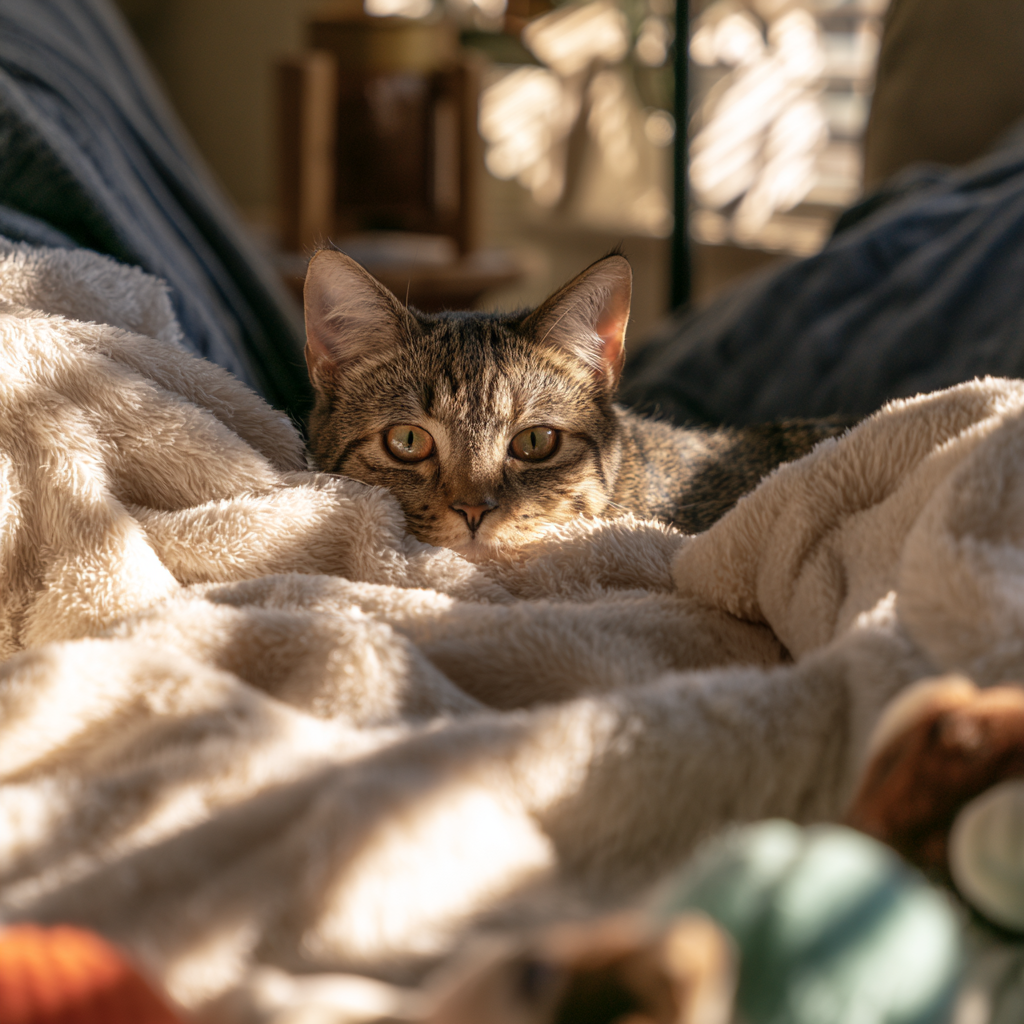
- Hiding or seeking refuge in confined spaces
- Flattened ears, dilated pupils, or a low body posture
- Avoidance of eye contact or turning away from humans
- Excessive grooming, which may indicate stress
- Swatting or hissing when approached too closely
- Vocalizations such as meowing or growling when feeling threatened
Observing these behaviors can provide insight into your cat’s comfort levels. When you notice signs of discomfort, it’s crucial to adjust your approach—whether that means giving them space, using calming pheromones, or providing a safe retreat like a cozy bed or hiding box.
How to Help a Shy Cat Become More Comfortable
Creating a safe and comforting environment
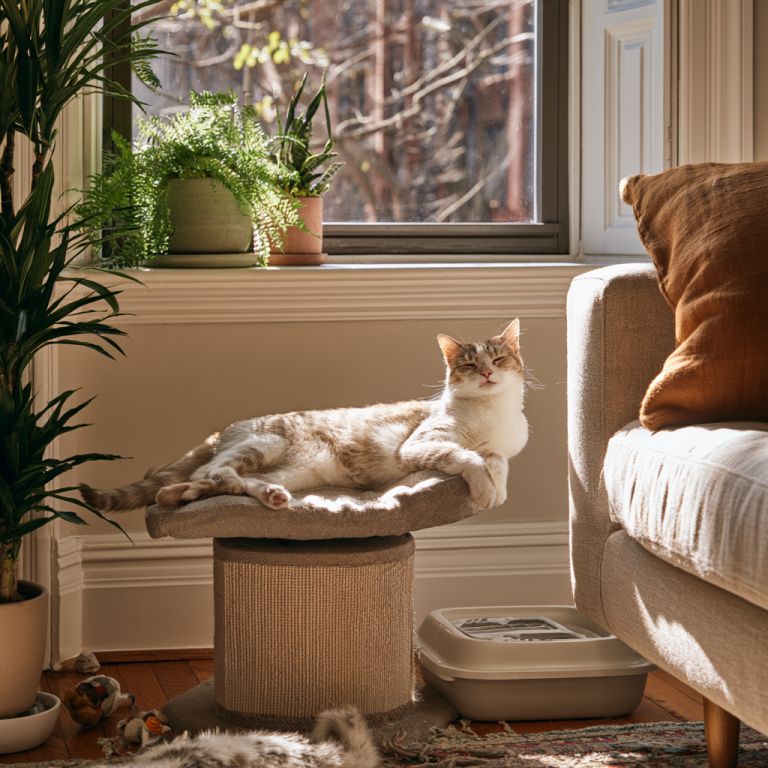
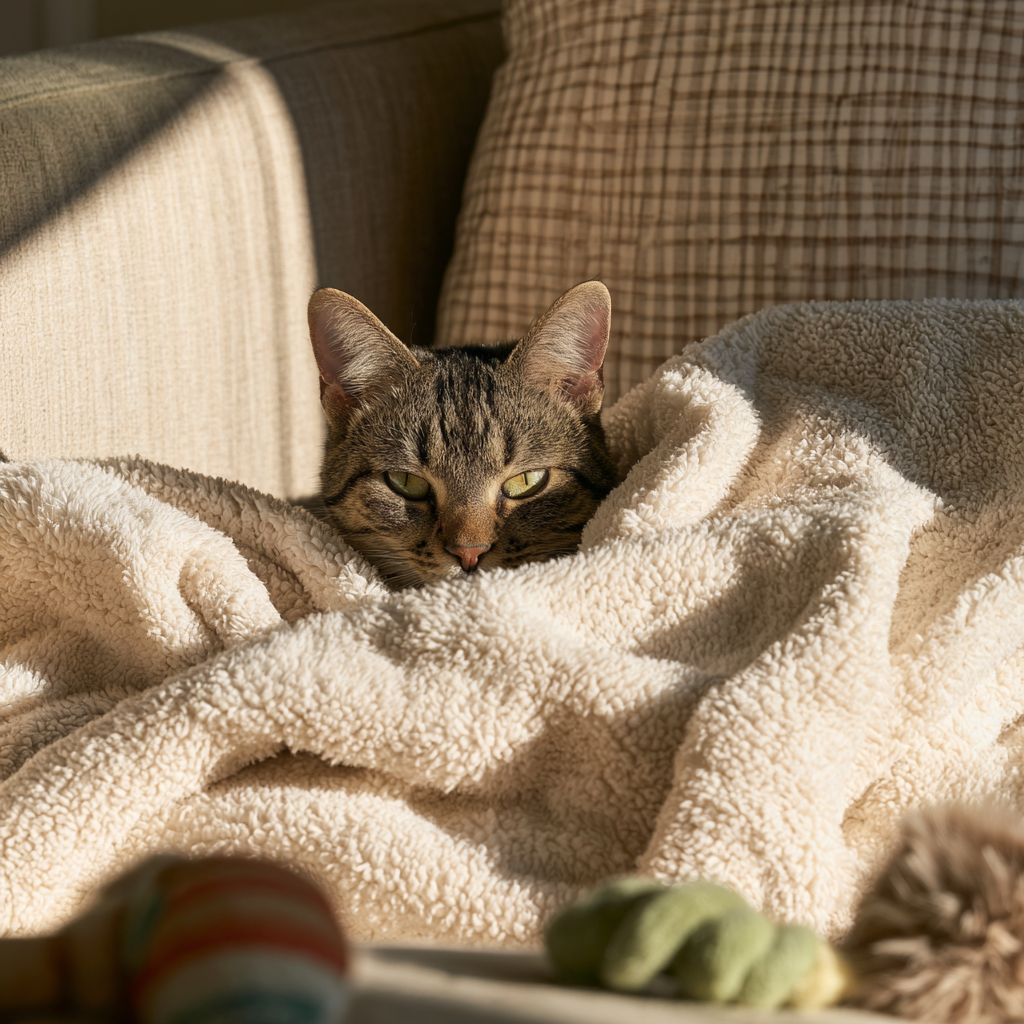
A secure atmosphere is fundamental for a shy cat to feel comfortable. Start by designating safe spaces throughout the home where they can retreat when feeling overwhelmed. These spaces should include cozy bedding, privacy, and minimal disturbances. Often, a quiet corner or even a cat tree that offers height can become a sanctuary for your shy cat.
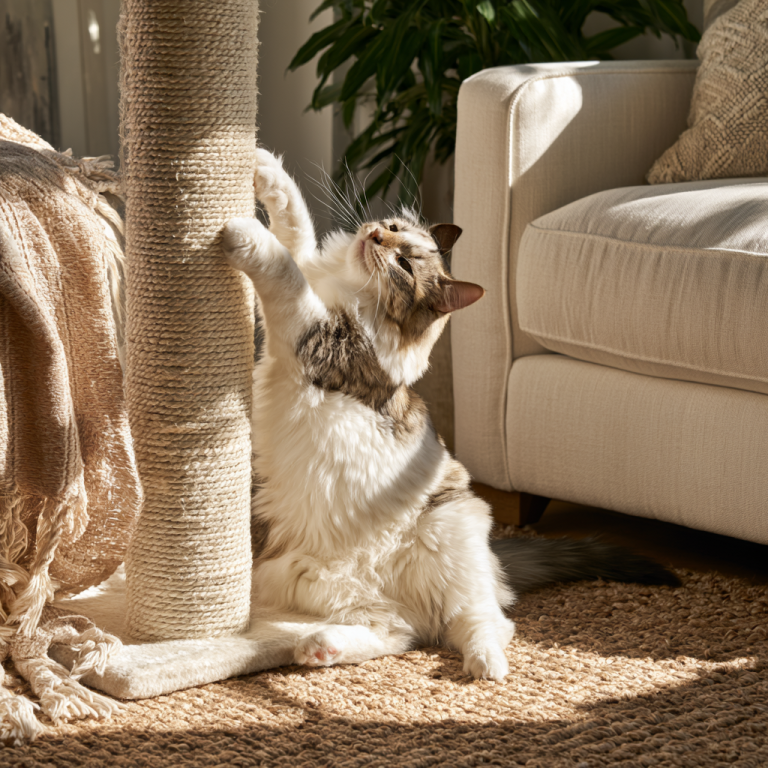
Be mindful of the overall environment. Reducing loud noises and sudden movements can greatly improve your cat’s comfort. If possible, use white noise machines or soft music to mask startling sounds. Placing scratching posts or toys near their safe spots can help create positive associations with those areas. Additionally, consider using calming products like pheromone diffusers, which can help reduce anxiety-inducing scents.
Offering consistent routines can also promote feelings of security. Regular feeding times, play sessions, and maintenance of a familiar space can aid your cat in feeling grounded. Clearly, the goal is to cultivate an environment that enhances their sense of safety and well-being.
Building trust through patient interactions
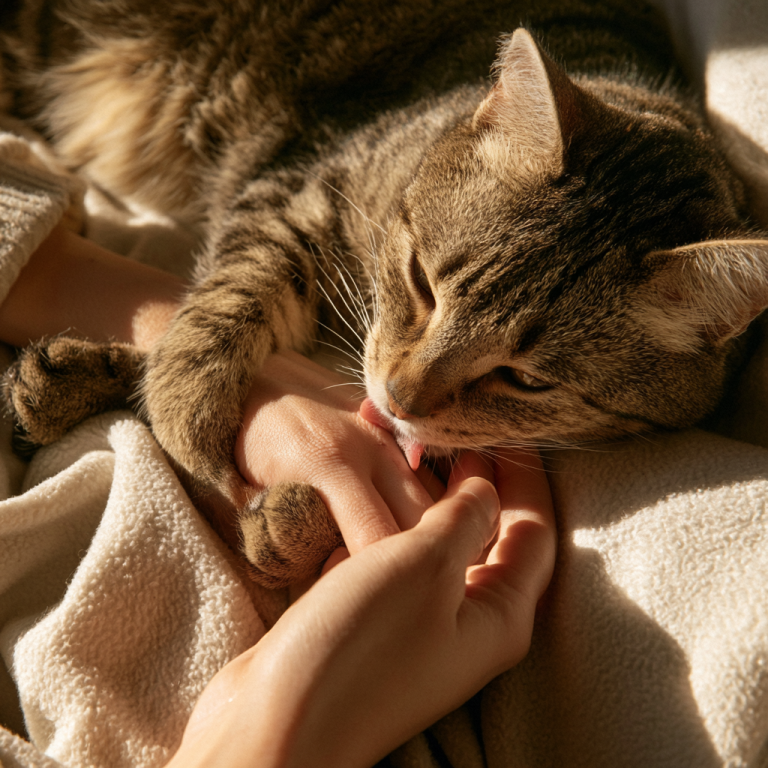
Building trust with a shy cat requires patience and understanding. Avoid initiating contact too abruptly; instead, allow your cat to come to you on their own terms. Start by using gentle, calming tones when speaking to them and allow them to approach you when they feel comfortable. This could involve sitting quietly in the same room, offering treats or toys from a distance, and gently encouraging interaction without forcing it.
If your cat displays discomfort—like hissing or backing away—it’s crucial to back off and give them space. Pressuring them into contact too soon can reinforce their fear and create distrust. Instead, revisit interactions later, gradually decreasing the distance or engaging in play that fosters togetherness.
Over time, you may notice your cat’s confidence increasing, often indicated by behaviors such as returning more frequently to your space or exhibiting curiosity. Always recognize these small victories and reinforce them with positive experiences.
Engaging play and activities for shy cats
Play is an essential aspect of helping a shy cat become more comfortable. Providing entertainment can ease their anxiety and establish emotional bonds between you and your feline friend. Consider introducing interactive toys such as feather wands, laser pointers, or even puzzle feeders, which stimulate their natural hunting behaviors.
When engaging a shy cat in play, observe their reactions closely. If they show interest, encourage them to explore new toys, but allow them to retreat if they become overwhelmed. A good practice is to encourage solo play while you are present, so they feel secure enough to engage without direct interaction.
Here are a few play strategies to consider:
- Start with gentle movements and let the cat decide how much to engage.
- Slowly introduce new toys one at a time; rotating toys may maintain interest.
- Observe and adjust your approach as needed based on their feedback and reactions.
Recognizing when your cat is enjoying themselves is key. Signs of contentment during play include purring, tail tailing, or focused play behavior. If they seem distressed, stop and give them a chance to unwind.
Gradual socialization techniques to improve confidence
Socialization for a shy cat should be approached incrementally and thoughtfully. Begin by introducing them to new people or environments at a controlled pace. Allow your shy cat to observe these interactions from a distance, gradually incorporating closer contact as they express interest.
Slow introductions to new people or other pets can be beneficial, maintaining a low-stress atmosphere throughout the process. Sometimes, having guests ignore the cat entirely at first can help them feel more comfortable when they are ready to engage.
Remember to monitor your cat’s behavior constantly during these socialization attempts. Should signs of distress arise, such as hiding or growling, it’s important to withdraw and reassess next steps. Maintaining a flexible approach based on your cat’s feedback is crucial.
In conclusion, helping your shy cat become more comfortable is a journey that requires understanding their behavior, patience in building trust, and providing engaging activities while ensuring their environment remains secure. With empathy and awareness, you can foster an enriching relationship that empowers your feline companion to flourish in its own time.
Frequently Asked Questions
How long does it take for a shy cat to adjust?
The adjustment period for a shy cat can vary widely, often taking anywhere from a few weeks to several months, depending on the individual cat and its background. Consistent patience and gentle interactions are key to helping it acclimate more comfortably.
What are the best toys for shy cats?
Toys that promote gentle engagement, like feather wands or laser pointers, can be effective for shy cats. Solo activities that allow the cat to explore without pressure, such as food puzzles or hidden treats, also encourage confidence.
Can a shy cat become more outgoing?
Yes, with patience, a safe environment, and positive interactions, many shy cats can gradually become more outgoing. Each cat’s journey towards confidence will differ, and it’s important to respect their individual pace.
How should I approach a shy cat?
When approaching a shy cat, start by maintaining a calm and non-threatening posture. Approach slowly, speak softly, and avoid direct eye contact initially, allowing the cat to come to you when ready.
What are signs my shy cat is feeling comfortable?
Signs of comfort in a shy cat can include spending more time in open areas, relaxing body posture, initiating interaction, and responsive behavior, like purring or gentle head-butting.
Should I leave my shy cat alone?
Yes, it’s important to give a shy cat space when it desires it. Allowing them to retreat when they feel overwhelmed can build their sense of security, while gradually increasing positive interactions as they become more comfortable is essential.