How to Calm a Dog During a Thunderstorm: Effective Techniques
How to Calm a Dog During a Thunderstorm can be a daunting challenge for many pet owners. Thunderstorms can trigger anxiety in dogs, making them feel frightened and vulnerable. Understanding how to address this fear can help create a calmer environment for your furry friend. With the right techniques and preparations, you can significantly ease your dog’s anxiety during these stormy times.
Quick answer: To calm a dog during a thunderstorm, start by creating a safe and comfortable space for them, employing calming techniques such as soothing music or pressure wraps, and utilizing desensitization methods to reduce fear over time. Additionally, consider natural remedies, but consult a veterinarian for proper guidance.
Understanding Thunderstorm Anxiety in Dogs
What causes anxiety in dogs during storms?
Thunderstorm anxiety in dogs often arises from a combination of factors, including loud noises, bright flashes of lightning, and the potential for barometric pressure changes. Many dogs may associate thunderstorms with past negative experiences, such as being frightened during a storm without any comforting presence.
Some specific triggers that can contribute to this anxiety include:
- Sound sensitivity: Dogs possess acute hearing, making them more susceptible to loud thunder claps, heavy rain, or strong winds.
- Static electricity: During storms, static buildup can create uncomfortable sensations on a dog’s fur, leading to disorientation or fear.
- Environmental changes: Shifting weather patterns before a storm can cause behavioral changes in dogs, adding to their unease.
Understanding these underlying causes is crucial for effectively managing their anxiety, equipping you with the knowledge needed to implement appropriate strategies.
Signs of anxiety in dogs during thunderstorms
Recognizing the signs of anxiety in your dog during thunderstorms is essential for addressing their needs effectively. Symptoms can vary widely between dogs but typically include:
- Vocalizations: Barking, whining, or howling may indicate distress.
- Restlessness: Pacing, panting, or difficulty settling down can reflect anxiety.
- Avoidance behaviors: Seeking hiding spots, such as under furniture, or trying to escape are common responses to fear.
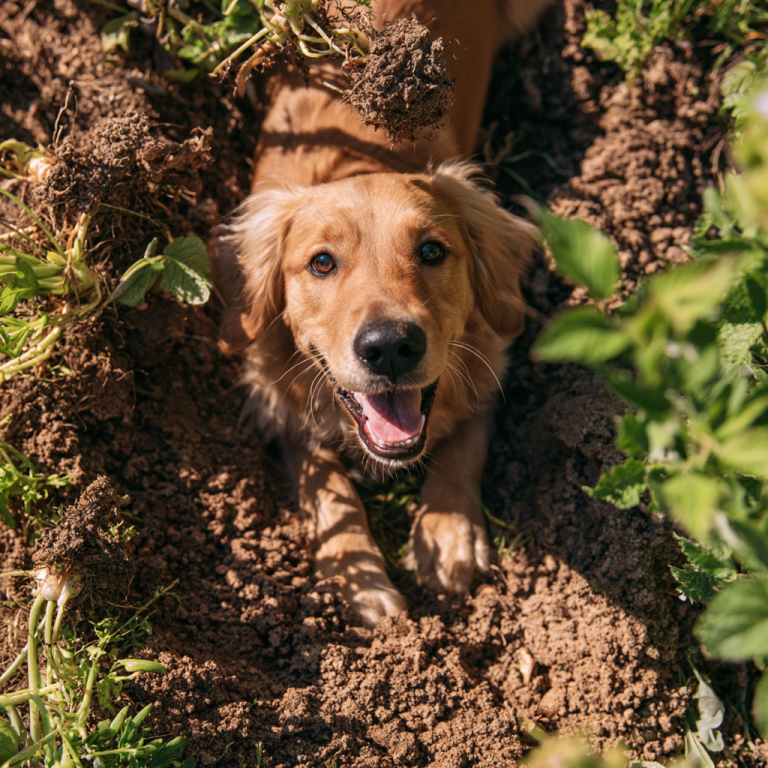
- Destructive behavior: Chewing furniture or digging may indicate a frantic attempt to escape the perceived threat.
- Signs of physical discomfort: Drooling, trembling, or flat ears are often visible indications of fear.
By being aware of these signs, you can more effectively gauge the intensity of your dog’s anxiety and tailor your calming efforts accordingly.
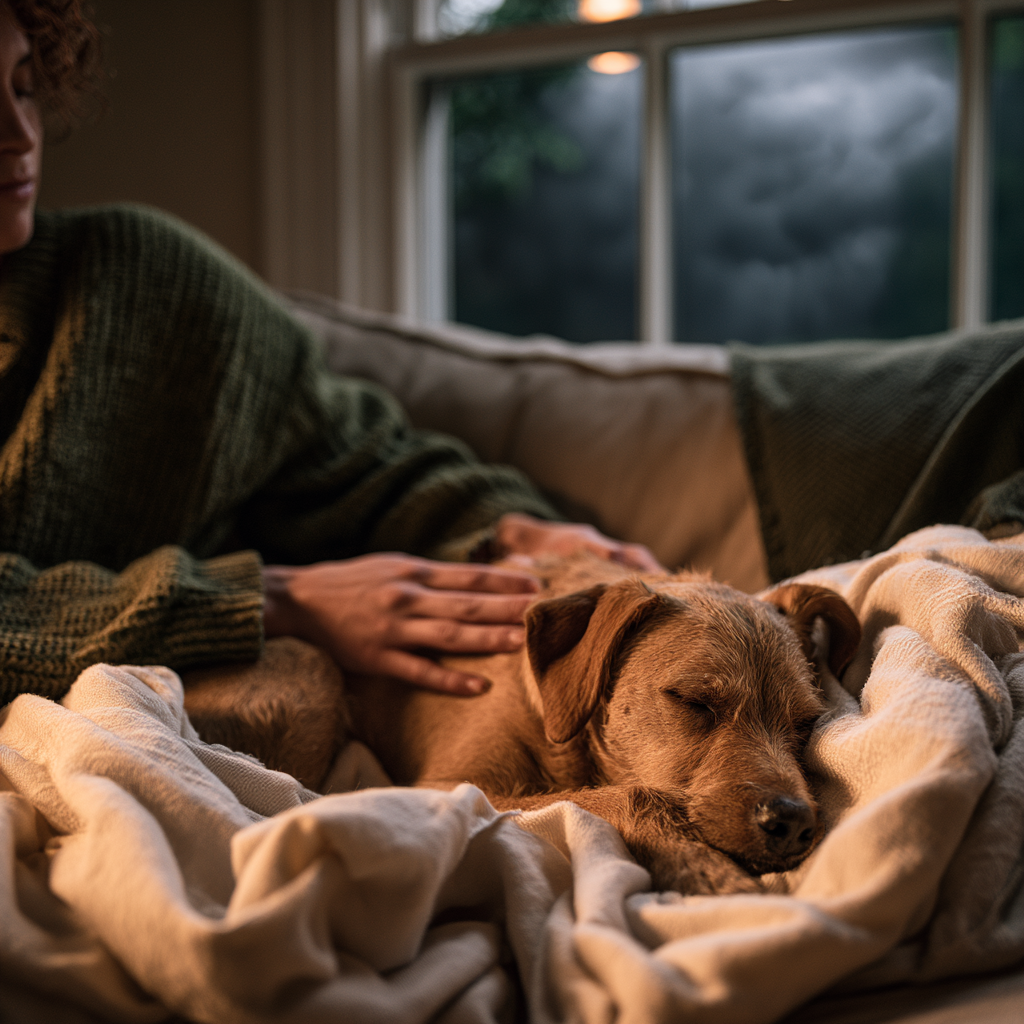
How to Calm a Dog During a Thunderstorm
Creating a safe space for your dog
A secure, calming environment can make a significant difference for a dog experiencing anxiety during a thunderstorm. Here are steps you can take to create a safe space:
- Choose a quiet area: Find a room away from windows and loud outside noise, like a basement or a small interior room.
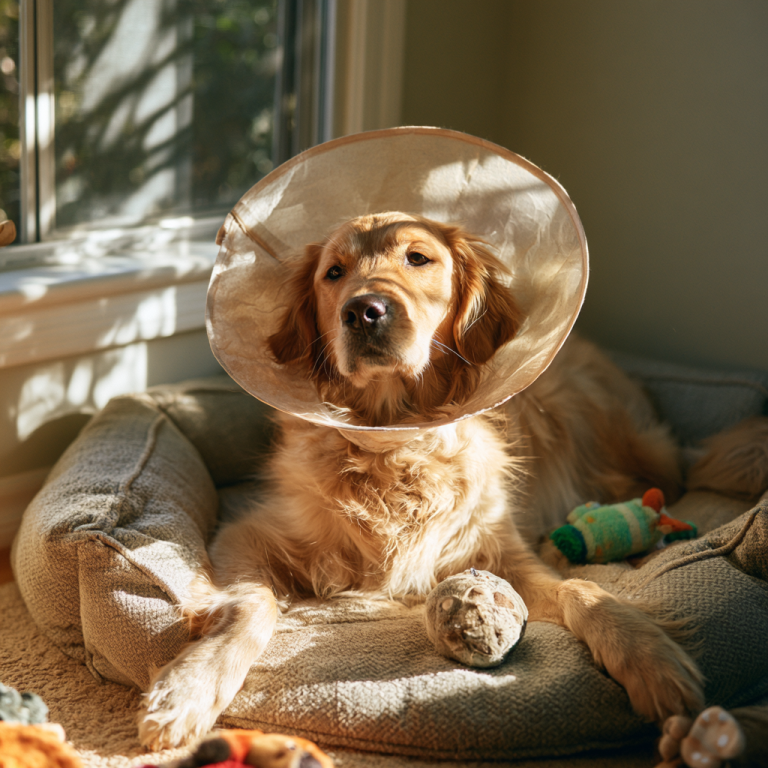
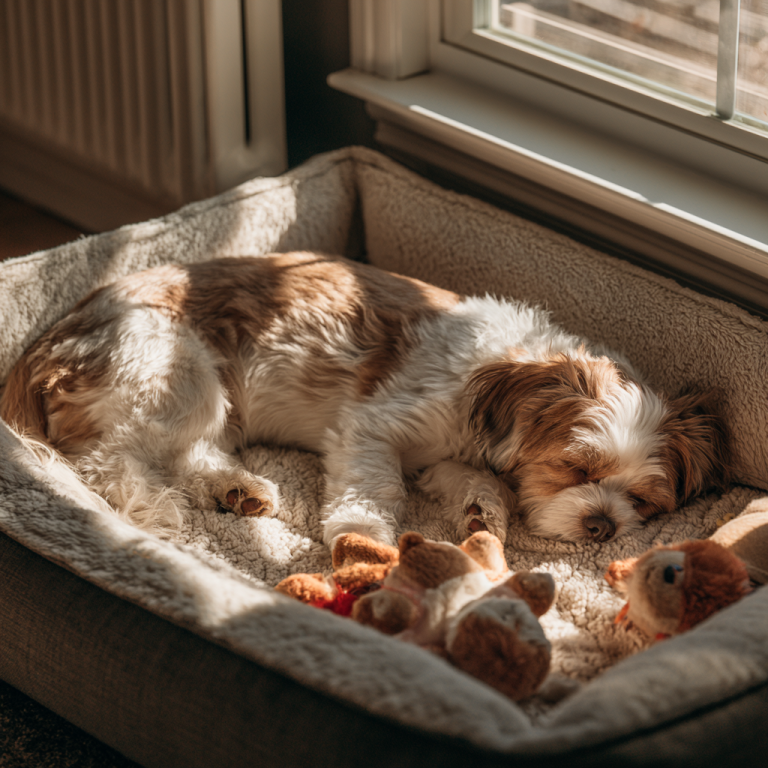
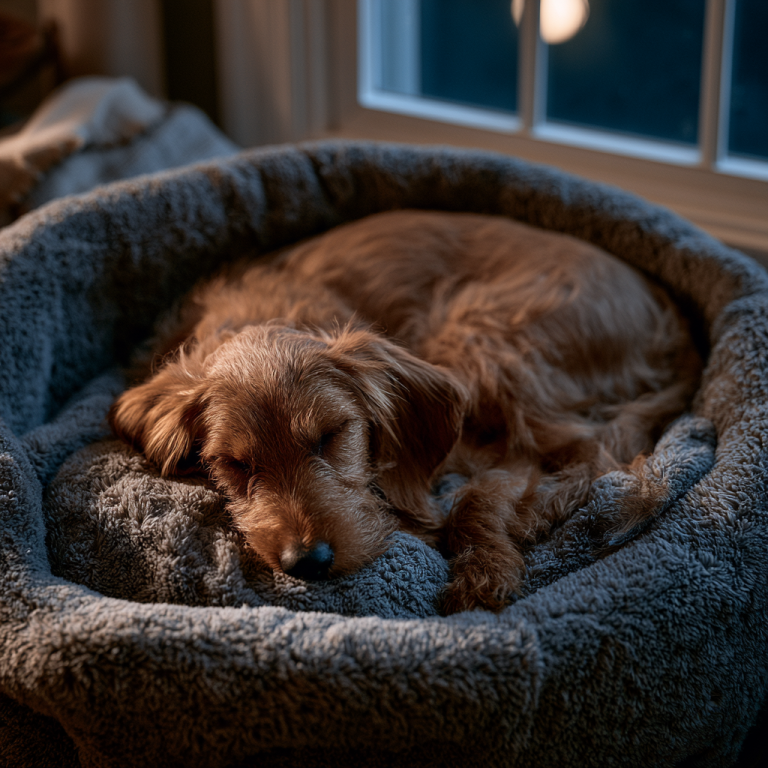
- Comfortable bedding: Equip the chosen space with your dog’s favorite blanket or bed to make it inviting.
- Familiar scents: Incorporate items with your scent or your dog’s favorite toys, which can help build a sense of security.
- Calming music or white noise: Use soothing music or white noise machines to help mask the sounds of the storm.
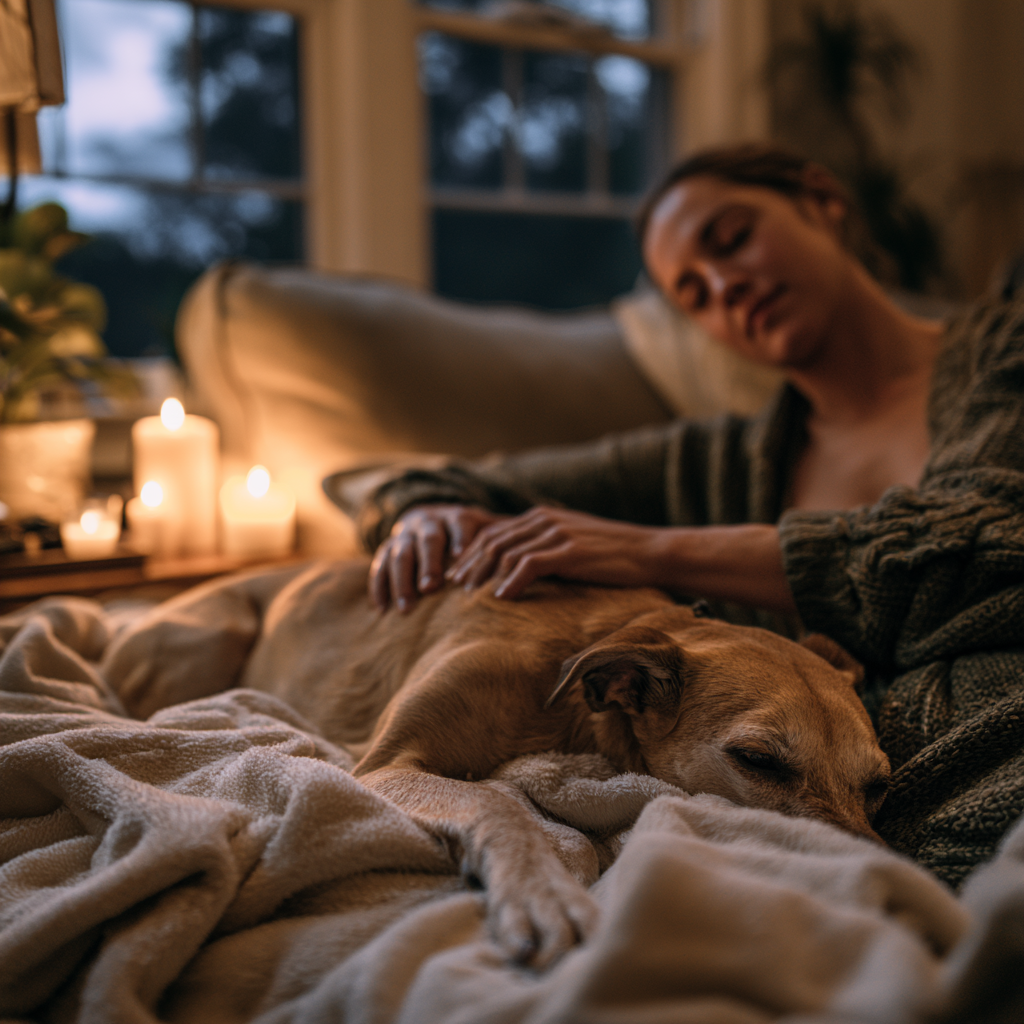
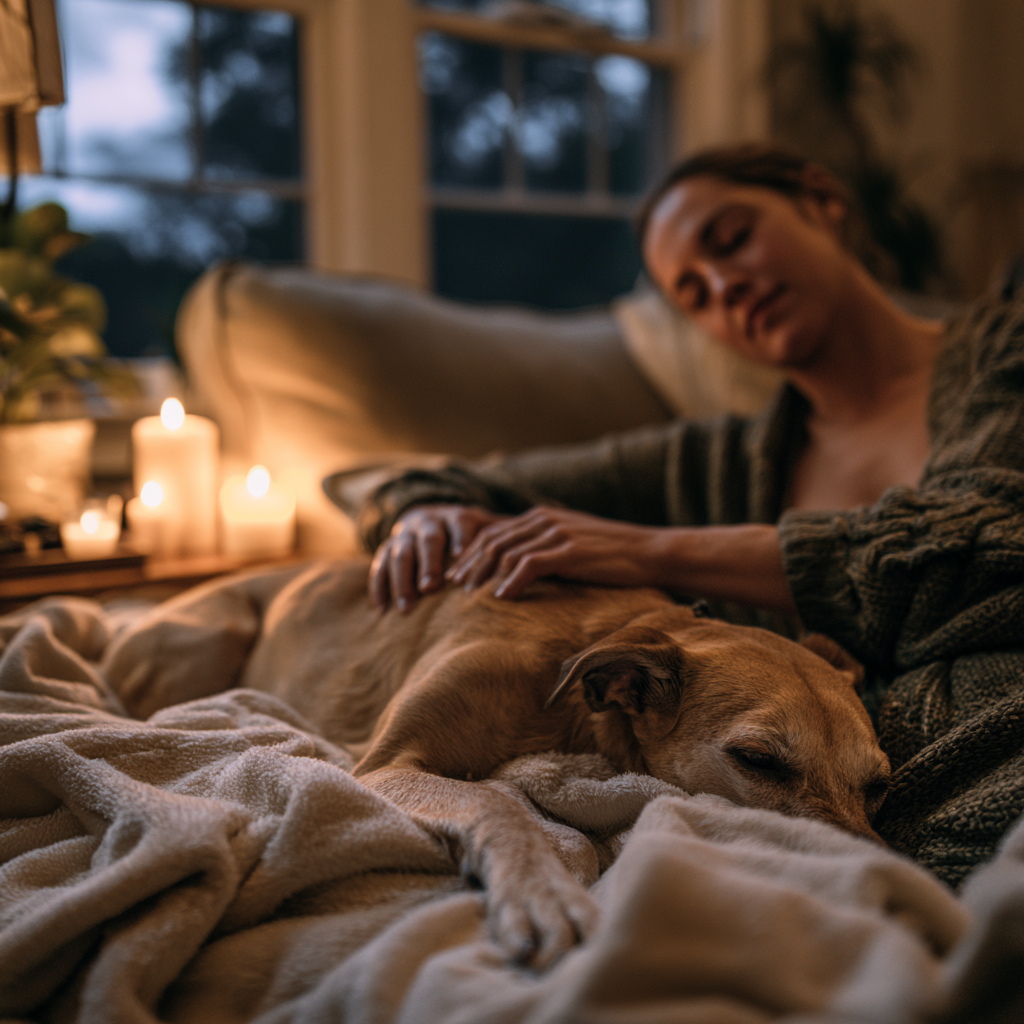
- Stay nearby: Whenever possible, remain with your dog in this safe space to provide reassurance and comfort.
By creating a designated safe area, you give your dog a refuge where they can feel secure and protected during the storm.
Calming techniques and tools
Several calming techniques can be effective in managing your dog’s anxiety during thunderstorms. Consider trying the following methods:
- Pressure wraps: Products like the Thundershirt apply gentle pressure around your dog’s body, which may have a calming effect for some dogs.
- Calming pheromone diffusers: These mimic natural pheromones that can promote a sense of calm and security.
- Relaxation exercises: Teach your dog basic commands, like “sit” or “stay,” and reward them when they display calm behavior.
- Soothing supplements: Some over-the-counter calming supplements may help, but it’s essential to consult with your veterinarian before introducing new products.
Employing these techniques can help your dog feel more at ease during storms, reducing the intensity of their anxiety.
Using desensitization techniques
Desensitization is a gradual process that involves exposing your dog to the sound and sensations associated with thunderstorms in a controlled manner. This strategy can help your dog become less reactive over time. Here’s how to implement desensitization:
- Start with recordings: Play recordings of thunder and rain at a low volume while providing treats and praise for calm behavior.
- Gradually increase volume: As your dog becomes more comfortable, slowly increase the volume of the recordings while continuing to reward calm behavior.
- Simulate a storm: Use a sound machine or play thunderstorm simulations to mimic storm conditions safely without actual weather interference.
- Practice regularly: Repeat these exercises regularly to reinforce your dog’s tolerance to the sounds associated with storms.
Patience and consistency are crucial in desensitization. Monitor your dog’s responses closely, adjusting the pace as needed to ensure their comfort.
Monitoring your dog’s behavior
It’s important to closely observe your dog’s behavior leading up to and during a storm. This can help you identify patterns and specific triggers. Here are examples of behaviors to monitor:
- Pacing or restlessness: If your dog starts to walk in circles or can’t seem to settle, they may be experiencing increased anxiety.
- Vocal signs: Sudden barking or whimpering could indicate that your dog is becoming increasingly uncomfortable.
- Physical stress signals: Look for signs like lip licking or yawning, which can indicate stress.
- Attempts to hide: If your dog seeks out hiding spots, this behavior may suggest they feel threatened by the storm.
By understanding your dog’s behavior, you can adjust your approach in real-time, ensuring their comfort and emotional safety during a storm.
Natural and alternative remedies for dog anxiety
Natural and alternative remedies can provide additional support in managing your dog’s anxiety during thunderstorms. However, it is critical to consult your veterinarian before introducing any new remedies to ensure they are safe for your dog. Here are a few options to consider:
- Chamomile: Often used for its calming properties. Dosage typically ranges from 0.1 to 0.2 grams per 10 pounds of your dog’s weight, but check with your vet for specific recommendations.
- Lavender essential oil: Known for its soothing effects, it can be diffused in the safe space or lightly applied to bedding. Dose should be diluted at 0.5% to 1% for safety.
- Valerian root: Can promote relaxation but should be given with caution; consult your veterinarian for appropriate dosages based on your dog’s size and health.
While these remedies can be beneficial, they should not replace other calming strategies. Always observe your dog’s reactions to any new remedy, and stop use if any adverse reactions occur.
With these techniques and preparations in hand, you can greatly improve your dog’s experience during thunderstorms. If after trying these methods your dog still exhibits severe anxiety or distress, seeking professional help from a veterinary behaviorist may be necessary to explore additional options and therapies tailored to your dog’s needs.
Frequently Asked Questions
What are the signs of dog anxiety during a thunderstorm?
Signs of dog anxiety during a thunderstorm can include excessive barking or vocalization, hiding or seeking shelter, destructive behavior, restlessness, and physical symptoms like panting or trembling. Observing these behaviors can help you identify when your dog is feeling distressed.
How can I create a safe space for my dog?
To create a safe space for your dog during a thunderstorm, choose a quiet area away from the noise, such as a crate or small room, and enhance it with familiar bedding, toys, and personal items. Consider using anxiety wraps and ensuring the space is dimly lit and free from distractions.
Are there calming products for dogs?
Yes, there are various calming products available for dogs, including anxiety wraps, calming pheromone diffusers, and supplements like melatonin or CBD oil. Consulting your veterinarian before using these products can ensure they are appropriate for your dog’s individual needs.
What natural remedies can help soothe my dog?
Natural remedies such as herbal supplements (e.g., chamomile and valerian), essential oils (e.g., lavender), and aromatherapy can help soothe anxious dogs. Always discuss with your veterinarian to ensure these remedies are safe and suitable for your particular dog.
How can I help my dog feel safe during a storm?
To help your dog feel safe during a storm, create a comforting safe space, engage in calming techniques like gentle massage, and monitor their behavior to provide support. Implementing desensitization techniques and using natural or alternative remedies can also foster a greater sense of safety.