
Why Do Dogs Chase Their Tails? Understanding the Behavior

Why Do Dogs Chase Their Tails? This question often intrigues pet owners, especially when they observe their canine companions spinning in circles, fixated on their own rear ends. While this quirky behavior can seem amusing or baffling, understanding the reasons behind it can help ensure your dog’s overall well-being.
Quick answer: Dogs chase their tails for a variety of reasons, including playfulness, curiosity, and instinctual behavior. While it can be normal, excessive tail chasing may indicate boredom or anxiety that needs addressing.
Why Do Dogs Chase Their Tails?
Understanding normal dog play behavior
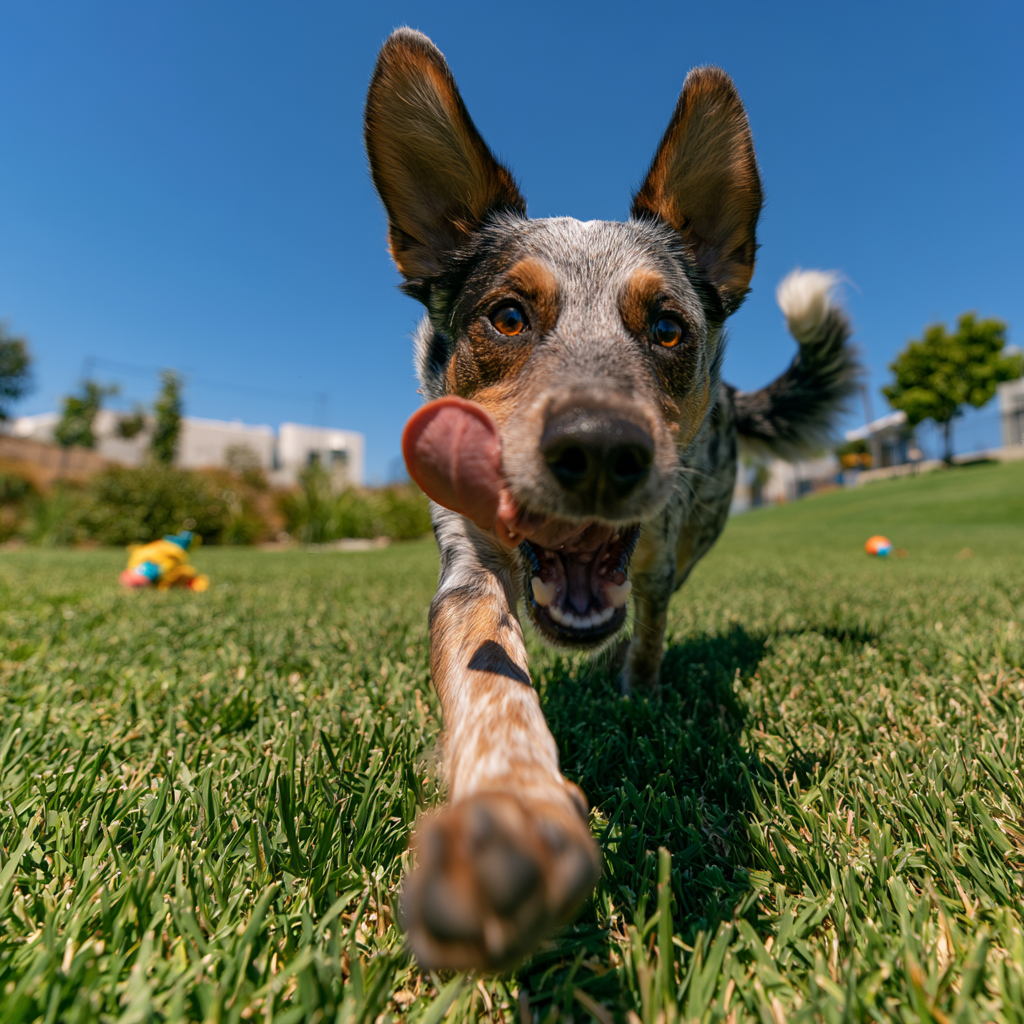
Dogs are social animals with a range of playful behaviors, including chasing, jumping, and wrestling with both people and other dogs. Normal play behavior often involves action sequences that mimic hunting or engaging in friendly competition. For many dogs, tail chasing can be an extension of these playful antics, particularly when they might get a burst of energy or excitement.
During play, a dog may focus on its tail because it moves when they run in circles, creating a fascinating target. This behavior can occur in various forms across different breeds and age groups. For instance:
- Retrievers may chase their tails in playful leaps, expressing their energetic personalities.
- Terriers, known for their independence, might engage in tail chasing when they feel playful and spirited.
- Puppies often exhibit tail chasing as part of their developmental phase, exploring their own body and its movements.
Playful tail chasing is typically accompanied by looseness in the body language, such as wagging tails, play bows, and a relaxed demeanor. In this context, the behavior generally signifies positive emotions like excitement and joy. However, distinguishing between normal play and potential issues requires attention to the context and frequency of the behavior.
What causes dogs to chase their tails?
Several factors can motivate a dog to chase its tail. Common causes include:
- Curiosity: Some dogs may be intrigued by their tails simply because they are fascinating and constantly moving. This is particularly common in puppies, who are still learning about their bodies.
- Boredom: A lack of stimulation or engaging activities can lead dogs to invent their own entertainment. Tail chasing can be a way to alleviate boredom.
- Instinctual behavior: For some breeds, chasing moving objects is an instinctual trait linked to their ancestral hunting behaviors.
- Stress or anxiety: Dogs may also chase their tails as a coping mechanism when they feel anxious or stressed. This is more common in situations where there is a change in environment or routine.
It’s essential to observe the circumstances under which your dog engages in tail chasing. Contextual clues, such as environment changes, excessive energy, or reduced interaction with their environment, will provide insight into why your dog might be chasing its tail.
When Tail Chasing Becomes a Concern
Health issues linked to excessive tail chasing
Excessive tail chasing may indicate underlying health issues that warrant attention. Some potential concerns include:
- Neurological conditions: Some dogs may exhibit compulsive behaviors due to neurological disorders, and excessive tail chasing can be a symptom.
- Injury or irritation: Dogs might chase their tails due to pain or discomfort in the tail region, such as skin infections, allergies, or injuries that need veterinary assessment.
- Parasites: Fleas or other parasites can lead to discomfort in the tail area, prompting dogs to chase their tails as an attempt to relieve irritation.
If your dog is chasing its tail excessively or appears distressed, it is crucial to consult with a veterinarian. They will provide an appropriate diagnosis and help rule out any health issues. Regular check-ups and being observant of your dog’s behavior can significantly contribute to its health and comfort.
Behavioral signs to monitor in dogs
In addition to the health concerns mentioned, several behavioral signs can indicate that tail chasing has become a problematic behavior. These include:
- Repetitive behavior: If your dog engages in tail chasing so frequently that it disrupts their normal routine, this could indicate an issue.
- Loss of interest in other activities: A lack of engagement in play or interaction with other dogs or people is often a red flag.
- Signs of stress: Behavioral signs of stress may include panting, pacing, or rigid body postures while chasing their tails.
- Self-injury: If your dog begins to harm itself while chasing its tail, such as developing hotspots or abrasions, immediate intervention is needed.
Being aware of these indicators allows pet owners to act proactively and seek support or alternative strategies that may assist in curbing tail chasing if it becomes concerning.
Tail Chasing Trends: Puppies vs. Adult Dogs
Do puppies chase their tails?
Puppies chasing their tails is a common behavior often associated with their natural curiosity and playful nature. At this age, they are learning about their bodies and developing their coordination. Tail chasing can appear charming, and in most cases, it is entirely harmless as they explore their world.
This behavior often arises during moments of excitement or when physical energy levels are high. Puppies may chase their tails during playtime, especially when they are excited or overly stimulated. As they grow, the frequency of tail chasing tends to decrease as they learn other ways to engage with their surroundings and stimuli.
Tail chasing in mature dogs
In adult dogs, tail chasing can take on different meanings than it does in puppies. While many adult dogs may engage in tail chasing sporadically as part of normal play, others may develop compulsive tendencies that can signal underlying issues. Mature dogs are more susceptible to anxiety and stress, and as such, excessive tail chasing may reflect stress responses rather than simple playfulness.
Observing the context in which an adult dog chases its tail can provide insight into the motivations behind the behavior. If it appears infrequent and playful, it is generally less concerning. However, if it becomes a persistent habit, it is wise to address it in order to prevent anxiety and potential health problems.
Managing and Redirecting Tail Chasing Behavior
How to stop a dog from chasing its tail
If tail chasing becomes problematic, there are several proactive steps you can take to manage and potentially reduce the behavior:
- Increase exercise: Ensure your dog is getting enough physical and mental stimulation through walks, interactive games, and playdates with other dogs.
- Create a structured routine: A consistent routine can provide stability and reduce anxiety that may drive compulsive behaviors.
- Provide alternative toys: Redirect your dog’s attention to engaging toys that encourage play and problem-solving.
- Observe and adjust: Monitor the circumstances surrounding the tail chasing. If it occurs during stressful moments, aim to make those situations less stressful by providing a calm environment.
Using positive reinforcement for distraction
Positive reinforcement is a powerful tool for altering tail chasing behavior. Here are some effective techniques to implement:
- Reward alternative behaviors: When you notice your dog beginning to chase its tail, redirect them to a desired behavior, such as offering a toy or engaging in a game. Upon compliance, reward them with praise or treats.
- Create fun distractions: Introduce games or new toys that capture your dog’s interest, effectively diverting their attention away from their tail.
- Interactive training sessions: Engage in regular training sessions that enhance obedience and focus. This can include basic commands, tricks, or agility work.
Using these strategies consistently will help reinforce positive behaviors and reduce the impulsive urge to chase their tails, leading to a happier, more balanced dog.
Frequently Asked Questions
Why do dogs chase their tails?
Dogs chase their tails for various reasons, including playfulness, boredom, and anxiety. While most of the time this behavior is harmless, excessive tail chasing might indicate underlying health or behavioral issues.
Is it normal for dogs to chase their tails?
Yes, it’s generally normal for dogs to chase their tails occasionally, especially during play. However, if it becomes excessive or compulsive, it may signify a need for more stimulation or professional assessment.
How can I stop my dog from chasing its tail?
To reduce tail chasing, ensure your dog receives adequate physical exercise and mental stimulation. Engaging them with toys, training sessions, and play can help redirect their focus.
What does it mean when a dog chases its tail a lot?
Frequent tail chasing can indicate boredom, stress, or behavioral compulsions. It’s important to monitor their behavior and consult with a veterinarian if it becomes excessive or harmful.
Can tail chasing be harmful to my dog?
Yes, excessive tail chasing can lead to injuries, including skin damage or even behavioral issues. If you notice your dog biting or injuring their tail, it’s wise to consult a veterinarian promptly.