How to Teach a Dog to Come When Called: A Complete Guide
Learning how to teach a dog to come when called is an essential skill for any dog owner. This command not only encourages good behavior but can also keep your furry friend safe in a variety of situations. Whether you’re at home, at the park, or on a walk, a reliable recall can be beneficial for both you and your dog, allowing for more freedom and peace of mind.
Quick answer: To teach a dog to come when called, start with a positive reinforcement approach in a distraction-free environment. Use treats or toys to motivate them, gradually introduce more challenging scenarios, and consistently practice the command. Patience and gradual exposure to distractions are key to success.
Why is it Crucial to Teach a Dog to Come When Called?
The benefits of a reliable recall command
A reliable recall command can significantly improve the relationship between you and your dog. When your dog understands that “come” means to return to you, it fosters trust and communication. Here are a few benefits:
- Increased freedom: Dogs can enjoy off-leash activities without the constant worry that they will run away or become lost.
- Enhanced safety: A solid recall can keep your dog safe from potential dangers, such as traffic, aggressive animals, or hazardous environments.
- Better control: You gain more control over your dog’s actions, reducing unwanted behaviors like running off or ignoring commands.
- Bonding: Working on recall training can strengthen your bond as you enjoy rewarding experiences together.
Safety implications in various environments
Teaching your dog to come when called is not only about obedience; it’s a critical safety measure. In certain environments, a reliable recall can mean the difference between a safe experience and a potentially dangerous situation. For example:
- Near roads: In urban settings, your dog may encounter cars, cyclists, or pedestrians. A solid recall command helps you keep your dog at a safe distance from potentially hazardous situations.
- In parks or open spaces: With other dogs and people around, a reliable recall can prevent unwanted confrontations and help you manage your dog’s interactions.
- In the presence of wildlife: A strong recall can protect both your dog and local wildlife, as they may be inclined to chase or confront unfamiliar animals.
How to Teach a Dog to Come When Called: Step-by-Step Instructions
Setting the stage for success
Before you start training, it’s important to prepare your environment. Follow these steps to set the stage:
- Find a quiet space: Choose a distraction-free area, such as your living room or backyard.
- Gather supplies: Have treats, toys, or any rewards ready to use during training.
- Be patient: Setting realistic expectations is key. Start training when you and your dog are both relaxed and free from interruptions.
Using positive reinforcement effectively
Using positive reinforcement is an effective way to teach a dog to come when called. Begin with the following approaches:
- Use a unique command: Choose a specific word or phrase that you will consistently use for the recall command, such as “come” or “here.”
- Start with short distances: Call your dog from a very short distance, using an enthusiastic tone and the recall command.
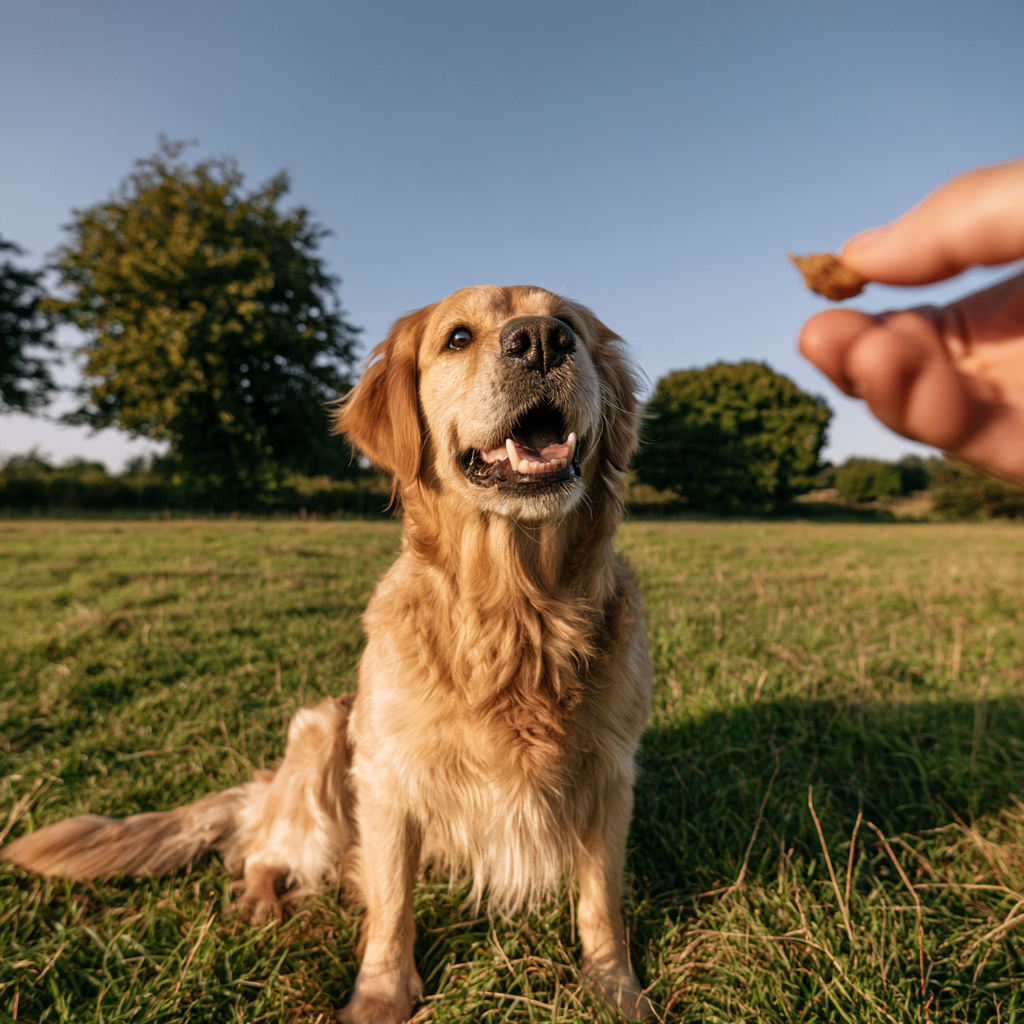
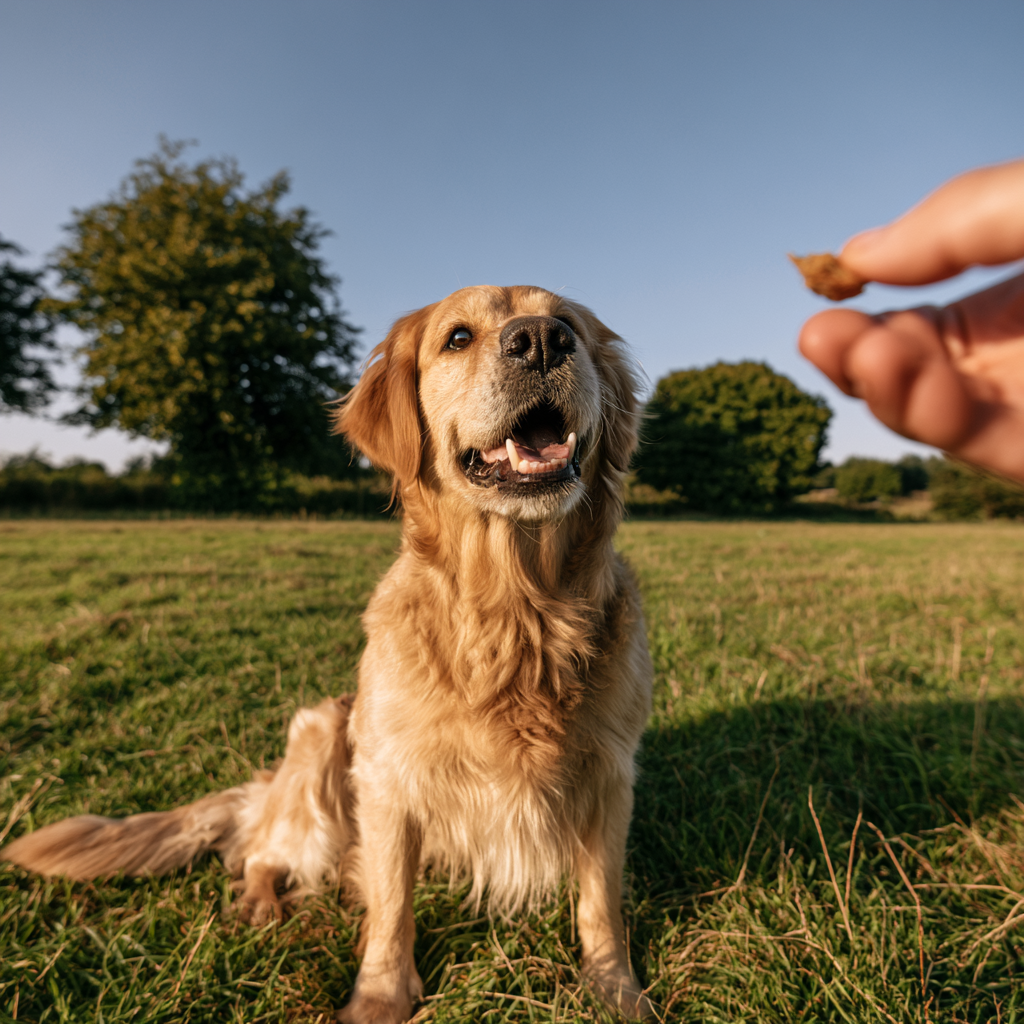
- Reward immediately: When your dog responds and comes to you, reward them right away with treats, praise, or play. This creates a positive association with returning to you.
Practicing in different environments
As your dog becomes more comfortable with the command in a controlled setting, gradually introduce distractions. Here’s a method to follow:
- Increase the distance: As your dog masters recall at close range, progressively call them from farther away.
- Vary locations: Practice in different environments, such as inside the house, in the yard, and at the park.
- Introduce distractions: While practicing in more challenging environments, start with mild distractions and gradually introduce more significant ones, like other dogs or children playing.
- Don’t rush: Ensure that your dog can reliably respond to the command before fully exposing them to high-distraction scenarios.
Using Motivation to Enhance Recall Training
Choosing the right rewards for your dog
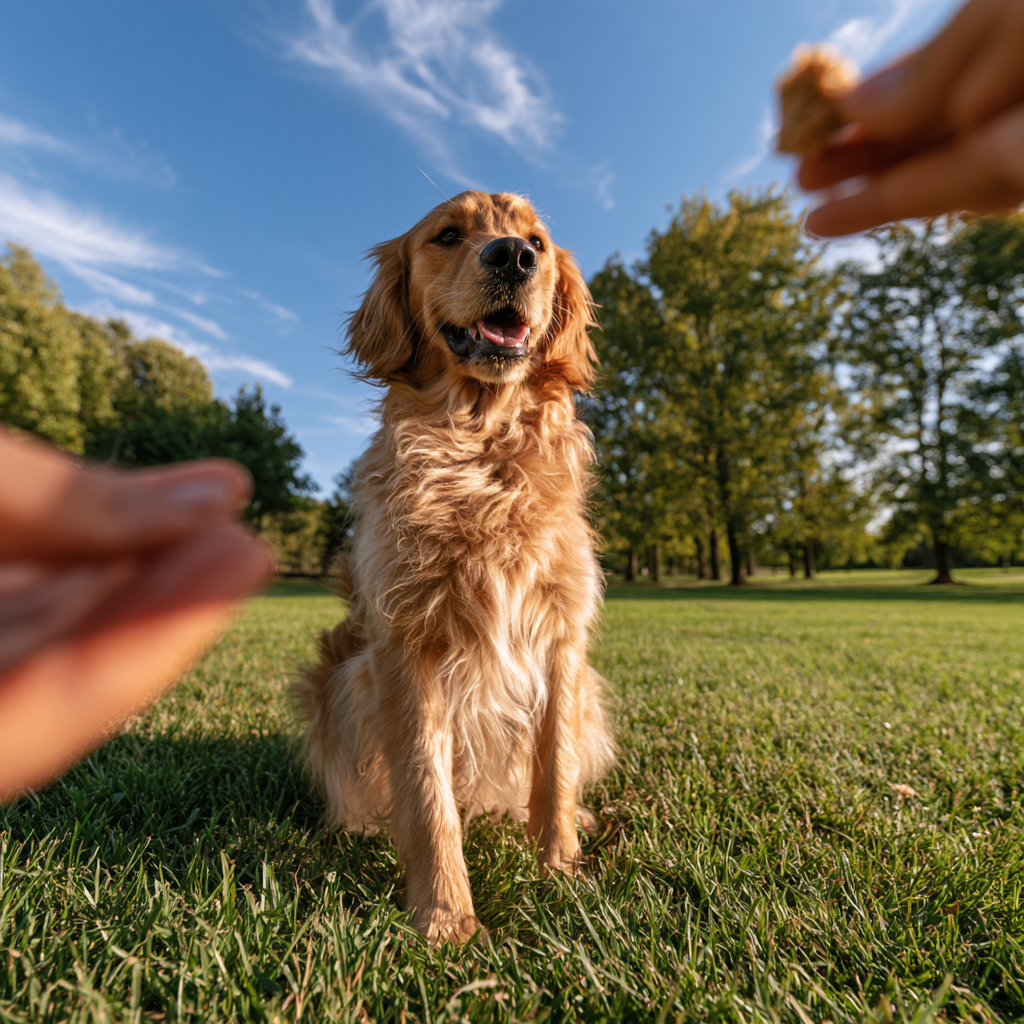
The effectiveness of recall training often hinges on the motivation level provided by rewards. Different dogs respond to various types of rewards, which can include:
- Treats: High-value treats (like small pieces of chicken or cheese) can be very effective, especially when first introducing the command.
- Toys: For some dogs, a favorite toy can be a fantastic motivator, especially if they enjoy playtime.
- Affection: Some dogs thrive on verbal praise and physical affection. A few enthusiastic words and a pat can reinforce positive behaviors.
Experimenting with different types of rewards is essential to find what truly motivates your dog, as different contexts may require different incentives.
Transitioning from treats to verbal praise
Once your dog reliably responds to the recall command, it’s time to reduce the number of treats gradually. Here’s how you can make that transition:
- Start to phase out treats: For every successful recall, alternate between treats and verbal praise.
- Mix it up: As your dog grows accustomed to the command, use verbal praise more frequently than treats, occasionally rewarding only with toys or affection.
- Encourage consistency: Make sure to consistently use positive reinforcement to maintain motivation, as rewards will help solidify the behavior.
Troubleshooting Common Issues with Recall
Understanding why dogs sometimes ignore commands
It’s not uncommon for dogs to occasionally ignore recall commands. Several factors can contribute to this behavior:
- Distractions: Overwhelming distractions in the environment can draw their attention away from you, leading them to disregard the command.
- Lack of motivation: If your dog finds something more rewarding than coming back, they may choose to ignore the command.
- Training inconsistencies: If you frequently change the command word or motivational methods, it can confuse your dog.
- Stress or fear: Environmental factors may cause stress or fear, making your dog hesitant to respond to commands.
Modifying training approaches based on dog behavior
Your dog’s temperament and individual personality play an essential role in training methods. Here are some modifications to consider:
- Treat shy dogs differently: Dogs that are less food-motivated may respond better to play or affection as rewards.
- Adjust your energy: For more timid or anxious dogs, a softer approach with calm commands may encourage a better response.
- Use higher-value rewards: For highly distracted or disinterested dogs, it may help to switch to more enticing treats or toys.
- Incorporate games: For dogs who are naturally playful, you could make recall training a fun game, such as hide and seek.
Be patient and observant. What works for one dog might not work for another; being adaptable is key to mastering the skill of recall.
Frequently Asked Questions
What is the best age to start training a dog to come?
You can start training your dog to come when called as early as 8 weeks old, as puppies are capable of learning basic commands. Early socialization and training can help establish a strong foundation for their recall skills.
How long does it take to train a dog to come when called?
The time it takes to train a dog to respond reliably to the recall command varies considerably based on factors such as the individual dog’s temperament and the consistency of training. With regular practice, many dogs show promising results within a few weeks to a few months.
Why won’t my dog come when called?
Dogs may ignore recall commands for various reasons, including distractions, lack of motivation, or confusion about the command itself. Understanding the context and assessing any distractions can help in addressing the issue more effectively.
What are some effective recall commands?
Common recall commands include “come,” “here,” or “to me.” It is essential to choose a consistent command that you will use consistently so that your dog truly understands what is expected of them.
How do I teach my dog to come without treats?
To teach your dog to come without relying on treats, focus on using verbal praise and play as rewards, transitioning away from food. You can also utilize toys and interactive games to create a sense of excitement and motivation for returning when called.