How to Tell If Your Cat Trusts You: Signs to Look For
How to Tell If Your Cat Trusts You is a question many cat owners ponder as they navigate their relationship with their furry companions. Unlike dogs, cats exhibit trust in more subtle ways, making it essential to understand their unique behaviors and signals. In this article, we will explore the various indicators of feline trust, from physical signs and social interactions to common affectionate behaviors, helping you decipher your cat’s feelings towards you.
Quick answer: You can tell if your cat trusts you by observing their body language, social interactions, and affectionate behaviors. Key signs include relaxed posture, playful behavior, and integration into your daily routine. Trust can take time to develop, so pay attention to your cat’s individual responses and interactions.
Understanding Feline Trust
Importance of Trust in Cats
Trust is foundational for cats, influencing their emotional well-being and overall behavior. Cats that feel secure in their environment are more likely to express their natural behaviors, engage in play, and seek human interaction. A trusting cat is also less likely to exhibit stress-related behaviors such as hiding or aggression. Developing trust can lead to a more harmonious relationship, making it easier to address issues related to health, grooming, or travel.
The Relationship Between Trust and Behavior
A cat’s behavior is a direct reflection of their level of trust. For instance, a cat that trusts you is more likely to approach you confidently, while a cat that feels insecure may adopt defensive behaviors such as hissing or swatting. It’s essential to observe how a cat interacts with their surroundings and with you, as these behaviors can indicate their comfort level. Understanding this relationship between trust and behavior allows us to better meet our cats’ needs and foster a positive environment.
How to Tell If Your Cat Trusts You Through Physical Signs
Posture and Body Language
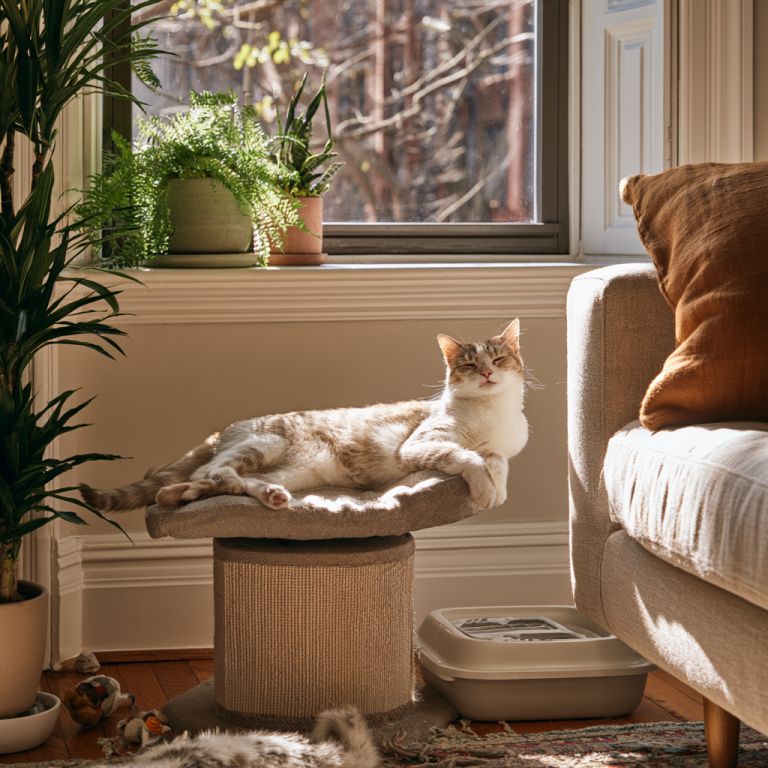
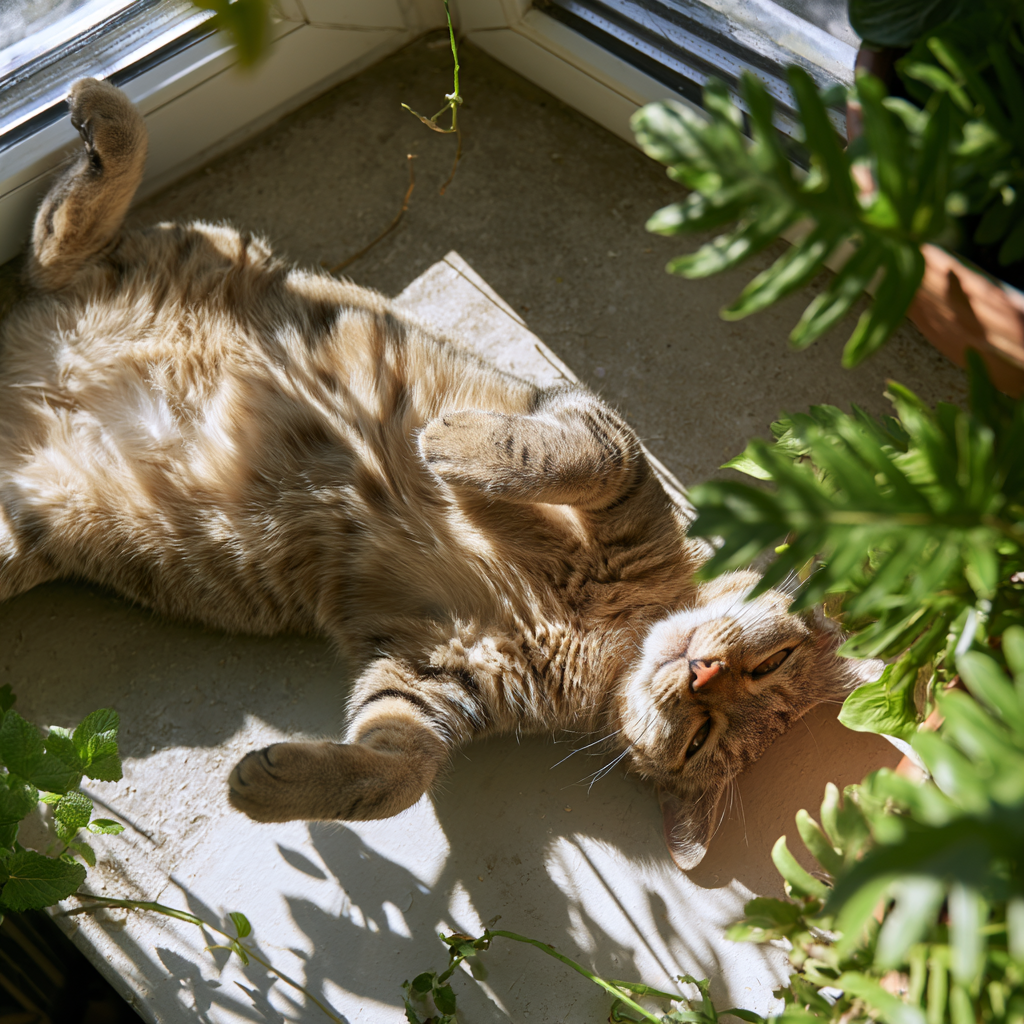
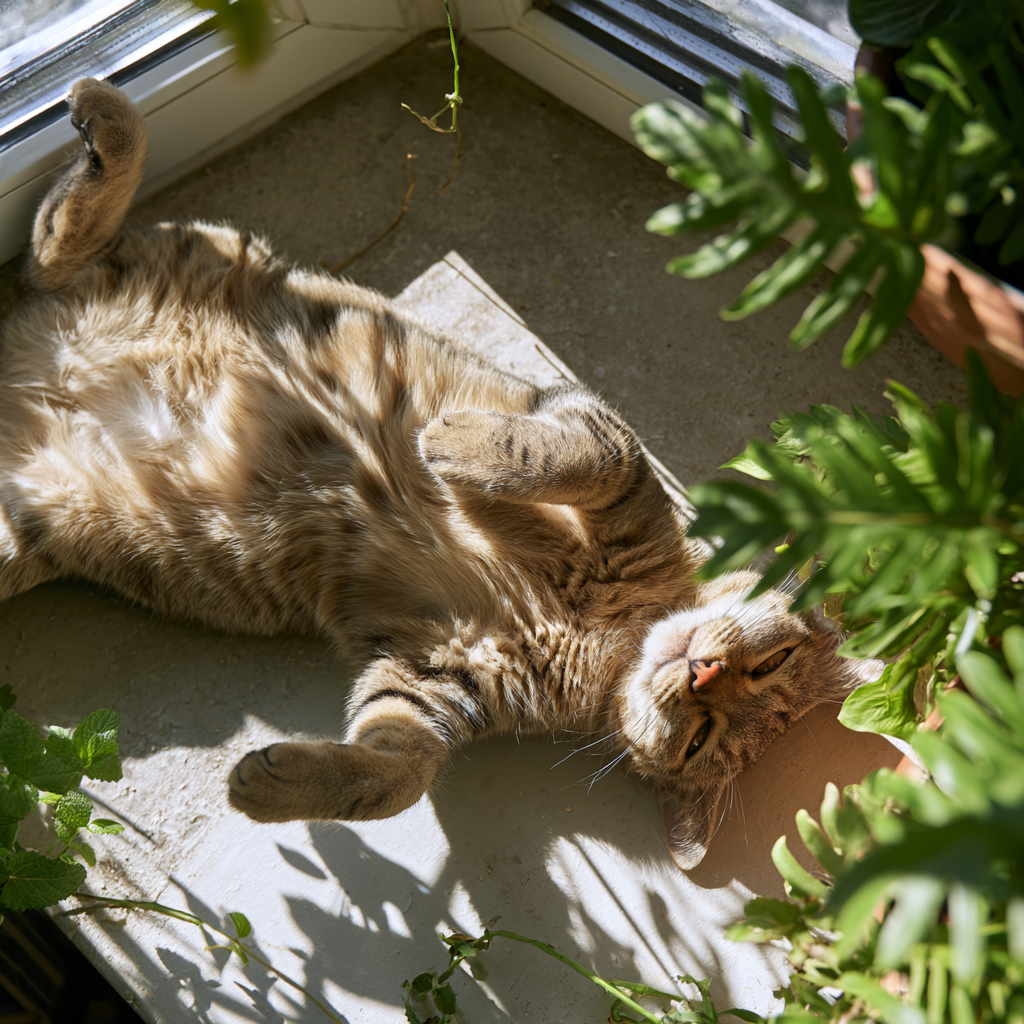
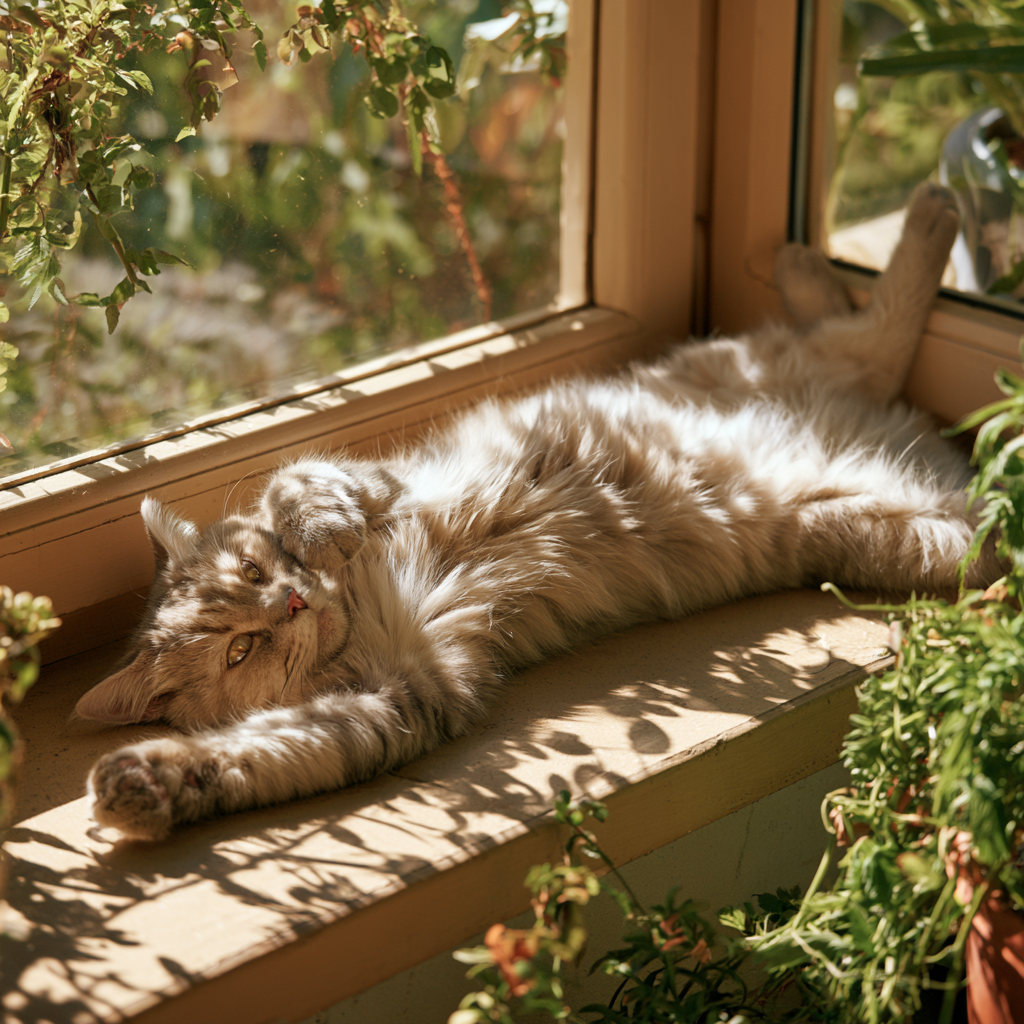
The way a cat holds its body can reveal much about its level of trust in you. A relaxed body posture, with a loose tail and ears in a neutral position, often indicates comfort and safety. A cat that sprawls out on its back or side, exposing its belly, is showing vulnerability and trust. In contrast, a tense, hunched posture with arched back and puffed fur signals fear and distrust. Watch for changes in a cat’s posture in different situations to gauge their feelings effectively.
Tail Positioning and Movements
The position and movement of your cat’s tail can serve as vital indicators of its emotional state. Typically, a cat with an upright, relaxed tail is expressing confidence and comfort. Conversely, a tail that is low or tucked indicates insecurity. A cat may also display mixed signals; for instance, an upright tail that flicks rapidly can denote excitement or agitation, requiring context to interpret correctly. Observing these nuances helps in understanding feelings of trust and trepidation.
Purring and Kneading
Purring is often associated with contentment and trust in cats. While it can also indicate discomfort, a gentle purr when close to you typically signifies affection. Additionally, kneading—often described as “making biscuits”—is a behavior from kittenhood that is generally regarded as a sign of comfort and trust. This rhythmic motion, where a cat uses its paws to push against a soft surface, demonstrates a cat’s feeling of safety in your presence. Pay attention to the context of these behaviors for clearer insight.
How to Tell If Your Cat Trusts You Through Social Interactions
Grooming and Head-Butting
Grooming is a crucial social interaction that can indicate trust in cats. When a cat licks or grooms you, it shows they view you as part of their social group and feel comfortable enough to display this intimate behavior. Similarly, head-butting, or bunting, involves rubbing their forehead against you. This act releases pheromones and marks territory, illustrating a deep connection and trust. Watch for these social gestures as key indicators of a trusting bond.
Playing Together
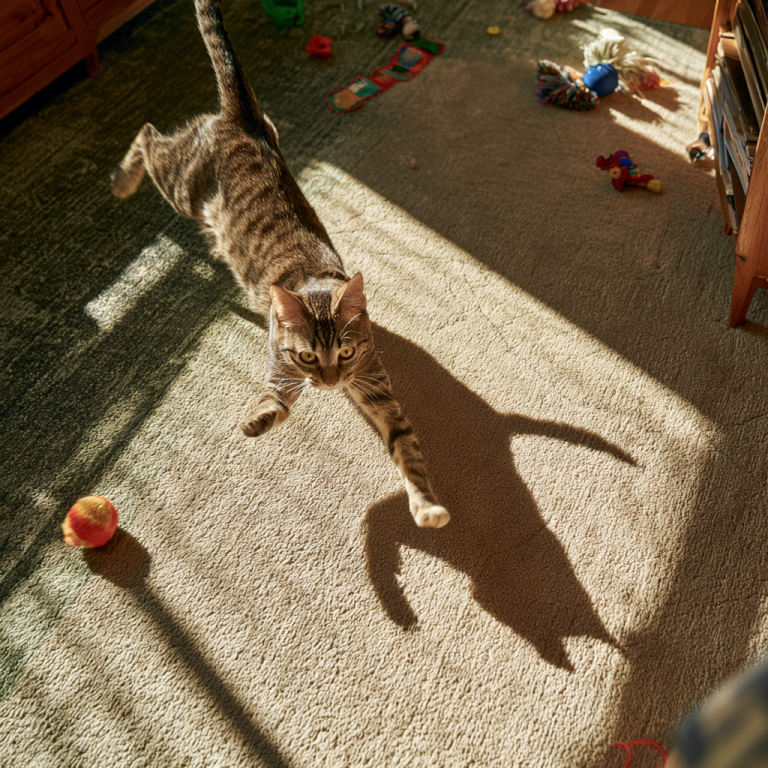
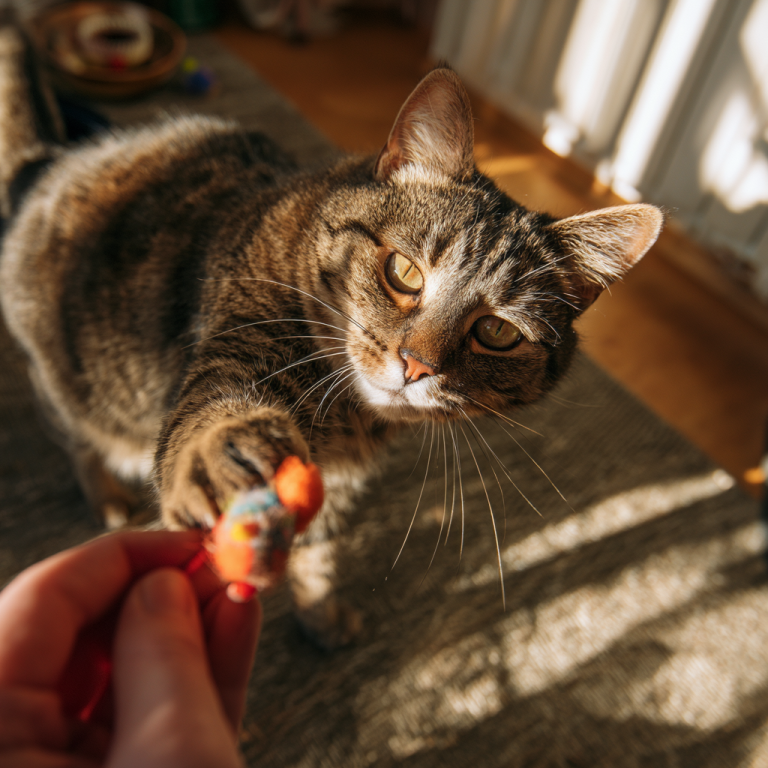
Play is not just a way for cats to release energy; it can also strengthen the bond between you and your feline friend. A cat that engages in play with you demonstrates comfort and trust. They may exhibit behaviors such as bringing toys to you or initiating play sessions with gentle paw taps. Similarly, if your cat engages in a chase game or enjoys being petted during play, it’s a sign they trust you and feel safe in your presence.
Following You Around
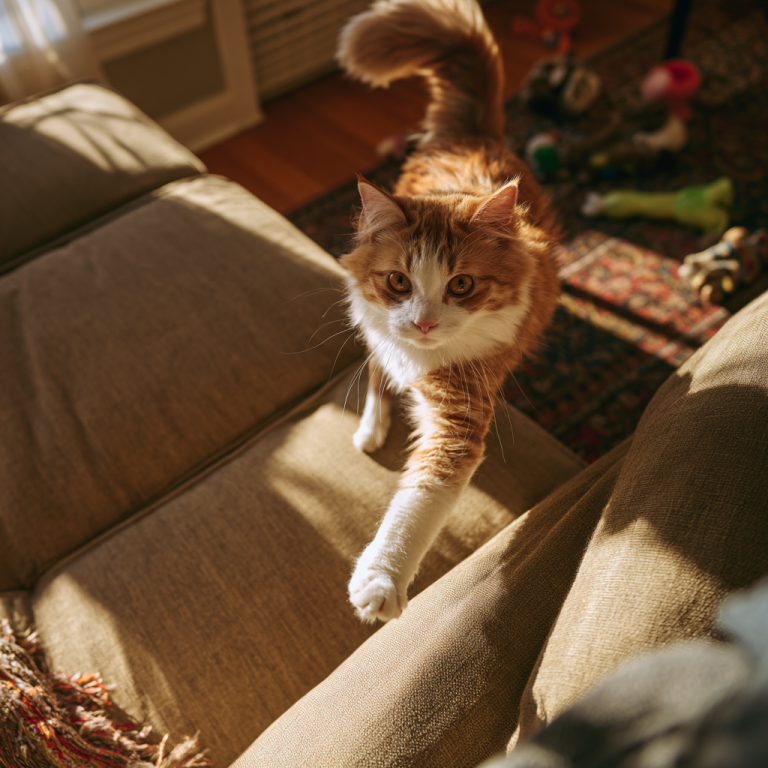
If your cat frequently follows you from room to room, it’s a strong indication of trust and attachment. This behavior suggests they feel secure enough to be near you and want to be part of your activities. Cats that exhibit this behavior often enjoy being included in your daily routine and may seek your attention for companionship, further demonstrating their bond with you.
Common Behavioral Signals of Affection
Vocalizations as Trust Indicators
Cats have a varied vocal repertoire that conveys different messages. A well-known example is the soft “meow” or chirp directed at humans, often used to get your attention or express need. Kittens use chastising sounds with their mothers, while adult cats may reserve specific vocalizations for interactions with trusted individuals. Furthermore, a calm trill can suggest that a cat feels secure and happy in your company. Understanding these vocal cues can enhance your interpretation of your cat’s emotional state.
Safe Spaces and Territory Marking
A trusting cat often feels confident enough to establish territory. This can involve rubbing their scent on furniture or even on you, an act of marking that conveys both possession and security. Moreover, providing safe spaces—like cozy beds or hiding spots—can allow a cat to feel more secure in your presence. If a cat chooses to relax in your vicinity, it indicates that they perceive you as a safe and trustworthy companion.
Avoiding Trust Distractors: What to Watch For
Signs of Fear or Anxiety
Be aware of behaviors that could indicate anxiety or fear, which can undermine the trust your cat has in you. Signs such as hiding, excessive grooming, or showing aggression during handling can suggest that your cat feels threatened or uncomfortable. It’s crucial to approach these situations with sensitivity. If you notice persistent fearful behaviors, reassess your interactions and consider seeking advice from a veterinarian or a feline behaviorist for tailored strategies.
Understanding Warning Signs
Cats may communicate discomfort or dislike through warning signs that should not be ignored. If your cat flattens its ears, hisses, or growls, they may be signaling that they feel threatened or need space. Understanding these warning signs is essential in maintaining trust; allowing them to retreat when needed can reinforce that you respect their boundaries. Always prioritize their comfort and well-being over any desire for interaction.
Building Trust in Young or Anxious Cats
Gradual Interaction Techniques
For younger or more anxious cats, building trust requires patience and gradual acclimation to your presence. Start by giving them space and time to observe you without forcing interaction. You can encourage trust by sitting quietly nearby while engaging in low-energy activities or talking softly to them. As they grow more confident, slowly initiate gentle interactions, ensuring to respect their reactions and preferences.
Positive Reinforcement
Utilizing positive reinforcement can significantly enhance trust-building efforts. This can involve offering treats, praise, or gentle petting during positive interactions. Always be attentive to your cat’s reactions; some may prefer treats from a distance initially, while others may appreciate direct contact. Over time, consistent positive experiences will help to develop a trusting relationship, balancing your cat’s individual temperament and comfort levels with your approach.
Summary of Trust Indicators in Cats
Understanding How to Tell If Your Cat Trusts You involves observations across multiple behaviors and interactions. Key indicators include relaxed posture, social grooming, and following you around, among others. Pay attention to any changes in behavior over time, as building and maintaining trust is a dynamic process influenced by your cat’s experiences and environment. By fostering a supportive atmosphere and being responsive to your cat’s needs, you can enhance the bond and trust between you and your feline friend.
Frequently Asked Questions
What are common signs that a cat trusts its owner?
Common signs include relaxed body language, head-butting, grooming behaviors, and tail positioning that indicates contentment. A cat that follows you around or engages in play also likely trusts you.
How do cats show they are comfortable with you?
Cats show comfort through a variety of behaviors, such as purring, relaxed posture, and even sleeping near you. They may also knead or initiate play, reflecting their ease and trust.
What should I do to build trust with my cat?
Building trust with your cat involves gradual interactions, positive reinforcement, and respecting their comfort zones. Slowly introducing yourself and allowing them to initiate contact can significantly enhance trust.
Can a cat trust someone they just met?
While cats may take time to build trust, some might quickly warm up to a new person based on past experiences or positive socialization. However, this varies widely between individual cats.
How can I tell if my cat is anxious or afraid?
Signs of anxiety in cats include hiding, excessive grooming, aggression, or abnormal vocalizations. Observing these behaviors can help you identify when your cat feels unsafe.
What are the signs of a happy and trusting cat?
A happy and trusting cat often exhibits relaxed posture, playful behavior, purring, and a willingness to engage with you. Indicators like grooming and following you around also signify contentment.
Why is trust important in a cat-human relationship?
Trust fosters a strong bond between you and your cat, leading to a more relaxed and comfortable relationship. It enhances communication and interaction, promoting a positive living environment.
How to make your cat feel safe and secure?
To ensure your cat feels safe, provide a comfortable environment with cozy places to hide, limit stressful situations, and engage in gentle interactions. Regularly observing their behavior helps maintain their comfort.