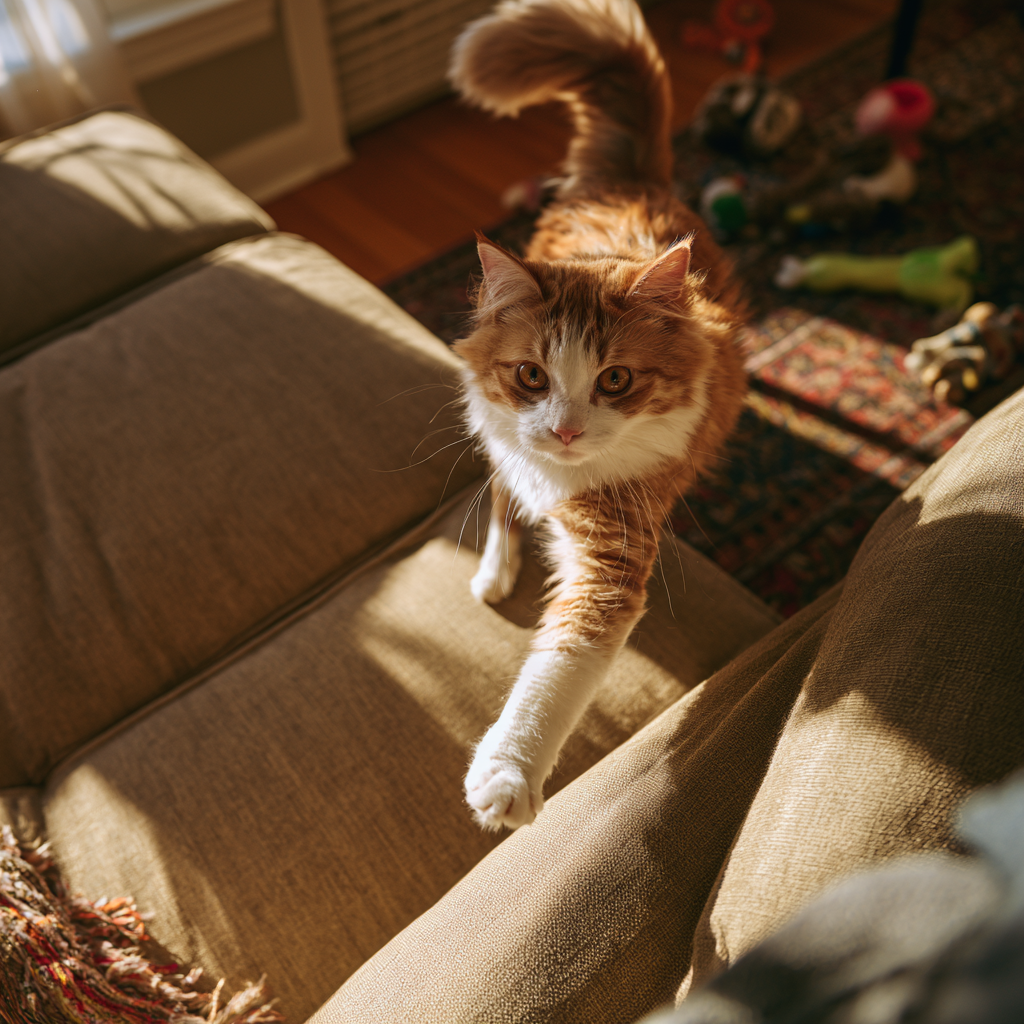
Why Does My Cat Have Zoomies? Understanding Feline Energy Surges
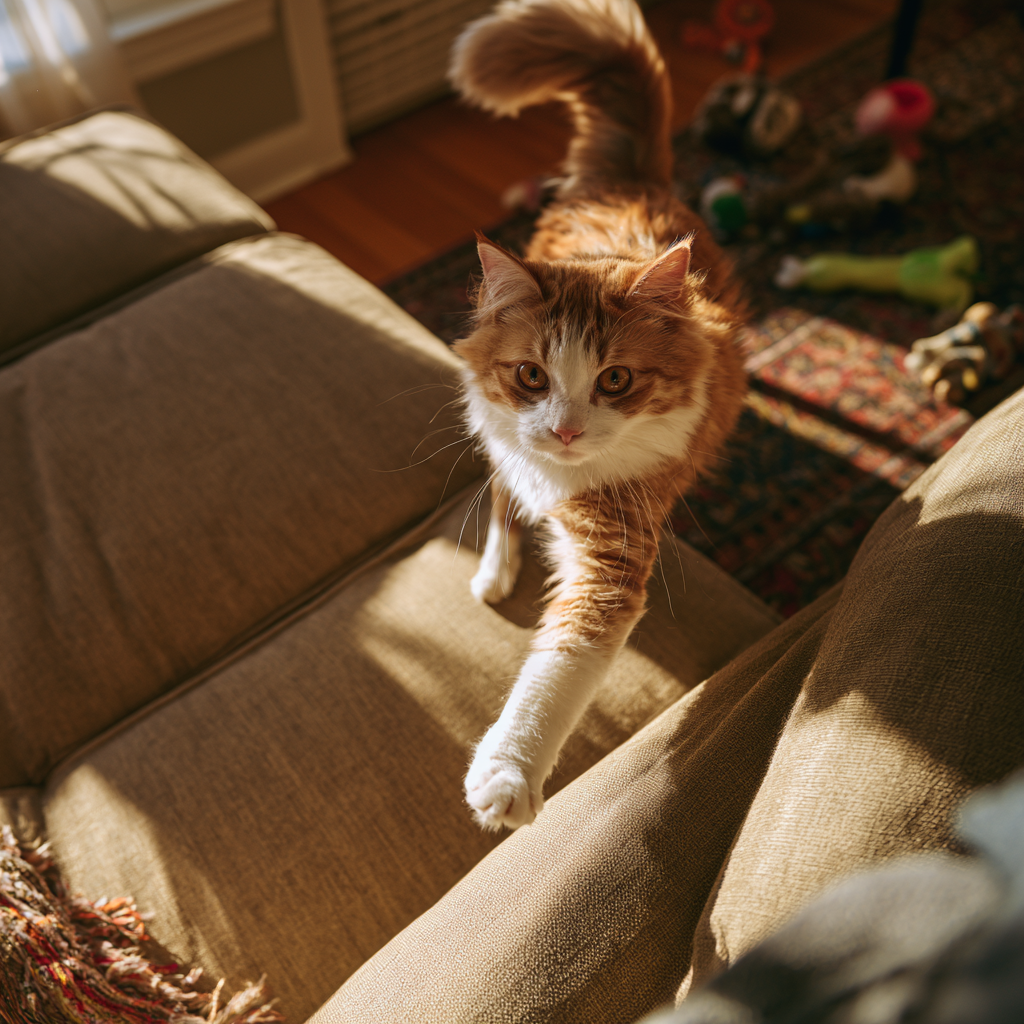
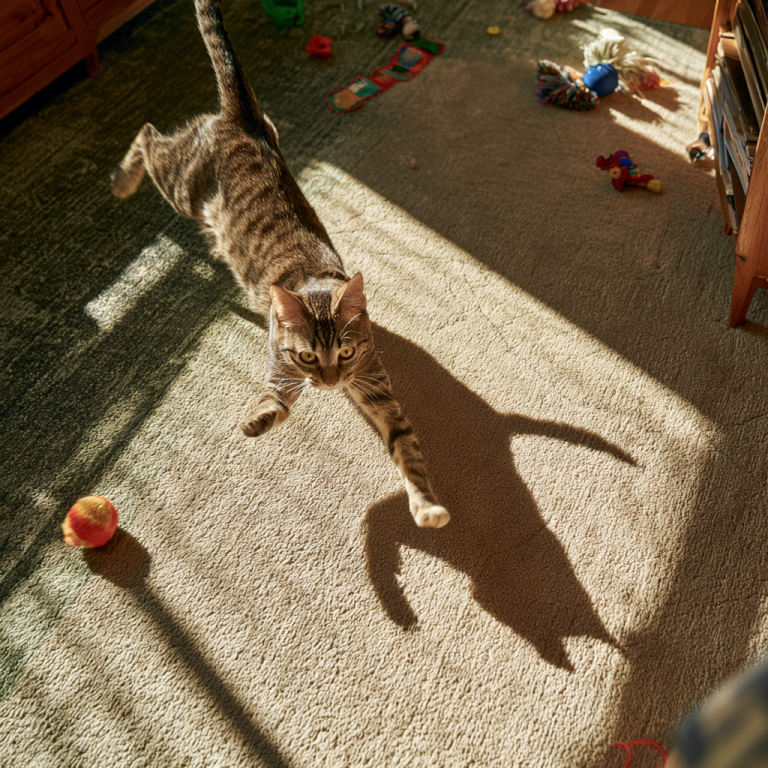
Have you ever wondered, “Why does my cat have zoomies?” If you’ve witnessed your feline friend suddenly sprinting around the house, weaving between furniture, and performing acrobatic leaps, you’re not alone. These energetic bursts are a common behavior seen in many cats, often leaving owners both amused and perplexed. Understanding the reasons behind these zoomies can help you appreciate your cat’s natural behavior and manage it effectively.
Quick answer: Cats experience zoomies due to a combination of natural instincts, energy release, and playfulness. These sudden bursts of activity are typically harmless, serving as an outlet for pent-up energy and promoting overall well-being.
Why Does My Cat Have Zoomies?
Understanding Feline Behavior
Zoomies, also known as frenetic random activity periods (FRAPs), are often a normal part of feline behavior. Cats are instinctually driven to hunt, and their zoomies mimic the quick sprints and bursts of energy associated with chasing prey in the wild. During these episodes, you may observe behaviors like rapid darting, playful pouncing, and even occasional vocalization.
Each cat experiences zoomies differently; for some, it may last only a minute, while others can sustain this energy for significantly longer. Factors like age, breed, and individual personality all contribute to how prone a cat is to these energetic fits. For instance, younger cats and kittens are often more active and may display zoomies more frequently compared to older, less active cats who prefer lounging.
The Science Behind Zoomies
From a scientific perspective, zoomies are linked to the cat’s innate hunting instincts. In domestic settings, cats often receive sporadic stimulation from their environment. When this energy isn’t expended through regular play or interaction, it can build up and result in these sudden outbursts of activity.
Research suggests that these bursts of energy may also be linked to a release of pent-up energy or excitement. The combination of natural instincts and sporadic stimulation in their environments makes these zoomies both a playful and essential outlet for their energy.
Common Triggers for Cat Zoomies
Playtime and Interaction
One common trigger for feline zoomies is an interactive play session. Engaging in play with toys that mimic prey, such as feather wands and small balls, can often lead to a release of energy that culminates in a zoomie episode. The excitement of chasing and pouncing during these playtimes can leave your cat buzzing with extra energy, prompting them to dash around afterward in sheer joy.
To facilitate effective play, consider the following interactive toys:
- Feather Wands: These mimic the fluttering movement of birds and can spark a cat’s hunting instincts.
- Laser Pointers: They provide quick, erratic targets for your cat to chase, encouraging rapid movement.
- Catnip Toys: Many cats respond to catnip with increased playfulness, creating a hyperactive atmosphere.
Environmental Factors
The environment in which your cat lives can significantly influence when and how often they experience zoomies. Elements that may affect zoomies include living in a busy household with active children or loud sounds, which can stimulate your cat’s playful instincts. Conversely, a quiet environment may lead to fewer zoomies due to insufficient stimulation.
Other environmental factors to consider include:
- Space: Cats with ample room to run and climb may exhibit zoomies more freely.
- Other Pets: Interaction with other pets can lead to increased playtime, which may trigger zoomies.
- Routine Changes: Changes in routine, such as a new family member or a different feeding schedule, may cause excitement, leading to bursts of energy.
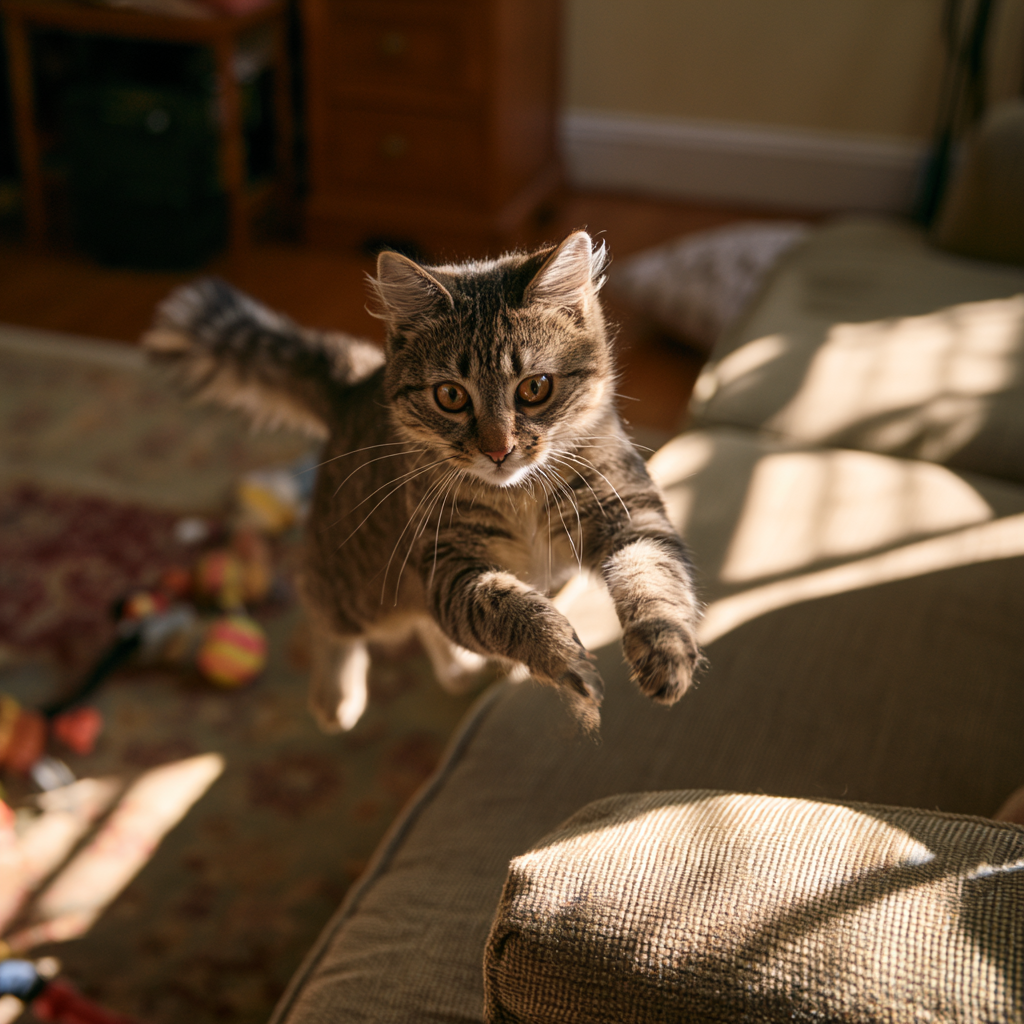
Psychological and Physical Benefits of Zoomies
Stress Relief and Mental Stimulation
Zoomies offer more than just chaotic entertainment; they provide both psychological and physical benefits for your cat. These energetic bursts can serve as a stress release mechanism. When a cat is frightened or anxious, they may engage in zoomies as a way to alleviate their discomfort. The frenetic activity can shift their mood and help them feel more relaxed.
Moreover, zoomies also promote physical health. They encourage physical exercise, which is vital for maintaining a healthy weight and overall body condition. Regular exercise helps prevent obesity and associated health problems, thereby contributing to your cat’s longevity.
Managing Excessive Energy in Cats
Creating a Suitable Play Environment
To help manage your cat’s energy levels and reduce excessive zoomies, creating a stimulating play environment is crucial. Incorporate vertical spaces such as cat trees or shelves for climbing, as well as diverse toys and interactive play sessions. Providing enrichment can help satisfy your cat’s natural instincts and mitigate boredom—an underlying cause of uncontrollable energy.
Consider implementing the following strategies:
- Rotate your cat’s toys regularly to keep playtime fresh and exciting.
- Encourage hunting behavior with puzzle feeders that dispense treats.
- Schedule consistent play sessions throughout the day to encourage physical activity.
Signs of Potential Stress or Anxiety
While zoomies are generally harmless, it is essential to differentiate between normal playful behavior and signs of stress or anxiety. Observing your cat’s overall body language can provide insights into whether their zoomies stem from playfulness or agitation. Some signs of stress may include:
- Excessive vocalization, such as yowling or growling.
- A tucked tail or flattened ears indicating discomfort.
- Crouching or hiding behavior before or during zoomies.
If you notice your cat exhibiting these signs alongside their zoomies, it may be worthwhile to evaluate their environment and consult with a veterinarian for tailored advice.
Frequently Asked Questions
What causes my cat to have zoomies?
Cats may experience zoomies due to excitement, excess energy, or instinctual behavior reminiscent of hunting. These sudden bursts of activity can be influenced by environmental factors or interactive play.
Are zoomies normal for cats?
Yes, zoomies are a normal behavior for many cats, reflecting their need for physical and mental stimulation. This energetic release is often harmless and part of their natural tendencies.
How can I calm my cat after zoomies?
To calm your cat after they have had zoomies, you can provide a quiet space for them to rest and ensure they have access to fresh water. Interactive toys that promote slow play can also help channel their energy more effectively.
Do all cats experience zoomies?
While many cats experience zoomies, not all cats will exhibit this behavior. Individual personality, energy levels, and activity preferences can significantly influence how a cat engages in zoomies.
How often do cats get the zoomies?
The frequency of zoomies can vary considerably from one cat to another, depending on factors like age, activity levels, and overall energy. Some might have daily occurrences, while others may only experience them occasionally.
Is there a specific time cats get zoomies?
Cats may typically get zoomies at dawn or dusk, which aligns with their natural hunting instincts. However, they can also occur at any time of day in response to various stimuli.
Can zoomies indicate a problem?
While zoomies are generally normal, they can occasionally indicate anxiety or excess stress if they are frequent and accompanied by other concerning behaviors. It is vital to observe your cat’s overall demeanor.
What age do cats start having zoomies?
Kittens often exhibit zoomies as early as a few weeks old as their motor skills develop. As they grow, most continue to show these bursts of energy throughout their lives, although the frequency may change.