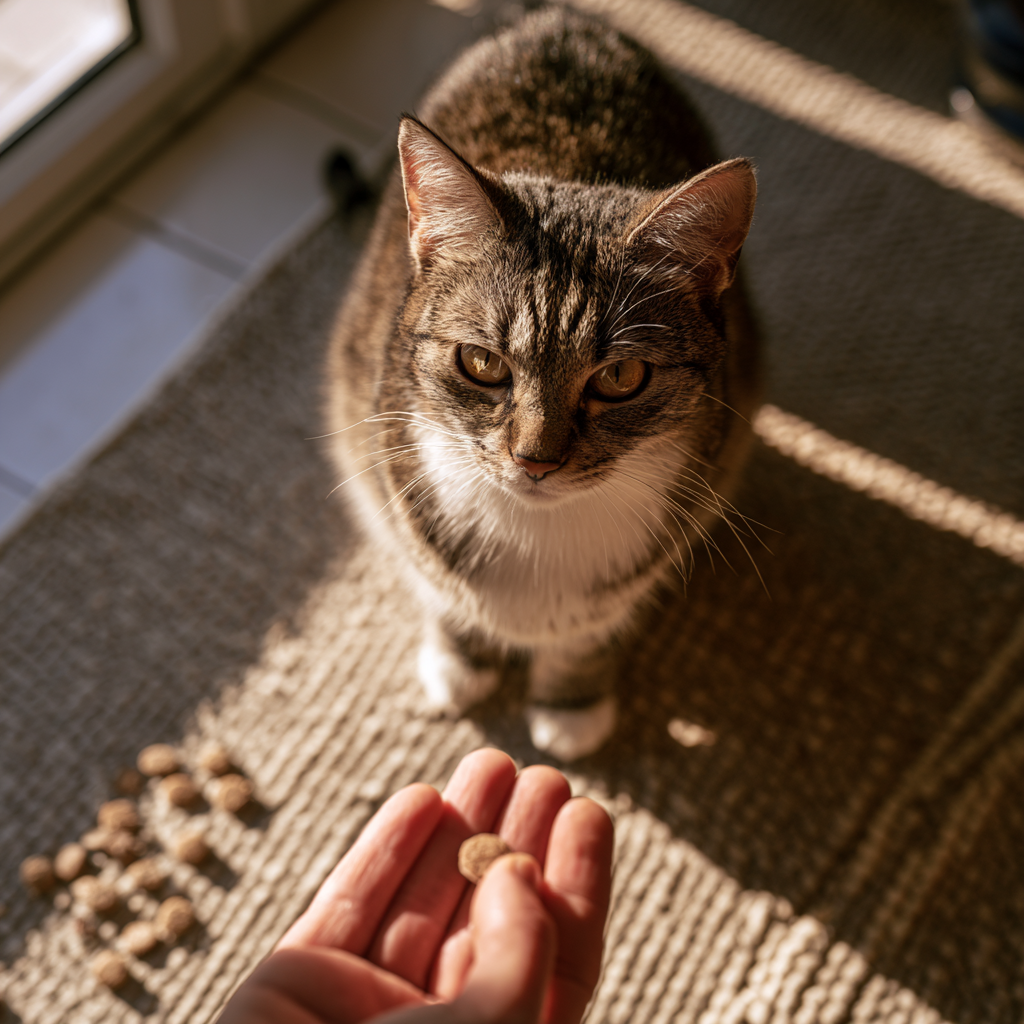
How to Train a Cat: Effective Techniques for Success
Looking to expand the connection you share with your feline friend? Learning how to train a cat can not only enhance your relationship but also enrich your cat’s environment, fostering positive behaviors throughout their life. Effective training doesn’t require extensive time or complex methods; even small efforts can lead to significant changes in behavior and communication.
Quick answer: Training a cat involves using positive reinforcement techniques, such as treats and praise, to encourage desired behaviors. Start by understanding your cat’s motivations and gradually introduce commands in a comfortable environment, adjusting strategies based on age and temperament.
Understanding How to Train a Cat
The importance of feline behavior
A comprehensive understanding of feline behavior is essential when learning how to train a cat successfully. Cats are complex creatures, and their body language and vocalizations serve as key indicators of their feelings and intentions. Observing your cat’s posture, ear position, and tail movements can provide valuable context during training sessions.
Cats are typically more responsive to training when they feel comfortable and safe. Factors such as their past experiences, socialization, and inherent temperament all contribute to their willingness to learn. Taking the time to become familiar with your cat’s personality and preferences can significantly enhance your training efforts. Consider creating a calm environment where your cat feels secure, allowing for focused learning.
What motivates your cat?
Understanding what drives your cat can dramatically improve your training results. While most owners instinctively think of food and play as pivotal motivators, there are several other factors to consider:
- Playtime: Toys that mimic prey behaviors can engage your cat’s natural hunting instincts.
- Environmental enrichment: Providing stimulating surroundings, such as climbing structures and interactive puzzles, keeps your cat mentally engaged.
- Companionship: Cats often respond to social interaction as a form of reward, which can be effective during training.
Each cat is unique, and understanding their specific motivations can be the key to tailoring your training approach effectively. Experiment with different rewards to see which resonates most with your cat, ensuring that sessions remain engaging and rewarding.
Essential Tools and Techniques for Cat Training
Best treats and rewards for training
Selecting the right treats for training can influence your cat’s engagement and motivation. Aim for small, soft treats that your cat finds irresistible. Here are some popular choices worth considering:
- Freeze-dried meat: Many cats find chicken, fish, or beef varieties highly appealing.
- Commercial cat treats: Look for ones that are specifically made for training purposes, with a focus on palatability.
- Homemade delights: Small pieces of plain cooked chicken or fish can be an excellent option, as long as they are safe and balanced within your cat’s diet.
Consistency is important, so be sure to use the same treats during training to help your cat connect the reward with the desired action. Additionally, always be mindful of portion sizes to maintain their health and avoid obesity.
How to use clicker training effectively
Clicker training can be a powerful method for teaching your cat commands and behaviors. The key concept behind clicker training is to use a distinct sound — the clicker — to mark the exact moment your cat performs the desired behavior. Follow these steps to use clicker training effectively:
- Introduce the clicker: Begin by clicking the clicker and immediately providing a treat. Repeat this until your cat associates the click sound with a reward.
- Mark and reward: Once your cat understands the clicker, start clicking when they perform a desired behavior, followed immediately by a treat.
- Build on behaviors: Gradually shape more complex behaviors by clicking and rewarding small steps toward the final goal.
As with any training technique, patience and consistency are crucial. Clicker training works best in short bursts, keeping sessions under 10 minutes to maintain your cat’s interest and focus.
Positive Reinforcement: Key to Effective Training
Implementing rewards and praise
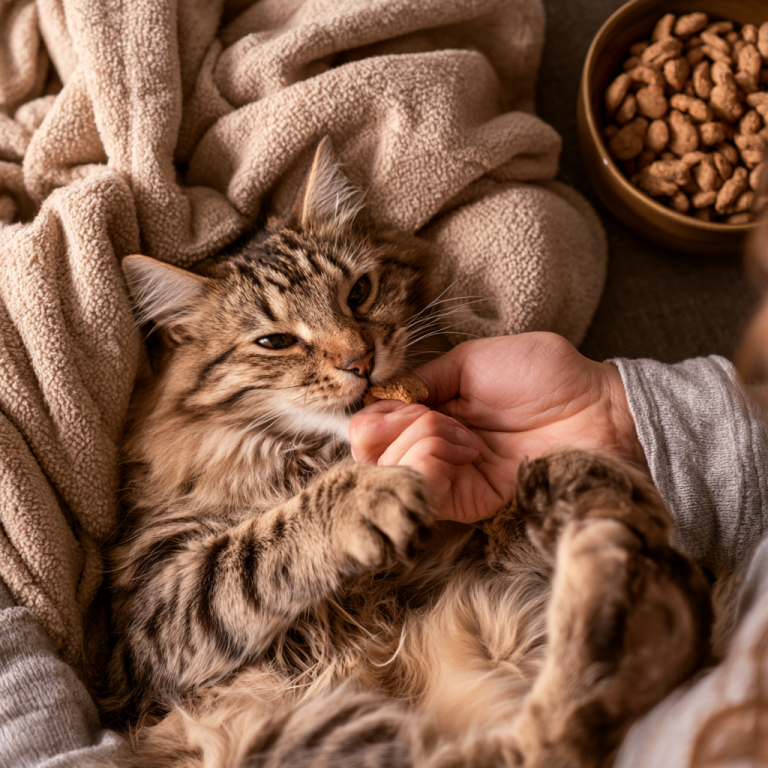
Utilizing positive reinforcement is the cornerstone of successful cat training. By rewarding your cat with treats, praise, or playtime, you can encourage the repetition of desired behaviors over time. Alongside treats, vocal affirmations such as “good kitty” delivered in a cheerful tone can help reinforce positive actions.
Additionally, remember to reward your cat immediately after the desired behavior occurs. This helps create a clear association between the action and the positive outcome, solidifying learning. Always observe your cat during training sessions to gauge their comfort level and motivation, adjusting your approach if necessary to foster a more positive environment.
Common pitfalls to avoid with rewards
While positive reinforcement is vital for cat training, certain common pitfalls can hinder progress. Here are some to watch out for:
- Inappropriate rewards: Avoid using things your cat may not find motivating or rewarding, such as overly large treats or distractions like play when they are not engaged.
- Inconsistent rewarding: Ensure rewards are given consistently and timely. Delaying a reward can confuse your cat about which behavior is valued.
- Ignoring negative reactions: Be vigilant for signs of stress or discomfort in your cat. If they seem anxious, take a step back and assess whether you need to change your technique.
By steering clear of these pitfalls, you’ll maintain a more productive training environment that fosters learning and trust.
Addressing Behavioral Issues Through Training
Common issues and how to train them
Many cat owners encounter behavioral issues that can be addressed through training. Some common concerns include:
- Scratching furniture: Encourage positive scratching by providing designated scratching posts and rewarding their use.
- Inappropriate elimination: If your cat is not using the litter box, ensure the box is clean and accessible, and consider consulting a vet to rule out health issues.
- Excessive meowing: Track patterns of meowing and respond appropriately, providing attention only when it’s calm to reinforce quiet behavior.
By focusing on solutions that reinforce good behavior and understanding the underlying cause, you can help your cat learn how to behave appropriately in your home.
Adjusting techniques for anxious or young cats
Training may need to be adapted if your cat is particularly anxious or very young. For anxious cats, creating a quiet, stress-free environment is essential; consider using calming pheromones or giving them space to approach at their own pace. For young kittens, the training should be more playful and gentle, fitting with their short attention spans.
Beginning with simple commands and gradually building complexity while monitoring their comfort level is a successful strategy with both anxious and young cats. If your cat shows distress, give them a break, returning later when they are more relaxed.
Training Kittens vs. Adult Cats
Adjusting strategies based on age
Training techniques might need adjustment depending on whether you are working with a kitten or an adult cat. Kittens generally tend to be more adaptable and may respond better to playful methods of learning, while adult cats may require a slower introduction to new behaviors.
Start with basic commands and gradually increase the complexity for both age groups. Kittens can learn through play, while adult cats may benefit from longer intervals of time to grasp the exact expectations you may have for their behavior. Again, patience is key.
The unique needs of young kittens
Young kittens have unique developmental needs that can influence their training. Socialization is critical during their early weeks, exposing them to various stimuli, surfaces, and gentle handling. This can help build confidence and ease anxiety later in life. Engage them using lightweight toys and practice basic commands like “come” or “sit” in short, frequent sessions to accommodate their attention span.
The goal with kittens is to create a positive, enriching environment that promotes learning and prepares them for a well-adjusted life. Just like with adult cats, consistency and a strong foundation in positive reinforcement techniques will foster a long-lasting bond between you and your kitten.
Frequently Asked Questions
What is the best way to train a cat?
The best way to train a cat involves using positive reinforcement techniques like treats and praise while considering your cat’s individual behavior and motivations. Establishing consistency and clear communication will enhance the training experience.
Can you train an older cat?
Yes, you can train an older cat, although it may take more time and patience than training a younger cat. Older cats can still learn new commands and behaviors, especially when motivated by their interests and preferences.
How do you use treats to train a cat?
To use treats effectively, choose small, enticing options as rewards and offer them immediately after your cat demonstrates the desired behavior. Consistency in rewarding positive actions helps solidify their learning and encourages repetition.
What commands can I teach my cat?
You can teach a variety of commands to your cat, such as “sit,” “come,” or “high five.” Start with simple, straightforward actions that can be easily rewarded to encourage your cat to engage in further learning.
How long does it take to train a cat?
Training duration varies by cat, with some learning quickly and others requiring more time. Generally, establishing basic commands can take several weeks, depending on the consistency of practice and the individual cat’s responsiveness.