Why Do Dogs Shake Their Bodies? Understanding the Behavior
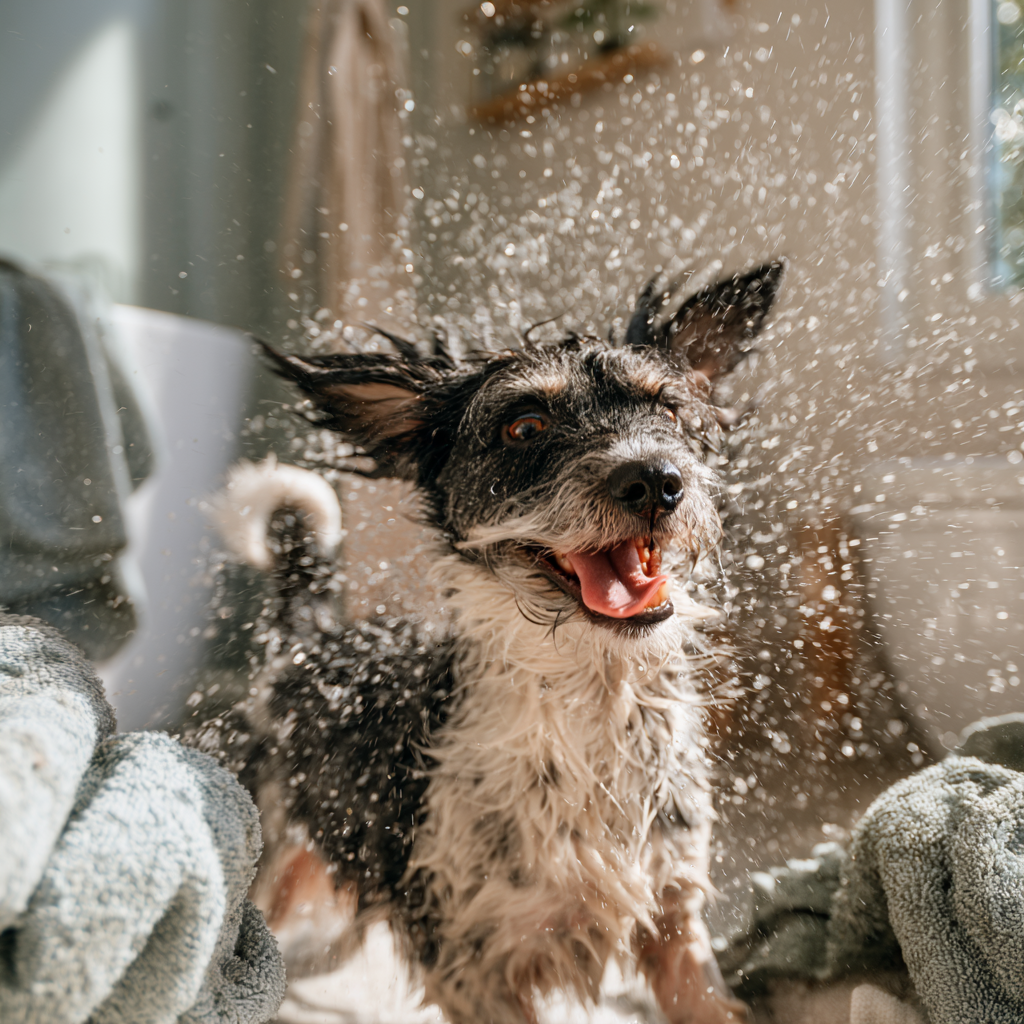
Have you ever noticed your dog shaking its body and wondered, “Why do dogs shake their bodies?” This behavior is more common than you might think and can be a topic of curiosity for many pet owners. While it might seem like an odd habit, shaking serves various purposes for dogs, ranging from instinctual behaviors to expressions of emotions. Understanding this action can help us better interpret our canine friends’ signals and needs.
Quick answer: Dogs shake their bodies for various reasons, including instinctual behaviors, drying off after getting wet, expressing emotions, or even as a sign of health issues. Observing the context and frequency of the shaking can help determine whether it is a normal behavior or something requiring further investigation.
Why Do Dogs Shake Their Bodies?
The science behind shaking: an instinctive behavior
Shaking is a fundamental canine behavior deeply rooted in a dog’s evolutionary past. Instinctively, dogs shake as a means of communicating and maintaining their physical well-being. This action has several physiological undertones: it can involve the activation of muscle groups, promoting blood circulation, and relieving tension built up after activity or exposure to stressors. Observations of wild canines reveal that shaking often occurs after a stressful encounter or following a hunt, acting as a way to reset their bodies.
Additionally, researchers studying canine behaviors have noted that shaking can manifest differently in various situations. For instance, a dog might shake off excess water after swimming or shake off physical sensations in response to environmental stimuli. This behavior serves as a mechanism for cooling down the body or promoting alertness, indicating how instinctual pathways are at play even in domestic dogs. Owners can observe their pets’ shaking patterns and consider the context to gain insight into their dog’s well-being and emotional state.
Common situations when dogs shake off
Dogs shake off for multiple reasons, and identifying the context can provide valuable information about their state of mind. Here are some typical situations where you might see your dog shaking:
- Wet Conditions: After baths, rain, or swimming.
- Exertion: Following play or physical activity.
- Environmental Interactions: After rolling in grass, snow, or sand.
- Emotional Release: After stressful situations, such as vet visits or loud noises.
By paying attention to these contexts, pet owners can better discern whether a dog’s shaking is normal behavior or potentially a sign of something requiring further investigation.
Understanding Dogs’ Shaking in Different Contexts
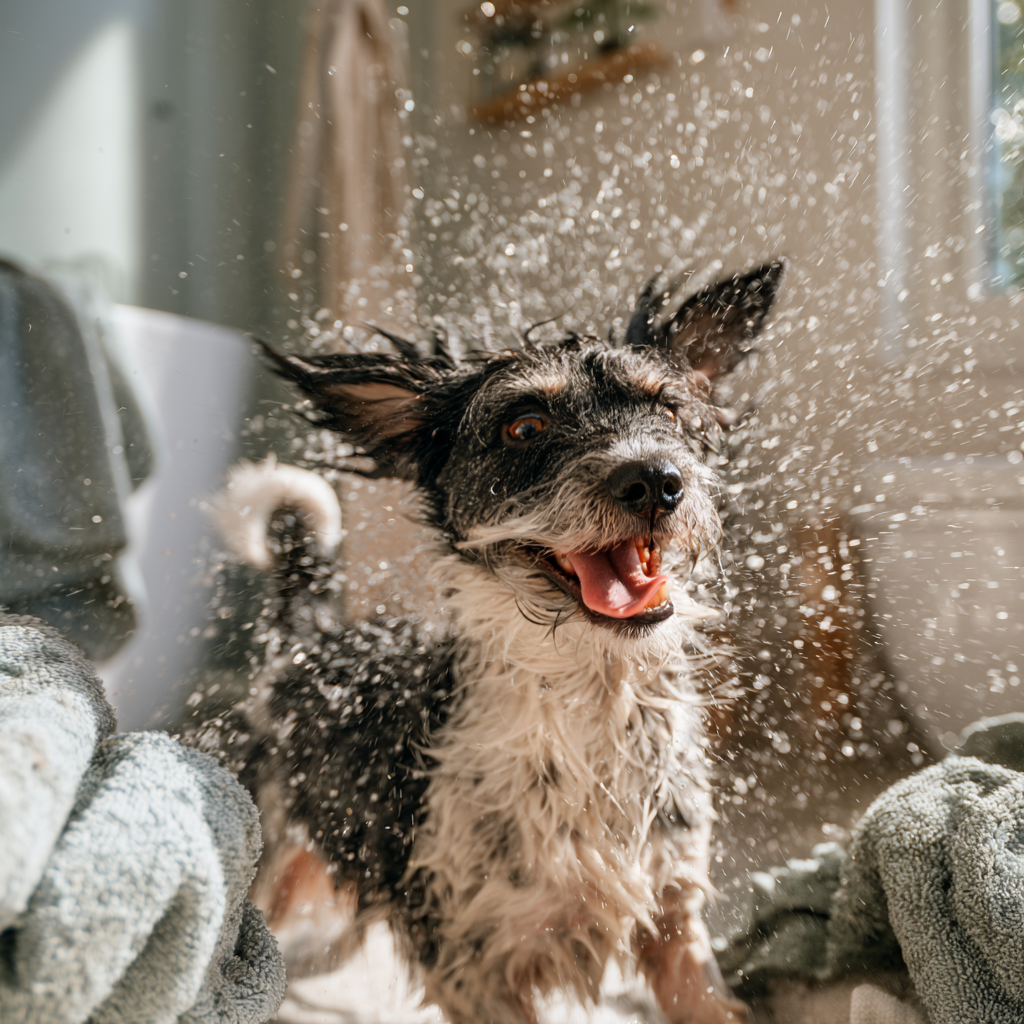
Dogs shaking after bath time: Is it just drying off?
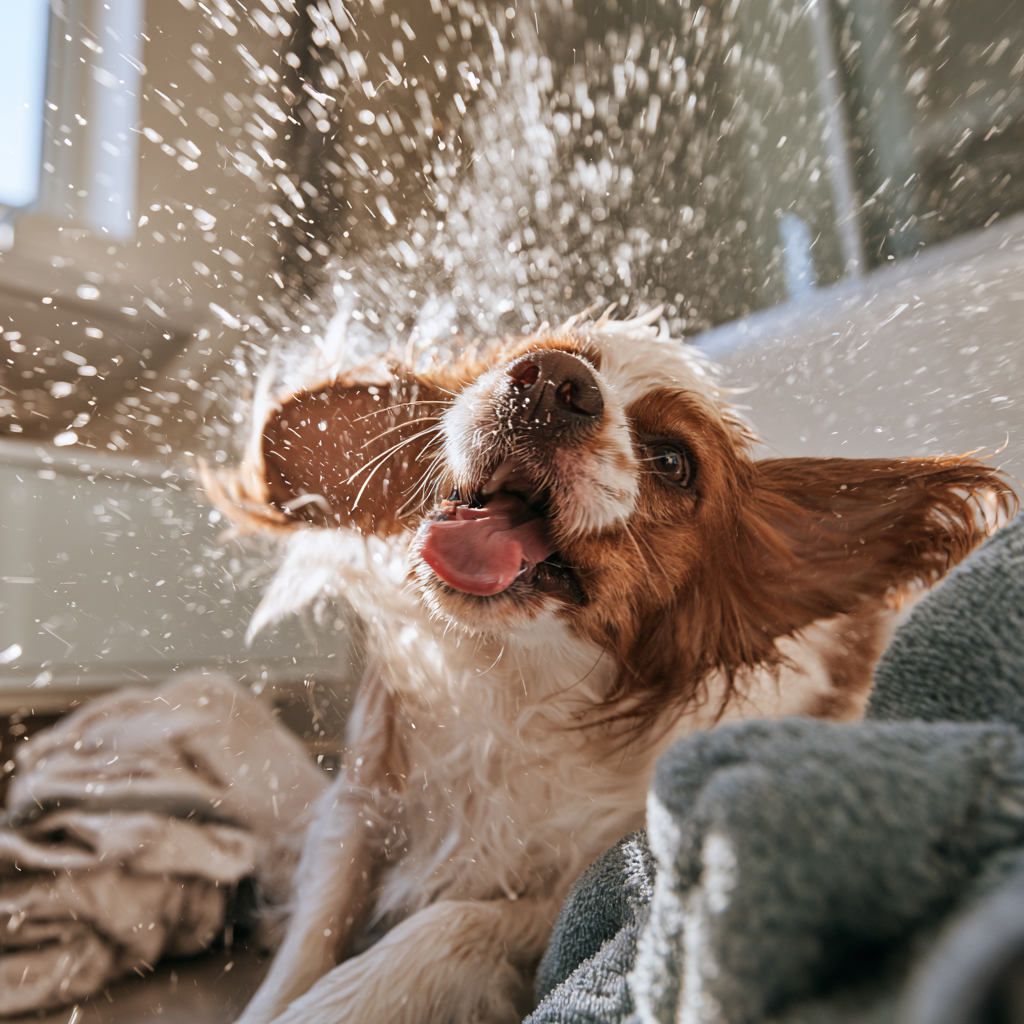
One of the most recognizable scenarios is when dogs shake their bodies after a bath. While it is often assumed that they are merely attempting to dry off, this behavior serves additional purposes. Shaking helps to redistribute water on their coat, allowing it to evaporate more evenly, but it also has a role in relieving the stress or discomfort some dogs experience during bath time. For many dogs, bathing can feel foreign, prompting a physical response as they try to shed that anxiety. Owners observing their pets’ body language during this time should look for signs of distress—whimpering, attempts to escape, or tensed muscles are indicators that the bath may have been more stressful than enjoyable.
Shaking during anxious moments: Warning signs
Shaking can also appear during moments of anxiety or stress, functioning as a coping mechanism. Dogs may shake when confronted with loud noises (such as thunder or fireworks), unfamiliar environments, or other stressful situations. Recognizing this kind of shaking involves observing the dog’s overall body posture and behavior for additional signals of anxiety.
- Tucked Tail: A sign of submission or fear.
- Padded Pawing: A nervous gesture that indicates they are unsettled.
- Vocalizations: Whining or barking may accompany the shaking.
For pet owners, it’s essential to address these anxious moments thoughtfully, as prolonged anxiety can lead to behavioral issues. Creating a calm environment, using comfort items, or seeking professional guidance can be helpful in these situations.
When shaking indicates a health issue
While many instances of shaking are benign, it is crucial to be aware of situations where shaking might indicate a health issue. If your dog suddenly begins shaking excessively or if it is accompanied by other concerning signs such as vomiting, lethargy, or unusual behavior, it may suggest underlying health problems. Potential medical concerns can include:
- Neurological Disorders: Conditions that affect the dog’s nervous system could lead to uncontrollable shaking.
- Infections or Illness: Fever or pain can result in trembling as a reaction to discomfort.
- Musculoskeletal Problems: Issues related to joints or muscles may manifest in shaking due to pain.
In these instances, it is advisable to consult with a veterinarian for a thorough evaluation. Early detection and treatment can significantly improve outcomes in many health conditions.
Play behavior: Dogs shaking while having fun
Shaking can also occur in playful contexts, often serving as an expression of excitement or as a simple part of play behavior. During friendly interactions—whether running, jumping, or engaging with toys—dogs may break into a shake as a form of letting loose and releasing pent-up energy. It can look like a brief tremor or a vigorous shaking, and this behavior is usually harmless.
In observing your dog while playing, consider whether the shaking occurs sporadically or frequently. Regular, playful shaking may signify joy and exuberance, while excessive shaking during play can also signal overstimulation or an indication for a break. It is always beneficial to monitor your dog’s signals to ensure they remain content and engaged.
Understanding why dogs shake their bodies allows us to be more empathetic pet owners. By being attentive to their signaling and recognizing the contexts in which shaking occurs, we can foster environments that support their emotional and physical well-being.
Frequently Asked Questions
Why do dogs shake their bodies after getting wet?
Dogs shake their bodies after getting wet primarily to remove water from their fur, which helps them dry off quickly. This instinctual behavior can also help them reestablish their comfort and transition back into their usual activities.
Is it normal for dogs to shake frequently?
While occasional shaking is normal, frequent shaking could indicate stress or discomfort. It’s important to observe the context and accompanying behaviors to determine if it’s a normal reaction or a sign of an underlying issue.
Do dogs shake when they are cold?
Yes, dogs may shake when they are cold. This behavior is typically their way of generating body heat and attempting to warm up, especially in colder environments or after being exposed to chilly conditions.
What does it mean when dogs shake and act anxious?
When dogs shake and display anxiety, it often signals distress or fear. This behavior can be triggered by stimuli such as loud noises, unfamiliar people, or stressful situations, and indicates that the dog may need reassurance and a safe environment.
How should I react if my dog is shaking?
If your dog is shaking, first assess the context to understand the cause. If it seems related to anxiety, provide comfort and a safe space. If shaking persists or is accompanied by other concerning symptoms, it’s wise to consult a veterinarian for further evaluation.