How to Tell If Your Dog Trusts You: Key Signs to Recognize
How to Tell If Your Dog Trusts You is a topic many dog owners may ponder as they strive to deepen the bond with their furry companions. Recognizing the signs of trust not only fosters a stronger relationship but also enhances communication between you and your dog. Being attentive to these signals allows us to better understand our pets’ feelings and needs, ultimately leading to a more harmonious environment for both.
Quick answer: To determine if your dog trusts you, look for positive signs like relaxed body language, eye contact, and playful behavior. Dogs express trust through affection, grooming, and a willingness to engage in interactions. Understanding these behaviors can help you solidify your bond with your dog.
Understanding How to Tell If Your Dog Trusts You
Positive signs of trust in dogs
When evaluating how to tell if your dog trusts you, several positive signs can indicate this bond. Trust is often shown through behavioral cues that reflect comfort and security. Here are a few common indicators:
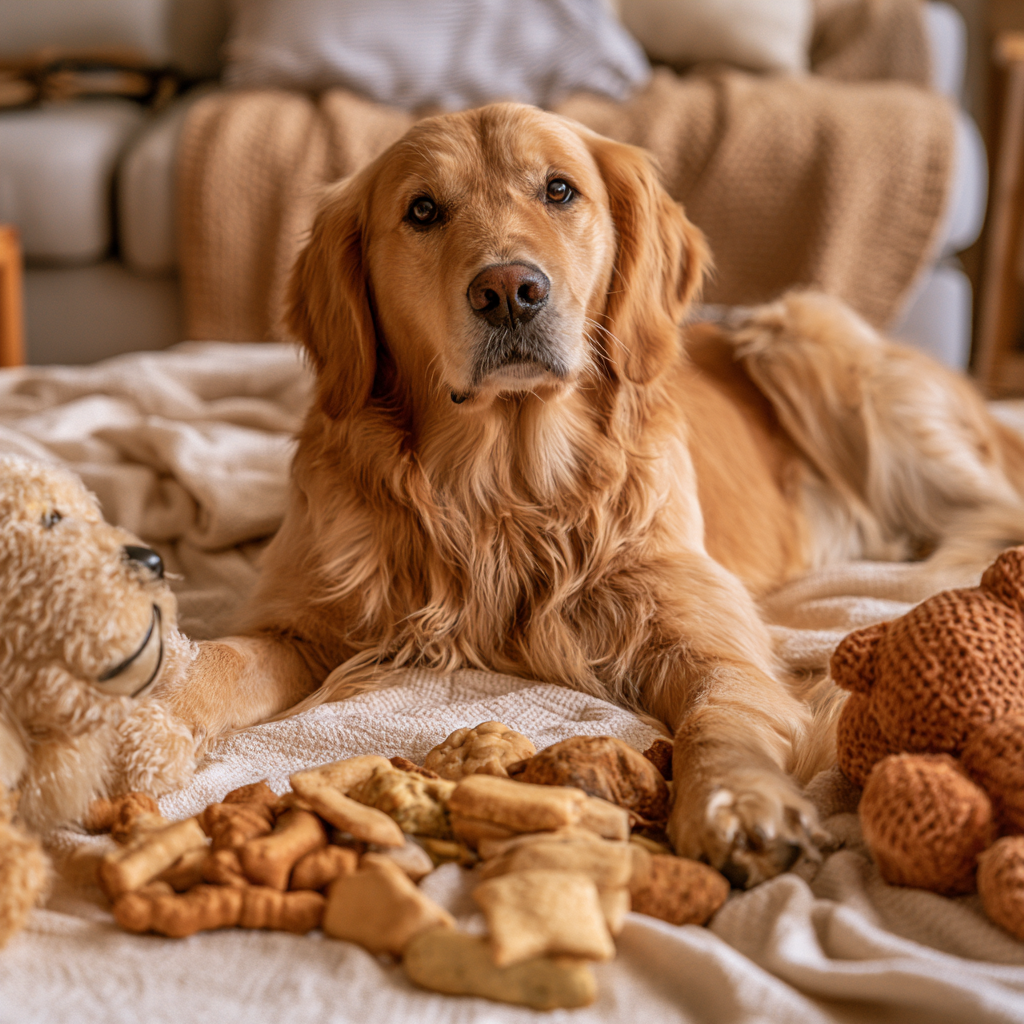
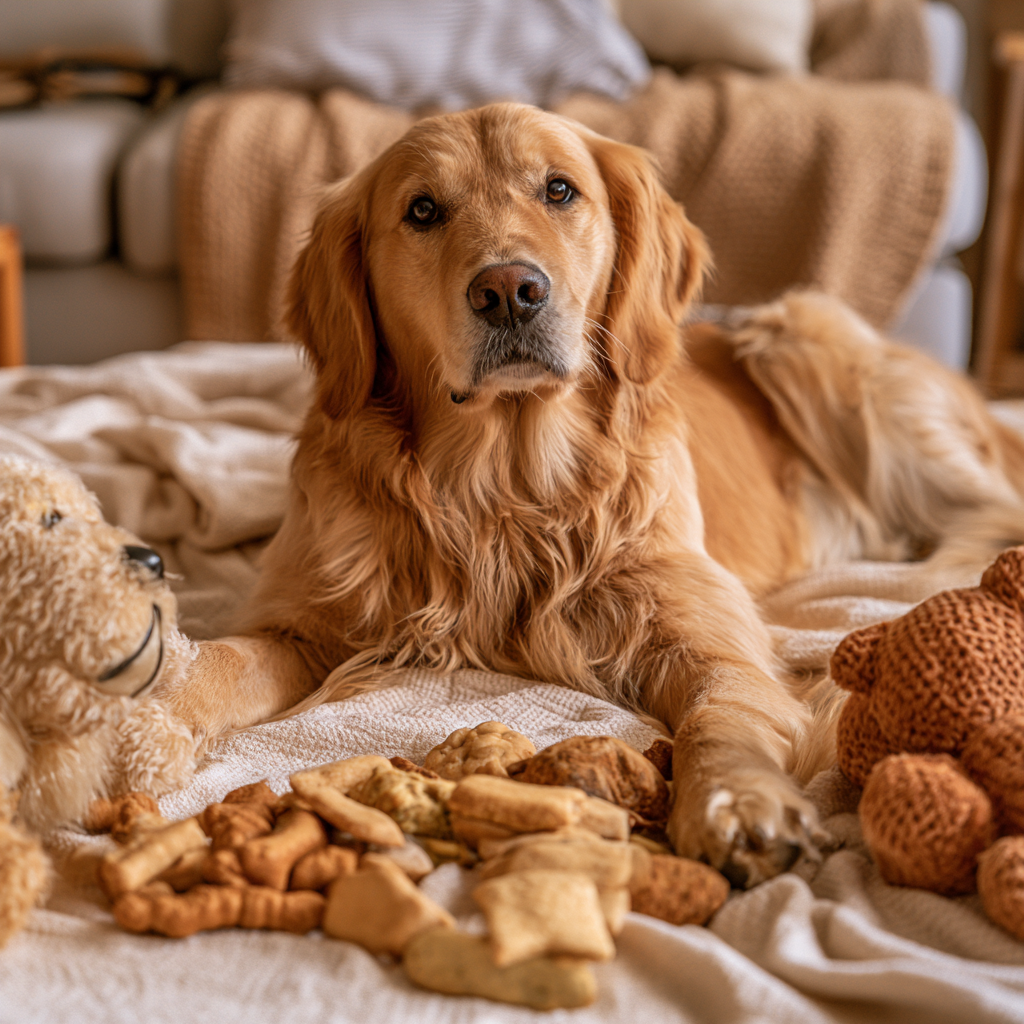
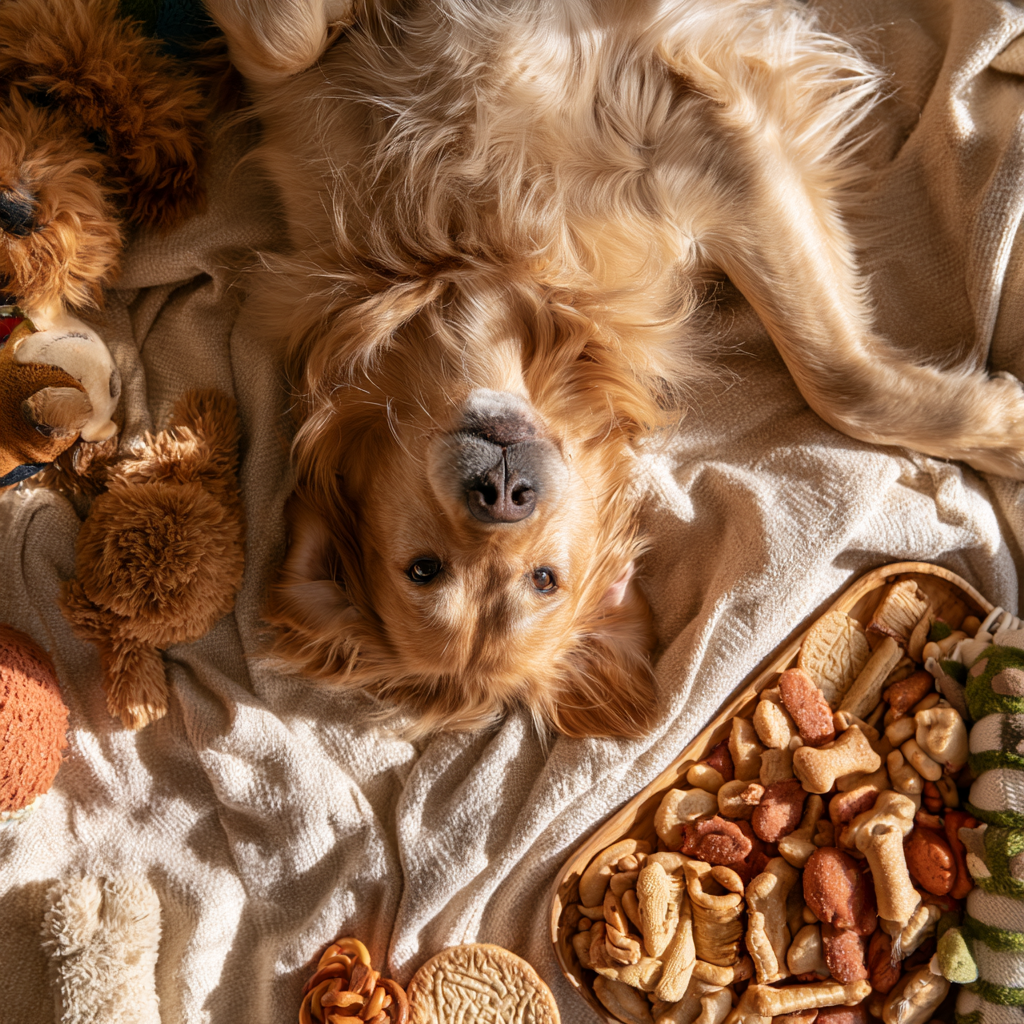
- Relaxed posture: A dog that trusts you will usually have an open posture, with its body relaxed rather than tense. A wagging tail held in a neutral position and loose ears further signify comfort.
- Seeking proximity: If your dog prefers to stay close to you, it’s a clear sign of trust. This can manifest in them following you around the house or choosing to lie down beside you.
- Playfulness: Dogs that engage in play and bring you toys often feel secure in your presence, indicating a strong bond based on trust.
These behaviors primarily showcase a dog’s sense of safety and belief in their owner’s leadership, which are crucial elements in establishing trust.
How dogs show affection and trust
Dogs have unique ways of expressing their affection and trust towards their owners. These can vary based on individual personality and past experience. Some common forms include:
- Licking: Many dogs will lick their owners’ hands or faces as a sign of affection. This behavior can indicate a strong bond and trust.
- Body contact: Leaning against you or resting their head on your lap can be a clear sign that your dog feels safe and comfortable in your presence.
- Grooming behaviors: Dogs may also engage in self-grooming or even attempt to groom their owners as a sign of trust and affection.
Understanding these affectionate gestures can provide insight into the level of trust your dog has for you, reinforcing the importance of positive interactions.
Interpreting Dog Body Language for Trust Signals
Key body language cues indicating trust
Body language is a vital part of how dogs communicate their feelings, including trust. To interpret your dog’s body signals accurately, observe the context and combinations of various cues:
- Tail position: A wagging tail that moves in wide, slow arcs typically indicates a relaxed and happy demeanor, while a stiff, upright tail may denote alertness or hesitation.
- Facial expression: Dogs that trust their owners often exhibit soft eyes and relaxed mouths. Tension in the face, such as tight lips or a wide-eyed stare, may suggest discomfort.
- Body orientation: If your dog approaches you with their front facing you rather than turning away, it often demonstrates openness and trust.
Remember, individual personality plays a significant role, so use these cues as guidelines rather than absolute indicators.
Sounds and vocalizations as trust indicators
Vocalizations can also reveal whether a dog trusts you. Consider the context behind the sounds:
- Whining: Sometimes, dogs may whine to solicit attention. In a trusting relationship, this can signify a desire to engage or share affection.
- Barking: A happy bark or playful growl often indicates trust and excitement, whereas a sharp, aggressive bark might reflect a sense of unease or protection.
- Relaxed breathing: When dogs are relaxed and content in your presence, you may notice soft, even breathing—this signifies they feel secure and trust you.
Being attentive to these vocal cues can provide a deeper understanding of your dog’s trust level.
Cautionary Signs: When Trust is Lacking
Signs of fear or anxiety in dogs
When evaluating trust, it’s crucial to note when trust may be lacking. Fear and anxiety can present themselves in various ways, including:
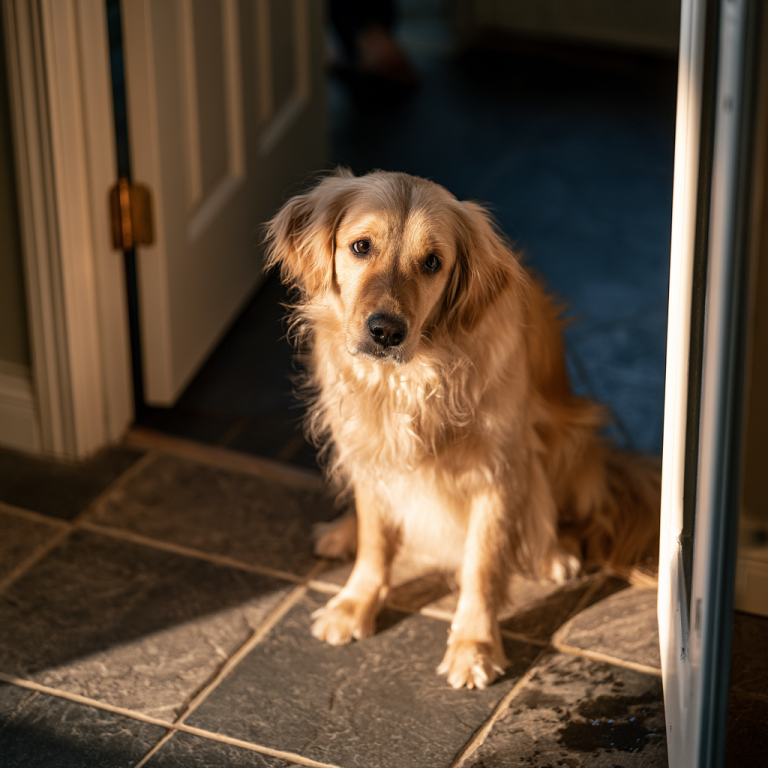
- Hiding: If your dog frequently seeks out hiding spots or avoids interactions, it may signal a lack of trust or feeling threatened.
- Excessive panting: Nervous dogs might pant more than usual, even when they aren’t physically active. This behavior can indicate discomfort or anxiety.
- Tucked tail: A tail that is tucked between the legs is a classic sign of fear. Dogs exhibiting this sign are likely to be feeling insecure or threatened.
Recognizing these signs allows you to better understand your dog’s emotional state and take steps to address their concerns.
Understanding hesitant behavior around owners
Sometimes, dogs demonstrate hesitation around their owners without displaying overt fear. This can stem from a lack of trust developed through their individual history or previous experiences. Key indicators of this behavior include:
- Slow movements: If your dog moves slowly or cautiously when approaching you or when you attempt to interact, it may indicate uncertainty.
- Looking away: Averted eye contact, especially when accompanied by a lowered body posture, can signal that your dog doesn’t completely trust the situation.
- Backing away: If your dog takes a step back or moves away when you reach out, it is a strong signal that they may not feel comfortable or safe.
Taking time to build trust with a hesitant dog is essential, as rushing interactions can further erode their confidence.
Building Trust with Your Dog
Reinforcing trust through interactions
To foster an environment of trust, your interactions with your dog should be positive and consistent. Here are some strategies to reinforce trust:
- Engage in routine: Dogs thrive on routine, so establishing a consistent daily structure helps them feel secure in their environment.
- Positive reinforcement: Using treats or praise when your dog displays desired behaviors can strengthen your bond. Training sessions should be seen as fun and rewarding.
- Respect boundaries: Always pay attention to your dog’s body language and respect their personal space when they communicate a desire to be left alone.
These strategies contribute to a positive rapport, enhancing the trust your dog has in you over time.
Trust-building strategies for new or anxious dogs
For new or anxious dogs, try implementing specialized trust-building activities that gradually introduce them to positive experiences with humans:
- Slow introductions: Introduce new people or environments gradually to prevent overwhelming your dog. Allow them to approach at their own pace.
- Interactive play: Engage your dog in games that promote fun and positive interactions, such as fetch or hide-and-seek. This can boost their confidence in your presence.
- Use calming products: Consider utilizing calming aids such as pheromone diffusers or anxiety wraps, which may help alleviate stress and enhance comfort.
Success in building trust requires patience, commitment, and an understanding of your dog’s unique needs.
Age and Trust: Factors to Consider
How age affects trust levels in dogs
Age can significantly influence a dog’s trust and comfort levels. Puppies and young dogs may have a different approach to trust compared to adult or senior dogs. Puppies, having little past experience, are generally more open to forming bonds quickly. However, juvenile dogs may also display more insecurity as they navigate boundaries and social interactions.
Senior dogs, on the other hand, may exhibit wariness around new experiences due to health issues or past traumas. Their life history can play a crucial role in how they approach trust, making it essential to understand and accommodate their unique needs.
Building trust with elderly or nervous dogs
Creating a trusting atmosphere for elderly or nervous dogs requires extra attention and compassion. Here are some recommendations:
- Gentle interactions: Always approach senior dogs slowly and quietly, avoiding sudden movements that could startle them.
- Routine vet check-ups: Regular veterinary visits are crucial to monitor their health and address any medical concerns that could affect their behavior on comfort.
- Incorporate low-stress activities: Activities such as gentle walks, puzzle toys, or simply sitting quietly together can nourish the bond while minimizing anxiety.
Building trust in older or anxious dogs is most effective when their unique circumstances are met with understanding and patience.
Frequently Asked Questions
What are the signs that my dog trusts me?
Signs that your dog trusts you include relaxed body language, following you around, seeking physical contact, and engaging in play. Additionally, affectionate behaviors like grooming and looking to you for guidance further confirm their trust.
How can I tell if my dog feels safe with me?
If your dog feels safe with you, they will exhibit relaxed body language, seek out your presence, and show eagerness to engage in activities. Signs such as soft eyes and a calm demeanor suggest a strong sense of security.
Can dogs sense trust in their owners?
Yes, dogs can often sense trust in their owners through body language, tone of voice, and overall energy. They are perceptive to human emotions and behaviors, allowing them to gauge their owner’s feelings toward them.
What behaviors indicate my dog is attached to me?
Behaviors that indicate attachment include following you around, leaning against you, seeking physical closeness, and displaying excitement when you return home. These actions highlight a strong bond and connection between you and your dog.
How do I build trust with a rescue dog?
Building trust with a rescue dog involves patience, consistent positive reinforcement, slow introductions to new environments, and creating a predictable routine. Allow the dog to come forward at their pace, offering a safe space when needed.
Why is my dog hesitant around me?
Hesitation in dogs can stem from previous negative experiences, lack of socialization, or uncertainty about their environment. It’s crucial to observe their body language and gradually encourage them to feel comfortable over time.
How long does it take for a dog to trust a new owner?
The time it takes for a dog to trust a new owner varies greatly based on the individual dog’s history, temperament, and socialization experience. Some dogs may build trust in a few days, while others may take weeks or even months.